
TL;DR
Sunrise alarms may be less effective for face-down sleepers because less light reaches their eyes. Adjusting placement and brightness can help, and combining cues like sound boosts wake-up chances.
Imagine waking up to a warm, glowing sunrise, your room gradually filling with soft light that gently rouses you from sleep. It sounds ideal, right? But if you sleep face-down, that gentle dawn might not reach your eyes as effectively. That’s what makes the question of whether sunrise alarms work for face-down sleepers so interesting. You want to wake feeling refreshed, not groggy, but your sleep position could be a game-changer. In this guide, you’ll learn how sleep face-down impacts light exposure, what you can do to boost effectiveness, and practical tips for waking up smoothly—no matter how you sleep.
Whether you’re a back sleeper or a face-down enthusiast, understanding how light interacts with your sleep position can help you get the most out of your sunrise alarm. Ready to make your mornings brighter and easier? Let’s dive in.
Light penetrates eyelids and skin, but effectiveness depends on brightness, wavelength, and sleep position.
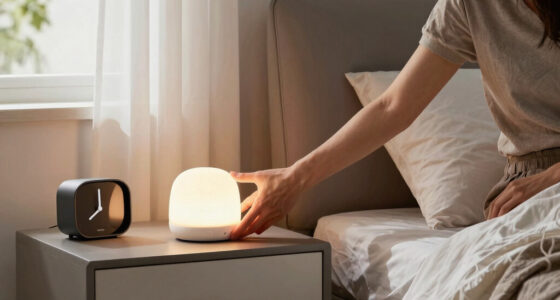
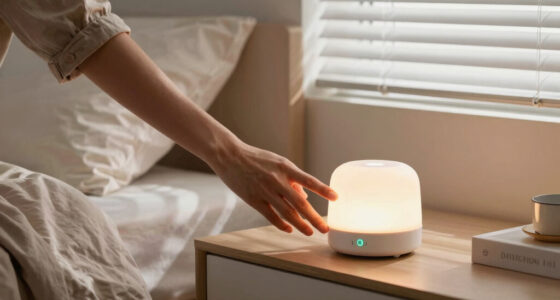
Position your sunrise alarm closer to your face and at an angle to improve light exposure.
Use higher brightness settings and diffuse light panels for better wake-up results.
Combining light with sound, vibration, or movement cues boosts waking chances for face-down sleepers.
Experiment with device placement and supplementary cues to find what works best for you.
Why Sleep Position Matters for Sunrise Alarm Success
Sunrise alarms work by simulating natural dawn, gradually increasing light to signal your body it’s time to wake up. But if you sleep face-down, your pillow presses your face into the mattress, blocking light from reaching your eyes directly.
Think of it like trying to see a sunrise through a thick curtain—if the curtain is in the way, you miss much of the view. For face-down sleepers, the pillow acts like that curtain. The thicker your eyelids and pillow material, the less light filters through.
So, does this mean sunrise alarms are useless? Not necessarily. Even with face-down sleep, some light can still penetrate skin and eyelids, though less effectively. The significance of this is that the effectiveness of your alarm depends heavily on how much light actually reaches your eyes—if it’s minimal, the alarm’s ability to trigger a wake-up response diminishes. This means that sleep position influences the amount of light your brain perceives, which in turn affects how quickly and reliably you wake up. Recognizing this tradeoff emphasizes the importance of optimizing placement and brightness, and perhaps supplementing with other cues to compensate for reduced light exposure. It’s a reminder that sleep environments and habits can significantly impact how well your wake-up routine works, especially if you have a preferred sleep posture that limits light exposure.
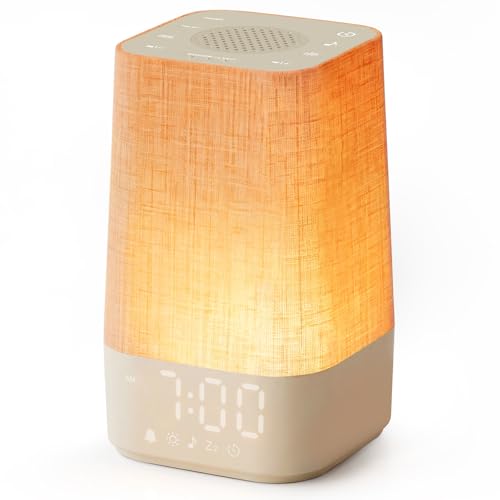
10-60 Mins Simulated Sunrise Alarm Clock: Gentle Wake Up Light with Adjustable Brightness, 32-Level Volume, Bright & Loud Enough for Dark Morning Bedroom – White Noise Machine with 30 Soothing Sounds
10–60 Min Gentle Sunrise Wake-Up: This sunrise alarm clock lets you set a 10–60 minute sunrise simulation, or…
As an affiliate, we earn on qualifying purchases.
As an affiliate, we earn on qualifying purchases.
Can Light Penetrate Your Eyelids When You Sleep Face-Down?
Yes. Light can pass through eyelids and skin, influencing your circadian rhythms even when your eyes are closed. The effectiveness depends on light intensity, wavelength, and your skin and eyelid thickness.
For example, high-brightness sunrise alarms emit up to 10,000 lumens, which can penetrate eyelids enough to wake some people. Blue light, in particular, is more effective at signaling wakefulness because it mimics sunrise wavelengths. This is significant because blue light has a shorter wavelength, which has been shown to have a stronger impact on suppressing melatonin—the hormone that promotes sleep—and thus can help reset your internal clock more effectively.
But if you sleep face-down with your face pressed into the pillow, less light reaches your eyes directly. A person with a thinner eyelid skin might still get enough exposure, while someone with thicker eyelids might miss the cue entirely. The degree of penetration is also affected by the brightness of the device: higher lumen outputs increase the likelihood that enough light will seep through to influence your circadian signals. This variability among individuals means that some sleepers might benefit from ultra-bright alarms or specific placement strategies, while others might need additional cues. Recognizing this variability underscores the importance of tailoring your wake-up environment—adjusting brightness, angle, and supplementary signals—to your unique sleep characteristics for optimal results.

Philips SmartSleep Wake-up Light, Colored Sunrise and Sunset Simulation, 5 Natural Sounds, FM Radio & Reading Lamp, Tap Snooze, HF3520/60
CLINICALLY PROVEN*: Philips wake-up lights are recommended by physicians and pharmacists for establishing a healthy sleep and wake…
As an affiliate, we earn on qualifying purchases.
As an affiliate, we earn on qualifying purchases.
How to Boost Your Sunrise Alarm’s Effectiveness if You Sleep Face-Down
- Place the alarm closer to your face. Position it on your nightstand, or even slightly angled toward your pillow. This reduces the distance light has to travel through your pillow and skin, increasing the amount of light that reaches your eyes directly. The closer proximity minimizes attenuation and maximizes the light’s wake-up potential.
- Use a higher brightness setting. Many sunrise alarms have adjustable intensity—crank it up as high as comfortable. Higher brightness levels increase the likelihood that enough light penetrates eyelids and skin, especially when sleep position isn’t ideal.
- Experiment with light angle and direction. Try propping the device so that the light hits your face at an angle, not just straight on. This can help light reach your eyes more effectively by bypassing some of the blocking effects of eyelids and pillow positioning.
- Add supplementary cues. Use a vibrating alarm or gentle sound to supplement the light, especially if you’re a very deep sleeper or if light penetration remains insufficient. Combining multiple stimuli can compensate for reduced light exposure, ensuring a more reliable wake-up.
- Consider sleep position shifts. If possible, try sleeping slightly on your back for part of the night or flipping over when you hear the alarm. Even brief changes in position can significantly improve light exposure and wake-up responsiveness.
For example, one user found that placing the alarm slightly tilted toward their face and increasing brightness helped them wake up more consistently, despite sleeping face-down. Over time, these small adjustments can condition your body to respond better to the alarm signals.
Implementing these tweaks can make a big difference, especially over time. Recognizing that the effectiveness of your wake-up routine can be optimized through strategic positioning and multimodal cues helps you tailor your environment for success.

Roxicosly Alarm Clock with Bed Shaker, Vibrating Alarm Clock for Heavy Sleepers/Hard of Hearing/Deaf,Dual Alarms, 7.5’’ Large LED Display, Dimmer, USB Charging Port, Plug-in with Memory Function
【𝗪𝗮𝗸𝗲 𝗨𝗽 𝘄𝗶𝘁𝗵 𝗔𝗱𝗷𝘂𝘀𝘁𝗮𝗯𝗹𝗲 𝗦𝗼𝘂𝗻𝗱 & 𝗕𝗲𝗱 𝗦𝗵𝗮𝗸𝗲𝗿】-Different from regular sound-only alarm clocks, this alarm clock offers 𝘁𝗵𝗿𝗲𝗲…
As an affiliate, we earn on qualifying purchases.
As an affiliate, we earn on qualifying purchases.
Are There Sunrise Alarm Models Designed for Face-Down Sleepers?
Some newer models claim to have enhanced light output and sensors that adapt based on your sleep position. These devices aim to deliver more effective light exposure, even if you sleep face-down.
For example, certain alarms feature higher lumen outputs—up to 20,000 lumens—and diffuse light panels that spread illumination more evenly, increasing the chance that enough light reaches your eyes regardless of sleep posture. Some incorporate motion or position sensors to detect your sleep posture and adjust the light output or angle accordingly, making them more responsive to various sleeping positions. This adaptive technology can be a game-changer for those who struggle with traditional alarms due to sleep position constraints.
While these are promising, most standard sunrise alarms can still work if you position them thoughtfully. The key is to experiment with placement and brightness first, ensuring you maximize light exposure without discomfort. Remember, the primary factor influencing wake-up success is how much light actually reaches your eyes—so choosing a model with high lumen capacity and adjustable settings enhances your chances of waking effectively.
Investing in a device that actively adapts to your sleep posture can reduce the need for constant manual adjustments and help establish a more reliable wake-up routine, especially for those who tend to sleep face-down regularly.
10-60 Mins Simulated Sunrise Alarm Clock: Gentle Wake Up Light with Adjustable Brightness, 32-Level Volume, Bright & Loud Enough for Dark Morning Bedroom – White Noise Machine with 30 Soothing Sounds
10–60 Min Gentle Sunrise Wake-Up: This sunrise alarm clock lets you set a 10–60 minute sunrise simulation, or…
As an affiliate, we earn on qualifying purchases.
As an affiliate, we earn on qualifying purchases.
What Really Works? Combining Light with Other Wake-Up Cues
Relying on light alone might not cut it for face-down sleepers. Combining multiple cues offers a better shot at waking up on time. Think of it as having a team effort to rouse you, especially when light exposure is limited.
For example, pairing a sunrise alarm with gentle vibrations under your pillow or a gradual sound fade-in enhances wakefulness by engaging different sensory pathways. Vibrations can stimulate your skin and muscles, providing a tactile cue that doesn’t rely solely on light penetration. Similarly, a sound that gradually increases in volume can stimulate your auditory system, making it easier to wake up even if your eyes aren’t fully exposed to the light.
One morning, a friend set her alarm to gradually increase light while also vibrating her wristband. Even though her face was pressed into the pillow, she woke up feeling refreshed. The combined cues triggered her arousal response more reliably than light alone, illustrating the importance of multi-sensory strategies.
Experiment with different combinations—light plus sound, light plus vibration, or even gentle movement—to discover what best stimulates your wake-up response. This personalized approach can help overcome the limitations posed by sleep position and improve overall morning alertness.
Frequently Asked Questions
Do sunrise alarms work if I sleep face-down?
They can be effective, but their success often depends on how close and at what angle you position the alarm, as well as the brightness level. Adjusting placement and using supplementary cues can improve results.Can I modify my sunrise alarm to wake me better when I sleep face-down?
Absolutely. Place the alarm closer to your face, tilt it toward you, and turn up the brightness. Adding sound or vibration also helps ensure you wake up on time.Are there alarms made specifically for face-down sleepers?
Some newer models boast higher lumen outputs and sensors that adapt based on your sleep position. While promising, most standard alarms can still work with proper placement and brightness adjustments.Is light through eyelids enough to wake me?
It varies. Some people are more sensitive, especially to blue light or high intensities, but for many, direct eye exposure yields the best wake-up response.What if I still don’t wake up with a sunrise alarm?
Combine light with other cues like gentle vibrations or sounds. Creating a multi-sensory wake-up routine increases the likelihood of waking feeling refreshed.Conclusion
Your sleep position might influence how well a sunrise alarm works, but small adjustments can make a big difference. Positioning the device closer, increasing brightness, and adding extra wake-up cues can help you rise more easily—no matter how you sleep.
Imagine waking up gently, feeling the warm light seep through your eyelids, your body ready to greet the day. That’s the promise of a sunrise alarm, and with a few tweaks, it can work even if you’re a face-down sleeper. The key is understanding your body and experimenting until you find what truly awakens you.