
TL;DR
Listen free for 30 days with Audible
Thousands of audiobooks and originals — cancel anytime.
Start your free trialAs an affiliate, we earn on qualifying purchases.
Meta is repurposing older RAM modules in its new server infrastructure, utilizing a custom-designed bridge chip. This approach aims to cut costs and improve resource efficiency. The development is confirmed, but details about performance impacts remain unclear.
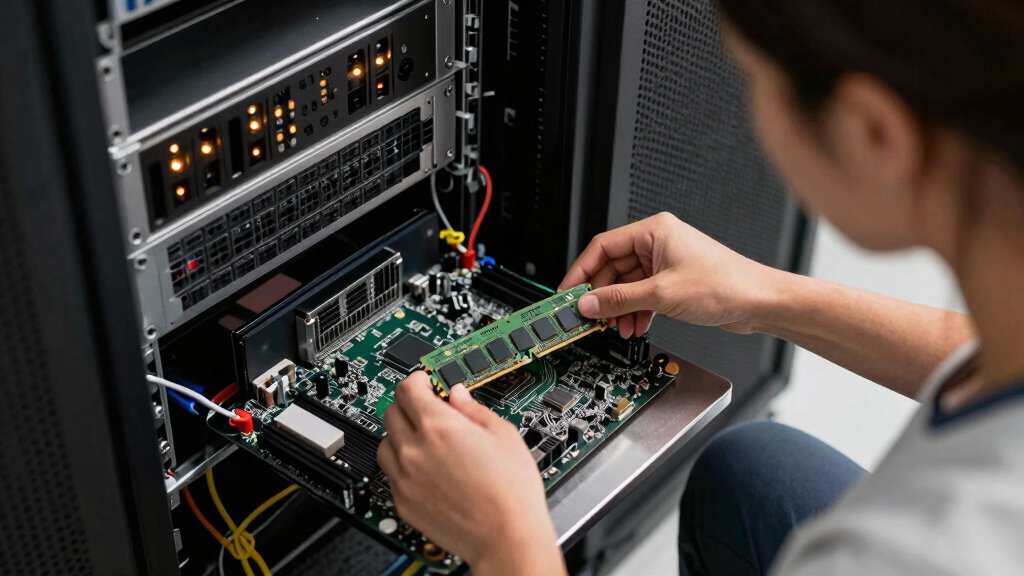
Meta is reusing older RAM modules in its latest server infrastructure, integrating a custom-designed bridge chip to manage the recycled components. This move, confirmed by sources close to the company, aims to reduce hardware costs and improve resource utilization amid ongoing data center expansion.
According to recent reports, Meta has implemented a process to reuse existing RAM modules in its new server deployments. The company has developed a custom bridge chip that facilitates compatibility between older RAM and new server architectures. This approach is part of Meta’s broader strategy to cut hardware costs and minimize electronic waste, especially as the company scales its data center capacity. The new bridge chip acts as an intermediary, allowing recycled RAM modules to function efficiently within modern server systems. Meta has not publicly disclosed detailed technical specifications or performance metrics related to this implementation, but sources suggest that initial tests indicate acceptable performance levels. The company’s motive appears to be both economic and environmental, aligning with industry trends toward sustainability and cost management in large-scale data infrastructure.Potential Cost Savings and Sustainability Benefits
This development could significantly impact data center economics, as reusing existing hardware reduces procurement costs and electronic waste. It also demonstrates Meta’s commitment to sustainability by extending the lifecycle of hardware components. If successful, this approach may influence industry standards for hardware reuse and resource efficiency in large-scale cloud infrastructure, potentially prompting competitors to adopt similar strategies.

A-Tech 1.5TB Kit (12x128GB) RAM for ThinkMate QH12, QH24, QH8, RAX-XH12-22S4, RAX-XH8-21S4, RAX-XT24-22S4, TWX-QS8-14E4 | DDR5 4800MHz PC5-38400 EC8 RDIMM 2S2Rx4 ECC Registered Server Memory Upgrade
- Compatible Server Models: Supports ThinkMate QH12, QH24, QH8, and more
- High Capacity Kit: 1.5TB (12 x 128GB modules)
- Fast DDR5 Speed: 4800MHz (PC5-38400) DDR5 RAM
As an affiliate, we earn on qualifying purchases.
As an affiliate, we earn on qualifying purchases.
Meta’s Ongoing Data Center Expansion and Hardware Strategies
Meta has been rapidly expanding its data center footprint to support its growing cloud and AI services. Historically, data centers require substantial investments in hardware, including RAM modules. The company has previously explored hardware recycling initiatives, but the recent deployment of recycled RAM with a custom bridge chip marks a notable shift. The bridge chip, designed to interface with existing server architectures, was detailed in a recent technical paper, indicating a move toward more flexible and sustainable hardware solutions. This initiative aligns with broader industry trends toward cost reduction and environmental responsibility in data infrastructure management.
“Meta is exploring innovative hardware solutions to optimize resource utilization and reduce environmental impact.”
— a Meta spokesperson
As an affiliate, we earn on qualifying purchases.
Performance Impact and Long-term Reliability Unknown
It is not yet clear how reusing RAM modules affects server performance and reliability over time. Meta has not released detailed technical data or long-term testing results, and industry experts caution that compatibility issues or hardware failures could arise. The actual cost savings versus potential performance trade-offs remain to be validated through ongoing deployment.

A-Tech 128GB Kit (4x32GB) DDR5 5600MHz PC5-44800 ECC UDIMM 2Rx8 (EC4 9×4) Dual Rank 1.1V ECC Unbuffered DIMM 288-Pin Server, Workstation RAM Memory Upgrade Modules
- Compatibility: For select DDR5 servers and workstations only
- Total Capacity: 128GB kit with 4 x 32GB modules
- Module Type: DDR5 ECC unbuffered UDIMM
As an affiliate, we earn on qualifying purchases.
As an affiliate, we earn on qualifying purchases.
Monitoring Performance and Broader Industry Adoption
Meta is expected to continue deploying and testing its recycled RAM servers, with performance evaluations likely to follow. Industry observers will watch for any reports of hardware failures or efficiency gains. If successful, other cloud providers may adopt similar hardware reuse strategies, potentially leading to broader industry shifts toward sustainability and cost efficiency in data infrastructure.

25Pack Tool-Free Hand‑Twist Rack Screws & 19" Square-Hole Cage Nuts Combo – No-Tool Server Rack Mount Hardware with Soft Washers, Carbon Steel for Server/A/V Cabinets,Network Racks (M6)
- Tool-Free Installation: Securely install by hand without tools
- Durable Carbon Steel Construction: Heat-treated, impact-resistant, eco-safe material
- Scratch-Proof Soft Washers: Protect equipment surfaces and reduce vibration
As an affiliate, we earn on qualifying purchases.
As an affiliate, we earn on qualifying purchases.
Key Questions
Why is Meta reusing older RAM modules?
Meta aims to reduce hardware costs and electronic waste by repurposing existing RAM modules, aligning with sustainability and cost management goals.
What role does the custom bridge chip play?
The bridge chip acts as an intermediary, enabling older RAM modules to interface with modern server architectures, ensuring compatibility and functionality.
Are there performance concerns with recycled RAM?
It is currently unclear how recycling affects server performance and reliability; ongoing testing will determine if the approach is viable long-term.
Could this strategy influence the industry?
If successful, Meta’s approach could inspire other cloud providers to adopt hardware reuse strategies, promoting sustainability and cost efficiency across the sector.
When will we see results from this initiative?
Meta is expected to continue deploying and monitoring these servers, with performance data likely emerging over the coming months.
Source: hn
Flea & tick season Picks
flea and tick prevention
As an affiliate, we earn on qualifying purchases.