TL;DR

Get wellness gear delivered free with Prime
- Fast, free delivery on millions of items
- Prime Video, Amazon Music and more included
- Member-only deals all year
Blackout curtains and blinds both block light effectively, but they serve different needs. Curtains add elegance and insulation, while blinds offer sleek, easy maintenance options—choose based on your room and lifestyle.
Choosing the right window cover for blackout needs isn’t just about blocking light. It’s about creating a space that feels cozy, functional, and suits your style. Whether you’re a shift worker trying to sleep during the day or a parent keeping a bedroom dark for naps, your choice impacts your sleep quality and room atmosphere.
In this guide, you’ll see how blackout curtains and blackout blinds stack up. You’ll learn which option fits your room layout, aesthetic, and lifestyle—without any fluff. Ready to make your space darker and more comfortable? Let’s get started.
Blackout curtains are excellent for total darkness and insulation, perfect for bedrooms.
Blinds offer sleek, low-maintenance options suited for kitchens, offices, or humid environments.
Layering curtains over blinds provides maximum light control and style flexibility.
New tech like motorized and eco-friendly fabrics are expanding what’s possible with blackout window coverings.
Choose based on your room’s purpose, style preference, and how much effort you want to put into maintenance.
How Well Do They Block Light? Here’s the Real Difference
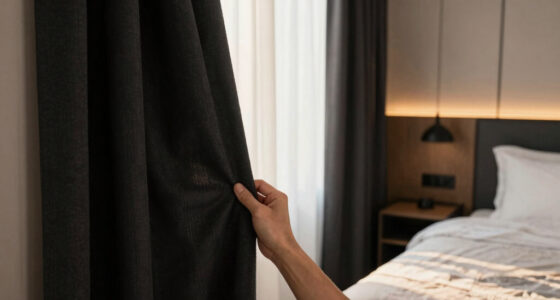
Blackout curtains are made of thick, plush fabrics that stop nearly 100% of light when closed. They’re like a heavy blanket for your window—perfect for deep sleep or movie nights. Blackout blinds, especially roller or cellular styles, use specialized fabrics or layered mechanisms that achieve similar darkness, but with a sleeker look.
Imagine a bedroom at noon: curtains completely turn off the sunlight, creating a cozy cave, while blinds block most but sometimes let in tiny rays around the edges. Both can achieve a near-total blackout, but curtains tend to be more foolproof. This is because curtains, especially heavy, lined varieties, provide a physical barrier that is less susceptible to light seepage through gaps or around edges. Blinds, while effective, often have small gaps or require precise installation to prevent light leakage, which can make them slightly less reliable in completely darkening a room. Therefore, if your priority is absolute darkness, curtains generally offer a more consistent solution, especially in rooms where even a tiny amount of light can disturb sleep or relaxation.
As an affiliate, we earn on qualifying purchases.
Picking the Look: Soft and Cozy or Sleek and Modern?
If you love a warm, inviting space, curtains are your friend. They drape beautifully and come in endless fabrics, patterns, and textures. Picture a cozy bedroom with velvet drapes that soften the room’s edges and add a touch of luxury.
Blinds, on the other hand, bring a clean, minimalist vibe. Think of a sleek kitchen with white roller blinds, or a modern office with slim Venetian shades. They’re easy to coordinate with contemporary decor and often look less bulky.
Choosing between them isn’t just about aesthetics—consider the atmosphere you want to create. Curtains tend to add a sense of softness, warmth, and even sound absorption, making a room feel more intimate and plush. They can also be tailored to match or contrast your decor for a more personalized look. Blinds, however, lend a streamlined appearance that works well in modern, minimalist, or functional spaces where clutter and visual noise are minimized. The choice impacts not just style but also how the space feels—cozy versus sleek—and can influence your overall comfort and ambiance.
As an affiliate, we earn on qualifying purchases.
Which Fits Your Space Better? Room-by-Room Breakdown
| Room Type | Best Choice | Why |
|---|---|---|
| Bedroom | Blackout curtains | Offer insulation and a cozy feel, blocking light completely for restful sleep. They also help regulate room temperature, keeping it warmer in winter and cooler in summer, which enhances comfort and sleep quality. |
| Living Room | Decorative curtains | Allow light control while adding style and warmth. They can be opened to let in natural light or drawn for privacy, making them versatile for social and relaxing spaces. |
| Kitchen | Blinds | Easy to clean and maintain, resist moisture better. They can be quickly wiped down after cooking splatters or spills, maintaining a fresh look without much fuss. |
| Bathroom | Moisture-resistant blinds | Prevent mold and are quick to wipe down. Their durable surfaces withstand humidity, ensuring longevity and hygiene in damp environments. |
thermal insulated blackout curtains
As an affiliate, we earn on qualifying purchases.
As an affiliate, we earn on qualifying purchases.
Energy Saving and Insulation—What Really Works
Blackout curtains, especially thick ones, can cut heating and cooling costs by up to 25%. They trap heat in winter and block drafts. Cellular blinds, with their honeycomb structure, trap air and act as insulators, making both options smart choices for energy efficiency.
For example, a bedroom with heavy blackout curtains stayed warmer during a cold snap, saving on heating bills. Meanwhile, cellular blinds kept a home office cooler during a summer heatwave.
Both options help improve comfort—choose based on your climate and room needs. Thick curtains create a thermal barrier that reduces heat exchange through the window, which is especially beneficial in colder climates. Cellular blinds, by trapping air in their honeycomb cells, provide a similar insulating effect but with a more modern, unobtrusive appearance. The tradeoff is that curtains can be bulky and may require more space when drawn, while blinds are typically more space-efficient. Consider your climate, window size, and aesthetic preferences when deciding which to prioritize for energy savings.
As an affiliate, we earn on qualifying purchases.
Ease of Use and Maintenance—What’s Less Hassle?
Blackout curtains can be a chore—they need washing or dry cleaning if they get dusty or stained. Heavy fabrics can be cumbersome to open and close, especially in large windows. Over time, they may fade or become less effective if not properly cared for, which can lead to additional costs or effort.
Blinds are generally easier. Most can be wiped clean with a damp cloth, and many come with motorized controls that allow you to operate them with a remote or smart device. This convenience is especially valuable in hard-to-reach or large windows, where manual operation might be tedious. Additionally, blinds tend to retain their appearance longer with less maintenance, making them a practical choice for busy households or spaces where ease of use is a priority.
Consider your routine: if you prefer minimal effort and quick adjustments, blinds are the better choice. If you don’t mind regular cleaning or want a more luxurious look that may require occasional professional maintenance, curtains could still be suitable.
The Latest Tech and Trends in Blackout Window Coverings
Smart, motorized blackout blinds can now sync with your home system—set schedules, control remotely, or integrate with voice commands. Imagine opening your blinds with a voice command or scheduling them to close at sunset. This technology not only adds convenience but also enhances energy efficiency by optimizing natural light and temperature control based on your routine.
Eco-friendly fabrics made from recycled materials are increasingly available, helping you sleep well while being kind to the planet. Dual-layer designs marry blackout fabrics with sheer or decorative layers, giving you versatility in light control and style. These layered options allow for quick adjustments—switch from full blackout to a softer ambiance without changing the entire covering—adding flexibility and style to your space.
Plus, new insulating cellular blinds are more effective and stylish than ever, blending function with form. The latest innovations emphasize not just blackout capabilities but also sustainability, ease of operation, and aesthetic appeal, making them a compelling choice for modern homes.
Cost, Durability, and Which Lasts Longer?
In general, blinds are more affordable initially and tend to last longer with less wear. Fabric curtains might need replacing after a few years or frequent washing, especially if they’re delicate or heavy. Over time, curtains can fade, fray, or become less effective at blocking light, which can lead to additional costs for replacement or repairs.
For durability, aluminum or composite blinds resist warping and damage better than fabric. They are also less susceptible to mold or mildew in humid environments. However, if you want a luxurious look that lasts, high-quality blackout curtains made from durable fabrics, with proper care, can serve for many years and provide a timeless aesthetic. The key tradeoff is that curtains often require more careful maintenance, such as professional cleaning, to keep them looking their best. Your choice should balance initial investment, maintenance effort, and longevity based on your lifestyle and aesthetic preferences.
Can You Use Both? Layering for Maximum Darkness
Yes! Layering blackout curtains over blinds offers the best of both worlds—complete darkness, stylish decor, and maximum flexibility. Imagine closing your blinds during the day to control light and then drawing thick curtains at night for total blackout and added insulation. This layered approach not only enhances darkness but also provides extra thermal protection, which can be especially beneficial in extreme climates.
This combo allows you to customize your environment precisely—use the blinds for everyday light control and the curtains when you need complete darkness or extra insulation. It’s a practical solution for shift workers, parents with young children, or anyone who wants to optimize their sleep environment while maintaining aesthetic flexibility.
How to Pick the Perfect Fit for Your Room
- Assess your room’s needs—do you want total darkness, insulation, or style?
- Measure your windows carefully—width, height, and whether you want extra coverage or just the glass.
- Decide on your style—cozy fabric or sleek, modern blinds.
- Consider maintenance and budget—are you okay with washing curtains or prefer easy-to-wipe blinds?
- Think about technology—do you want remote control or smart features?
Follow these steps, and you’ll find the window covering that fits your space, lifestyle, and budget perfectly.
Frequently Asked Questions
Which is better for a bedroom—blackout curtains or blinds?
Both work well, but blackout curtains often provide better insulation and a softer look, making them ideal for bedrooms. Blinds are more practical and easier to clean if you prefer a sleek, low-profile style.Can blackout curtains be used in small rooms?
Yes, but in small rooms, heavy curtains can make the space feel more enclosed. Choosing lighter fabrics or shorter lengths can help keep the room feeling open and airy.Are blackout blinds suitable for humid environments like bathrooms?
Yes, especially if made from moisture-resistant materials. Regular cleaning helps prevent mold, and many styles are designed to withstand humidity.How do I choose between blackout curtains and blinds for insulation?
Thick blackout curtains are very effective for insulation, especially if lined with thermal fabric. Cellular (honeycomb) blinds are also excellent, trapping air to boost energy efficiency.Can I layer curtains over blinds for better blackout control?
Absolutely! Layering provides maximum darkness, insulation, and style options. It’s a smart way to customize your sleep environment and control light precisely.Conclusion
Both blackout curtains and blinds have their strengths—think about your room’s function and your style for the best fit. Remember, a well-chosen blackout solution can transform your sleep quality and comfort, night after night.
So, next time you’re shopping for window coverings, picture that dark, peaceful room you crave—then pick the option that makes it a reality.
Columbus Day / Indigenous Peoples' Day Picks
long weekend sales
As an affiliate, we earn on qualifying purchases.