
TL;DR

Get wellness gear delivered free with Prime
- Fast, free delivery on millions of items
- Prime Video, Amazon Music and more included
- Member-only deals all year
Darkness triggers your body’s melatonin production, helping you fall asleep faster and sleep more soundly. Using blackout curtains, dimming lights, and avoiding screens can enhance your wind-down routine and boost sleep quality.
Imagine trying to fall asleep in a room flooded with bright streetlights or the glow of your phone screen. It’s like trying to drift off in the middle of daytime. Darkness isn’t just about comfort; it’s a vital signal your body uses to switch gears from wakefulness to rest. In this guide, you’ll learn how darkness shapes your wind-down routine, why it matters, and simple ways to turn your bedroom into a sleep-friendly sanctuary.
Whether you’re a night owl, a shift worker, or simply someone who struggles to shut off at night, understanding how darkness influences your sleep can make a real difference. It’s not just about avoiding light—it’s about creating an environment that whispers, ‘It’s time to sleep,’ to your brain. Ready to make your nights darker, calmer, and more restful?
Darkness triggers melatonin, helping you fall asleep faster and stay asleep longer.
Even small sources of light, like clocks or screens, can significantly disrupt sleep quality.
Using blackout curtains, sleep masks, and dim lighting creates a sleep-friendly environment.
Blue light from screens suppresses melatonin and should be minimized after sunset.
Consistently dark bedrooms improve not just sleep, but also mood and mental health.
Why Darkness is Your Brain’s Favorite Sleep Signal
Darkness is the green light your brain needs to produce melatonin, the hormone that tells your body, ‘It’s time to wind down.’ When your environment is dark, your brain recognizes it as a cue that sleep is imminent, triggering the pineal gland to release melatonin. This hormone doesn’t just make you sleepy; it orchestrates various physiological processes that prepare your body for rest, such as lowering body temperature and slowing your heart rate. Without adequate darkness, these processes are delayed or diminished, making it harder to fall asleep and reducing sleep quality.
For example, a person who scrolls through social media in bed might find it harder to drift off, even if they’re tired. Their brain gets mixed messages: ‘It’s dark outside,’ but ‘there’s a bright screen right here.’ This confusion throws off your circadian rhythm, which is your internal clock that regulates sleep-wake cycles, leading to fragmented or less restorative sleep. Over time, consistent exposure to light during typical sleep hours can shift your circadian rhythm, making it more difficult to fall asleep at a regular time and wake up refreshed.
Research shows that even a small glow from a clock or a nightlight can suppress melatonin by nearly 50%, which can significantly impact your ability to fall into deep, restorative sleep stages. Recognizing the importance of darkness isn’t just about comfort—it’s about supporting the biological processes that ensure restful, rejuvenating sleep.
When your brain perceives darkness as an environment for sleep, it allows melatonin production to peak naturally, setting the stage for high-quality sleep. Conversely, exposure to light, especially blue light, signals your brain that it’s still daytime, which can delay or inhibit this hormonal response. This biological mechanism underscores why creating a dark environment is a tradeoff between convenience and health: sacrificing some immediate comfort (like using a nightlight or keeping screens on) in exchange for better sleep and long-term well-being.
As an affiliate, we earn on qualifying purchases.
How Light Pollution and Indoor Lighting Sabotage Your Nightly Rest
Light pollution isn’t just an outdoor problem—it sneaks into your bedroom too. Bright screens, overhead lights, and even the glow of a digital clock all chip away at your sleep quality. This excess light confuses your internal clock, disrupting the natural rise and fall of melatonin, which is essential for signaling your body to prepare for sleep. When your environment is brightly lit, your circadian rhythm can be pushed off schedule, leading to difficulty falling asleep or lighter, less restorative sleep.
Imagine trying to wind down after a busy day, only to be greeted by the harsh glow of a bedside lamp or a smartphone screen. This bright light signals your brain to stay alert, delaying the melatonin surge that should occur in the evening. The longer your brain perceives light as present, the more it suppresses melatonin production, making it harder to transition into sleep. Over time, this can create a cycle of sleep deprivation, daytime fatigue, and reduced cognitive function.
Understanding the impact of different lighting types helps you make smarter choices. For instance, bright white LEDs can suppress melatonin by up to 60%, significantly delaying sleep onset, while warm, dim lighting supports the body’s natural sleep signals. The tradeoff is between convenience and sleep quality—opting for softer lighting may feel less bright but is more conducive to restful sleep. Small adjustments, like switching to dim, warm lamps and avoiding screens an hour before bed, can restore your body’s natural rhythm and improve overall sleep health.
It’s important to recognize that the biological implications of light are not just about immediate sleep onset but also about overall circadian health. Disrupting your internal clock with excessive or poorly timed light exposure can lead to long-term issues such as metabolic problems, mood disorders, and increased risk of chronic diseases. Therefore, managing indoor lighting isn’t merely about comfort—it’s a crucial aspect of maintaining your overall health and biological rhythm.
As an affiliate, we earn on qualifying purchases.
Simple Ways to Turn Your Bedroom into a Darkness Haven
Creating a dark environment doesn’t require fancy gadgets. It’s often about small, intentional changes. Here are five quick tips:
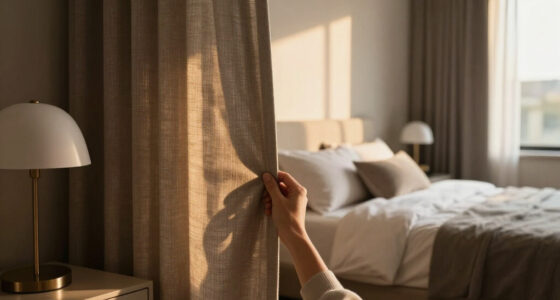
- Install blackout curtains to block out streetlights and early dawn, which can otherwise seep into your room and trick your brain into thinking it’s daytime, delaying melatonin production.
- Use a sleep mask if curtains aren’t enough or your room has residual light. A well-fitting sleep mask can provide a barrier that signals your brain it’s time to sleep, especially if external sources are unavoidable.
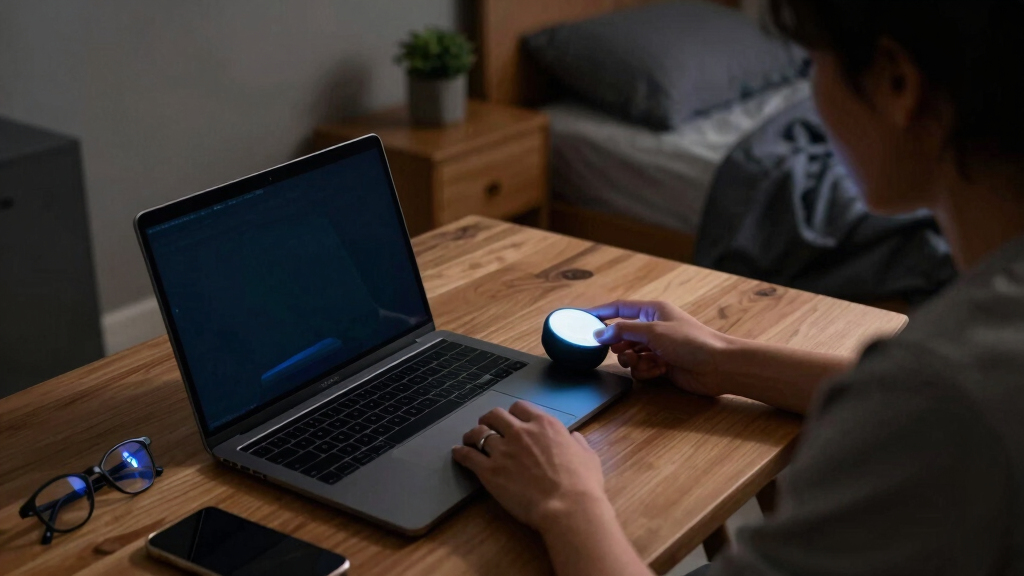
- Limit screen time an hour before bed, and switch to dim, warm lamps if needed. This reduces blue light exposure, allowing melatonin to rise naturally and helping your body prepare for sleep.
- Turn off digital clocks and appliances that emit glow. Even tiny sources of light can interfere with your sleep signals, so eliminating these helps reinforce a dark environment.
- Set a consistent bedtime to reinforce your body’s sleep signals. Regular sleep and wake times help synchronize your circadian rhythm, making it easier to fall asleep and wake up refreshed.
For example, one shift worker found that switching to blackout curtains and a sleep mask reduced their sleep onset time from 40 minutes to just 15 minutes, illustrating how these small environmental changes can have a big impact. Remember, the aim isn’t absolute darkness—rather, it’s about minimizing disruptive light and creating a clear signal for your brain that it’s time for rest. These simple steps can significantly improve sleep quality and overall well-being.
However, it’s vital to understand that the degree of darkness needed can vary among individuals. While some thrive in complete darkness, others might find a very dim nightlight helpful without disrupting sleep. The key is to find a balance that allows your body to produce enough melatonin without feeling anxious or uncomfortable. Experimentation with different levels of darkness can help identify what best supports your sleep quality and overall health.
As an affiliate, we earn on qualifying purchases.
How Darkness Boosts Your Sleep Quality and Mood
Darkness isn’t just about falling asleep faster; it also deepens your sleep and lifts your mood. When your environment is properly dark, you spend more time in the restorative stages of sleep, such as REM and deep slow-wave sleep. These stages are crucial for physical repair, memory consolidation, and emotional regulation. The more your sleep cycle is uninterrupted by light, the more your body can complete these vital processes, which means waking up feeling more refreshed and less groggy.
For instance, many people report feeling happier, more energized, and less anxious after a week of sleeping in a dark room. This isn’t coincidence; darkness helps signal to your brain that it’s time to repair and reset, fostering mental clarity and emotional stability. Additionally, consistent darkness may help regulate hormones related to mood, like serotonin, which is influenced by melatonin levels. When melatonin production is optimal, your overall mental health improves, reducing symptoms of depression and anxiety.
So, if you’re battling nighttime anxiety or waking up feeling drained, ensuring total darkness might be a simple yet powerful intervention. It creates an environment that supports not just physical rest but also emotional resilience and mental health, underscoring the deep connection between sleep environment and overall well-being.
As an affiliate, we earn on qualifying purchases.
What Happens When You Skip Darkness and Use Light Instead
If you ignore darkness, your sleep can suffer significantly. Exposure to light, especially blue light emitted by screens, can delay melatonin production by up to 2 hours. This delay means your body perceives it’s still daytime, making it harder to fall asleep and reducing the quality of sleep you get. Over time, this can lead to a chronic sleep deficit, impairing cognitive function, mood, and immune health.
Picture this: you finish your evening workout, then sit with your phone, scrolling for an hour. The blue light from your screen signals your brain that it’s still daytime, suppressing melatonin and preventing your body from entering the sleep cycle. This pattern not only delays sleep onset but also fragments your sleep during the night, resulting in less time spent in restorative sleep stages. The cumulative effect can be daytime fatigue, decreased productivity, and mood disturbances.
Research confirms that people who use screens before bed sleep on average 30 minutes less than those who avoid them, which can add up to a significant loss of restorative sleep over time. To counteract this, try using blue light filters or wearing glasses that block blue wavelengths after sunset. These small adjustments help your body produce melatonin naturally, restoring your sleep cycle and improving overall sleep quality, mood, and daytime functioning.
Ignoring the importance of darkness and allowing light to intrude into your sleep environment is a tradeoff that can have long-lasting health implications. Chronic suppression of melatonin not only hampers sleep but is also linked to increased risks of metabolic disorders, cardiovascular disease, and mental health issues. Therefore, minimizing light at night is not just a habit—it’s a critical component of maintaining your biological clock and overall health.
Frequently Asked Questions
How quickly does darkness influence melatonin production?
Melatonin levels begin to rise within 30 to 60 minutes of reduced light exposure. Creating a dark environment in the hour before bed helps your body prepare for sleep naturally.
Can sleeping in complete darkness cause any issues?
Most people find that complete darkness helps improve sleep quality. However, if you have specific health conditions or anxiety about darkness, consult a healthcare professional. For the majority, total darkness supports better rest.
What’s the best way to block out streetlight if my curtains aren’t enough?
Use blackout curtains combined with a sleep mask for the most effective darkness. This combo blocks external light and ensures minimal disruption, helping your body stick to its sleep signals.
Does blue light from screens really affect sleep?
Yes, blue light suppresses melatonin more than other wavelengths, delaying sleep by up to 2 hours. Using blue light filters or glasses after sunset can significantly reduce this impact.
Is some light acceptable during sleep?
Some people sleep with a very dim nightlight, and it doesn’t seem to interfere much. However, the darker the environment, the better your sleep quality tends to be. Experiment to see what works best for you.
Conclusion
Darkness isn’t just a backdrop for sleep—it’s a key player in your nightly routine. Simple steps like blackout curtains or a sleep mask turn your bedroom into a sanctuary where your brain can fully switch into rest mode. The result? Faster sleep, deeper rest, and mornings that start with a clearer mind.
The next time you wind down, think about how you’re setting the stage for sleep. A darker room might just be the easiest, most effective upgrade you can make for your nights—and your days.
Halloween Picks
halloween
As an affiliate, we earn on qualifying purchases.