
TL;DR

Get wellness gear delivered free with Prime
- Fast, free delivery on millions of items
- Prime Video, Amazon Music and more included
- Member-only deals all year
Darkening a nursery improves sleep, but it can also trap heat and reduce airflow. Using breathable window coverings, smart ventilation, and natural light control creates a cozy, dark space that stays fresh and inviting.
Breathable, light-blocking window treatments like cellular shades balance darkness with airflow, reducing the risk of stuffiness.
Natural ventilation—opening windows during cooler hours—keeps the nursery fresh and prevents overheating.
Decor choices like light-colored walls and reflective surfaces make a darkened nursery feel brighter and more inviting.
Always prioritize safety with cordless, non-toxic, and flame-retardant window coverings suited for nurseries.
Maintaining a room temperature of 68-72°F with proper airflow creates the ideal sleep environment without trapping heat.
How to Darken a Nursery Without Making It Stuffy
TL;DR: A darker nursery can help babies fall asleep faster and stay asleep longer, but heavy window layers can trap heat. The better strategy is breathable darkness: light-blocking treatments, gentle ventilation, and decor that keeps the room calm without feeling closed in.
Dark enough for sleep, fresh enough for comfort.
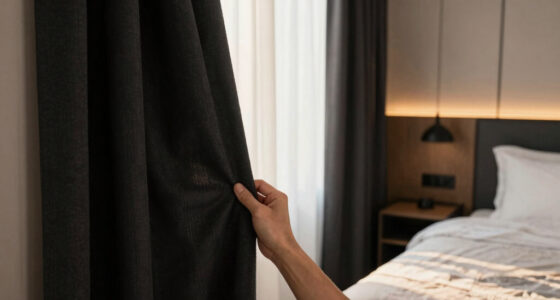
Think shaded canopy, not sealed cave: soft darkness, steady airflow, and a room temperature that stays in the infant-friendly comfort zone.
Darkness supports circadian rhythm and nap consistency.
Fresh air exchange helps prevent heat and stale air.
Linen blends and cotton breathe better than heavy synthetics.
Nursery coverings should be non-toxic and child-safe.
Pale surfaces keep darkened spaces inviting.
Block the light without blocking the room’s ability to breathe.
Babies benefit from a consistent sleep cue, and darkness is one of the clearest cues you can give. The catch is heat: overly sealed rooms can create a small warm pocket around the crib. Breathable fabric, smart shade design, and controlled ventilation keep the nursery dark, cool, and calm.
Breathable blackout curtains
Choose linen blends or lightweight cotton with blackout lining. They soften the room, block glare, and reduce heat buildup better than dense, heavy panels.
Cellular shades
Honeycomb cells help regulate temperature while darkening the room. They are especially useful when you need blackout performance without bulky fabric.
Blackout window films
Adhesive films block sunlight without adding bulk. Pair them with a fan or ventilated window because film itself does not improve air circulation.
A cooler nursery comes from timing, movement, and control.
Open windows during cooler hours, then darken the room before sleep. A ceiling or oscillating fan can distribute fresh air gently, while breathable coverings preserve darkness without trapping warmth.
Vent early
Open windows in cooler morning or evening periods to release stale air.
Darken gradually
Lower shades or curtains as sunlight intensifies or nap time approaches.
Move air gently
Use a fan away from the crib to prevent stagnant warm pockets.
Check comfort
Target the 68-72°F range and avoid direct drafts.
Keep it safe
Use cordless, secure, non-toxic nursery window treatments.
Popular light-blocking options, side by side.
Each option can work well. The right choice depends on whether your biggest priority is full blackout, airflow, insulation, renter-friendly setup, or a polished nursery look.
| Feature | Blackout Curtains | Cellular Shades | Blackout Window Films |
|---|---|---|---|
| Light Blocking | ✓ Very effective, fabric-based | ✓ Excellent, insulative design | ✓ Very effective, film-based |
| Breathability | ~ Depends on fabric choice | ✓ Strong balance of airflow and insulation | ✗ Limited airflow benefit |
| Temperature Control | ~ Good with lighter natural fibers | ✓ Best for heat regulation | ~ Better with reflective tint |
| Installation | ✓ Simple rod or hooks | ~ May need precise fit | ✓ Quick adhesive setup |
| Best For | Style flexibility and full room softness | Modern blackout with insulation | Renters and temporary darkening |
The comfort sweet spot is measured, not guessed.
Darkness matters most during sleep, while airflow and temperature matter all day. Use the nursery’s temperature range, window covering breathability, and installation constraints as practical decision filters.
Room temperature target
Maintain a nursery temperature of 68-72°F with steady airflow to reduce overheating risk while keeping the sleep space cozy.
Make the nursery feel calm, not closed in.
A dark nursery does not need to feel gloomy. Light walls, soft neutral ceilings, reflective accents, and adjustable coverings let the room shift from bright and playful during the day to quiet and sleep-ready at nap time.
Use pale surfaces
Soft whites, pastels, and warm neutrals bounce available light so the nursery still feels spacious when window treatments are open.
Avoid sealed layers
Skip thick stacks of heavy fabric when possible. Pair one strong blackout layer with ventilation instead of piling on heat-trapping materials.
The simple formula for a cool, dark nursery.
Think of the nursery as a connected system. A change at the window affects light, heat, airflow, safety, and mood.
- Best all-around pick: cellular shades for blackout plus temperature regulation.
- Best cozy pick: breathable blackout curtains in linen or cotton blends.
- Best renter pick: removable blackout film with separate airflow support.
- Best daily habit: ventilate during cooler hours before darkening for sleep.
Why Breathable Darkness Matters for Your Baby’s Sleep
Darkness helps regulate your baby’s sleep cycle, making it easier to fall asleep and stay asleep. But dark doesn’t have to mean stuffy. Choosing breathable materials ensures that air flows freely, preventing overheating and stuffiness. Think of it like a gentle breeze through a shaded canopy—cool, refreshing, and calming.
For example, a parent might use lightweight, natural-fiber blackout curtains that block sunlight but still let air pass. This way, the room stays dark enough for naps but doesn’t trap heat or create a stuffy environment.
According to An Alarm Clock, rooms that are too sealed off can trap heat, especially in warmer months, leading to discomfort and disrupted sleep. The key is finding a balance between darkness and airflow. If a room is overly sealed, it can create a microclimate that traps heat and humidity, which can cause your baby to become sweaty or uncomfortable, ultimately disrupting sleep. Conversely, too much airflow might let in cold drafts or noise, which can also disturb rest. The goal is to select materials and ventilation methods that allow for a gentle exchange of air—enough to prevent stuffiness but not so much that it compromises darkness or comfort. This balance enhances sleep quality and supports your baby’s overall health by maintaining a stable, comfortable environment.
breathable blackout window shades for nursery
As an affiliate, we earn on qualifying purchases.
As an affiliate, we earn on qualifying purchases.
3 Ways to Darken Your Nursery Without Making It Too Hot
- Choose breathable blackout curtains: Look for fabrics like linen blends or lightweight cotton with a blackout lining. These fabrics are not only effective at blocking light but also allow air to pass through, which helps prevent heat buildup. The tradeoff here is that thicker, heavy fabrics might trap more heat, so opting for lighter, natural fibers balances light-blocking with breathability. Many modern curtains incorporate a soft, silky texture that adds coziness without sacrificing airflow, making them suitable for sensitive nurseries.
- Use cellular (honeycomb) shades: These shades are designed with a honeycomb structure that traps air within each cell, providing insulation that keeps the room cooler in summer and warmer in winter. Their insulative properties mean they help regulate temperature, preventing the room from overheating during warm days. The tradeoff is that while they excel at temperature control and light blocking, they can be a bit more expensive and might require professional installation for an optimal fit. Their sleek design also minimizes bulk, maintaining the nursery’s aesthetic appeal.
- Install blackout window films: These adhesive films stick directly on the glass and are a non-permanent solution. They effectively block out sunlight, but since they are a film, they do not allow air to pass through the glass. This means they won’t contribute to airflow, so combining them with a ventilated window or fan is essential. The advantage is that they are easy to remove if needed, making them ideal for renters or temporary settings. When choosing films, consider ones with reflective or tinted properties to enhance heat rejection, further helping to keep the nursery cool and dark without sacrificing ventilation.
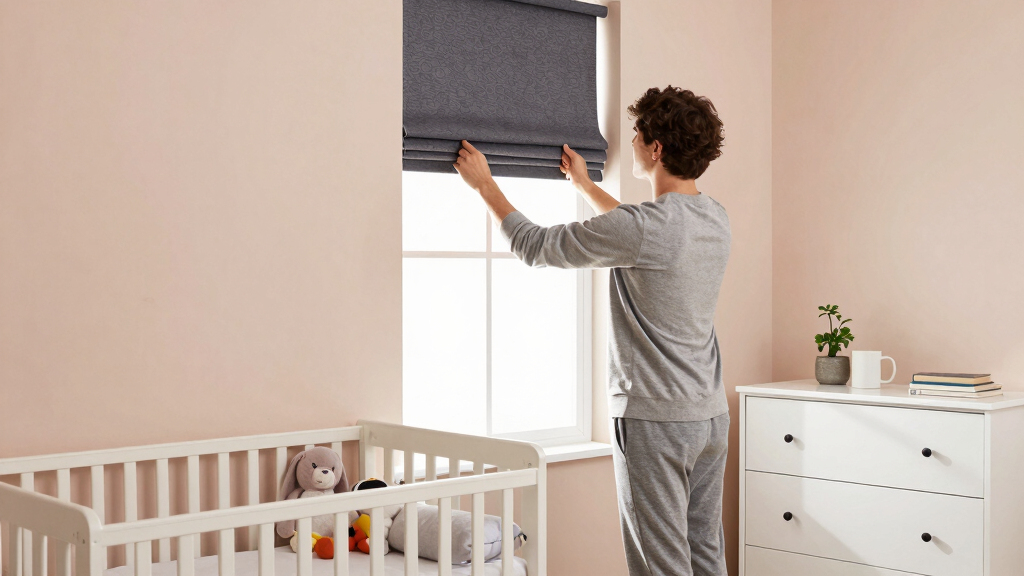
Imagine a parent adjusting a motorized cellular shade with a remote, gradually darkening the room as the sun dips. This flexibility keeps the space cozy without overheating, and the ability to control light levels precisely allows for a tailored sleep environment. The key is understanding that each method involves tradeoffs—balancing light control, heat retention, ease of installation, and cost—to find what works best for your nursery’s unique needs.
cordless blackout roller shades for baby room
As an affiliate, we earn on qualifying purchases.
As an affiliate, we earn on qualifying purchases.
Compare Popular Light-Blocking Window Options
| Feature | Blackout Curtains | Cellular Shades | Blackout Window Films |
|---|---|---|---|
| Light Blocking | Very effective, fabric-based | Excellent, insulative, fabric or faux wood | Very effective, film-based |
| Breathability | Depends on fabric, natural fibers preferred | High, honeycomb design allows air flow | Limited, air doesn’t pass through film |
| Ease of Installation | Simple, requires rods or hooks | Easy, mounted inside window frame | Quick, sticks directly on glass |
| Best For | Full room blackout, style flexibility | Insulation + blackout, modern look | Quick fix, renter-friendly |
Choosing the right option depends on your priorities—style, insulation, ease of use, or quick installation. Consider how each option’s properties align with your needs for sleep quality, safety, and convenience. For instance, cellular shades offer superior insulation and airflow but may involve higher upfront costs, while blackout films provide a quick, temporary solution without sacrificing ventilation. Weighing these factors helps you make an informed choice that balances comfort, safety, and practicality in your nursery environment.
ventilated blackout curtains for nursery
As an affiliate, we earn on qualifying purchases.
As an affiliate, we earn on qualifying purchases.
How to Keep the Room Cool and Well-Ventilated Naturally
Natural ventilation is your best friend for a nursery that’s dark and fresh. Opening windows during cooler mornings or evenings allows fresh air and natural scents to fill the space, creating a calming environment that promotes better sleep. Proper airflow helps remove stale air, humidity, and excess heat, which are common culprits of stuffiness and discomfort. When using windows, consider the implications: open them just enough to create cross-ventilation without letting in outdoor noise or drafts that could wake your baby. Using a ceiling fan or oscillating fan to direct airflow enhances this natural method, distributing fresh air evenly throughout the room.
Research shows that consistent, gentle airflow not only helps prevent stuffiness but also stabilizes temperature fluctuations, which is vital for sleep quality. However, be mindful of safety—never leave windows open unsupervised or without proper guards, especially in high-rise buildings. Combining natural ventilation with breathable window coverings ensures the room remains dark, cool, and fresh, providing an optimal environment for restful sleep and healthy development.
non-toxic cellular shades for nursery
As an affiliate, we earn on qualifying purchases.
As an affiliate, we earn on qualifying purchases.
Decor Tips to Make a Dark Nursery Feel Bright and Inviting
Light-colored walls and reflective surfaces can make a darkened room feel less closed-in. Think soft, pastel shades or warm neutrals that bounce light around. Mirrors, especially opposite windows, amplify natural light when it filters in, creating an illusion of space and brightness. Incorporating playful or cheerful wall art with reflective or glossy finishes can also add to the sense of openness. These design choices help counteract the natural tendency of a darkened nursery to feel enclosed or gloomy, making it more inviting during the day. The goal is to balance the need for darkness during sleep with daytime brightness that energizes and comforts your baby.
Imagine a nursery with a soft blush wall, a shiny white crib, and a playful mirror above the changing table. These elements work together to keep the space feeling airy, even when it’s darkened for sleep. This approach emphasizes that the right decor can enhance the environment, making it versatile and welcoming no matter the lighting conditions.
Quick Tips to Keep Your Nursery Calm, Dark, and Comfortable
- Use lightweight, natural fabrics for curtains and bedding to promote airflow and reduce heat retention.
- Open windows during cooler times of day—morning and evening—to introduce fresh air and natural light control without overheating.
- Choose window coverings that combine effective light-blocking with breathability, such as cellular shades or natural-fiber curtains.
- Add a mirror or reflective surfaces to bounce natural light and create an illusion of space, making the room feel brighter during the day.
- Maintain room temperature between 68-72°F (20-22°C) and use fans or ventilation to ensure consistent airflow, preventing stuffiness and heat buildup.
These small adjustments collectively create a nursery environment that is not only conducive to restful sleep but also feels welcoming and comfortable during waking hours. Prioritizing both darkness and airflow ensures your baby’s environment supports healthy sleep patterns and overall well-being.
Frequently Asked Questions
How can I darken my nursery without making it too hot or stuffy?
Choose breathable blackout curtains or cellular shades paired with natural ventilation. Use fans or open windows during cooler times to keep the air fresh and prevent heat buildup.What are the safest window coverings for a nursery?
Look for cordless, non-toxic options like cellular shades or flame-retardant blackout curtains. These minimize hazards and are gentle on your baby’s environment.Are blackout curtains or shades better for a nursery?
Both work well, but cellular shades offer the added benefit of insulation and better airflow, making them a popular choice for a balanced sleep space.How do I balance darkness with natural light and fresh air?
Use adjustable window coverings and open windows during cooler parts of the day. This creates a dark, airy environment that promotes restful sleep.Can I use blackout window films instead of curtains?
Yes, they block out light effectively and don’t reduce airflow. Just ensure they are installed properly to avoid trapping air or creating uneven surfaces.Conclusion
Darkening your nursery doesn’t mean sealing it off from fresh air. Think of it as creating a cozy, shaded canopy—calm and cool, yet breathable and inviting. With smart choices, you can help your little one drift into restful sleep without feeling stuffy or closed in.Columbus Day / Indigenous Peoples' Day Picks
long weekend sales
As an affiliate, we earn on qualifying purchases.