TL;DR
Listen free for 30 days with Audible
Thousands of audiobooks and originals — cancel anytime.
Start your free trialAs an affiliate, we earn on qualifying purchases.
Your bedtime reading habits matter. Paper, E-Ink, and lighting choices all influence sleep. Using dim, warm, and distraction-free options helps your body wind down naturally.
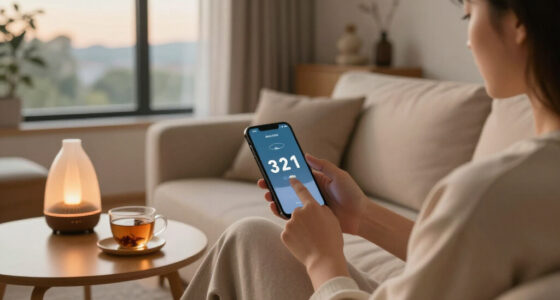
Imagine curling up with your favorite book, a warm cup of tea nearby, and the soft glow of a bedside lamp. It’s a cozy ritual, but the way you light up your reading can quietly tip the scales between restful sleep and tossing in bed. The truth is, the technology and environment you choose for bedtime reading shape how easily you drift off—and how refreshed you feel in the morning.
This guide breaks down your options: paper books, E-Ink readers, and screens on phones or tablets. You’ll learn how each affects your sleep, what lighting matters most, and simple tweaks that turn your nightly ritual into a sleep-supporting routine.
Use paper or E-Ink with warm, dim lighting for the most sleep-friendly reading experience.
Avoid bright overhead lights and screens with high brightness or blue light in the hour before bed.
Disabling notifications and avoiding stimulating content helps your brain wind down.
Position lamps to illuminate pages without shining directly into your eyes, reducing circadian disruption.
Stop screen or device use at least 30 minutes before sleep and stick to a calming routine.
A practical guide to calmer nights
Reading Before Bed: Paper, E-Ink, and Light Choices
Bedtime reading can help the mind shift into rest mode—but the device, light level, exposure time, and content all shape the result. The most sleep-supportive setup is dim, warm, focused, and free from interruptions.
3
Main reading formats
30–60
Minutes to limit bright screens before bed
4
Core controls: brightness, warmth, distance, duration
1
Best rule: keep the ritual calm
Three routes into the same story
Reading itself is rarely the main problem. What matters is how much light reaches the eyes and whether the experience invites relaxation—or another round of tapping, scrolling, and checking.
Paper book
Paper emits no light and offers no notifications. Its sleep impact depends almost entirely on the room or bedside lamp used to illuminate the page.
Best setup
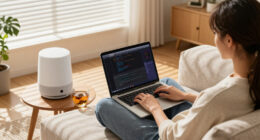
Use a dim, warm, focused lamp positioned away from the direct line of sight.
E-Ink reader
E-Ink resembles paper, supports larger type, and usually offers fewer distractions. A front light still sends some light toward the eyes, so settings matter.
Best setup
Lower the brightness, select a warm tone, enlarge the type, and disable wireless distractions.
Phone or tablet
LCD and OLED screens emit light directly and place stimulating apps within reach. Night mode helps, but high brightness and engaging content can still delay sleep.
Best setup
Dim aggressively, use a warm filter, silence alerts, and stop at least 30 minutes before sleep.
Blue light is only part of the picture
Short-wavelength blue-cyan light strongly affects circadian timing, but color alone cannot predict sleep disruption. A very bright warm screen may create a stronger signal than a dimmer, cooler one.
Lowering intensity reduces the amount of light reaching the retina.
A short reading session is generally less disruptive than prolonged late-night use.
Large, nearby screens can deliver more light to the eyes than smaller, more distant sources.
Warm modes can help most when they also reduce total brightness.
Qualitative priority guide—not a clinical measurement or fixed percentage scale.
Bedtime reading, side by side
No format is automatically perfect or harmful. Paper can be undermined by bright ceiling light, while a carefully configured E-Ink reader may be gentler than a paper book under a harsh bulb.
| Decision factor | Paper | E-Ink | Phone / tablet |
|---|---|---|---|
| Direct light emission | ✓None | ~Low or optional | ✕Continuous |
| Distraction risk | ✓Very low | ~Usually low | ✕High |
| Warm-light control | ~Lamp dependent | ✓Common on newer models | ~Filter dependent |
| Adjustable type | ✕Fixed | ✓Highly adjustable | ✓Adjustable |
| Typical bedtime fit | ✓Excellent with a dim lamp | ✓Strong when tuned | ✕Use cautiously |
A five-step path from reading to sleep
The strongest routine manages both the visual environment and mental arousal. Calming content, predictable timing, and a clear stopping point help the brain recognize that the day is ending.
Dim
Reduce overhead and device brightness before reading begins.
Warm
Choose amber-toned light without sacrificing comfortable visibility.
Focus
Aim the lamp at the page, not directly toward the eyes.
Disconnect
Disable notifications, messaging, browsing, and endless scrolling.
Close
End device use at least 30 minutes before the intended sleep time.
Choose paper or a warm, dim E-Ink reader. Keep the light focused, the story calming, and the session finite. If a phone or tablet is necessary, lower brightness as far as comfortable and remove every avoidable interruption.
Why Light and Content Choices at Bedtime Matter More Than You Think
When you settle in with a book, your brain shifts gears. But light reaching your eyes, especially in the hour before sleep, can keep you awake longer. Bright, blue-rich light suppresses melatonin—the sleep hormone—making falling asleep tougher. This disruption can lead to delayed sleep onset and poorer sleep quality, affecting how restorative your sleep is. Additionally, stimulating content or scrolling can heighten mental alertness, making it harder to unwind. Understanding these factors emphasizes that your environment and mental state are interconnected; managing both can significantly improve your sleep quality.
For example, reading a suspenseful mystery on your phone at 10 p.m. might make you stay awake an extra 30 minutes, even if you’re tired. Conversely, choosing a calming, familiar story under dim, warm light signals to your body that it’s time to relax, promoting quicker sleep onset and deeper rest. Recognizing the implications of light and content choices helps you craft a bedtime routine that supports your natural circadian rhythms and overall well-being.
As an affiliate, we earn on qualifying purchases.
Paper Books: No Light Emission, But Still Not Perfect
Paper books are inherently sleep-friendly because they don’t emit light, allowing your eyes to rest naturally. However, the lighting environment you use while reading can still influence your sleep. Bright overhead lights or white LED bulbs, especially if they are high in blue wavelengths, can suppress melatonin, the hormone responsible for signaling sleep. This suppression can delay your sleep onset and reduce sleep quality. The key is not just the absence of emitted light but how the ambient lighting interacts with your circadian system.
Imagine reading under a soft, warm-toned lamp. The amber glow avoids harsh glare and minimizes blue light exposure, helping maintain melatonin production. This creates an environment that mimics natural twilight, signaling to your body that it’s time to wind down. On the other hand, using a bright, cool-colored light, or a lamp with high lumen output, can send conflicting signals to your circadian clock, making it harder to relax fully. The tradeoff lies in balancing sufficient illumination for comfortable reading with the need to preserve your sleep hormones. Practical tips include choosing dimmer, warmer lighting and avoiding overhead or blue-rich light sources during your bedtime routine.
As an affiliate, we earn on qualifying purchases.
E-Ink Readers: A Middle Ground That Can Be Sleep-Friendly
E-Ink displays are designed to reflect ambient light, closely resembling the appearance of printed paper. This technology reduces the need for backlighting, which is a common source of circadian disruption. When combined with a front light that can be dimmed and warmed in color temperature, E-Ink devices can offer a reading experience that minimizes alerting blue light and maintains natural melatonin levels. The importance of adjusting the front light’s brightness and warmth is that it allows you to create a reading environment that signals relaxation, much like reading a physical book in low light.
Imagine reading your favorite novel on a sleek E-Ink device, set to a low, warm brightness, with notifications turned off. This setup reduces the likelihood of circadian disruption because the device neither emits harsh light nor stimulates alertness. The tradeoff involves ensuring the device’s settings are optimized: a low, warm front light and disabling distractions like notifications are crucial. Some models include adjustable color temperature, which can further enhance sleep compatibility. In essence, a well-configured E-Ink reader can serve as an excellent bridge between the comfort of paper and the convenience of digital technology, supporting healthy sleep patterns.
In practice, an E-Ink reader with low brightness, warm lighting, and no notifications offers a practical balance between convenience and sleep support.
blue light blocking glasses for reading
As an affiliate, we earn on qualifying purchases.
As an affiliate, we earn on qualifying purchases.
Phones and Tablets: Bright Screens That Keep You Awake
Smartphones and tablets with LCD or OLED screens emit high levels of light directly toward your eyes, often at high brightness settings. This light, especially blue wavelengths, is a potent signal to your brain that it’s daytime, suppressing melatonin and delaying sleep onset. The content on these screens—social media, videos, emails—can also be mentally stimulating, increasing arousal and making it difficult for your body to transition into sleep mode. The combined effect of bright, blue-rich light and engaging content creates a barrier to restful sleep, often leading to longer sleep latency and reduced sleep quality.
Imagine scrolling through social feeds or watching videos late at night, with a bright screen illuminating your face. This exposure confuses your circadian clock and hampers the natural sleep process. Even with night mode or blue light filters, the overall brightness and stimulating content can still interfere with melatonin production. The tradeoff is that these devices are highly engaging, making it tempting to stay connected, but this comes at the cost of sleep quality. Practical advice includes limiting usage to 30–60 minutes before bed, lowering screen brightness, enabling blue light filters, and turning off notifications to minimize arousal and circadian disruption.
As an affiliate, we earn on qualifying purchases.
Blue Light and Brightness: What Really Affects Your Sleep
Blue light, particularly in the short-wavelength spectrum, is known to strongly influence circadian regulation because it activates retinal cells that communicate with the brain’s clock. However, the impact isn’t solely about the blue hue—overall brightness, exposure duration, and proximity to the eyes are equally critical. Even a dim, warm-colored screen can be disruptive if it’s very bright or held close, because the intensity of light reaching your retina can suppress melatonin and increase alertness. Conversely, a low-brightness, cool-toned screen at a comfortable distance can be less disruptive, even if it emits some blue light.
Understanding this complexity underscores that blue light isn’t the only factor. The tradeoff involves balancing brightness, distance, and exposure time. For example, reducing brightness and increasing distance from your eyes can significantly diminish circadian impact, regardless of the blue light content. Evidence on blue-light blocking glasses is mixed; some users report benefits, while others see little change. They should be viewed as part of a broader strategy that includes dimming screens, limiting exposure time, and creating a relaxing environment. The key is to minimize overall circadian stimulation, not just blue light alone, to support natural sleep cycles.
Eye Strain vs. Sleep Disruption: Different Problems, Different Fixes
Eye strain and sleep disruption are often conflated but involve distinct mechanisms and solutions. Eye strain results from visual fatigue caused by small or poorly contrasted text, glare, and prolonged focus without blinking, leading to discomfort, headaches, and dry eyes. Addressing eye strain involves optimizing lighting, adjusting text size, and taking regular breaks to prevent physical discomfort. Sleep disruption, however, stems from light exposure, especially blue light, and mental arousal caused by stimulating content, which interfere with melatonin production and circadian rhythms. Even if you read on a low-brightness E-Ink device and avoid eye fatigue, you might still delay sleep if the environment remains brightly lit or the content is stimulating.
For example, reading a relaxing novel on a warm, low-brightness device can prevent eye fatigue but still leave you awake longer if you stay up late scrolling on a bright phone. To optimize sleep, address each issue separately: use appropriate lighting and ergonomics to prevent eye strain, and manage content and lighting to promote relaxation and melatonin production. Recognizing the different causes allows for targeted strategies that improve comfort and sleep quality simultaneously.
How to Create a Bedtime Reading Routine That Supports Sleep
- Choose a calm, familiar book, preferably on paper or an E-Ink device with warm lighting.
- Set your light to the lowest comfortable brightness, ideally warm or amber-toned.
- Position your lamp so it illuminates your pages without shining into your eyes or onto screens.
- Disable notifications and avoid switching to social media or work during your reading time.
- Stop reading at least 30 minutes before your intended sleep time to let your body wind down.
- Stick to the routine consistently—your brain will start to associate it with sleep.
Imagine ending your day with a gentle, dimly lit scene, allowing your body to relax into the night rather than jump-start alertness. Small changes like these can make a noticeable difference in how quickly you fall asleep and how restful your sleep is. Consistency is key; by establishing a predictable routine, your brain learns to associate these cues with sleep, helping you fall asleep faster over time. Additionally, integrating other habits—such as maintaining regular wake times and avoiding caffeine or screen exposure during the day—amplifies the benefits, creating a holistic approach to improving sleep quality.
Frequently Asked Questions
Is an E-Ink reader as sleep-friendly as paper?
It can come close when its front light is off or very low. E-Ink reflects ambient light like paper, reducing circadian impact, especially if you disable distractions. However, a bright or cool front light can still interfere with sleep.
Is a warm screen completely safe before bed?
Warm screens typically emit less blue light, but if they are very bright, they can still suppress melatonin and increase alertness. Keeping brightness low is key, regardless of color temperature.
What brightness level should I set for bedtime reading?
There’s no universal percentage; aim for the lowest brightness that allows comfortable reading without glare. The screen should feel soft, not like a glowing lamp in a dark room.
Is dark mode better for sleep?
Dark mode can reduce emitted light, especially on OLED screens, but it’s not a guarantee. Content visibility and glare can still make it less ideal if brightness isn’t adjusted properly.
Are blue-light glasses effective?
The evidence is mixed. They may help some people, but lowering overall light exposure and limiting device use before bed are more reliable strategies for better sleep.
Conclusion
Your bedtime reading environment shapes how easily you drift into restful sleep. Choosing the right device, lighting, and content isn’t just about comfort—it’s about giving your body the signals it needs to relax and unwind naturally.
Next time you settle in, think of your reading spot as a gentle nudge toward sleep, not a hurdle. Small tweaks today can lead to better nights and brighter mornings—because a good book is best enjoyed when your body is ready to rest.
Fall Picks
fall essentials
As an affiliate, we earn on qualifying purchases.