
TL;DR
Listen free for 30 days with Audible
Thousands of audiobooks and originals — cancel anytime.
Start your free trialAs an affiliate, we earn on qualifying purchases.
An evening walk can help some people feel calmer and sleepier by reducing mental arousal, building mild sleep pressure, and supporting your body’s natural rhythms. Its benefits hinge on timing, light exposure, and individual response—making it a simple, adaptable tool for better sleep.
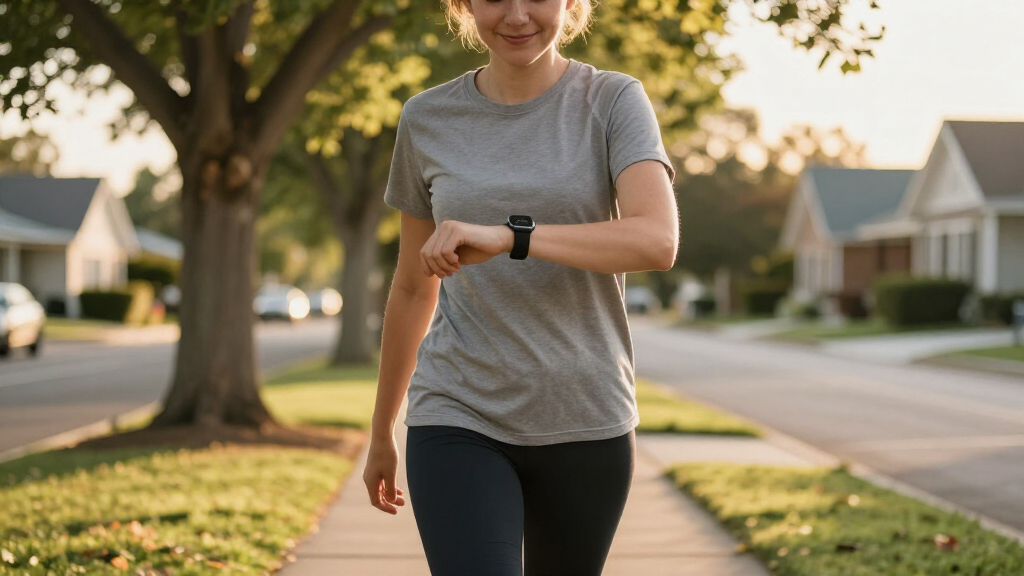
Imagine ending your day with a gentle stroll through your neighborhood, the soft glow of streetlights casting a warm hue on quiet streets. That simple act—an evening walk—can do more than just stretch your legs; it can subtly help your nervous system wind down and prepare for restful sleep.
While not a magic bullet, this easy habit offers a natural way to boost relaxation, especially when paired with mindful timing and light management. In this guide, you’ll learn how a modest walk can support your sleep routine, what to watch out for, and how to customize it for your needs.
A gentle 10–30-minute evening walk can promote relaxation and support sleep, especially if timed 30–90 minutes before bedtime.
Keep the pace comfortable—vigorous activity close to sleep time may increase alertness for some people.
Light exposure during your walk influences your body’s internal clock; outdoor walks at dusk reinforce natural rhythms.
Pair your walk with dim indoor lighting afterward to enhance melatonin production and wind down.
Adjust your routine based on personal response—what relaxes one person might energize another.
Evening Walks & Sleepiness: The Gentle Movement Effect
A modest walk at dusk can help your nervous system wind down—reducing mental arousal, building mild sleep pressure, and reinforcing your body’s natural rhythms. Not a magic bullet, but a simple, adaptable tool for better sleep.
Why an evening walk might make you feel sleepier
Rhythmic, low-demand movement influences your nervous system in several complementary ways—quieting racing thoughts, nudging your body toward rest, and building a behavioral cue that the day is ending.
Reduces mental arousal
Rhythmic walking interrupts rumination and shifts the brain toward a calmer state—helpful after a stressful day of racing thoughts.
Builds sleep pressure
Modest added activity strengthens your natural drive to sleep—especially valuable if you’ve been sedentary all day.
Supports temperature rhythms
A stroll raises body temperature slightly; the post-walk cooling period reinforces the body’s normal evening transition toward sleep.
Lowers stress & anxiety
Regular walks promote feel-good neurotransmitters like serotonin and endorphins—easing two of the most common barriers to falling asleep.
Creates a wind-down cue
A repeated walk becomes a behavioral signal: “the day is ending.” Over time your brain links the walk to rest, smoothing the transition.
Eases post-dinner heaviness
A gentle post-meal walk can moderate the blood-glucose rise after dinner and reduce that heavy feeling—though it’s not a sleep treatment.
Timing and intensity: how to walk for better sleep
The pace should allow comfortable conversation. Vigorous exertion close to bedtime temporarily elevates heart rate, body temperature, alertness, and adrenaline—the opposite of what you want.
Walk at dusk
10–30 minutes at a conversational pace, outdoors if possible.
Cool down
Body temperature drops after the walk—reinforcing sleep signals.
Dim the lights
Warm, low indoor light lets melatonin rise naturally.
Sleep onset
Finish the walk 30–90 minutes before bed for best alignment.
The role of light: why what’s around you matters
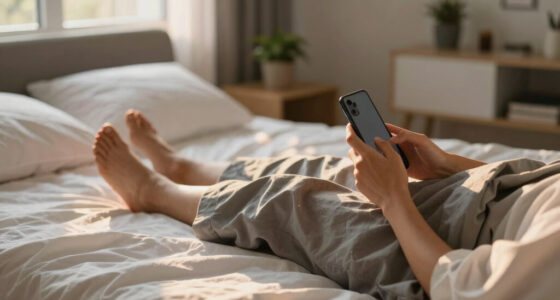
The walk’s light environment can matter as much as the movement. Blue-spectrum light from screens and LEDs is especially effective at suppressing melatonin—so skip the bright phone on your stroll, and keep lighting warm and dim afterward.
| Light Source | Typical Timing | Melatonin Impact | Verdict |
|---|---|---|---|
| Natural daylight near sunset | Dusk / twilight | Reinforces day–night rhythm | ✓ Helpful |
| Dim, warm indoor lighting | After the walk | Supports melatonin rise | ✓ Recommended |
| Street lighting (outdoor) | After dark | Mild; less intense than screens | ~ Tolerable |
| Bright indoor overheads | After dark | Delays melatonin timing | ✗ Avoid |
| Phone / screens at close range | Any evening use | Blue light strongly suppresses melatonin | ✗ Skip on walks |
| Morning outdoor daylight | Dawn / morning | Strongest circadian signal | ✓ Gold standard |
Sensitivity varies from person to person: brightness, proximity, and your own chronotype all shape how light affects your alertness.
The old rule is being rewritten
“Exercise at night is bad for sleep” is outdated. Evidence quality varies—much of it observational or from small studies—but the emerging picture is individualized rather than blanket.
Illustrative summary of research trends: wearables and home sleep trackers now enable larger real-world studies—though consumer devices estimate sleep rather than measure it as accurately as clinical polysomnography.
From doorstep to deep sleep
More benefits from your evening walk
A consistent walking habit doesn’t just help you fall asleep—it supports whole-body wellbeing and a smoother psychological transition from work to rest.
Why an evening walk might make you feel sleepier (and calmer)
The secret lies in how rhythmic, low-demand movement like walking influences your nervous system. It helps quiet racing thoughts and reduces mental arousal, making it easier to drift into sleep.
For example, after a stressful day, a 15-minute walk around the block can interrupt rumination and shift your brain toward a more peaceful state. It also builds mild sleep pressure—your body’s way of nudging you toward rest—especially if you’re usually sedentary.
Walking outside during the evening can support your body’s temperature rhythms. A quick stroll raises body temperature slightly, and as you cool down afterward, it signals to your brain that it’s time to settle in. This temperature fluctuation, aligned with your circadian rhythm, enhances sleepiness. Moreover, the mood boost from regular walks reduces stress and anxiety—common barriers to falling asleep—by promoting the release of feel-good neurotransmitters like serotonin and endorphins.
Finally, a routine walk creates a behavioral cue: ‘It’s time to wind down.’ Over time, your brain connects that walk with the end of your day, helping you transition smoothly from activity to rest. This association strengthens your sleep routine and can improve sleep quality by reinforcing a predictable pattern that signals your body to prepare for sleep.
outdoor walking shoes for evening strolls
As an affiliate, we earn on qualifying purchases.
As an affiliate, we earn on qualifying purchases.
Timing and intensity: How to walk for better sleep
Timing and pace make all the difference. For most people, a relaxed 10–30-minute walk ending about 30–90 minutes before bed is ideal because it allows your body to transition from activity to rest, aligning with your circadian signals. Walking too close to bedtime or engaging in vigorous exercise can have opposite effects, increasing alertness and delaying sleep onset.
Imagine strolling at a pace where you can comfortably chat—this gentle effort promotes parasympathetic nervous system activation, which is associated with relaxation. Vigorous exertion, on the other hand, temporarily elevates heart rate and adrenaline, which can interfere with your ability to wind down. The key lies in moderation: the goal is to stimulate relaxation without overstimulating your nervous system.
Individual responses vary: some people find that even late-night walks help them sleep, while others feel wired afterward. The tradeoff involves balancing the immediate calming benefits against potential alerting effects. Adjusting the timing—finishing walks earlier in the evening—or reducing pace can optimize the calming impact. Listening to your body’s signals and tracking your sleep patterns can help you determine the best approach for you.
Consistency in routine enhances sleep benefits because your body learns to anticipate and respond to the walk as a cue for winding down. Over time, this predictability can improve sleep quality and reduce insomnia symptoms, especially when combined with other good sleep habits.
dimmable indoor lighting for sleep
As an affiliate, we earn on qualifying purchases.
As an affiliate, we earn on qualifying purchases.
The role of light: Why what’s around you matters
Light is a powerful cue for your circadian rhythm—your internal clock. Evening walks outside can reinforce your natural day-night cycle, especially if timed during sunset or twilight. Exposure to natural light during these periods helps suppress melatonin, which is essential for alertness, and then as you move indoors and the light diminishes, melatonin production ramps up, promoting sleepiness.
Conversely, exposure to bright artificial light after dark—like from screens or intense indoor lighting—can delay melatonin release, making it harder to feel sleepy. The spectral quality of light matters too: blue light, prevalent in screens and LED lighting, is particularly effective at suppressing melatonin. Even street lighting, usually less intense than indoor screens, can influence your alertness depending on its brightness and proximity.
Imagine walking outside at dusk, where the decreasing natural light signals your body to prepare for sleep, then keeping indoor lighting warm and dim afterward to support melatonin elevation. This contrast enhances your body’s ability to recognize bedtime cues, leading to smoother sleep onset and better sleep quality.
Understanding how different light exposures interact with your circadian rhythm underscores the importance of controlling lighting environments. Using dim, warm lighting in the evening and avoiding screens after your walk can significantly improve your sleep readiness.
comfortable walking clothes for evening walk
As an affiliate, we earn on qualifying purchases.
As an affiliate, we earn on qualifying purchases.
What recent trends tell us about evening activity and sleep
Recent research shows that the old idea—‘exercise at night is bad for sleep’—is shifting. Instead, the focus is on how individual responses and context matter. Regular, light-to-moderate evening activity generally supports sleep, especially when combined with good light habits. This shift recognizes that the impact of evening exercise isn’t universally negative; instead, it depends on factors like timing, intensity, and personal sensitivity.
Studies reveal that vigorous workouts right before bed might delay sleep for sensitive sleepers, but many tolerate moderate activity without issues. Wearables now help track real-world patterns, providing insights into how timing and intensity influence sleep quality. These data-driven approaches allow for personalized adjustments, emphasizing that one-size-fits-all advice is outdated.
Researchers are also exploring how factors like meal timing, stress levels, and ambient temperature interact with movement. The takeaway? Flexibility and personalization are key. Short, post-meal walks are gaining attention because they’re easy to incorporate, support digestion, and can promote relaxation without disrupting sleep. The emerging consensus suggests that incorporating gentle activity into your evening routine, tailored to your body’s responses, can enhance sleep quality rather than hinder it.
As an affiliate, we earn on qualifying purchases.
Beyond sleep: More benefits from your evening walk
A regular walking routine doesn’t just help you fall asleep. It can lead to more stable sleep schedules, better perceived sleep quality, and less daytime stress. Imagine feeling more relaxed and less groggy in the morning, thanks to a simple habit that also promotes overall well-being.
Long-term, walking can boost cardiovascular health, improve mood, and reduce feelings of heaviness after meals. It encourages you to spend less time sitting in the evening—a small but meaningful step toward overall health. The physical activity also releases endorphins, which are natural mood lifters, helping to combat evening stress and anxiety that can interfere with sleep.
Think of your evening walk as a gentle mental reset. It’s a moment to breathe, disconnect from screens, and transition from work to rest—making your entire evening more peaceful and restorative. This holistic benefit underscores how regular gentle movement supports mental, emotional, and physical health beyond just sleep.
Who might need to tweak their walk to sleep well
Not everyone responds the same way. People who get overly stimulated or feel energized after activity might find evening walks less helpful unless they adjust the timing or intensity. For some, even a gentle walk can be enough to increase alertness temporarily, which may delay sleep or cause restlessness.
Those with conditions like reflux, chronic pain, balance issues, or heart problems may need to adapt—perhaps choosing indoor walking or earlier times. If you feel unsafe walking outdoors after dark, indoor options or well-lit routes are safer choices. Personal health factors and sleep sensitivities should guide your routine modifications.
For example, an older adult with balance concerns might prefer a gentle walk inside or a seated mobility routine in the evening. The goal is to find a routine that calms, not energizes, and aligns with your individual health needs and sleep goals.
How to set up your evening walk routine (step-by-step)
- Choose a consistent time, ideally 30–90 minutes before bed, to establish a reliable cue for your body.
- Keep the pace gentle—just enough to feel relaxed, not exhausted, to promote parasympathetic activation.
- Avoid caffeine, nicotine, and stimulating screens during or after your walk—these can counteract the calming effects.
- Finish your walk with some quiet, dimly lit activities—reading, listening to calming music, or gentle stretching—to reinforce the wind-down process.
- Track how you feel—note sleep onset and morning alertness over a week or two—to identify patterns and adjust accordingly.
- Adjust the timing, duration, or pace if you notice sleep issues or increased alertness, tailoring the routine to your responses.
Limitations: When an evening walk isn’t enough
An evening walk is a supportive habit, not a cure-all. If you struggle with persistent sleep problems, loud snoring, or daytime sleepiness, it’s wise to seek professional help. Conditions like sleep apnea or restless legs may need targeted treatment, and untreated sleep disorders can have serious health implications.
Remember, habits like walking work best when combined with good sleep hygiene—regular sleep schedules, avoiding screens before bed, and managing stress. If sleep issues last for months or worsen, consult a healthcare provider for proper assessment. Recognizing the limits of a simple routine helps prioritize your health and ensures you seek appropriate care when needed.
Frequently Asked Questions
Will walking before bed make me sleepy?
It can, especially if you walk gently and as part of a consistent routine. Many find that a calming walk helps them relax, but some may feel more alert. Pay attention to how your body responds and adjust timing and pace accordingly.
How long should an evening walk be?
Aiming for 10–30 minutes usually strikes a good balance. It’s enough to feel calming without over-stimulating your nervous system, especially if you finish at least 30 minutes before bed.
How close to bedtime can I walk without disrupting sleep?
Generally, ending your walk 30–90 minutes before bed works best. If you notice delayed sleep or increased alertness, try finishing earlier or slowing down your pace.
Is a post-dinner walk better than a pre-bed walk?
Both have benefits. A post-dinner walk supports blood sugar regulation and digestion, while a later walk can be more calming. Choose what fits your schedule and feels best for your sleep pattern.
Can evening exercise cause insomnia?
Gentle or moderate walking typically doesn’t. Vigorous activity right before bed can increase alertness for some, so listen to your body and adjust accordingly.
Conclusion
In the end, a simple evening walk offers more than just physical activity; it creates a gentle, calming ritual that signals your body it’s time to rest. When timed right and paired with mindful lighting, it can become a quiet anchor in your evening routine.
So next time you feel restless after dinner, step outside for a few minutes. Feel the cool air, hear the quiet, and let that small movement guide you toward a more peaceful sleep.
NFL season / tailgating Picks
team gear
As an affiliate, we earn on qualifying purchases.