
TL;DR

Get wellness gear delivered free with Prime
- Fast, free delivery on millions of items
- Prime Video, Amazon Music and more included
- Member-only deals all year
Exposing yourself to natural morning light within the first hour of waking helps regulate your circadian rhythm, enhances mood, and supports better sleep. Just 10-15 minutes daily can make a noticeable difference.
Ever wake up feeling groggy, even after a full night’s sleep? What if the secret to starting your day on the right foot is as simple as stepping outside first thing in the morning?
In this guide, you’ll learn why a quick dose of natural light right after waking can transform your sleep, mood, and energy levels—without complicated routines or gadgets. It’s an easy habit that fits into any morning, no matter your schedule or living situation.
Spend at least 10-15 minutes outside or near windows within the first hour of waking.
Even on cloudy days or winter, a 20-minute session with a light therapy box can help.
Consistency is more important than duration—make it a daily morning routine.
Combine natural light exposure with other healthy habits like stretching or mindfulness for best results.
Weather, schedule, or living space might challenge this habit, but solutions like light therapy or shifting wake-up times exist.
Morning Light First
The simplest wake-up habit: meet natural light within the first hour of waking. A brief, consistent dose helps your brain recognize daytime—supporting alertness now and more settled sleep later.
Light tells your body that the day has begun.
Morning brightness acts as a timing cue for your internal clock. Repeating that cue can reinforce daytime alertness, more predictable sleep timing, and steadier morning energy.
Wake
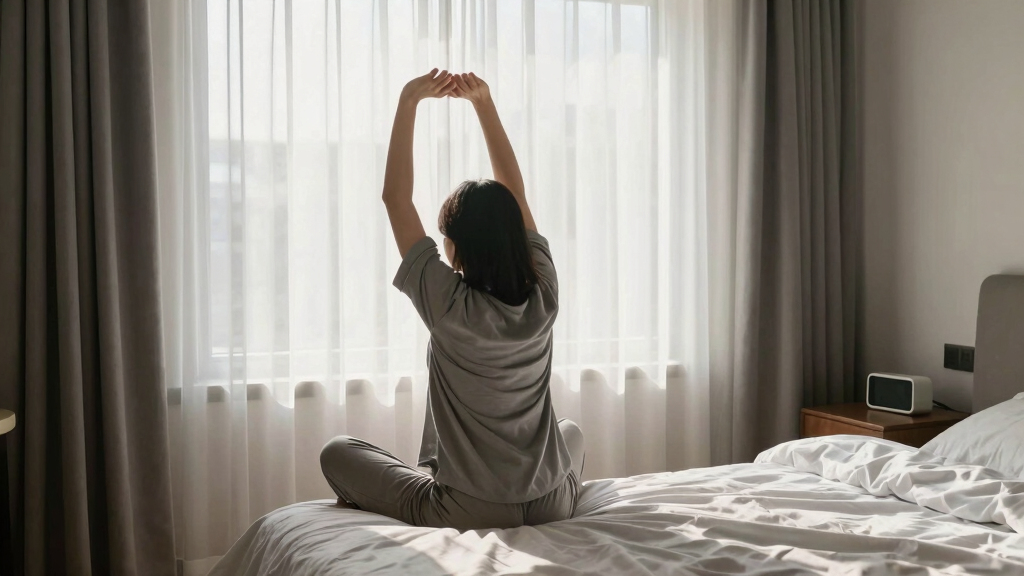
Begin from your natural or scheduled wake time. Open curtains immediately and prepare to move toward brighter light.
See daylight
Step outside when possible. Outdoor light is generally much brighter than ordinary indoor lighting.
Anchor the clock
The brain interprets brightness as a daytime cue, supporting circadian alignment and morning alertness.
Repeat daily
A stable morning signal helps make the sleep-wake rhythm more predictable over time.
One tiny habit, several useful effects.
Morning light is not a complicated performance routine. It is a low-friction environmental cue that can complement sleep hygiene, movement, mindfulness, and a consistent wake time.
A clearer start signal
Early light helps synchronize the body’s internal timing with the external light-dark cycle.
Less morning fog
Bright light encourages a daytime state, making it easier to transition from sleep into focused activity.
A stronger daily rhythm
A dependable morning cue may support easier sleep onset and more refreshed waking.
Brightness with lift
Natural light exposure is associated with mood regulation and can be especially valuable during darker seasons.
Movement meets nature
A porch pause or short walk adds fresh air, gentle activity, and connection to the environment.
Simple enough to keep
No gadget is required outdoors. Pair the habit with coffee, dog walking, stretching, or quiet breathing.
Match exposure to the morning you actually have.
Brightness varies by weather, season, location, and whether you are indoors. Start with an easy minimum, then allow more time when the available light is weaker.
Exposure guide
These are practical starting points, not medical prescriptions. Outdoor conditions and device instructions should guide the final duration.
The first 30 minutes
Natural light versus a light box.
Outdoor daylight is the first choice when practical. A purpose-built therapy device can provide a dependable alternative for winter, early shifts, limited mobility, or homes with little morning light.
| Feature | Natural morning light | Light therapy device |
|---|---|---|
| Circadian cue | ✓ Strong Broad-spectrum daylight, especially outdoors. |
✓ Effective Useful when intensity, timing, and placement are correct. |
| Ease of use | ✓ Simple Step outside or pair with an existing morning task. |
~ Moderate Requires setup, correct distance, and scheduled use. |
| Outdoor benefits | ✓ Included Fresh air, nature contact, and optional movement. |
✗ Not included Provides light without the outdoor experience. |
| Weather dependence | ~ Variable Clouds, season, and sunrise affect brightness. |
✓ Reliable Available regardless of weather or sunrise time. |
| Equipment cost | ✓ None No purchase is needed for ordinary outdoor exposure. |
✗ Purchase Quality, safety, size, and portability vary. |
| Best fit | Most people with safe, practical access to morning daylight. | Dark winters, pre-dawn shifts, or limited outdoor access. |
Every obstacle needs a fallback.
The goal is not a flawless sunrise ritual. It is a repeatable light cue that survives real weather, demanding schedules, apartment living, and seasonal darkness.
Stay outside longer
Cloudy daylight can still be useful. Extend the session toward 20–30 minutes and combine it with a walk or commute.
Use a bright substitute
A correctly positioned light box can bridge dark mornings. Seek outdoor light later when the day brightens.
Find the brightest edge
Try a balcony, doorway, courtyard, building entrance, or short block walk. A window is a useful fallback.
Stack, do not add
Take coffee outside, walk the dog, make a call on the porch, or move the first stretch of the day outdoors.
Keep the anchor steady
A dramatic shift in wake time can blur the cue. Keep morning light near your usual daily schedule.
Adjust gradually
Shift wake time by 10–15 minutes every few days when a modest change improves access to daylight.
Make the habit safe and sustainable.
Use these answers as a practical baseline. Individual needs vary, especially when health conditions, medications, eye sensitivity, or diagnosed sleep and mood disorders are involved.
How soon after waking?
Aim for the first 30 minutes when possible, and within the first hour as a realistic target.
What if it is cloudy?
Go outside anyway and allow more time. A suitable light box can help when outdoor exposure is impractical.
What if I wake very early?
Use bright indoor light or a therapy device after waking, then seek daylight when it becomes available.
Do I need sunglasses?
Ordinary brief exposure generally does not require them, but never stare directly at the sun and follow personal eye-care guidance.
Is a window enough?
It is a helpful fallback, but stepping outside usually provides a much stronger brightness signal.
What matters most?
Consistency. A modest daily exposure is more useful as a timing habit than an occasional long session.
Light-box safety: follow the manufacturer’s distance and timing instructions. Consult a qualified healthcare professional before light therapy if you have an eye condition, bipolar disorder, unusual light sensitivity, or take photosensitizing medication. Morning light supports healthy routines but does not replace medical care.
Why Morning Light First Matters More Than You Think
Getting sunlight within the first 30 to 60 minutes after waking is like giving your body a gentle nudge to reset its internal clock. This synchronization with the natural light-dark cycle is crucial because it influences your sleep-wake patterns, hormone production, and overall alertness. When your internal clock is aligned, you fall asleep faster, wake more refreshed, and experience better mood stability. Conversely, a misaligned circadian rhythm—caused by irregular light exposure—can lead to sleep disorders, fatigue, and even mood disturbances such as depression or anxiety. Recognizing this, it becomes clear why prioritizing morning light isn’t just about feeling good temporarily; it’s about supporting your body’s long-term health and resilience. The implications are significant: small daily adjustments in light exposure can reduce reliance on sleep aids, improve daytime productivity, and enhance emotional well-being, highlighting the profound impact of this simple habit.
As an affiliate, we earn on qualifying purchases.
How to Get the Most Out of Your Morning Sun
- Wake up and open your curtains or step outside within 30 minutes of waking. This timing is critical because it helps your brain interpret the start of the day, reinforcing your natural cycle.
- Spend at least 10 to 15 minutes in natural sunlight, ideally on your face and arms. This exposure not only boosts vitamin D synthesis but also signals your brain to suppress melatonin—the sleep hormone—encouraging alertness during the day and facilitating better sleep at night.
- If it’s cloudy or winter, consider using a light therapy box—aim for 10,000 lux for 20 minutes. This is especially important because reduced sunlight during these months can disrupt your circadian rhythm, leading to seasonal affective symptoms or sleep issues. Using a light box can help mitigate these effects, but it’s essential to use it correctly—consistent timing and proper intensity are key.
- Make it a daily habit, even on weekends. Consistency is the backbone of circadian health; irregular light exposure can confuse your internal clock, leading to difficulty falling asleep or waking up refreshed. Integrate this routine with other morning practices like stretching or mindfulness to reinforce the positive effects.
For example, Sarah, a busy mom, started stepping onto her porch every morning for just 10 minutes. She noticed she felt more awake and less anxious within a week. This example illustrates that even small, consistent changes can have cumulative benefits, reinforcing the importance of making morning light exposure a non-negotiable part of your daily schedule.
As an affiliate, we earn on qualifying purchases.
Comparison Table: Natural Light vs. Light Therapy Devices
| Feature | Natural Morning Light | Light Therapy Devices |
|---|---|---|
| Effectiveness | High, especially outdoors; closely mimics natural sunlight, supporting full spectrum and circadian cues | Effective when used correctly; mimics sunlight but may lack some spectrum qualities, making consistency and proper positioning essential |
| Ease of Use | Simple, just step outside or open curtains—requires no additional equipment | Requires setup, placement, and adherence to a schedule; more effort but flexible for indoor use |
| Additional Benefits | Vitamin D production, mood boost, connection with natural environment | No weather dependence, portable, useful for shift workers or those with limited outdoor access |
| Limitations | Weather-dependent, early mornings may be challenging in winter or urban settings | Cost, potential for improper use reducing effectiveness, must be used safely to avoid eye strain or overstimulation |
As an affiliate, we earn on qualifying purchases.
Overcoming Common Obstacles to Morning Light
Living in a city apartment, waking before sunrise, or battling cloudy winter mornings? These are common hurdles, but solutions exist that can help you stay consistent and reap the benefits of morning light.
- Use a light therapy box during dark months or when outdoor time isn’t feasible. Proper use—placing it at eye level and using it for 20 minutes—can simulate natural sunlight and support your circadian rhythm.
- Adjust your wake-up time gradually—by 10 to 15 minutes every few days—to synchronize better with the available daylight, especially during winter months when mornings are darker.
- Plan outdoor activities—like walking the dog, commuting, or a quick coffee run—during the brightest part of the day. Even a short walk during lunch can reinforce your circadian cues and combat sluggishness caused by poor morning light exposure.
For instance, Mark, who works early shifts, started using a portable light box during winter mornings. Over several weeks, he experienced increased energy and fewer feelings of sluggishness, demonstrating that proactive adaptation can overcome environmental challenges.
As an affiliate, we earn on qualifying purchases.
The Tiny Habit That Can Transform Your Day
Starting your day with natural light is a small shift with profound implications. It’s not just about feeling alert; it’s about aligning your internal clock with the world around you. This alignment influences your sleep quality, emotional resilience, and daily productivity. When your circadian rhythm is properly synchronized, you’re more likely to experience stable mood, sharper focus, and restful sleep—foundational elements of well-being that ripple into every aspect of life.
Imagine waking up, opening your curtains, and feeling a wave of warmth and alertness washing over you. This simple act sets a positive tone, making your entire day more manageable and enjoyable. The beauty of this habit is its simplicity—yet its impact is far-reaching. By consistently prioritizing morning light, you’re investing in your long-term health and happiness, often with minimal effort but maximum benefit.
Frequently Asked Questions
How soon after waking should I get outside for best results?
Ideally, within the first 30 minutes of waking. The sooner, the better, to help reset your internal clock and boost alertness for the day ahead.
What if it’s cloudy or winter and I can’t get outside?
Use a light therapy box that mimics natural sunlight. Aim for 10,000 lux for about 20 minutes—it’s an effective substitute when outdoor light isn’t available.
Can I do this if I wake up very early or late?
Yes. The key is to get exposure during your natural wake-up time. If you wake early, step outside as soon as you get up. If late, aim to get outside during the brightest part of your day.
Do I need to wear sunglasses?
Generally, no. A brief exposure with your face and arms uncovered allows your skin and eyes to benefit from the light. However, avoid staring directly at bright sunlight for safety.
How long does it take to notice benefits?
Many people notice improved mood and energy within a week or two of consistent morning light exposure. Better sleep can take a few weeks but is well worth the effort.
Conclusion
In a world obsessed with gadgets and complicated routines, the simplest change often makes the biggest difference. Your morning light isn’t just a way to wake up—it’s your body’s natural cue to start the day right. Just a few minutes outside can recalibrate your internal clock and set a positive tone for hours to come.
Next time you wake up, don’t reach for your phone. Step outside, feel the sun, and give your body the signal that it’s time to thrive. Sometimes, the easiest habits are the most powerful.
Halloween Picks
halloween
As an affiliate, we earn on qualifying purchases.