
TL;DR
Listen free for 30 days with Audible
Thousands of audiobooks and originals — cancel anytime.
Start your free trialAs an affiliate, we earn on qualifying purchases.
Weekend sleep-ins can help recover from sleep debt but overdoing it may harm your health and disrupt your routine. Aim for a balance by recognizing what’s enough and maintaining consistency.
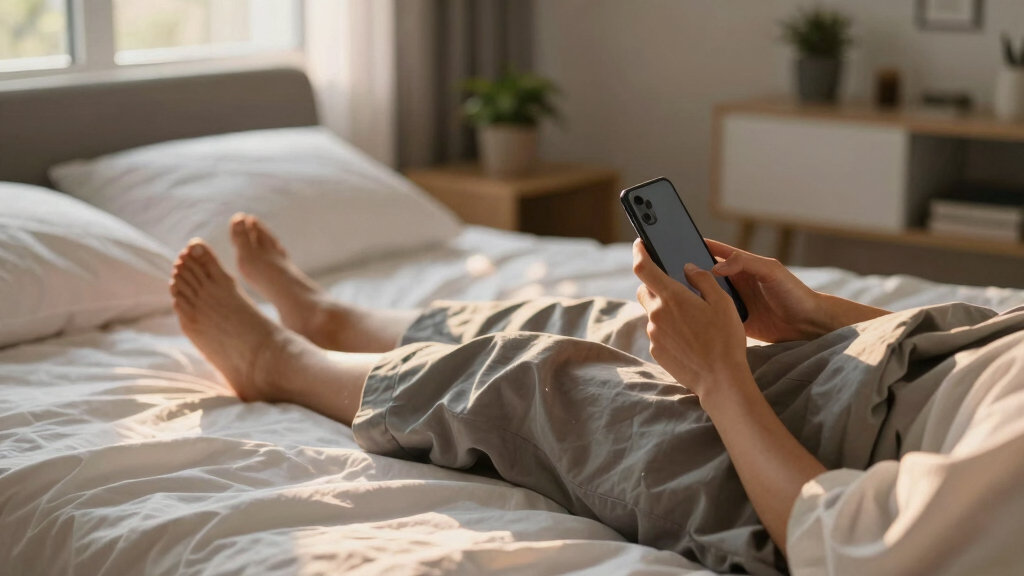
Imagine waking up on a Saturday morning, feeling groggy, and deciding to sleep in for hours. It feels like a treat, right? But how much is actually too much? Sleep-ins during weekends can be a mixed bag — they might help you catch up, or they could throw your rhythm out of sync. Knowing where to draw the line helps you enjoy restful weekends without unintended consequences.
In this guide, you’ll learn how weekend sleep-ins impact your health and daily life. We’ll explore what excess sleep does to your body, when it’s beneficial, and how to find a sweet spot that keeps you energized all week long.
Stick to a wake-up time on weekends that’s within 1-2 hours of your usual weekday schedule.
Regularly sleeping more than 9-10 hours might be linked to health risks and warrants attention.
Use sleep tracking tools or alarms to help maintain consistency and prevent oversleeping.
Pay attention to how you feel after sleep-ins; persistent fatigue suggests your pattern needs adjusting.
Balance is key — enjoy weekend rest, but don’t let it disrupt your natural rhythm or health.
Weekend Sleep-Ins: How Much Is Too Much?
A little extra rest can soften weekday sleep debt. A major weekend time shift can create “social jetlag,” prolong grogginess and make Sunday-night sleep harder. The sweet spot is restorative, not disruptive.
The right amount is measured against your normal rhythm.
Weekend recovery is not only about total hours. The difference between your weekday and weekend wake time determines how much your internal clock must readjust.
The adult sleep spectrum
Seven to nine hours is the usual target. Regularly moving far beyond it may be a signal—not a better recovery strategy.
sleep debt Restorative range
7–9 hours Long sleep
review pattern
Wake-time reality check
If your weekday alarm is 6:30 AM, a rhythm-friendly weekend target is roughly 7:30–8:30 AM.
When long sleep becomes a pattern, look beneath the surface.
Associations do not prove that oversleeping directly causes disease. Long sleep can also reflect poor sleep quality, depression, sleep apnea or another underlying condition.
Circadian rhythm
A large weekend shift delays your internal clock, making bedtime harder on Sunday and wake-up harder on Monday.
Sleep inertia
Extending sleep can leave you sluggish, disoriented and mentally slow after waking—especially when timing is irregular.
Cardiometabolic health
Habitual long sleep is associated with cardiovascular disease, diabetes, obesity and altered inflammatory markers.
Mood
Excessive sleep and depression often occur together. The direction of the relationship can be complex and individual.
Sleep quality
Ten hours in bed is not always ten hours of restorative sleep. Fragmentation can increase duration while reducing recovery.
Daily performance
Irregular timing can affect alertness, memory, emotional steadiness and the ability to start the week sharply.
Not every sleep-in means the same thing.
Use duration, frequency and how you feel afterward to distinguish useful recovery from a pattern that may need adjustment.
| Pattern | Wake-time shift | Likely effect | Monday impact | Best response |
|---|---|---|---|---|
| Consistent schedule | 0–1 hour | ✓Stable rhythm | Low | Maintain it |
| Moderate sleep-in | 1–2 hours | ✓Useful recovery | Usually low | Pair with steady bedtime |
| Occasional long recovery | 2–3 hours | ~Mixed | Possible grogginess | Return to routine promptly |
| Habitual late weekend | 3+ hours | ✗Rhythm disruption | Higher | Shift earlier gradually |
| 10–12 hours, still tired | Variable | ✗Potential warning sign | Persistent fatigue | Discuss with a clinician |
A four-step routine for rest without the Monday crash.
Consistency does not mean giving up leisurely weekends. It means keeping the shift small enough that your biological clock can follow.
Set the ceiling
Choose a weekend alarm no more than one to two hours after your weekday wake time.
Track the result
Record sleep duration, wake time and how alert you feel—not just time spent in bed.
Protect bedtime
Keep evening timing steady so extra morning sleep does not push the next night later.
Adjust gently
Move your schedule in 15-minute increments instead of making abrupt multi-hour jumps.
Use feedback, not guesswork.
The best schedule is one that delivers adequate sleep, predictable energy and a wake time you can maintain across the week.
Sleep tracker
Look for trends in bedtime, wake time and duration. Treat wearable sleep stages as estimates rather than diagnoses.
Simple alarm
A consistent wake alarm prevents an intended extra hour from becoming an unplanned four-hour schedule shift.
Energy log
Rate morning alertness and afternoon energy. Persistent fatigue matters more than a single unusually long night.
Weekend sleep-in FAQ
Balance occasional recovery with the consistency your circadian rhythm needs.
Is sleeping in on weekends bad?
Not necessarily. Occasional sleep-ins can help after short-term sleep loss. Habitual multi-hour shifts are more likely to disrupt your rhythm.
How much sleep is too much?
Regularly sleeping more than 9–10 hours may be excessive for many adults, particularly if you still feel tired afterward.
Can a sleep-in affect weekday sleep?
Yes. Waking much later can delay your body clock, making Sunday bedtime and Monday wake-up more difficult.
Must I wake at exactly the same time?
No. A modest variation is usually manageable. Try to keep weekend wake time within one to two hours of your normal schedule.
When should I seek medical advice?
Consult a healthcare professional if you regularly need very long sleep, struggle to wake, experience marked daytime sleepiness, snore or gasp during sleep, or remain unrefreshed despite adequate time in bed.
What’s the right amount of weekend sleep-ins? Knowing the balance
Sleep-ins are a way to recover from weekday sleep debt, but too much can backfire. Most adults need 7-9 hours of sleep per night. Sleeping longer on weekends isn’t necessarily bad — unless it becomes a habit exceeding 9 or 10 hours. Research shows that regularly oversleeping might be linked to health issues like heart problems and depression.
For example, if you wake up at 8 AM during the week but sleep until 11 AM on Saturday, that’s a 3-hour difference. Occasional long sleep sessions are fine, but if you’re sleeping 12 hours every weekend, it might be a sign to check in with your health.
So, aim for a weekend wake-up time within 1-2 hours of your usual weekday schedule. That way, you get enough rest without disrupting your internal clock. This balance is important because large deviations can confuse your circadian rhythm, leading to difficulty falling asleep during the week or feeling groggy upon waking. Striking the right balance helps your body maintain a stable sleep-wake cycle, which is essential for overall health and daytime functioning.
Deeply understanding this balance is crucial because oversleeping can lead to a phenomenon called sleep inertia—where you feel sluggish and disoriented after waking. Conversely, insufficient sleep can impair your cognitive functions and mood. Therefore, finding a sweet spot minimizes these risks, supports mental sharpness, and promotes physical health, making your weekends both restful and restorative.
As an affiliate, we earn on qualifying purchases.
How excessive sleep affects your body and mind
Sleeping more than 9-10 hours regularly can actually cause health issues. Think of it like a car running on overfilled fuel — it might seem fine at first, but it can cause strain. Studies link oversleeping to increased risks of cardiovascular disease, diabetes, and even depression. These risks aren’t just statistical—they reflect how oversleeping can influence inflammation, blood pressure, and metabolic health, which are crucial for long-term well-being. For example, chronic oversleeping may lead to higher levels of inflammatory markers in the body, which are associated with atherosclerosis and other cardiovascular issues. It can also disrupt hormonal balance, affecting insulin sensitivity and increasing the risk of diabetes. Moreover, excessive sleep may be a symptom of underlying conditions such as sleep apnea or depression, which require attention. Recognizing these signs early allows you to address potential health problems before they worsen, emphasizing the importance of moderation in your sleep habits. Maintaining a balanced sleep schedule supports mental clarity, emotional stability, and physical health, all of which are interconnected in your overall wellness. Ignoring the signals your body gives when you oversleep can lead to a cascade of health problems over time, making it essential to understand and respect your natural sleep needs.
As an affiliate, we earn on qualifying purchases.
How to enjoy weekend sleep-ins without messing up your routine
- Set a target wake-up time that’s within 1-2 hours of your usual weekday wake-up. For example, if you wake at 6:30 AM, aim to wake by 8 or 8:30 on weekends.
- Limit your sleep-in to no more than 2-3 hours past your normal wake-up time, as extending beyond this can significantly disrupt your circadian rhythm and make it harder to fall asleep at your regular bedtime during the week.
- Use your sleep tracker or a simple alarm to help stick to your plan. These tools can provide feedback on your sleep duration and consistency, helping you avoid unintentional oversleeping.
- Keep your bedtime consistent — going to bed at the same time each night helps stabilize your internal clock, making it easier to wake up feeling refreshed and alert.
- Gradually adjust your sleep schedule if you want to sleep in later on weekends, shifting your bedtime by 15-minute intervals each night. This gentle approach allows your body to adapt without causing abrupt shifts that can lead to sleep difficulties or circadian misalignment.
Imagine you’re the person who loves sleeping in on Saturday but notices Monday mornings feel more sluggish. By setting a reasonable wake-up time, you preserve your rest while keeping your internal clock happy. This approach prevents the accumulation of sleep debt and reduces the risk of feeling groggy or disoriented during the week, supporting both your physical health and mental sharpness.
This method keeps your weekends restful and your weekdays productive — no groggy mornings or late-night struggles to fall asleep. It’s about creating a sustainable routine that respects your body’s natural rhythms while still allowing for some leisure and recovery.
As an affiliate, we earn on qualifying purchases.
Frequently Asked Questions
Is sleeping in on weekends bad for my health?
Occasional sleep-ins are usually harmless and can help recover from sleep debt. But regularly sleeping more than 9-10 hours may be linked to health risks like heart disease and depression. Pay attention to how your body responds and aim for balance.
How much sleep is too much?
Sleeping more than 9-10 hours consistently can be considered excessive for most adults. It might signal underlying health issues or unhealthy sleep patterns. Keep track of how you feel after long sleep sessions to assess your needs.
Can sleeping in disrupt my weekday sleep schedule?
Yes, irregular sleep patterns, especially sleeping much later than usual, can throw off your circadian rhythm. This may make it harder to fall asleep or wake up feeling refreshed during the week. Maintaining a consistent schedule helps support your body’s natural rhythms.
Should I try to wake up early every day, including weekends?
Maintaining a consistent wake-up time supports your biological clock. If you love sleeping in, try to keep that within a reasonable range — no more than 1-2 hours later than your usual wake-up time — to preserve rhythm and energy.
What are signs I should see a doctor about my sleep patterns?
If you feel persistently tired, have trouble waking, or wake up unrefreshed despite long sleep, it’s a good idea to consult a healthcare professional. These could be signs of underlying issues needing attention.

Magicteam Sound White Noise Machine with 20 Non Looping Natural Soothing Sounds and Memory Function 32 Levels of Volume Powered by AC or USB and Sleep Sound Timer Therapy for Baby Kids Adults
- 20 Non-Looping Soothing Sounds: Includes white, brown, pink, blue noise, and nature sounds
- Adjustable Volume and Timer: 32 volume levels and multiple timer options
- Portable and Compact Design: Small size for home, office, or travel
As an affiliate, we earn on qualifying purchases.
As an affiliate, we earn on qualifying purchases.
Conclusion
Sleep-ins are a cozy way to catch up, but too much can throw your rhythm out of sync. The trick lies in finding a balance that helps you feel refreshed without disrupting your routine. Think of your weekend mornings like a gentle dance — a little extra rest, yes, but not so long that it trips you up.
Remember, your sleep routine is a cornerstone of your overall well-being. Keep it steady, listen to your body, and your weekends will be both restful and restorative.
Back to school Picks
back to school
As an affiliate, we earn on qualifying purchases.