
TL;DR

Get wellness gear delivered free with Prime
- Fast, free delivery on millions of items
- Prime Video, Amazon Music and more included
- Member-only deals all year
Repeated snoozing disrupts sleep cycles and leads to tiredness. Setting a single, consistent alarm helps you wake more naturally and feel more refreshed. Modern alarms and good sleep habits make mornings easier.
Ever wonder why you feel more exhausted after hitting snooze multiple times? It’s not just in your head. That extra 5, 10, or even 15 minutes of snoozing may seem harmless, but it’s quietly sabotaging your mornings. In this guide, you’ll learn why one firm alarm often beats nine, and how to make mornings smoother and more energizing.
We’ll explore the science behind sleep inertia, the impact of repeated interruptions, and practical strategies to ditch the snooze button for good. Your mornings—and your overall well-being—will thank you.
Repeated snoozing interrupts sleep cycles, increasing grogginess and reducing alertness.
Setting one firm alarm and sticking to a routine helps establish a natural wake-up process.
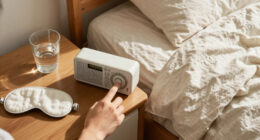
Placing your alarm across the room forces you to physically get up, making waking easier.
Gradual wake-up alarms and consistent sleep schedules improve mornings significantly.
Good sleep hygiene and a motivating morning ritual can eliminate the snooze habit.
Sleep science / better wake-ups
Snooze Button Habits: Why One Alarm Beats Nine
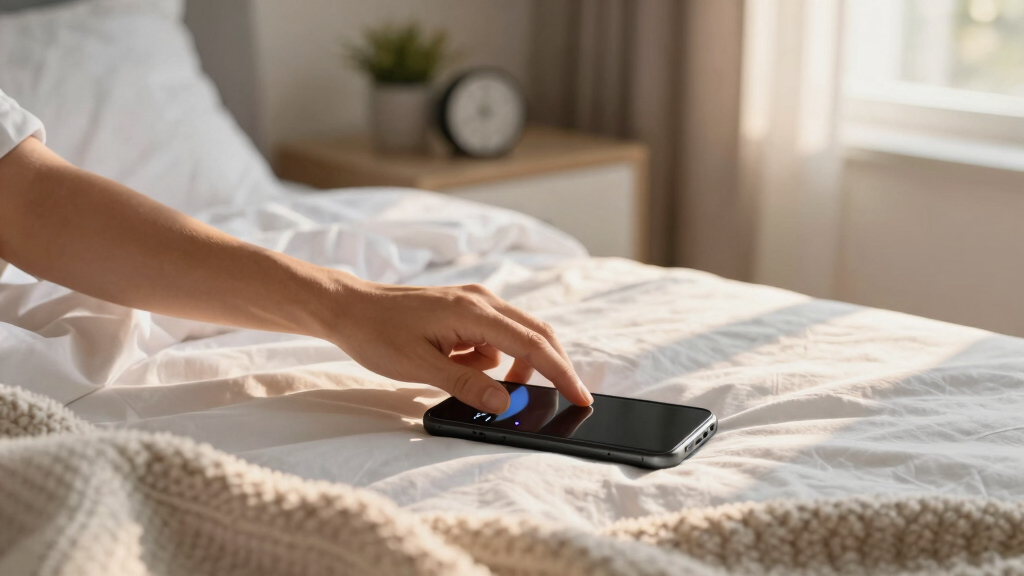
Those extra minutes are rarely restorative. Repeated alarms fragment the final stretch of sleep, restart the wake-up process, and can leave sleep inertia lingering long after your feet hit the floor.
Waking up in parts keeps the brain in fog
A snooze interval is too short to complete a meaningful sleep cycle. You drift back toward sleep, the alarm interrupts again, and your brain must repeatedly restart its transition into alertness.
Alarm interrupts
The first alarm begins the wake-up response. Choosing snooze tells the body to reverse course before alertness is established.
Sleep restarts
You may slip into light sleep or begin another cycle—without enough time to finish it before the next interruption.
Inertia compounds
Repeated transitions can amplify grogginess, slow thinking, flatten mood, and make the morning feel harder than it needed to be.
The quality of waking matters more than extra minutes
A single alarm creates a clear behavioral cue. At a consistent time, that cue can help reinforce circadian timing and turn waking into a practiced routine rather than a morning negotiation.
| Wake-up factor | One firm alarm | Repeated snoozing | Why it matters |
|---|---|---|---|
| Sleep continuity | ✓ One clear transition | ✗ Multiple interruptions | Less fragmentation supports a cleaner wake-up. |
| Circadian consistency | ✓ Stable wake cue | ✗ Moving finish line | Regular timing helps the body anticipate morning. |
| Sleep inertia | ✓ One recovery period | ✗ Repeated restarts | Fewer transitions can mean less lingering fog. |
| Comfort in the moment | ~ Requires commitment | ✓ Feels easier briefly | Short-term comfort may trade away later clarity. |
| Morning reliability | ✓ Predictable start | ✗ Delays accumulate | A decisive start protects time and momentum. |
✓ supportive ✗ disruptive ~ depends on routine and sleep sufficiency
A three-step reset for smoother mornings
The strongest approach combines environment, timing, and reward. Make snoozing inconvenient, give your body a predictable schedule, and add a reason to welcome the morning.
Set one firm alarm
Place it across the room so switching it off requires movement. Choose a stimulating but not punishing sound and disable the snooze option.
Anchor your schedule
Keep bedtime and wake time consistent. Track one week, then adjust bedtime gradually until the routine provides enough sleep without morning bargaining.
Create a morning reward
Prepare tea, open a window, play a favorite song, stretch, journal, or step outside. A positive cue gives your brain something to move toward.
Design the morning before you go to sleep
Common snooze questions
The goal is not a harsher morning. It is a more coherent one—supported by sufficient sleep, consistent timing, and wake-up cues that work with your biology.
Is habitual snoozing bad for health?
It can repeatedly fragment sleep and increase fatigue. Over time, poor sleep quality may affect alertness, mood, performance, and overall well-being.
Why am I more tired after several snoozes?
Each alarm pulls you out of sleep again. Those repeated transitions can intensify sleep inertia instead of giving the brain a clean path to wakefulness.
Are light-based alarms better?
Many people find gradual light more natural and less jarring. It can be especially helpful when paired with a regular wake time and immediate exposure to daylight.
What if one alarm still feels impossible?
Review bedtime, total sleep, caffeine, screens, stress, and schedule consistency. Persistent severe sleepiness deserves discussion with a qualified healthcare professional.
What Happens When You Hit Snooze Multiple Times?
Every snooze tap resets your sleep clock, often interrupting deep sleep stages. When you drift back into light sleep and get pulled out again, your brain struggles to wake up fully. This fragmented sleep creates a foggy, sluggish feeling that can last for hours.
For example, someone who hits snooze three times for 10-minute intervals ends up delaying their full wake-up by 30 minutes, but they’re often still groggy. That grogginess, called sleep inertia, makes it harder to start your day with clarity and energy. It’s like waking up in parts—each interruption prevents your brain from completing the sleep cycle it needs to feel refreshed. The longer and more fragmented your sleep, the greater the cognitive impairment, mood disturbances, and decreased alertness you’ll experience throughout the day.
Understanding this helps you realize that snoozing isn’t just a minor annoyance; it actively hampers your brain’s ability to transition smoothly from sleep to wakefulness. The tradeoff is clear: sacrificing a few extra minutes of light sleep for a more coherent waking process results in better mental clarity, mood, and productivity. Recognizing these implications encourages you to prioritize quality wake-up routines over prolonged, fragmented sleep.
loud alarm clock with snooze disable
As an affiliate, we earn on qualifying purchases.
As an affiliate, we earn on qualifying purchases.
Why Is Waking Up With One Alarm Better Than Multiple?
Using one firm alarm helps your body establish a reliable wake-up routine, which is crucial because our biological systems thrive on consistency. When you rely on multiple snoozes, your sleep becomes fragmented, preventing your body’s internal clock—your circadian rhythm—from establishing a steady pattern. This inconsistency can lead to irregular sleep cycles, making mornings more unpredictable and difficult.
Choosing a single, decisive alarm reduces the chances of waking during deep sleep stages, which are associated with sleep inertia and grogginess. By waking during a lighter sleep phase, your brain transitions more smoothly into wakefulness, making you feel more alert and less groggy. Over time, this consistency trains your circadian rhythm to anticipate waking at a specific time, which can lead to a more natural, effortless wake-up experience. The tradeoff here involves prioritizing a quality start over the allure of extra minutes in bed, which often come at the cost of mental sharpness and emotional stability throughout the day. Establishing this routine also helps reinforce your sleep-wake cycle, leading to better sleep quality and overall health benefits.
alarm clock placed across the room
As an affiliate, we earn on qualifying purchases.
As an affiliate, we earn on qualifying purchases.
How To Break the Snooze Habit in 3 Simple Steps
- Set a firm, single alarm: Use a loud alarm placed across the room. When it rings, you have to get out of bed to turn it off. This physical movement helps break the mental association of staying in bed and signals your body that it’s time to wake up. To reinforce this, choose an alarm sound that is stimulating but not jarring, and avoid snooze-friendly options like gentle buzzes or music that lulls you back to sleep.
- Create a sleep routine: Going to bed and waking up at the same time every day trains your circadian rhythm, making mornings less of a struggle. Consistent sleep schedules reinforce your body’s natural cues for sleep and wakefulness, leading to more restorative rest and easier mornings. Track your sleep patterns for a week and adjust your bedtime gradually to find a sustainable routine that allows you enough sleep while waking at the same time each day.
- Make mornings appealing: Prepare something you look forward to—hot tea, fresh air, or a favorite morning song—to motivate you to get up. When your wake-up routine has a positive association, your brain begins to link waking with a rewarding experience, reducing the temptation to hit snooze. Incorporate small rituals like stretching, journaling, or a few minutes of meditation to make waking up a moment to look forward to rather than dread.
As an affiliate, we earn on qualifying purchases.
Frequently Asked Questions
Is snoozing bad for my health?
Yes, habitual snoozing can disrupt your sleep cycles and lead to increased fatigue, affecting mood, alertness, and overall health over time.How can I wake up more easily without hitting snooze?
Create a consistent sleep routine, use a loud alarm placed across the room, and consider gentle wake-up devices like sunrise alarms to make mornings smoother.Are light-based alarms better than traditional loud alarms?
Yes, many people find that gradual light alarms wake them more naturally, reducing the urge to hit snooze and making it easier to start the day alert and refreshed.Why do I feel so tired after multiple snoozes?
Because snoozing fragments your sleep, often waking you during deep sleep stages, which increases sleep inertia and leaves you groggy.What habits help me get up with the first alarm?
Stick to a regular sleep schedule, avoid screens before bed, and develop a morning routine that excites you, making it worth waking up early.As an affiliate, we earn on qualifying purchases.
Conclusion
Breaking free from the snooze button isn’t just about waking up on time—it’s about waking up better. A single, consistent alarm paired with good sleep habits clears the fog and sets a positive tone for the day. Your mornings can become your favorite part of the routine, not a battle to get out of bed.
Start tonight. Pick one alarm, place it across the room, and commit to a regular sleep schedule. Tomorrow morning, greet the day with confidence—no snooze required.
Halloween Picks
halloween
As an affiliate, we earn on qualifying purchases.