TL;DR

Get wellness gear delivered free with Prime
- Fast, free delivery on millions of items
- Prime Video, Amazon Music and more included
- Member-only deals all year
Targeted alarms like vibration, light, and private audio help wake heavy sleepers without disturbing their partners. Combining routines and device placement minimizes sleep disruption for both.
Waking a heavy sleeper without waking your own peaceful rest can feel like trying to wake a bear without disturbing the hive. It’s a common challenge, especially when one partner’s deep sleep becomes nearly impenetrable. The secret isn’t louder alarms but smarter, more targeted signals that respect both of your sleep needs.
In this guide, you’ll learn how to set up a system that gently nudges your partner awake—without turning your bedroom into a noisy battleground. Whether it’s using vibration, light, or clever routines, these strategies can help mornings start smoother for everyone involved.
Use targeted signals like vibration, light, or private audio instead of loud alarms to wake heavy sleepers quietly.
Create a consistent bedtime and wake routine, incorporating gradual light and immediate movement cues to ease waking.
Test devices and routines during low-stakes mornings to find what works best for your partner’s sleep depth.
Address potential underlying sleep issues with a healthcare professional if waking remains difficult despite adjustments.
Consider separate sleeping arrangements if incompatible schedules or persistent disturbances threaten sleep quality.
Helping a Heavy Sleeper Partner Wake Up Without Waking You
The answer is not a louder alarm. A layered system of vibration, directional light, and carefully placed private audio can wake the intended sleeper while protecting the other partner’s rest.
Target the sleeper, not the room
Deep sleep raises the threshold for waking. Combining different sensory pathways is usually more reliable than repeatedly increasing volume.
Vibration
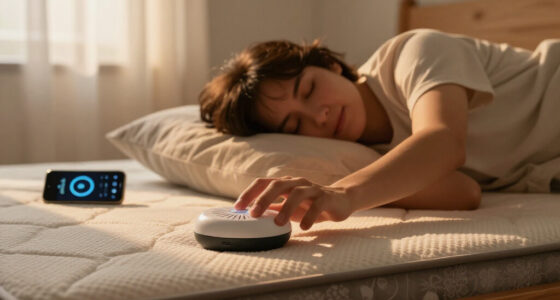
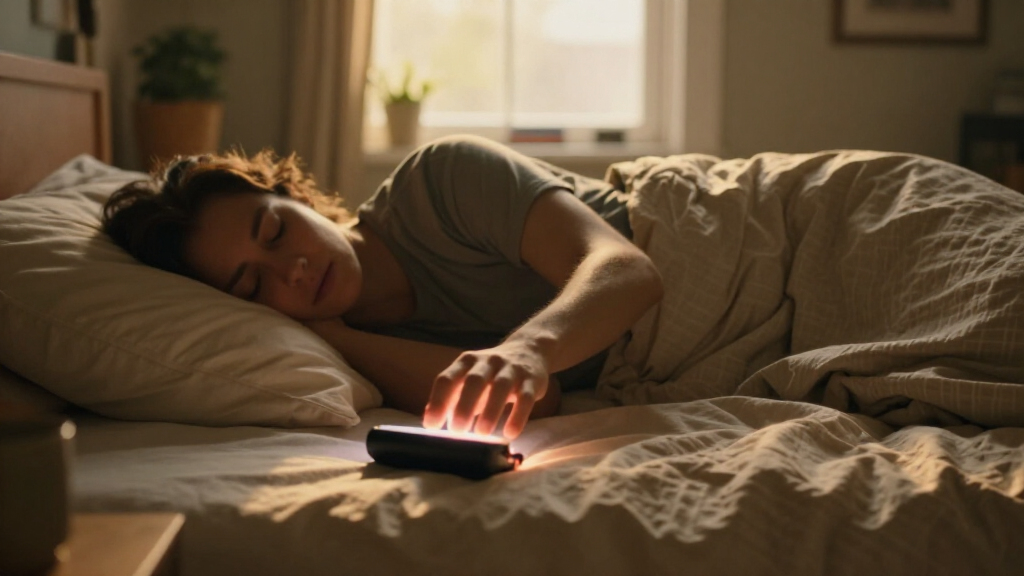
Use a snug smartwatch, under-pillow device, or mattress shaker with firm contact.
Gradual light
A sunrise lamp or directional smart bulb can begin brightening before wake time.
Personal sound
Pillow speakers or sleep headphones can help, but comfort and reliability require testing.
| Wake-up method | Effectiveness | Partner disruption | Best use | Watch for |
|---|---|---|---|---|
| Vibrating wristband | ✓ High | ✓ Low | Discreet primary alarm | Loose fit or weak motor |
| Bed-shaker alarm | ✓ High | ~ Low–mid | Powerful tactile backup | Vibration crossing the mattress |
| Sunrise lamp | ~ Moderate | ✓ Very low | Comfortable gradual waking | Incorrect angle or weak brightness |
| Private audio | ~ Variable | ✓ Low | Personalized sound cues | Comfort, hygiene, battery, hearing |
| Loud room alarm | ✓ High | ✗ High | Emergency fallback only | Startle, irritation, shared waking |
A quiet wake system in five moves
Use one strong primary cue and one differently designed backup. The sequence should end with immediate movement out of the bedroom.
Protect sleep time
Keep bedtime consistent and allow enough sleep for the individual.
Start with vibration
Set a wrist alarm shortly before the required wake time.
Add directional light
Aim the lamp toward the sleeper and away from the partner.
Trigger the backup
Use a bed shaker or private audio cue close to the first alarm.
Leave the room
Stand, move, drink water, and continue the routine elsewhere.
Small routines prevent repeat alarms
The alarm starts the process; the environment and morning routine keep the sleeper awake.
Keep firm contact
A wearable should fit securely. A shaker should press against the pillow or mattress area nearest the intended sleeper.
Aim before brightening
Place gradual light at the foot of the bed or opposite the heavy sleeper to reduce direct spill toward the partner.
Use a different backup
Pair vibration with light or private audio. Two identical alarms may repeat the same failure mode.
Trial on easy mornings
Test new devices on weekends before depending on them for work, travel, caregiving, or medication schedules.
Make movement automatic
Prepare water, clothing, and the next task in advance so the sleeper can leave the bedroom immediately.
Reduce residual disturbance
White noise, separate bedding, or safe ear protection can soften movement after the alarm has done its job.
One primary alarm plus one distinct backup is usually better than a long chain of snoozes. Repeated alarms can fragment sleep, intensify grogginess, and disturb both partners.
When waking remains unusually difficult
“Heavy sleeper” is a common description, not a medical diagnosis. Persistent difficulty may reflect sleep loss, body-clock mismatch, substances, medication, or a sleep disorder.
Check the foundations first
Earplugs or sound masking must never prevent either partner from hearing alerts they personally need to respond to, including smoke, carbon-monoxide, child-monitor, medical, or emergency alarms.
Why Heavy Sleepers Need Special Wake-Up Strategies
Heavy sleepers often experience deeper, more resilient sleep cycles that resist normal alarms. This isn’t just stubbornness; it’s biology. Their brain’s response to sound, light, or movement differs, often requiring more personalized cues to wake up.
Understanding that their sensory thresholds are higher means recognizing that standard alarms are often ineffective or disruptive. For instance, a loud alarm might wake them briefly but leave them groggy or disoriented, while subtle cues like vibration or gradual light can trigger a more natural arousal. This difference isn’t trivial—it influences how you should approach waking them up without causing frustration or sleep fragmentation. The tradeoff is that these methods may require more setup or patience, but they ultimately promote a more restful and less stressful waking process.
Research indicates that tailoring wake-up signals to bypass the deep sleep resistance can improve waking success and reduce morning irritability. Recognizing the biological basis helps you choose methods that work with, rather than against, your partner’s sleep architecture.
vibration alarm clock for heavy sleepers
As an affiliate, we earn on qualifying purchases.
As an affiliate, we earn on qualifying purchases.
The Best Ways to Wake a Heavy Sleeper Without Disrupting You
Targeted alarms focus on the senses least engaged during deep sleep—vibration, light, or private audio. These methods are less disruptive than loud sirens and more likely to gently rouse your partner without disturbing your own sleep. The key is understanding that these cues tap into different sensory pathways, which can be more effective for deep sleepers.
Choosing the right method involves considering the tradeoffs: vibration might be discreet but less noticeable if not placed correctly; light can be very gentle but needs consistent setup; audio needs to be personalized to avoid startling or annoyance. The goal is to find a balance—an alarm that’s strong enough to wake them reliably but subtle enough to keep your sleep intact. This tailored approach minimizes the risk of waking both of you unnecessarily and helps foster a morning routine that feels less like an intrusion and more like a gentle nudge.
light alarm clock with gradual sunrise
As an affiliate, we earn on qualifying purchases.
As an affiliate, we earn on qualifying purchases.
Comparison of Wake-Up Methods for Heavy Sleepers
| Method | Effectiveness | Disruption Level | Best For |
|---|---|---|---|
| Vibration wristband | High | Low | Partner who sleeps deeply, needs discreet wake-up |
| Bed-shaker alarm | High | Low-Medium | Heavy sleepers, minimal disturbance to partner |
| Sunrise lamp | Moderate | Very Low | Gentle waking, aligned with natural light patterns |
| Pillow speaker or private audio | Variable | Low | Personalized sound, comfortable but needs testing |
| Loud room alarm | High | High | Emergency situations or when other methods fail |
personalized vibrating wake-up device
As an affiliate, we earn on qualifying purchases.
As an affiliate, we earn on qualifying purchases.
How to Set Up a Gentle, Effective Wake System
Follow these steps to create a wake routine that respects both of your sleep needs:
- Establish a consistent bedtime and wake time to reinforce your partner’s biological rhythm. Consistency helps the brain associate cues with wakefulness, making the process more natural and less jarring.
- Start with a wrist-based vibrating alarm set 10-15 minutes before the desired wake time. This preemptive cue primes the brain for waking, reducing abrupt awakenings and grogginess.
- Place a sunrise lamp at the foot of the bed or opposite the sleeping partner, to gradually increase light in the room. This mimics natural dawn, signaling the body to prepare for waking, which can be more effective for heavy sleepers than sudden noise.
- Use a bed-shaker or pillow vibrator as a backup if the first alarm doesn’t wake them. Having multiple cues ensures redundancy, increasing waking reliability without harsh sounds.
- Limit snoozing; set alarms close together to avoid fragmenting sleep and worsening grogginess. Multiple alarms can create a sleep fragmentation cycle that leaves both of you feeling more tired.
- Encourage your partner to leave the bedroom promptly after waking to prevent lingering sleep inertia. Staying in bed can promote drowsiness, so a quick transition helps solidify wakefulness.
- Complement alarms with white noise, earplugs, or separate bedding to minimize residual disturbance. These additional measures help create a peaceful environment that supports both partners’ sleep quality.
bedroom light alarm for deep sleepers
As an affiliate, we earn on qualifying purchases.
As an affiliate, we earn on qualifying purchases.
Smart Devices and Routines That Help Without Waking You
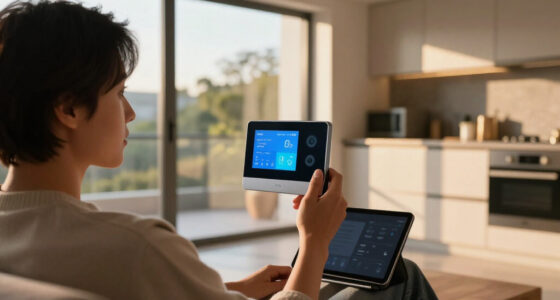
Technology can do a lot of the heavy lifting here. Wearable devices, smart home systems, and apps now offer solutions that target waking without noise or light spillover. These tools are designed to work with your partner’s sleep patterns, providing cues that are subtle yet effective.
For example, a smartwatch with a strong vibration motor can wake a heavy sleeper discreetly by delivering a gentle, targeted buzz that bypasses the auditory system. Automated smart lights can gradually brighten the room, mimicking dawn and helping the body transition from sleep to wakefulness naturally. The coffee maker can be programmed to start brewing at a specific time, creating a sensory cue that signals wake-up without noise. These routines leverage the brain’s responsiveness to environmental changes, promoting a more harmonious start to the day.
Some systems even require movement or visiting a specific spot to turn off alarms, adding an extra layer of safety while staying quiet. The key is to test these options during low-stakes mornings to understand how your partner responds and to fine-tune the setup for maximum effectiveness with minimal disturbance.
What to Do When Waking a Heavy Sleeper Is Still a Challenge
If targeted alarms and routines don’t work, it’s important to consider whether underlying health issues might be affecting your partner’s sleep. Conditions like sleep apnea, restless leg syndrome, or excessive sleepiness can make waking especially difficult, regardless of the cues used. These issues often require medical diagnosis and treatment, as they can significantly impair sleep quality and daytime alertness.
In the meantime, creating an environment conducive to waking can help. Keep the room cool, dark, and quiet to promote restorative sleep and easier awakening. Encourage a wind-down routine that reduces late-night screen time, caffeine, and alcohol, which can interfere with sleep depth and continuity. Ensuring your partner gets enough sleep—typically 7-9 hours of uninterrupted rest—also plays a critical role in reducing the difficulty of waking up.
Recognizing that some sleep resistance might be rooted in health issues underscores the importance of consulting a sleep specialist if waking remains consistently problematic. Addressing underlying causes often offers the best long-term solution, complementing the targeted wake-up strategies.
When It’s Time to Consider Sleeping Separately
Sleeping separately isn’t a sign of trouble; it can be a practical solution to preserve the quality of sleep for both partners. When repeated alarms, snoring, or other sleep disturbances interfere with restful nights, separate beds or bedrooms can provide the space needed for each person to wake naturally and rest fully. This approach recognizes that individual sleep needs and patterns vary, and accommodating these differences can improve overall health and relationship harmony.
Imagine a scenario: one partner needs to wake at 6 a.m. for work, while the other’s deep sleep remains undisturbed by that early hour. Having separate sleeping arrangements allows each person to optimize their sleep environment without compromise. While some may view this as unconventional, it’s increasingly recognized as a valid option for maintaining well-being and quality of life. The key is open communication—discussing the reasons and benefits so both partners understand that this arrangement is about health and comfort, not a reflection of relationship issues.
Remember, the goal is better sleep, not perfection in proximity. Flexibility and honest dialogue are essential to making this work effectively.
Conclusion
Helping a heavy sleeper wake without waking you is about smart, personalized signals that respect both your sleep. Setting up routines that combine light, vibration, and movement creates mornings that start smooth and calm.
Remember, a peaceful wake-up isn’t just about loud alarms—it’s about understanding sleep deep and working with it. Your best mornings may come from a quiet, targeted approach that turns waking into a gentle, natural process.
Cold & flu season Picks
humidifiers
As an affiliate, we earn on qualifying purchases.