
TL;DR
Listen free for 30 days with Audible
Thousands of audiobooks and originals — cancel anytime.
Start your free trialAs an affiliate, we earn on qualifying purchases.
Sunrise clocks support healthy routines by mimicking dawn, helping kids wake calmly and stay in bed longer. They teach children when it’s okay to get up, reducing morning stress. Consistency and age-appropriate signals matter most.
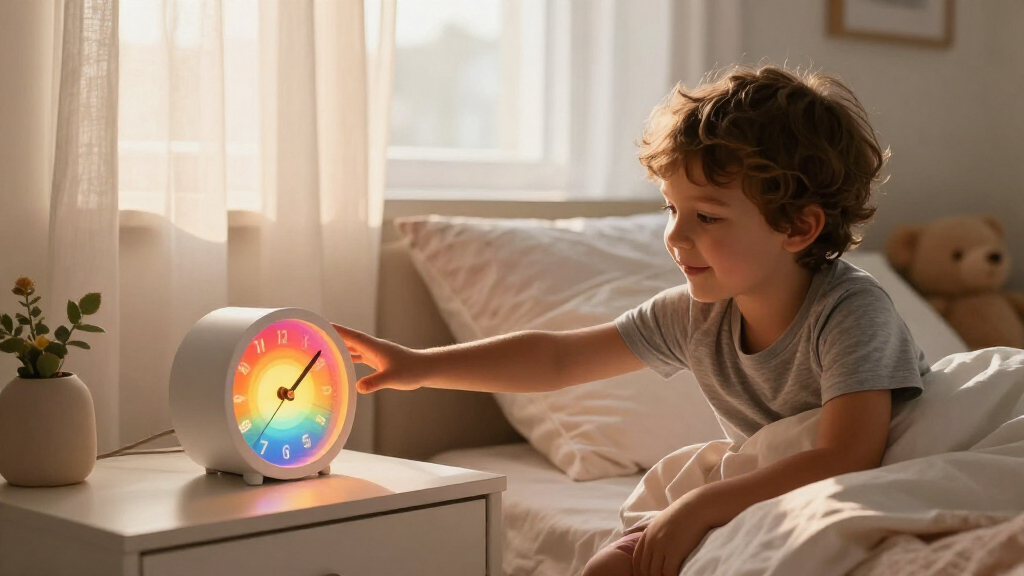
Imagine waking up before the sun rises, your room bathed in a soft, warm glow that gently pulls you from sleep. Now, picture a device that mimics this sunrise, easing your child into waking naturally and calmly. That’s the magic of sunrise clocks for kids. These devices aren’t just about waking up; they help shape habits, reduce morning chaos, and make early mornings a little brighter—literally.
If you’ve ever wrestled with a crying toddler or a groggy preschooler who refuses to stay in bed, you know how tough mornings can be. A sunrise clock is like a gentle nudge, teaching your little one what “early enough” looks like—without loud alarms or sudden lights. This guide will show you how they work, what features really matter, and how to introduce them with success.
Choose a sunrise clock with adjustable brightness and simple signals that your child can easily recognize.
Start with clear, consistent routines and practice during the day before expecting success in the mornings.
Gradually shift the sleep schedule by delaying the wake-up time in small steps over several days or weeks.
Ensure the clock’s light is indirect, dim, and warm to avoid overstimulation or sleep disruption.
Remember that technology supports routines but doesn’t replace good sleep habits or medical advice when needed.
Sunrise Clocks for Kids
Gentle light can turn an abrupt wake-up into a predictable routine. A child-friendly sunrise clock gradually brightens before morning and can display a simple signal that says when it is okay to leave bed. Its greatest strength is not forcing sleep—it is teaching a clear, repeatable response after waking.
A dawn cue, not a sudden command
Morning light is an important signal for the circadian system. A sunrise clock imitates dawn by increasing brightness before the chosen wake time, helping the transition toward alertness feel less abrupt. Results still vary with age, schedule, naps, natural light, activity, illness, stress, temperature, and temperament.
Dim start
A low, warm glow begins while the room is still dark.
Gradual rise
Brightness increases slowly over a parent-selected interval.
Clear signal
A recognizable color or symbol marks the agreed wake time.
Calm action
The child gets up, calls a parent, or begins quiet play as practiced.
Three tools, three distinct jobs
For a habitual early riser, the okay-to-wake cue may be more useful than the simulated sunrise. A combined model offers flexibility, but extra functions only help when the child can understand them and parents can operate them reliably.
| Function | Sunrise alarm | Okay-to-wake clock | Combined sleep trainer |
|---|---|---|---|
| Gradually brightens | ✓ Yes | ✗ Usually not | ✓ Often |
| Shows permission to leave bed | ~ Sometimes | ✓ Core purpose | ✓ Often |
| Useful before clock-reading skills | ~ If signals are clear | ✓ Yes | ✓ Yes |
| Bedtime colors, stories, or sounds | ✗ Rarely | ~ Model dependent | ✓ Common |
| Best fit | Gentler waking | Teaching when to get up | Flexible family routines |
Key: ✓ commonly included ✗ generally absent ~ depends on model or setup
Choose clarity before complexity
The right clock supports the child’s age, sensitivities, and household routine. Bright displays, decorative effects, mandatory alarms, and complicated controls can work against the calm environment families are trying to create.
Adjustable brightness
Look for a genuinely dim lowest setting, warm tones, and a sunrise duration adjustable across roughly 10–30 minutes.
One obvious signal
A distinct wake color or simple icon should be recognizable at a glance and easy to explain in one sentence.
Optional, not mandatory
Gentle audio can help a deep sleeper, but families should be able to lower it or switch it off completely.
Protected settings
Control locks, weekday and weekend schedules, memory, and battery backup keep the routine from changing unexpectedly.
Dark at night
Choose a display that dims or turns off. Bright numbers and status LEDs can become distracting after bedtime.
Child-friendly build
Prioritize stable construction, cool LEDs, secure cords, no accessible button batteries, and privacy-conscious connectivity.
Teach the signal while everyone is awake
Introduce the clock during the day, when the child is calm. Begin near the child’s natural waking time and make small changes only after the rule feels familiar. Praise cooperation without turning the device into a threat or punishment.
Explain
Use plain language: “Red means rest; green means you may get up.”
Practice
Demonstrate the change during the day and rehearse the expected response together.
Start realistically
Set the first wake cue close to the time the child already wakes.
Shift gradually
Move the target later by five to ten minutes every few days, depending on the child’s response.
Respond consistently
Praise waiting or quiet play, and keep the morning response calm and predictable.
How the routine builds meaning
The clock is only one link in the chain. Its signal becomes useful through explanation, repetition, a consistent parental response, and a schedule that respects the child’s actual sleep needs.
Warm light
A gentle environmental cue begins.
Known signal
The child recognizes its meaning.
Practiced action
The child waits, rests, or gets up.
Calm response
Adults reinforce the same rule.
Trusted routine
Predictability can reduce morning friction.
Readiness matters more than a birthday
There is no universal starting age. Many children understand color-based rules around two or three, but development varies. A clock should match the child’s ability to understand the cue—not create pressure to meet an unrealistic sleep target.
Infants
Prioritize a safe sleep environment. Keep devices and cords away from the crib, and do not treat a clock as a training tool.
Toddlers
Use one simple signal, practice it repeatedly, and keep expectations realistic. Understanding may emerge gradually.
Preschool and early school age
Icons, routines, quiet-play options, and modest rewards may help reinforce independent morning habits.
How a Sunrise Clock Turns Wake-Up Time into a Gentle Morning
Sunrise clocks mimic dawn by slowly brightening over a set period, usually 10 to 30 minutes. Unlike traditional alarms that jolt kids awake, these clocks use a soft, natural glow. Imagine a warm, amber sunrise filling your child’s room, easing them from deep sleep to alertness without startling them.
For example, a clock might start dim at 6:50 a.m., gradually increasing to full brightness by 7:00 a.m. When the room reaches the bright, inviting hue, it signals, “Time to wake,” in a calm, visual way. This process helps regulate their internal clock and creates a predictable routine.
Research indicates that morning light influences the circadian system. For children, consistent exposure to gentle dawn signals can reinforce sleep-wake cycles, especially during darker months when mornings feel more abrupt. This gradual transition allows their bodies to adjust naturally, reducing the likelihood of waking up abruptly or feeling groggy. It also helps avoid the negative effects of sudden bright lights, such as increased alertness at inappropriate times or disrupted sleep if the light is too harsh or early.
kids sunrise clock with adjustable brightness
As an affiliate, we earn on qualifying purchases.
As an affiliate, we earn on qualifying purchases.
Why a Soft Light Beats a Loud Alarm for Kids
Kids are wired differently than adults. A loud beep or buzzer can startle or even frighten them, making mornings stressful. Instead, a gentle light offers a calming cue. It’s like waking up in a cozy, glowing cloud—less abrupt, more natural.
For example, a child who wakes up to a sudden alarm might become anxious about mornings, while one who wakes to a warm glow feels more relaxed and ready to start the day. The calming effect of soft light can reduce the stress and resistance often seen in young children, making mornings smoother for everyone.
According to an anonymous sleep researcher, kids respond better to visual signals that mimic natural dawn, especially when paired with simple routines or rewards. It’s about creating a peaceful start, not a jarring one. The tradeoffs include that soft lights may not be as effective if the child is a very deep sleeper or if the light isn’t bright enough to be noticed at a glance. However, the benefits of reducing startle responses and anxiety often outweigh these concerns, leading to more consistent and peaceful mornings.
children's wake-up light with signals
As an affiliate, we earn on qualifying purchases.
As an affiliate, we earn on qualifying purchases.
Choosing the Right Sunrise Clock for Your Child
Not all sunrise clocks are created equal. Focus on features that support your child’s age, sleep habits, and sensitivities. Here’s a quick guide:
- Adjustable brightness levels, especially very dim nighttime settings, to prevent overstimulation at bedtime and during early mornings.
- Clear, recognizable signals—like a specific color or icon—that tell your child it’s okay to get up. These signals should be simple enough for your child to understand and remember, creating a reliable cue that reduces confusion and frustration.
- A gradual light duration adjustable from 10 to 30 minutes, allowing you to tailor the wake-up experience based on your child’s sleep needs and sensitivities. A longer duration can be more calming but might delay waking if set too late.
- Optional gentle sounds, or the choice to turn off sound entirely, so you can customize the experience based on your child’s preferences and sensitivities to noise.
- Easy-to-use controls that can be locked against accidental changes, ensuring routines stay consistent.
- A durable, stable design without small parts or exposed cords, reducing hazards and making it safe for active children.
- Battery backup for power outages, so routines aren’t disrupted unexpectedly.
- Dimming or turning off the display at night to prevent unnecessary light exposure that could interfere with sleep quality.
For instance, a parent might choose a clock with a soft green “okay-to-wake” symbol and a very gentle, amber sunrise. They set it for 7 a.m., and their child learns to wait until the glow appears before leaving their bed. Understanding these features helps you balance safety, simplicity, and effectiveness, ensuring your child’s routine is both calming and reliable.
As an affiliate, we earn on qualifying purchases.
How to Introduce a Sunrise Clock Without Confusing Your Kid
Simple is best when you’re starting out. Begin by explaining what the clock’s colors or icons mean in everyday language. For example, say, “Red means rest; green means you can get up.” Practice together during the day, letting your child see the color change and understand what to do. This helps establish a clear, consistent routine that your child can learn to anticipate and trust, reducing frustration and resistance.
Set an initial wake time close to their current routine. If they usually wake at 6:30 a.m., start the clock at that time, then shift it later by 5-10 minutes every few days. This gradual adjustment allows your child’s body to adapt smoothly, preventing sudden changes that could disrupt sleep or cause confusion.
Reinforce the routine with praise or small rewards for waiting quietly or staying in bed until the signal. If the light wakes them earlier than desired, lower the brightness or turn off the sunrise feature, keeping only the okay-to-wake cue. Consistency, patience, and positive reinforcement are key to helping your child develop trust in the routine and feel confident waking up calmly.
gentle wake-up clock for preschoolers
As an affiliate, we earn on qualifying purchases.
As an affiliate, we earn on qualifying purchases.
What Age Is Best for Starting a Sunrise Routine?
Children around ages 2 to 3 often begin understanding simple signals. At this age, they can grasp basic color cues, like green means get up, and respond well to routines. However, every child develops at their own pace. Introducing a sunrise clock at this stage can help reinforce consistent routines and teach patience, but it’s important to ensure they understand the signals and are developmentally ready.
For infants, focus on a safe sleep environment—no cords or devices in the crib—and avoid using clocks as training tools. Instead, prioritize consistent bedtime routines and safe sleep practices. Using a clock too early may cause confusion or frustration if the child doesn’t yet comprehend the signals, so wait until their developmental readiness aligns with their sleep habits.
Preschoolers and early-school-age children often enjoy the visual cues and rewards. They’re ready for a simple, colorful system that encourages patience and independence in mornings. At this stage, the visual signals can become part of a broader routine that promotes autonomy and positive behavior around waking times.
Safety Tips to Keep Your Kid’s Room Calm and Cozy
Safety is crucial when using any device in a child’s room. Choose models with indirect lighting—avoid glaring or strobing effects that can disturb sleep. Keep the clock away from the child’s eyes, and ensure it’s cool to touch.
For example, avoid clocks with flickering lights or bright, blue-toned displays. Use warm, low-intensity light options, and set the brightness to the lowest comfortable level. This minimizes the risk of overstimulation or sleep disruption caused by harsh or unexpected light exposure.
Place the clock on a stable surface or mount it securely. Keep cords out of reach, and don’t let small parts be accessible. Always check the safety certifications and manufacturer guidance before setting up. Remember, a safe environment promotes better sleep quality and peace of mind for parents, especially when devices are used regularly in the child’s sleep space.
Latest Trends in Kids’ Wake-Up Lights: What’s New?
Modern sunrise clocks now come packed with features like customizable sunset routines, app controls, and story recordings. Some models sync with smart home devices or include Bluetooth speakers for music or stories. They can even have different schedules for weekdays and weekends.
For example, a clock might gradually dim the room at bedtime with a soothing story, then wake your child with a gentle sunrise and their favorite lullaby playlist. These innovations aim to make mornings more engaging and routines more flexible. The integration of technology can enhance the experience, making waking up more enjoyable and personalized.
However, keep in mind that more features often mean more complexity, potential privacy concerns, and reliance on Wi-Fi or apps. Sometimes, simple offline clocks remain the most reliable choice, especially if you prefer a straightforward, distraction-free start to the day. Balancing innovation with simplicity is key to finding the right fit for your family’s needs.
Key Facts Every Parent Should Know About Sunrise Clocks
– Sunrise clocks support routines but don’t guarantee later sleep. They are tools that help establish a visual cue, but they don’t alter your child’s natural sleep needs or biological rhythms. Over-reliance or improper timing can lead to frustration or sleep issues if expectations aren’t aligned.
– Consistency in use matters more than fancy features. Using the clock regularly and following a routine helps reinforce habits and builds trust in the signals.
– A very dim display or nightlight prevents overstimulation at night, but it’s important to ensure it’s effective enough to be noticed. Too dim or too bright can be counterproductive, so adjust settings based on your child’s response.
– Gradual schedule shifts are easier than abrupt changes. Small, incremental adjustments help your child’s body adapt without resistance or confusion.
– A child’s total sleep needs and bedtime matter more than the clock’s signals. The clock supports good sleep hygiene, but it’s not a substitute for appropriate sleep duration and quality.
– Always check safety, age recommendations, and privacy policies before purchasing. Not all devices are suitable for every age or environment, and some may have data privacy considerations.
– Limited independent research exists; most benefits are based on family reports and behavioral observations. While promising, these tools should complement good sleep practices rather than replace professional advice when sleep issues persist.
Frequently Asked Questions
Will a sunrise clock make my child sleep later?
Not necessarily. A sunrise clock teaches your child to wait until the signal, but it doesn’t change their natural sleep needs or biological rhythms. It helps with consistent wake-up times but won’t extend sleep if they’re tired.
Can the light wake my child too soon?
Yes. If the sunrise begins before your child’s usual wake time, it might encourage an earlier rise. To prevent this, lower the brightness, shorten the sunrise period, or turn off the sunrise feature and use only the okay-to-wake indicator.
What color should mean “okay to wake”?
Any consistent, easily recognizable color works best. Many parents opt for green or blue because these colors are associated with “go” or “all clear,” but the key is that your child understands and can identify the signal reliably. The specific color is less important than maintaining routine and clarity, which helps your child respond predictably and reduces confusion or resistance in the morning.
How bright should the light be?
The light should be gentle enough to wake your child without startling them. Start with a very dim setting, similar to a nightlight, and gradually increase if needed. Ensuring the light is warm and indirect helps prevent overstimulation, which can cause difficulty falling asleep or waking up feeling groggy. The goal is to strike a balance where the light is noticeable but not discomforting, supporting a calm, natural wake-up process.
Should the clock stay illuminated all night?
Typically, no. Keeping the display or light on all night can interfere with sleep quality, especially if it’s bright or blue-toned. If a nightlight is necessary, choose a very low, warm glow and turn off the main display or sunrise feature. This helps maintain an environment conducive to restful sleep, ensuring your child wakes refreshed and ready for the day.
Conclusion
A gentle sunrise clock can turn hectic mornings into calm, predictable routines. It’s a small, powerful tool that teaches your child to wait patiently and wake peacefully. When used thoughtfully, it’s like giving your little one a warm, natural hug to start the day.
Pick a simple, safe model, introduce it with kindness, and watch mornings become more relaxed and joyful for everyone. After all, a brighter start sets the tone for a happier, healthier day.
Summer Picks
summer essentials
As an affiliate, we earn on qualifying purchases.