TL;DR

Get wellness gear delivered free with Prime
- Fast, free delivery on millions of items
- Prime Video, Amazon Music and more included
- Member-only deals all year
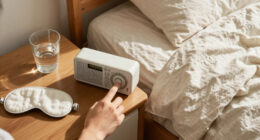
The Two-Alarm Method uses a soft, gradual wake-up signal followed by a louder, firm alarm to reduce sleep inertia and make mornings less jarring. Proper setup and timing can help you feel more alert and less reliant on snooze buttons.
Set a gentle, pleasant alarm 5–15 minutes before your final wake-up to ease into the morning.
Choose a loud, distinctive second alarm placed across the room, requiring you to stand up to turn it off.
Stick to a consistent routine daily to train your brain to wake up gradually and reliably.
Avoid using the same sound for both alarms and keep the interval between them within 5–15 minutes.
Combine light exposure and physical activity after waking to boost alertness and reduce grogginess.
The Two-Alarm Method: Gentle First, Firm Second
A soft, gradual wake-up signal followed by a louder, firm alarm reduces sleep inertia and makes mornings less jarring. Proper setup and timing help you feel more alert — and far less reliant on the snooze button.
Why It Works Better Than Snoozing
A gentle alarm starts the transition from deep sleep, reducing the shock that usually leaves you groggy. The firm alarm acts as a clear deadline — no more endless snoozing — making sure you actually get up. Waking during lighter sleep stages smooths the transition and reduces the disorientation known as sleep inertia.
Respects Sleep Stages
Sleep cycles alternate between lighter and deeper stages. Waking gently during lighter sleep lets your body transition smoothly instead of being jolted from deep rest.
Reduces Sleep Inertia
Sleep inertia — the temporary grogginess and impaired attention after waking — can last several minutes or longer. The gentle alarm starts recovery before performance is required.
Sets a Clear Boundary
The firm alarm creates a mental “now or never” deadline without the abruptness that makes mornings unpleasant. Less stress, less frustration, fewer chaotic wake-ups.
Your Perfect Two-Alarm Routine
Example: you need to wake at 6:30 a.m. Set a gentle alarm at 6:20 a.m. and a loud one at 6:30 a.m., placed across the room. Follow the chain below.
Set the Gentle Alarm
5–15 minutes before wake time. Soft chimes, nature sounds, or a gradually brightening sunrise lamp.
Differentiate the Firm Alarm
Loud, distinctive tone placed across the room so silencing it requires standing up. Never the same sound twice.
Get Bright Light
Expose yourself to light immediately after rising to reinforce alertness and reset your internal clock.
Repeat Daily
Consistency trains your brain to anticipate the gentle wake-up, making the transition automatic over time.
Gentle Alarm vs. Firm Alarm
Contrast in tone, volume, and placement is the engine of the method. It leverages the brain’s responsiveness to varied stimuli and prevents habituation — the point at which your brain starts ignoring repetitive sounds.
| Feature | 🔔 Gentle Alarm (First) | ⏰ Firm Alarm (Second) |
|---|---|---|
| Volume | Low to moderate, around 30–50% | High, 80–100% or above |
| Sound Type | Melodic, nature sounds, soft chimes | Loud beeping, siren, or sharp tone |
| Placement | Near your pillow or bedside | Across the room — you must stand to turn it off |
| Additional Features | Gradual volume increase, sunrise light | Vibration, flashing lights, distinct sound pattern |
| Purpose | Begin the transition out of sleep | Final deadline — get out of bed |
The Contrast Principle
The difference in sound and volume between the two alarms exploits the brain’s responsiveness to varied stimuli, making the final cue unmistakable enough to override the natural tendency to stay in bed.
Common Pitfalls That Undermine the System
Even the best plan can falter. The second alarm must be treated as final — if it becomes another snooze opportunity, the method loses its defining structure.
Second Alarm Within Arm’s Reach
It becomes just another snooze button. This defeats the purpose of the firm cue, prolongs sleep inertia, and leaves you sluggish and disoriented.
Identical Sounds for Both Alarms
Your brain can’t differentiate the gentle nudge from the final call. The second alarm loses its impact, and repeated snoozing fragments your sleep.
Interval Too Long or Too Short
Too long, and you drift back into deep sleep; too short, and the transition is meaningless. Too many interruptions and disturbed nights point to an underlying issue — heavy snoring, gasping, or sleeping through every alarm warrants professional evaluation.
Expecting the Method to Fix Sleep Debt
Two alarms cannot compensate for chronic sleep restriction. Consistent sleep duration and wake timing matter more than any “smart alarm” trick.
Why the Two-Alarm Method Works Better Than Snoozing
The core reason this method helps is rooted in how our brains respond to different wake signals. A gentle alarm starts the transition from deep sleep, reducing the shock that usually leaves you groggy. The second, firm alarm acts as a clear deadline—no more endless snoozing—making sure you actually get up.
For example, imagine you set your gentle alarm with soft chimes or a sunrise lamp 10 minutes before your usual wake time. When it softly nudges you awake, your brain begins to wake gradually, easing the sleep inertia. Then, your second alarm, loud and unavoidable, signals it’s time to get out of bed—no excuses, no slipping back into sleep.
This two-step process is especially helpful for heavy sleepers or those who wake up feeling foggy. It creates a mental boundary: ‘Now or never,’ without the abruptness that makes mornings so unpleasant. This approach leverages the natural tendency of our sleep cycles, which are marked by lighter and deeper stages. By gently waking during lighter sleep, your body transitions more smoothly, reducing the disorienting feeling known as sleep inertia. The second alarm then acts as a necessary nudge, ensuring that the transition from sleep to alertness is completed. The psychological tradeoff is that it reduces the stress and frustration caused by abrupt awakenings and repeated snoozing, which can make mornings feel more manageable and less chaotic.
As an affiliate, we earn on qualifying purchases.
How to Set Up Your Perfect Two-Alarm Routine
Start with a clear plan. Here’s a simple step-by-step:
- Set the gentle alarm 5–15 minutes before your desired wake-up time. Use sounds like soft chimes, nature noises, or a sunrise lamp that gradually brightens. This initial step is crucial because it prepares your brain for awakening without shocking it, which can cause increased grogginess. The timing should align with your natural sleep cycle—ideally during a lighter sleep stage—so that the gentle alarm is effective and not disruptive.
- Choose a second alarm that’s loud, distinctive, and placed across the room or in a way that requires you to stand up to turn it off. This physical act reinforces your commitment to waking and helps break the cycle of hitting snooze repeatedly, which often fragments sleep and worsens grogginess.
- Make sure the second alarm is different in sound and volume — avoid using the same tone or volume for both. Distinct sounds help your brain associate each alarm with a different purpose, increasing the effectiveness of the routine and reducing the chance of confusion or habituation.
- Expose yourself to bright light immediately after waking to reinforce alertness. Light signals your brain that it’s time to be awake, which can help reset your internal clock and improve morning alertness over time.
- Stick to this routine daily, adjusting the timing slightly if needed based on how you feel. Consistency is key—your brain learns to anticipate the gentle wake-up, making the transition smoother and more automatic.
For example, if you need to wake at 6:30 a.m., set a gentle alarm at 6:20 a.m. and a loud one at 6:30 a.m., placed across the room. You’ll start waking gradually, then be compelled to get out of bed for the final signal. Over time, this routine can condition your body to respond more reliably, reducing reliance on harsh alarms or multiple snoozes, which often disrupt sleep quality and increase fatigue.
loud alarm clock for heavy sleepers
As an affiliate, we earn on qualifying purchases.
As an affiliate, we earn on qualifying purchases.
Choosing the Right Sounds and Devices for a Calm but Firm Wake-Up
The key to success lies in sound choice. The first alarm should be pleasant and unobtrusive—think soft piano, gentle bird calls, or a sunrise lamp that slowly brightens. The goal is to gently ease you out of sleep without causing stress or abrupt awakening, which can lead to feelings of grogginess and disorientation.
The second alarm needs to stand out: a loud, sharp tone, or an urgent melody that cuts through sleep inertia. This contrast ensures that the final wake-up cue is unmistakable and compelling enough to override the natural tendency to stay in bed. The difference in sound and volume between the two alarms exploits the brain’s responsiveness to varied stimuli, making the routine more effective and less likely to be ignored.
A comparison table can help:
| Feature | Gentle Alarm | Firm Alarm |
|---|---|---|
| Volume | Low to moderate, around 30-50% volume | High, 80-100% volume or above | Sound type | Melodic, nature sounds, soft chimes | Loud beeping, siren, or sharp tone |
| Placement | Near your pillow or bedside | Across the room or in a place you must stand to turn off |
| Additional features | Gradual volume increase, sunrise light | Vibration, flashing lights, or a distinct sound pattern |
Choosing alarms that contrast in tone, volume, and placement enhances the effectiveness of the routine. It leverages the brain’s ability to recognize and respond to different stimuli, reinforcing the importance of each wake-up signal. This differentiation helps prevent habituation, where the brain begins to ignore repetitive sounds, and ensures that the final alarm effectively triggers full alertness. Additionally, selecting devices with customizable features—such as gradual volume increase or vibration modes—can further tailor the wake-up experience, making it more natural and less stressful.
sunrise alarm light with gentle sound
As an affiliate, we earn on qualifying purchases.
As an affiliate, we earn on qualifying purchases.
Avoiding Common Pitfalls That Undermine the Two-Alarm System
Even the best plan can falter if you’re not careful. Here are mistakes to watch for, along with why they matter:
- Placing the second alarm too close to your bed. When the alarm is within reach, it becomes just another snooze button, tempting you to turn it off and slip back into deep sleep. This defeats the purpose of the firm wake-up cue and prolongs sleep inertia, making you feel more sluggish and disoriented.
- Using the same sound for both alarms. When the sounds are identical, your brain doesn’t differentiate between the gentle nudge and the final wake-up call. This can reduce the effectiveness of the routine, as the second alarm loses its impact, leading to potential sleep fragmentation if you ignore or snooze it repeatedly.
- Setting the interval too long or too short. Too long an interval may cause fragmented sleep or cause you to drift into deep sleep again, making it harder to wake up feeling refreshed. Too short an interval might disrupt your sleep cycles, leading to increased fatigue and decreased sleep quality. Finding the right balance is essential because it ensures the routine supports natural sleep architecture without causing sleep deprivation or excessive fragmentation.
- Ignoring sleep quality. Even with the best alarms, chronic sleep deprivation or poor sleep habits will undermine your efforts. If you’re consistently exhausted, the alarms—no matter how well set—won’t make mornings easier. Addressing underlying sleep issues is crucial for any wake-up routine to be truly effective and sustainable.
For example, if you set your gentle alarm 20 minutes before your final wake-up and then repeatedly hit snooze on the second alarm, you’re undermining the routine’s purpose. It’s essential to treat the second alarm as a non-negotiable cue—this consistency trains your brain to respond reliably, and neglecting this can lead to increased sleep inertia and morning fatigue. Recognizing and avoiding these pitfalls ensures your routine remains effective and helps you wake up feeling more refreshed and alert over the long term.
bedroom alarm clock with snooze button
As an affiliate, we earn on qualifying purchases.
As an affiliate, we earn on qualifying purchases.
How to Make the Two-Alarm Routine Stick and Feel Natural
Consistency is your best friend. Use the same routine every day, even on weekends. This regularity helps your brain form reliable associations: the gentle alarm signals that waking is imminent, while the firm alarm confirms it’s time to get up. Over time, these cues become automatic, reducing the mental effort required each morning and decreasing the likelihood of oversleeping or feeling groggy.
For example, if you notice yourself hitting snooze after the second alarm, it’s a sign that the sound, placement, or timing may need adjustment. Making the alarm louder, placing it further away, or choosing a more stimulating sound can help make it impossible to ignore. Pairing the routine with other wakefulness cues, such as opening the blinds, stretching, or drinking water, can reinforce the habit. Additionally, maintaining a consistent sleep schedule supports the routine by aligning your internal clock with your wake-up signals, making mornings feel more natural and less stressful.
Over time, this routine becomes ingrained—your brain automatically anticipates the gentle nudge followed by the firm call to action. This process effectively trains your internal alarm system, leading to more reliable, natural waking and reducing dependence on external cues or aggressive alarms.
When the Two-Alarm Method Isn’t Enough or Could Be Harmful
This approach isn’t magic. If you’re chronically exhausted, waking up still feels tough because sleep quality or duration is inadequate. A second alarm can’t fix sleep deprivation or underlying disorders. Persistent fatigue may signal that your sleep architecture is compromised, and relying solely on alarms won’t address the root causes.
People with sleep apnea, severe snoring, or other sleep disorders should seek professional help, as these conditions disrupt restorative sleep stages and can make waking up even more difficult. Additionally, if your alarms cause anxiety, disturb your partner’s sleep, or trigger stress, it’s important to reconsider the routine. Waking should be gentle and supportive, not a source of stress or conflict. For example, if you experience panic upon waking or feel more tired despite the routine, it indicates that sleep issues need to be addressed holistically—perhaps through behavioral changes, medical evaluation, or sleep therapy—rather than relying solely on alarm strategies.
Recent Tech Helps Make the Two-Alarm Method Even Better
Smart devices are making this routine easier and more personalized. Sunrise alarms can gradually brighten your room, syncing with your schedule, which reinforces a gentle transition from sleep to wakefulness. Wearables can deliver gentle vibrations during lighter sleep stages, providing a non-intrusive cue that aligns with your body’s natural rhythms. These technologies leverage data such as movement and physiological signals to optimize wake-up timing, reducing the abruptness of traditional alarms.
Some systems automatically adjust alarms based on your sleep cycle, attempting to wake you during lighter stages for a smoother transition. While these aren’t perfect—since current technology can’t precisely identify sleep stages— they add a layer of customization that can enhance your morning routine. However, it’s essential to remember that technology should complement, not replace, good sleep habits. Relying solely on devices without addressing underlying sleep hygiene can lead to inconsistent results. Combining these tools with consistent sleep schedules and the two-alarm method can maximize the likelihood of waking naturally and feeling refreshed.
Frequently Asked Questions
Can I use two alarms on the same phone?
Yes, you can. Just make sure to set different sounds and volumes for each. Placing the second alarm across the room or on a different device can help prevent accidentally turning it off without getting out of bed.
What’s the best interval between alarms?
Most people find 5 to 15 minutes works well. Adjust based on how quickly you wake up and whether you tend to fall back asleep. Experiment a little to find what feels most natural for you.
Will this method disturb my partner?
It’s possible if alarms are loud or placed close together. To minimize disturbance, use softer sounds for the first alarm and place the second alarm across the room. Communicate your routine to your partner so they understand it’s a support system, not a nuisance.
Can I do this if I sleep lightly or wake easily?
If you’re a light sleeper, the gentle alarm might be enough to wake you without startling you. The second alarm still provides a firm cue, so you don’t risk drifting back into deep sleep. Adjust sounds and timing to match your sensitivity.
Conclusion
The Two-Alarm Method offers a balanced way to wake up feeling less groggy and more in control. It’s about respecting your sleep cycle while creating a clear, manageable boundary between rest and activity. When you make it a habit, mornings become less stressful, more predictable—and surprisingly pleasant.Halloween Picks
halloween
As an affiliate, we earn on qualifying purchases.