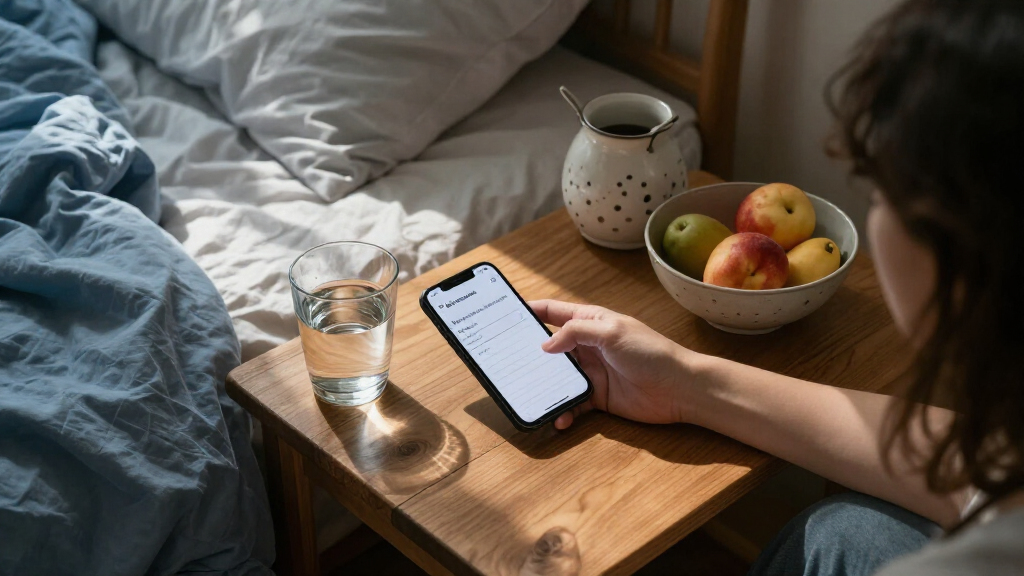

TL;DR
After a bad night, get up near your usual time, use daylight and gentle movement, and make the day easier where you can. Use caffeine thoughtfully, keep any nap brief and early, avoid driving when dangerously sleepy, and return to your usual wind-down instead of trying to force an early bedtime.
You wake up after a restless night, and even the kitchen light feels too bright. Your thoughts may move slowly; small tasks can feel oddly large. A bad night of sleep can make the day feel harder, but one rough night usually does not call for an elaborate reset.

Get wellness gear delivered free with Prime
- Fast, free delivery on millions of items
- Prime Video, Amazon Music and more included
- Member-only deals all year
This no-panic day plan helps you focus on what you can control: a steady wake time, manageable demands, safe choices, and a familiar evening routine. You’ll also find practical guidance on caffeine, naps, and when repeated sleep trouble deserves a conversation with a healthcare professional. The aim is to get through today with care, not to demand peak performance from a tired brain.
Get up near your usual time and use daylight, water, and gentle movement to begin the day.
Reduce optional demands and do not drive or handle hazardous work if you feel dangerously sleepy.
Use caffeine according to your sensitivity and planned sleep time; a late serving may interfere with bedtime.
If you nap, keep it brief and early relative to your intended bedtime.
Return to a familiar wind-down routine, and seek professional guidance when sleep trouble is persistent or seriously affects daily life.
Resetting After a Bad Night: A No-Panic Day Plan
One rough night can make the day feel harder, but it usually does not call for an elaborate fix. Focus on a steady routine, manageable demands and safe choices.
Start with a steady morning
Keep the day familiar and gentle; steady means reasonably consistent with your real schedule.
Avoid sleeping in for hours. Drink water and follow your ordinary morning routine.
Step outside or sit by a bright window, then try an easy walk or stretch.
Make the day safer and easier
Protect your attention instead of demanding peak performance from a tired brain.
- Choose the tasks that truly need attention.
- Move flexible work and take short breaks.
- Ask for practical help when needed.
- Do not drive if dangerously sleepy.
- Avoid hazardous work when you cannot stay alert.
- Follow workplace safety procedures.
Manage alertness thoughtfully
Light, movement, caffeine and rest can help make the day more manageable, but they cannot erase a bad night.
Use the bright hours
Morning daylight can support alertness and your day–night rhythm.
Keep it measured
Start with what you normally drink. Sensitivity varies, and late caffeine may interfere with bedtime.
Choose an easy pace
A comfortable walk or stretch is enough; skip the intense workout if you need a quieter day.
Nap briefly and early if needed
A nap is optional. Keep it short and early relative to your intended bedtime.
Return to your usual wind-down
Keep the evening familiar and go to bed when sleepy; do not try to force an unusually early bedtime.
Start With a Steady Morning, Not a Sleep-In Marathon
After a bad night, get up close to your usual time, open the curtains, and start the day gently. A consistent wake time helps keep your routine familiar, while sleeping in for hours can shift the timing of the next night. You may feel tired for a while; that feeling alone does not mean your whole day is lost.
Try the ordinary things first: drink water, wash your face, and eat breakfast if that is part of your routine. Step outside for a few minutes or sit near a bright window. Morning daylight and gentle movement, such as walking to the mailbox or stretching beside the bed, can support daytime alertness and your day–night rhythm.
For example, if you usually get up at 7 a.m. but woke several times overnight, you could still get up around 7, make toast, and take a short walk. You do not need to squeeze in a hard workout or prove you feel fine. If you care for children, work shifts, or need extra time in the morning, adapt the routine to your real schedule; steady means reasonably consistent, not identical for everyone.
Think of the morning as a handrail, not a test. Keeping meals and activities roughly on their usual schedule gives your day a familiar shape. If daylight is limited where you live or you cannot get outside, use the brightest comfortable space available and keep your movement easy.
Products Worth Considering

WORX Landroid Vision Cloud WO7145 Robot Lawn Mower for Up to 1/2 Acre

DEWALT DWE315SK Oscillating Multi-Tool Kit

EGO POWER+ 16-Inch POWERLOAD String Trimmer with Telescopic Carbon Fiber Shaft (Battery and Charger Not Included)
As an affiliate, we earn on qualifying purchases.
Make Today Easier and Put Safety First
A no-panic day plan means lowering optional demands and protecting your attention, especially around driving, machinery, or other tasks that need quick reactions. Sleepiness can affect focus, and no productivity trick makes a dangerously sleepy person safe to drive. If you feel drowsy behind the wheel, do not drive; arrange another ride or pause somewhere safe.
Look at your day and choose one or two tasks that truly need your attention. Move flexible work, add short breaks, and keep a glass of water nearby. A five-minute pause in a quiet room can feel more useful than pushing through another hour while rereading the same email.
Imagine you slept poorly before a day of errands. You might postpone a non-urgent shopping trip, ask someone else to handle a long drive, and do a familiar household task at a slower pace. If your job involves equipment or other safety-sensitive work, follow workplace safety procedures and tell the appropriate person if fatigue makes the task unsafe.
These adjustments are about getting through a tired day with care, not judging your ability. Children, older adults, shift workers, and hard-of-hearing sleepers may face different schedules or responsibilities. Choose the simplest change that fits your circumstances, and ask for practical help when you need it.
If you feel dangerously sleepy, skip the drive. A late arrival or changed plan is easier to manage than trying to travel when you cannot stay alert.
Use Light, Movement, and Caffeine Without Overdoing It
Daylight, gentle activity, and a measured amount of caffeine can help make a sleepy day more manageable, but none can erase the effects of a bad night. Morning light can support your day–night rhythm, while a short walk may help you feel more awake without turning the day into a fitness challenge. Caffeine affects people differently and can linger for hours.
Keep movement comfortable: walk around the block, take the stairs if that feels easy, or stand up to stretch between tasks. If your energy is low, a slow ten-minute walk is enough to count as movement. You do not need to push through an intense workout when your body is asking for a quieter day.
For caffeine, start with what you normally drink rather than stacking coffee, energy drinks, and tea because you feel foggy. A person who usually has one morning coffee might keep that cup and skip a late-afternoon refill. If you are sensitive to caffeine, even an earlier serving may affect your sleep; if you work nights, think about caffeine in relation to your planned sleep time rather than the clock alone.
Alcohol and supplements are not dependable shortcuts for recovering from one rough night. Melatonin is not a universal fix, and its timing and suitability vary. If you have a health condition, take medication, or are thinking about a supplement, ask a healthcare professional or pharmacist for guidance. A steady routine is usually a more practical place to start.
Choose a Short, Early Nap if Sleepiness Gets Heavy
A nap can be useful if sleepiness is making the day hard to manage, but keep it brief and early when your schedule allows. A short nap may offer a pause; a long or late nap can reduce your drive to sleep at your usual bedtime. Napping is an option, not a requirement.
If you decide to nap, set a timer and choose a quiet, comfortable place where you can rest without pressure. For many people, a nap of about 10 to 20 minutes is a reasonable starting point, though people respond differently and schedules vary. Leave yourself a few minutes to wake fully before driving, cooking over a hot stove, or starting a demanding task.
For instance, an office worker who feels their eyelids drooping after lunch might take a 15-minute nap in a quiet room around 1:30 p.m., then return to a simple task. If that same person naps for two hours at 5 p.m., they may feel less ready for bed later. A shift worker may need a different plan based on their sleep window, so “early” means early relative to their intended bedtime.
If you cannot nap, do not turn that into another problem to solve. Sit somewhere calm, rest your eyes, or take a slow walk in daylight. If sleepiness remains severe, especially when you need to travel or handle hazardous work, choose the safer option and get support instead of relying on a nap to guarantee alertness.
Follow Four Simple Steps Through the Rest of the Day
A simple plan for resetting after a bad night is to keep your wake time steady, reduce avoidable demands, manage sleepiness safely, and return to your usual wind-down. These steps give the day structure without treating bedtime as a performance you must get right. Adjust them for caregiving, disability, shift work, or other real-life needs.
- Morning: Get up near your usual time, drink water, eat as you normally would, and seek daylight if it is available. A short walk to a bus stop or a few minutes by a bright window can fit into an ordinary morning.
- Midday: Choose the tasks that matter most, take short breaks, and use caffeine in a way that suits your sensitivity and planned sleep time. If optional errands can wait, let them wait.
- When sleepiness builds: Avoid driving or hazardous work if you cannot stay alert. If it fits your schedule, try a brief, early nap; give yourself time to wake before resuming a demanding activity.
- Evening: Follow a familiar calming routine and go to bed when you feel sleepy. If you are awake in bed and getting frustrated, try a quiet, low-stimulation activity until you feel ready to return.
Picture a parent who slept badly before a busy weekday. They might keep the school run if they feel alert enough, ask a neighbour for help with an optional errand, and leave the phone aside during a familiar bedtime routine. The details will vary, but the principle is steady: make the day safer and simpler, then give the night room to unfold.
Let Bedtime Be Familiar Instead of Forcing an Early Night
After a bad night, return to your usual evening habits and go to bed when you feel sleepy. Going to bed much earlier to “make up” sleep can leave you lying awake, watching the clock, and growing frustrated. The goal is a calmer, familiar evening, not a perfect number on a sleep tracker.
Make the room comfortable in ways that suit you: dim a bright lamp, lower distracting noise if possible, and choose bedding that feels comfortable. A warm shower, a few pages of a book, or quiet music can mark the shift from busy day to rest. If you share a room, agree on small changes that work for both sleepers, such as a dimmer light or a quieter activity.
Suppose you usually turn in at 10:30 p.m. but feel tired at 9:15. You can start your wind-down earlier, then head to bed when you are genuinely sleepy rather than getting under the covers just to recover hours. If you are awake and frustrated, leave the clock alone and do something quiet in low light until sleepiness returns.
One restless evening does not mean the night has failed. Try not to treat sleep as something you can force by adding alcohol, taking an unfamiliar supplement, or staying in bed for hours. If you are considering melatonin or a sleeping medicine, ask a clinician or pharmacist about suitability, timing, and possible interactions, especially if you have a health condition or take medication.
Notice When Poor Sleep Needs More Support
One isolated bad night usually is not a reason to panic, but repeated sleep trouble that affects daily life deserves attention. If poor sleep happens often, lasts for months, or leaves you struggling with everyday responsibilities, consider speaking with a healthcare professional. A simple record of sleep times, naps, caffeine, and how you feel can help you describe the pattern.
Some signs call for a more direct conversation: loud snoring, pauses in breathing during sleep, or severe daytime sleepiness. A partner might notice breathing pauses that you cannot see yourself, while a shift worker might find that fatigue repeatedly interferes with safe travel home. You do not need to diagnose the cause on your own; share what you have noticed with a professional.
For example, a person who sleeps poorly once during a noisy weekend may return to their usual pattern the next night. Someone who has been waking most nights for several months and can barely focus at work faces a different situation and may benefit from tailored guidance. The difference is the pattern and its effect on daily life, not whether one particular night was especially rough.
Keep your notes practical rather than turning them into a scorecard. Write down when you went to bed, roughly when you woke, and anything that seemed to affect sleep. If you have a medical condition, take medication, or are thinking about a sleep aid or supplement, ask a healthcare professional or pharmacist for advice suited to you.
Frequently Asked Questions
Should I sleep in to make up for a bad night?
A little extra rest may feel welcome, but sleeping much later than usual can shift your schedule. Try to get up near your normal time and keep the rest of the day manageable. If your work or sleep schedule varies, aim for consistency relative to your own routine.
Should I go to bed early tonight?
Start your usual calming routine and go to bed when you feel sleepy. Turning in much earlier than normal may leave you awake and frustrated. If you cannot sleep, choose a quiet, low-stimulation activity until you feel ready to return to bed.
Is a nap a good idea after poor sleep?
A brief nap can help some people get through a sleepy day, especially when taken early enough to leave room before bedtime. A long or late nap may make it harder to sleep at your usual time. If your schedule involves night shifts, relate the nap to your planned sleep window.
Is it safe to drive after a bad night?
Not if you feel too sleepy to stay alert. Sleepiness can affect attention and reaction time, so arrange another ride or pause your trip somewhere safe. A cup of coffee does not guarantee that you are safe to drive.
When should I ask a professional about poor sleep?
Consider professional advice if sleep trouble happens often, lasts for months, or makes daily life difficult. Loud snoring, pauses in breathing during sleep, or severe daytime sleepiness are also good reasons to talk with a healthcare professional. You can bring a simple record of your sleep and daily routine.
Conclusion
After one bad night, simplify the day and keep your routine steady. Get daylight, take breaks, skip unsafe tasks when sleepy, and use a brief nap only if it fits your schedule. In the evening, let your familiar wind-down lead you toward bed when you feel ready.
You do not have to win back every lost hour by force. Treat today like a well-worn path through fog: take the next safe step, then let the evening lights grow soft.