
TL;DR

Get wellness gear delivered free — and shop member deals
- Fast, free delivery on millions of items
- Access to Prime Big Deal Days deals on October 6–7
- Prime Video, Amazon Music and more included
Seeing the clock at night can increase anxiety and prolong wakefulness. Hiding your clock from bed reduces this temptation, helping you fall asleep faster and sleep more soundly.
Ever glance at the clock in the middle of the night, only to find yourself wide awake for hours? That simple act often triggers anxiety, making sleep even harder to regain. The idea of a clock you can’t see from bed isn’t just about minimalism — it’s a practical way to cut down on nighttime disruptions and promote deeper, more restful sleep.
In this guide, you’ll learn why hiding your clock can make a real difference, how to implement it easily, and the science behind why less visual distraction equals better sleep. If you’re tired of waking up feeling groggy and anxious, this small change could be your secret weapon.
Seeing the clock at night can increase anxiety, prolong wakefulness, and disrupt sleep cycles.
Hiding or covering your clock reduces the temptation to check and promotes longer, more restful sleep.
Choose clocks that only display the time when activated or keep your existing clock out of sight.
Creating a sleep environment free of visual distractions supports better sleep hygiene.
Small changes, like moving your clock across the room, can have a big impact on sleep quality.
Why Seeing the Clock at Night Wrecks Your Sleep
When you see the clock during those middle-of-the-night moments, your brain can jump to worry. ‘How long have I been awake?’ or ‘Will I get enough sleep before my alarm?’ These thoughts spike your stress hormones, making it harder to relax and drift back into sleep.
Imagine waking up at 3 a.m., eyeing the glowing numbers. The longer you stare, the more your mind fixates on the lost sleep, turning a brief wake-up into a full-blown insomnia episode. Research suggests that visual cues like clocks can increase wakefulness by as much as 30% during the night.
Furthermore, this heightened alertness can create a cycle where anxiety about sleep itself becomes a barrier to restful sleep. The more you check, the more your mind perceives sleep as elusive, which can lead to frustration and a sense of helplessness that compounds the problem. Recognizing this pattern is key to understanding why reducing visual cues can have a profound impact on your sleep quality.
As an affiliate, we earn on qualifying purchases.
How a Hidden Clock Can Help You Sleep Better
Keeping your clock out of sight reduces the temptation to check it repeatedly. Without that visual trigger, your mind relaxes faster, and you’re less likely to spiral into anxiety about sleep loss.
This isn’t just about distraction; it’s about altering your sleep environment to promote a calmer mental state. When your brain isn’t stimulated by the glow or the ticking, it can transition more smoothly into sleep. Over time, this creates a positive feedback loop: less anxiety leads to better sleep, which further reduces the urge to check the clock.
By removing the visual cue, you also reduce the mental association between your bed and wakefulness. This can help recondition your brain to see the bed as a place for rest, not worry or hypervigilance. The cumulative effect is longer periods of uninterrupted sleep and a more relaxed nighttime experience.
alarm clock with no visible display
As an affiliate, we earn on qualifying purchases.
As an affiliate, we earn on qualifying purchases.
The Best Ways to Keep Your Clock Out of Sight
- Place your alarm clock on a dresser or shelf out of your line of sight. This simple physical barrier prevents accidental glances that can trigger anxiety.
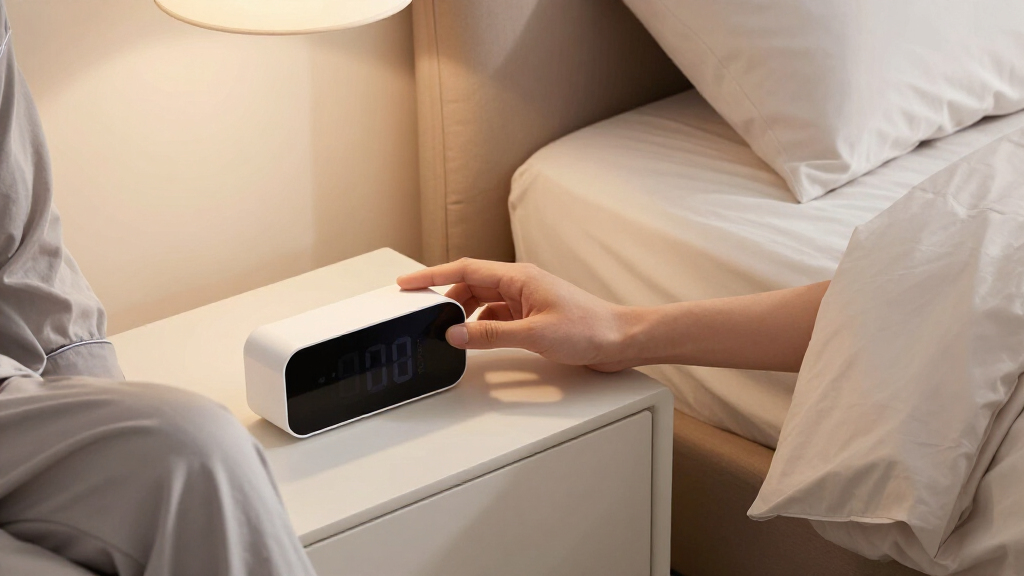
- Use a clock that only displays the time when you press a button or touch it. This feature ensures you only see the time intentionally, reducing unconscious checking.
- Cover your clock with a cloth or paper at night. This method is quick and inexpensive, but be mindful to remove the cover in the morning for easy time-checking.
- Opt for clocks with minimal or no display, like those that only beep or vibrate. These are designed to minimize visual distraction and can be especially useful if you’re sensitive to light.
- If you use your phone as an alarm, keep it across the room or set it to night mode, so it doesn’t light up or distract you during the night. This not only prevents visual cues but also reduces exposure to blue light, which can interfere with melatonin production.
For example, Sarah kept her alarm across the room, and after a week, she noticed she woke up less anxious and felt more rested. It’s a small change with a big impact that can help reset your sleep patterns and reduce nighttime stress.
clock that only shows time when activated
As an affiliate, we earn on qualifying purchases.
As an affiliate, we earn on qualifying purchases.
Comparison: Traditional Clocks vs. Hidden Clocks
| Feature | Traditional Bedside Clock | Hidden or Discreet Clock |
|---|---|---|
| Visibility | Always visible, glowing or illuminated | Out of sight, only visible when needed |
| Distraction | High — encourages frequent checks | Low — reduces temptation to look |
| Sleep Impact | Potentially disrupts sleep due to anxiety | Supports longer, uninterrupted sleep |
| Ease of Use | Simple — just glance at the clock | Requires some setup but minimal effort |
Choosing a hidden clock or covering your existing one can help you avoid the trap of nighttime clock-watching. The difference in sleep quality can be noticeable within just a few nights.
bedroom clock cover or hideaway clock
As an affiliate, we earn on qualifying purchases.
As an affiliate, we earn on qualifying purchases.
Simple Steps to Make Your Bedroom Clock-Free (or Less Distracting)
- Identify your current clock and decide if you’ll hide, cover, or replace it. Consider how each option affects your mental association with sleep and wakefulness.
- Place it out of your line of sight — on a dresser, across the room, or inside a drawer. This physical separation minimizes the likelihood of unconscious glances that can trigger anxiety.
- If you rely on your phone as an alarm, set it to silent and keep it across the room. This prevents the temptation to check the time and reduces exposure to blue light, which can delay melatonin production.
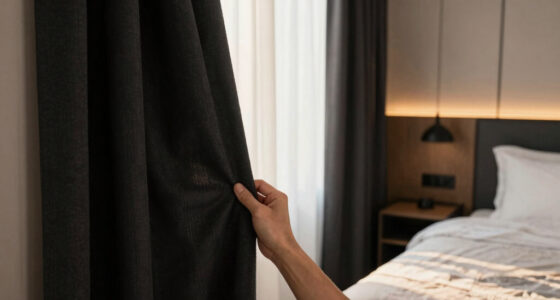
- Use blackout curtains and dim your nightstand lamp to create a calming sleep environment. A dark room signals your brain that it’s time to rest, reinforcing your sleep cues.
- Stick to these habits consistently for at least a week, and observe how your sleep quality and nighttime anxiety improve. The cumulative effect can be significant, helping to rewire your sleep habits.
For example, Mark moved his alarm clock to the closet, and within days, he felt less anxious waking up in the middle of the night and slept more deeply. Small adjustments like these can have a compounding positive effect on your overall sleep health.
Real Benefits of Hiding Your Clock from Bed
Most sleepers notice a change within a few nights. Falling asleep becomes easier because you’re not fixated on the clock, which often acts as a mental trigger for worry and hyperarousal. When that visual cue is removed, your mind can settle into a calmer state, facilitating quicker transition into sleep.
Waking up at night feels less stressful because the absence of the clock reduces the temptation to check repeatedly. This decrease in nighttime checking not only extends your sleep duration but also diminishes the fragmented sleep pattern caused by frequent awakenings. Over time, this leads to more restorative sleep cycles, which are critical for cognitive function, mood stability, and overall health.
Over the long term, this small change can support better mental health by reducing nighttime anxiety, which is often linked to sleep disorders. Less anxiety about sleep can also improve daytime functioning, mood, and energy levels. The reduction in wakefulness, supported by studies showing a 20-30% decrease in nighttime arousals, underscores how impactful this simple adjustment can be for your sleep quality and mental well-being.
What If You Really Need to Check the Time in the Night?
If you often wake up and need to know the time, consider using a clock that only displays the time when you press a button. This feature helps prevent habitual checking and reduces the mental association between waking and clock-watching. It also allows you to stay in a restful state without unnecessary light exposure or cognitive distraction.
Alternatively, keep a clock out of sight and get up if you need to check it. Sitting up and looking at a clock can serve as a controlled way to reset your focus, helping prevent endless, subconscious clock-watching that can prolong wakefulness. This approach also encourages physical movement, which can promote relaxation and help you return to sleep more easily.
For example, some people keep a small, non-illuminated clock in the bathroom or on a shelf, so they can check the time without creating extra light or alerting their brain to the passage of time. This strategy balances the need for reassurance with the goal of minimizing sleep disruption.
Frequently Asked Questions
Can I just cover my clock with a cloth every night?
Absolutely. Covering your clock with a cloth or paper at night is a quick, inexpensive way to reduce visual cues. Just make sure to remove the cover in the morning so you can see the time easily when you wake up.Will hiding my clock really make a difference?
Yes. Multiple studies show that reducing visual cues like clocks can lower nighttime wakefulness by up to 30%. It helps your brain relax and decreases the anxiety that often keeps you awake.What if I need to check the time during the night?
Use a clock that only displays the time when you press a button, or keep a clock out of sight and get up if needed. Sitting up to check it can help reset your focus and prevent endless clock-watching.Are there clocks designed specifically for this purpose?
Yes, some clocks are made with minimal or no display, or only show the time when activated. These can be a good choice if you prefer a dedicated device that discourages nighttime checks.Is this suitable for kids or seniors?
Definitely. Creating a sleep-friendly environment without visible clocks can benefit all ages by reducing bedtime anxiety and promoting healthier sleep habits.Conclusion
Hiding your clock from bed isn’t about tech or fancy gadgets — it’s about respecting your sleep space and reducing triggers that keep you awake. A simple shift in where your clock sits can turn restless nights into peaceful, uninterrupted rest.
Think of it as giving your mind a gentle nudge toward calm, giving you the best chance to wake up refreshed. Your future self will thank you for making this small change today.
Fall Picks
fall essentials
As an affiliate, we earn on qualifying purchases.