
TL;DR

Get wellness gear delivered free — and shop member deals
- Fast, free delivery on millions of items
- Access to Prime Big Deal Days deals on October 6–7
- Prime Video, Amazon Music and more included
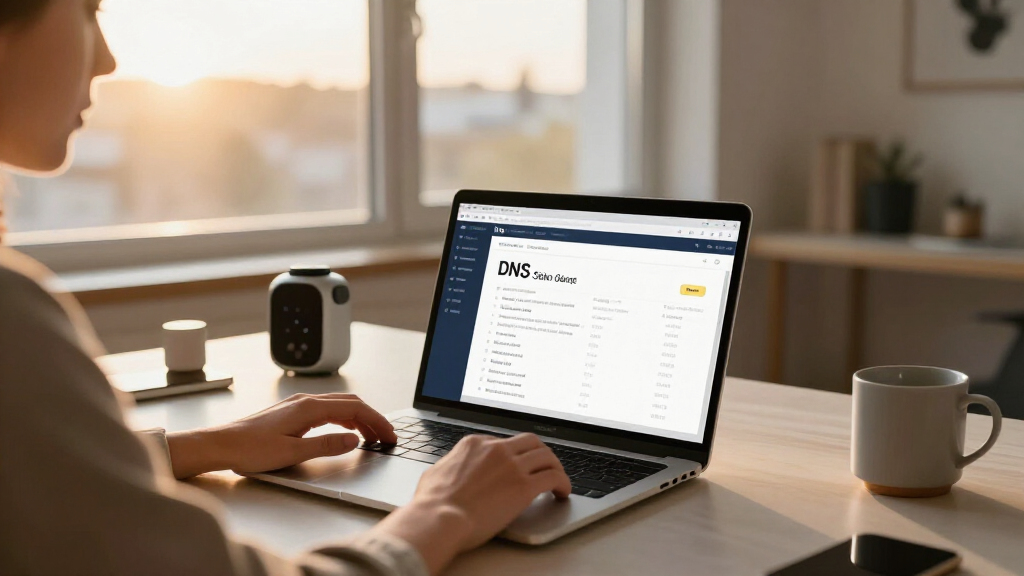
Domain owners can now flag their domains as for sale directly in DNS records, streamlining the sales process. This development is confirmed and could impact domain marketplace practices.
Domain owners can now explicitly declare their domains as for sale within DNS records, a development confirmed by DNS industry sources. This feature allows domains to carry a clear, standardized marker indicating availability for purchase, potentially transforming domain marketplace practices and transaction processes.
The new capability is part of a recent update to DNS protocols, enabling a domain’s DNS records to include a specific ‘for sale’ status. This status is stored as a DNS resource record, making it visible to DNS resolvers and potentially to domain management tools. According to sources familiar with the update, the feature aims to simplify and automate the process of indicating domain availability, reducing reliance on external marketplaces or manual communication.
It is confirmed that the feature is supported by major DNS providers and registrars who have integrated the necessary updates into their systems. Domain owners can now add a ‘for sale’ flag via standard DNS management interfaces, which then propagates through the DNS system. This change is designed to be compatible with existing DNS standards, requiring no major overhaul of infrastructure.
Industry experts suggest that this feature could facilitate more transparent and direct domain sales, potentially reducing transaction times and increasing efficiency. However, the implementation is still in early stages, and widespread adoption remains to be seen.
Implications for Domain Marketplaces and Ownership Transparency
This development could significantly impact how domain sales are conducted by enabling owners to publicly signal their domains are for sale directly through DNS records. It may reduce the need for external marketplaces, streamline negotiations, and increase transparency in domain ownership status. For buyers, this could mean easier identification of available domains and faster transaction processes. For sellers, it offers a new, standardized way to advertise availability without additional platforms.
However, there are concerns about potential misuse, such as false claims or spam, which industry stakeholders will need to monitor. The feature’s success depends on adoption rates and how well it integrates with existing domain management and sales workflows.
As an affiliate, we earn on qualifying purchases.
Recent Advances in DNS Protocols and Domain Sales
Over the past few years, DNS protocols have seen incremental updates aimed at improving domain management and security. The ability to mark a domain as for sale represents a new step toward integrating domain sales more directly into the DNS infrastructure. Prior to this, domain sales relied heavily on external marketplaces, escrow services, and manual negotiations.
This change follows broader industry trends toward automation and transparency, with major registrars and DNS providers experimenting with features that embed sales signals directly into DNS records. The concept has been discussed within industry forums for several months, with this latest update confirming its viability and support from key players.
While the technical details are new, the idea of signaling domain availability through DNS aligns with ongoing efforts to streamline digital asset management and reduce friction in domain transactions.
As an affiliate, we earn on qualifying purchases.
Extent of Adoption and Practical Use Cases Still Unclear
It is not yet clear how widely this feature will be adopted across registrars and DNS providers, nor how it will be integrated into existing domain sales workflows. Industry insiders suggest that adoption may be slow initially, and the actual impact on domain markets remains uncertain as the feature is still in early rollout stages.
Additionally, concerns about potential misuse, such as false ‘for sale’ claims or spam, have not yet been addressed comprehensively, and regulatory or technical safeguards are still being discussed.
As an affiliate, we earn on qualifying purchases.
Monitoring Adoption and Developing Best Practices
The next steps include observing how major DNS providers implement and promote this feature, along with its integration into domain marketplaces and management tools. Industry groups are expected to develop guidelines for usage to prevent abuse and ensure transparency. Stakeholders will also watch for case studies and user feedback to evaluate the feature’s effectiveness and identify potential improvements.
Further updates are anticipated in the coming months, with broader industry participation likely to determine the feature’s long-term viability and influence on domain sales.
As an affiliate, we earn on qualifying purchases.
Key Questions
How does marking a domain as for sale in DNS work?
Domain owners can add a specific resource record to their DNS zone indicating the domain is for sale. This record is then visible to DNS resolvers and compatible management tools, signaling availability.
Will this replace traditional domain marketplaces?
Not immediately. It aims to complement existing methods by providing a standardized signal within DNS, which could streamline some transactions but is unlikely to fully replace marketplaces in the short term.
Are there security concerns with this feature?
Potential risks include false claims or spam. Industry groups are discussing safeguards, but specific security measures are still being developed.
When will this feature be widely available?
Support from major DNS providers and registrars is in early stages, with broader rollout expected over the next few months as adoption grows.
Can anyone add a ‘for sale’ record to their domain?
In principle, yes, if supported by the DNS provider and with appropriate access to DNS management tools. However, policies may vary by registrar.
Source: hn
Fall Picks
fall essentials
As an affiliate, we earn on qualifying purchases.