
TL;DR

Get wellness gear delivered free with Prime
- Fast, free delivery on millions of items
- Prime Video, Amazon Music and more included
- Member-only deals all year
Personal trainer Jill Brown says people in their 40s and 50s may find familiar workouts produce less progress as daily movement, lifestyle and calorie expenditure change, and as the body adapts to repeated exercise. Her suggestions include gradually adding workout time or intensity, increasing everyday movement, or trying a different exercise stimulus; these are her recommendations, not a guarantee of weight loss or results.
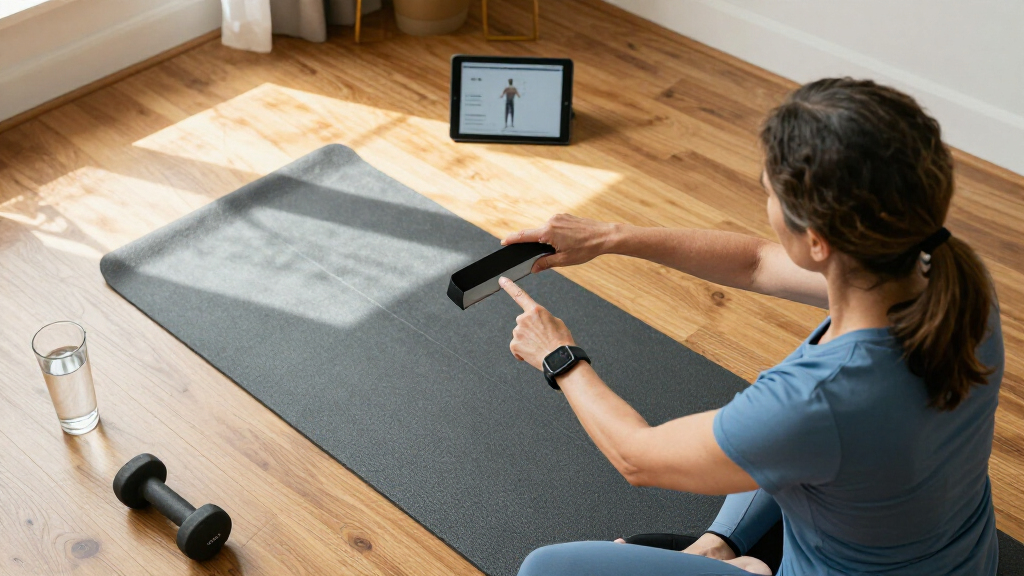
Personal trainer and Pilates instructor Jill Brown says familiar workouts may feel less effective for some people in their 40s and 50s as daily movement and lifestyle change and the body adapts to repeated exercise. In a report by Fit&Well, Brown recommends making gradual changes to workout volume, intensity or type.
Brown told Fit&Well that she hears from people who have exercised in much the same way for years and then feel frustrated when they begin gaining weight or stop making progress in their 40s or 50s. She says they may believe they are exercising as much as before, or even more, while their bodies may not be burning the same number of calories. The report presents this as Brown’s account of what she encounters with clients, not as a finding from a study.
She identifies lower daily calorie expenditure as a common factor, often linked to doing less movement outside formal workouts or to broader lifestyle changes. Brown says hormones can also play a part, but the report does not explain which hormonal changes she means or quantify their effects. The article also describes a possible training plateau: when sessions that once felt demanding become comfortable, the body may have adapted to that repeated routine.
Brown recommends choosing one adjustment at a time. Options in the report include adding 10 to 15 minutes to a workout, adding another gym session during the week, or increasing everyday activity with more steps or a longer weekend walk. For people who cannot add time, she suggests increasing the challenge of a session, such as using heavier weights, adding faster intervals to a walking workout, or doing more repetitions. She advises against increasing both workout volume and intensity at once, allowing the body to adjust before adding another challenge.
Adjustments Without Overhauling Training
The report’s practical point is that a plateau does not necessarily mean exercise has stopped being useful or that a person needs to abandon a routine. It may be worth looking both at activity outside workouts and at whether repeated sessions still provide a challenge. Brown’s suggestions offer options for people with different constraints: some can add a short amount of exercise, while others may be able to adjust intensity or vary the activity instead.
That distinction matters because simply doing more is not the only approach described. Adding time, adding intensity and changing exercise type are separate ways to alter a routine, and Brown recommends not increasing volume and intensity simultaneously. Her advice is general training guidance, however; the report provides no trial data showing how much any one adjustment changes calorie expenditure, body weight or fitness for a particular person.
Readers should treat the recommendations as possible ways to refresh a routine, not a promise of weight loss or a claim that everyone’s progress changes at the same age. The report does not account for individual health conditions, injuries, medications or other factors that can affect exercise needs. People with health concerns or a long break from training may want professional guidance before substantially changing their workouts.
adjustable dumbbells for strength training
As an affiliate, we earn on qualifying purchases.
As an affiliate, we earn on qualifying purchases.
Why Familiar Workouts Can Plateau
The article focuses on people who feel their established exercise habits are no longer producing the same visible results. Brown’s explanation combines two different ideas: a person’s overall daily movement may have declined, and a particular workout may have become more familiar and less demanding. The first concerns activity throughout the day; the second concerns adaptation to a repeated exercise stimulus.
Fit&Well’s report does not establish that age alone causes a drop in calorie burn, nor does it provide measurements that distinguish the effects of age, hormones, routine or lifestyle. Brown’s examples are intended to explain why someone might perceive a change and to offer training adjustments. The article’s recommendations therefore should not be read as a universal prescription for everyone in their 40s and 50s.
““Your body adapts to the workouts that you do, so if you don’t change your workouts regularly, you’ll stop seeing progress.””
— Jill Brown, as quoted by Fit&Well
As an affiliate, we earn on qualifying purchases.
What the Report Does Not Establish
The report does not identify a specific age-related mechanism or quantify how much calorie expenditure changes for people in midlife. It also does not provide evidence about how frequently hormones contribute, which hormonal changes are involved, or how those effects compare with changes in daily movement. Brown’s comments are attributed advice and observations; no study, dataset or independent expert assessment is cited in the supplied material.
It is also unclear how much any suggested adjustment would help an individual, or whether weight gain in a particular case is related to training, diet, health, medication or other circumstances. The report gives no follow-up results from people who tried Brown’s recommendations. Its guidance should not be taken to establish that everyone needs more exercise or that a plateau can always be resolved by changing workouts.
high-intensity interval training (HIIT) workout DVD
As an affiliate, we earn on qualifying purchases.
As an affiliate, we earn on qualifying purchases.
How to Apply the Training Advice
Brown’s approach, as reported by Fit&Well, is to identify one manageable change and allow time to adjust before adding another. That could mean a slightly longer session, an additional weekly workout, more walking, a modest increase in resistance or repetitions, or a different exercise such as kettlebell work or suspension training. The report does not prescribe a schedule or specify how quickly to progress.
Readers considering a change can pay attention to whether their current sessions still feel challenging and whether their everyday movement has shifted, then choose an adjustment suited to their time and fitness level. Anyone with an injury, a chronic condition or uncertainty about increasing exercise can seek advice from a qualified health professional or trainer. No further study, official guidance or follow-up from Brown is identified in the supplied report.
lightweight resistance bands for exercise
As an affiliate, we earn on qualifying purchases.
As an affiliate, we earn on qualifying purchases.
Key Questions
Why might a usual workout feel less effective in your 40s or 50s?
Brown says less movement outside workouts, lifestyle changes and possible hormonal factors may affect daily calorie expenditure. She also says the body may adapt to a repeated routine, making sessions feel easier. The report does not establish that age alone explains a plateau.
What changes does trainer Jill Brown suggest?
Her options include adding 10 to 15 minutes to a session, adding a weekly workout, walking more, increasing resistance or repetitions, or trying a different activity. These are general suggestions rather than guaranteed results.
Should you increase workout time and intensity together?
No. Brown advises changing volume or intensity first, not both at the same time, and letting the body adjust before adding another challenge.
Does the report prove that workouts stop working after 40?
No. The report presents Brown’s explanations and recommendations but cites no study or measurements establishing a universal age-related effect. It does not show that every person experiences a plateau or that a workout becomes ineffective.
Source: rss
Fall Picks
fall essentials
As an affiliate, we earn on qualifying purchases.