
TL;DR

Get wellness gear delivered free — and shop member deals
- Fast, free delivery on millions of items
- Access to Prime Big Deal Days deals on October 6–7
- Prime Video, Amazon Music and more included
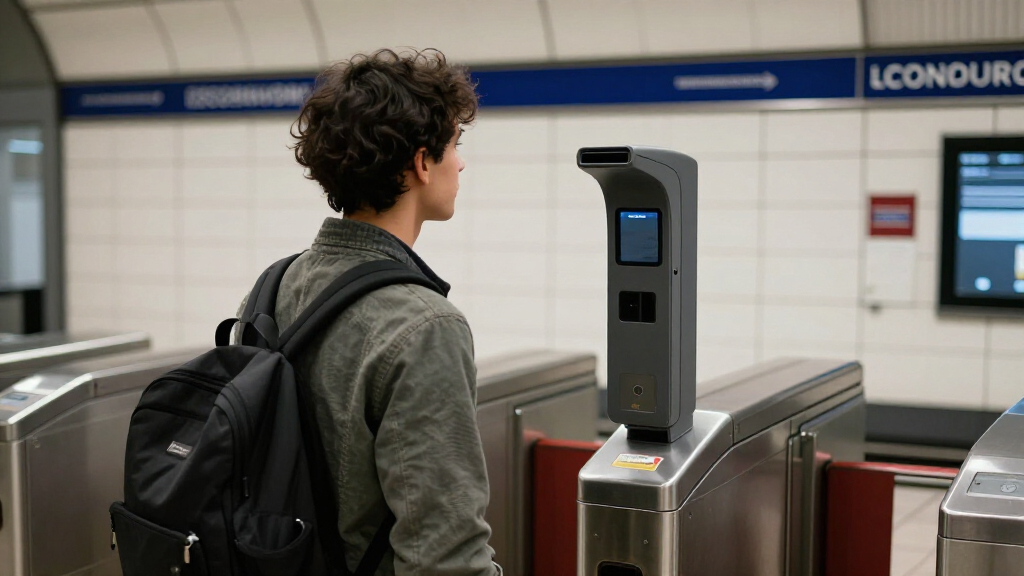
London Underground has initiated face scanning of passengers at select stations. The program is in early stages, with authorities citing security reasons while privacy advocates raise concerns. Details about scope and data use remain unclear.
London Underground has begun implementing face scanning technology on passengers at select stations, confirming a move toward automated security measures. The initiative aims to enhance safety and streamline fare enforcement, according to Transport for London (TfL). The development marks a notable shift in transit security practices, with privacy concerns now emerging as a key issue for the public and watchdog groups.
Transport for London (TfL) announced that face scanning technology has been deployed at a limited number of stations as part of a pilot program. The system uses cameras equipped with facial recognition software to identify individuals, primarily targeting fare evaders and security threats. TfL states that the technology is designed to operate anonymously and that data will not be stored long-term or used for surveillance beyond security purposes.
Sources within TfL confirmed that the pilot began in recent weeks, with testing conducted during off-peak hours to evaluate system accuracy and efficiency. The technology is reportedly capable of matching faces against existing databases of wanted persons or fare evaders, with alerts generated for security personnel when matches occur. The rollout is currently limited and not yet nationwide, with plans for further assessment before broader deployment.
Potential Impact on Passenger Privacy and Security
This development is significant because it represents a major shift toward automated surveillance in public transportation. While authorities emphasize security benefits, privacy advocates warn that facial recognition technology can lead to mass data collection and potential misuse. The pilot’s limited scope suggests TfL is testing the technology’s effectiveness, but the broader implications for civil liberties are still unclear.
facial recognition security camera
As an affiliate, we earn on qualifying purchases.
As an affiliate, we earn on qualifying purchases.
Background of Surveillance Initiatives in London Transit
London has previously experimented with various surveillance measures, including CCTV cameras and biometric systems, primarily for security and fare enforcement. The move toward facial recognition in transit is part of a wider trend across the UK and globally, where authorities seek to leverage biometric data to improve safety and operational efficiency. Past efforts faced criticism over privacy rights, and this latest pilot is likely to intensify those debates.
“The face scanning system is a pilot project aimed at enhancing security and reducing fare evasion. We are committed to ensuring data privacy and will evaluate its effectiveness carefully.”
— Transport for London spokesperson
privacy screen protector for smartphones
As an affiliate, we earn on qualifying purchases.
As an affiliate, we earn on qualifying purchases.
Unclear Scope and Long-Term Data Use Policies
It remains unclear how widespread the face scanning system will become across London’s transit network, and whether the data collected will be stored or shared with third parties. TfL has stated that the pilot is limited and data will not be stored long-term, but specifics about future plans and safeguards are not yet publicly available. The legal and ethical frameworks governing this technology are still evolving.
As an affiliate, we earn on qualifying purchases.
Next Steps in Pilot Evaluation and Policy Development
TfL plans to continue testing the face scanning system over the coming months, with a detailed assessment of its accuracy, privacy impact, and operational benefits. Based on the pilot results, authorities may decide whether to expand the program or implement additional safeguards. Public consultation and regulatory reviews are expected to follow as part of the decision-making process.
As an affiliate, we earn on qualifying purchases.
Key Questions
Will face scanning be mandatory for all London Underground passengers?
Currently, the system is being tested as a pilot at select stations, and it is not mandatory for all passengers. Future plans depend on pilot outcomes and public feedback.
How is passenger privacy protected during the face scanning process?
Transport for London states that the system operates anonymously, and data is not stored long-term. However, specific privacy safeguards and data handling policies are still being developed and clarified.
Could this technology lead to increased surveillance in London?
Potentially, as facial recognition systems can be expanded beyond initial security purposes. Privacy advocates warn that without strict controls, it could contribute to broader surveillance efforts.
What legal regulations govern the use of facial recognition in UK public spaces?
The use of facial recognition is subject to data protection laws, including GDPR. However, regulations are still adapting to new biometric technologies, and specific legal frameworks for transit use are under discussion.
Source: hn
Fall Picks
fall essentials
As an affiliate, we earn on qualifying purchases.