
TL;DR

Get wellness gear delivered free with Prime
- Fast, free delivery on millions of items
- Prime Video, Amazon Music and more included
- Member-only deals all year
An Athletech News report says obesity medications can support meaningful weight loss, but treatment should also address strength, fitness and daily function. It calls for integrating exercise, nutrition and behavioral support, including qualified exercise professionals, into obesity care. The report does not provide new clinical-trial data or a formal treatment guideline.
A report published by Athletech News argues that obesity medications should be paired with exercise, nutrition and behavioral support, rather than treated as a stand-alone plan. The piece says that while medications can support weight loss, care should also focus on preserving strength, improving fitness and maintaining physical function.
The report describes GLP-1-based and other obesity medications as a major advance in care, citing clinical trials that have shown meaningful weight loss and improvements in metabolic health. It also says millions of Americans are using these medications. The source material does not identify specific trials, provide figures for their outcomes or give a current count of users.
A central concern in the report is that significant weight loss can involve reductions in both fat mass and lean body mass, including skeletal muscle, regardless of how the weight loss occurs. The piece says fat loss accounts for most weight reduction, while some muscle loss may also occur. Because muscle contributes to strength, mobility, metabolic health and everyday function, the report argues that preserving it should be part of treatment planning.
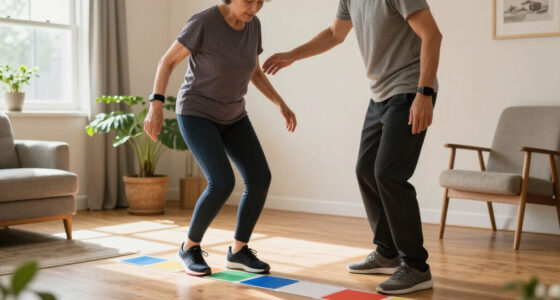
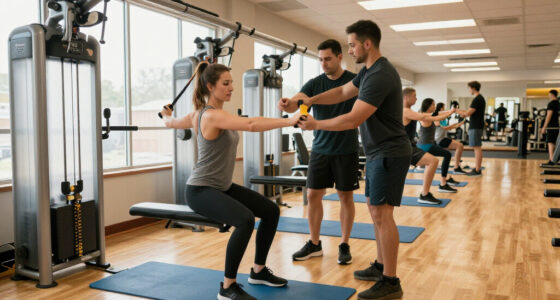
The report recommends resistance exercise to help maintain muscle and strength, alongside aerobic activity to support cardiorespiratory fitness and cardiovascular and metabolic health. It also identifies adequate dietary protein as a potential support for maintaining lean tissue. These are presented as elements of comprehensive care, not as substitutes for medical treatment or individualized clinical advice.
Care Beyond the Scale
The report’s main point is that weight alone does not capture every health outcome. A person’s strength, fitness, ability to perform daily activities and quality of life may matter alongside changes on the scale. Focusing only on weight can leave important parts of health and treatment progress out of view.
The recommendations also have practical implications for how care is organized. The report calls for closer coordination among clinicians, exercise professionals and registered dietitian nutritionists, so patients can access support suited to their needs. It says qualified exercise professionals can develop individualized programs and help people build habits they can maintain. The article does not set out a particular referral standard or measure the effects of this proposed model of care.
Products Worth Considering

Makita SP6000J 6-1/2-Inch Plunge Circular Saw

Greenworks 2100 PSI Electric Pressure Washer

EGO Power+ 10” Cordless Pole Saw with Telescopic Shaft and LED Cut Line Indicator
As an affiliate, we earn on qualifying purchases.
Medication and Lifestyle Together
The report situates its argument within a public discussion that has focused heavily on eligibility, cost and insurance coverage for obesity medications. It says less attention has gone to changes in the body during substantial weight loss and to strategies that may help patients preserve muscle and function.
It frames obesity as a complex, chronic disease shaped by biological, environmental, behavioral and social factors. In that view, medication and lifestyle support are not competing approaches. The article says medications may reduce appetite, increase satiety and support weight loss, but do not directly build muscle or improve cardiorespiratory fitness.
On exercise referrals, the report points to the U.S. Registry of Exercise Professionals as a resource for checking credentials and scope of practice. It also names the American Council on Exercise as an organization preparing exercise professionals to work alongside healthcare providers. These examples reflect the report’s recommendation; they are not evidence that such referrals are routinely available across healthcare systems.
“The goal should not simply be to become lighter. It should be to become healthier, stronger and better able to do the things that matter most.”
— Athletech News report
Evidence and Implementation Gaps
The supplied report does not present new research, clinical-trial results or a formal medical guideline. It offers recommendations based on its account of existing evidence, but does not specify how much resistance or aerobic exercise patients should do, how much protein they need, or how plans should change for different health conditions or abilities.
It is also unclear how widely qualified exercise professionals are currently integrated into obesity care, what insurance coverage is available for that support, or what outcomes would follow from routine referrals. The report discusses muscle loss as a concern during substantial weight loss but does not give a medication-specific estimate or establish that every patient will experience it.
Integrating Support Into Care
The report calls on healthcare systems to include qualified exercise professionals more routinely in obesity treatment and to coordinate their work with physicians, dietitians and other providers. It does not announce a policy change, implementation timeline or new program, so those steps remain recommendations rather than confirmed developments.
For patients, the report’s practical message is to discuss activity, nutrition and any relevant health limitations with their healthcare provider while considering obesity treatment. The source does not provide individualized exercise or dietary prescriptions; those plans should be tailored to the person’s health and circumstances.
Key Questions
What is the report recommending?
It recommends pairing obesity medications with exercise, nutrition and behavioral support, with attention to strength, fitness and physical function as well as weight.
Why does it emphasize resistance exercise?
The report says significant weight loss can include some loss of lean body mass. It presents resistance exercise as a way to support muscle and strength during treatment, not as a guarantee against muscle loss.
Does the report say medication alone is ineffective?
No. It describes obesity medications as capable of supporting meaningful weight loss and metabolic improvements. Its argument is that medication does not directly build muscle or improve fitness, so other aspects of health may need separate support.
Are exercise professionals already part of every obesity-care team?
The report does not say that. It calls for more routine integration and notes credential resources, but gives no figures on current access or adoption across healthcare systems.
Source: athletechnews.com