TL;DR
Media coverage of WhatsApp and LinkedIn has surged globally, with mentions increasing over sixfold compared to baseline levels. This development reflects growing attention to these platforms across various regions.
Media mentions of WhatsApp and LinkedIn have surged significantly worldwide, according to recent data from GDELT. The platform analysis shows a 6.2-fold increase in coverage within a specific reporting window, highlighting a notable rise in media interest in these platforms. This surge in coverage occurs amid ongoing discussions about their roles in communication, business, and social connectivity, making it a noteworthy trend for global media and users alike.
GDELT, a global media monitoring platform, recorded 14 mentions of WhatsApp and LinkedIn during the latest reporting window, compared to a baseline average, representing a 6.2 times increase. The surge suggests that these platforms are experiencing heightened attention from media outlets across multiple regions. While the specific reasons for this spike are not yet fully clear, possible factors include recent updates, regulatory developments, or significant events involving these platforms.
Experts note that increased media coverage can influence public perception and platform engagement. Industry analysts are examining whether this trend correlates with recent platform changes, security concerns, or broader shifts in digital communication habits. The data does not specify the nature of the coverage—whether positive, negative, or neutral—but underscores a notable rise in global media interest.
Implications of the Media Surge for WhatsApp and LinkedIn Users
The increased media attention on WhatsApp and LinkedIn could impact user perceptions and platform dynamics. Elevated coverage often correlates with heightened public awareness, potentially influencing user engagement, trust, and regulatory scrutiny. For businesses and individuals relying on these platforms, understanding the reasons behind the coverage surge can help anticipate future developments, such as policy changes or feature updates. Overall, this trend underscores the importance of these platforms in global communication and commerce, and the media’s role in shaping their public image.

PingGoo Privacy Magnetic Case for iPhone 15, Anti Peep Tempered Glass Full Body Case, Front & Back 9H Tempered Glass, Privacy Screen Protector Metal Frame Anti Spy Case Cover, Purple
📱【Privacy Screen Protector】This Privacy anti-peeping magnetic case for iPhone 15 has built-in privacy screen tector. You can see…
As an affiliate, we earn on qualifying purchases.
As an affiliate, we earn on qualifying purchases.
Recent Trends and Factors Driving Media Attention
Both WhatsApp and LinkedIn have been focal points in discussions about digital communication, privacy, and business networking. Over the past months, WhatsApp has faced scrutiny over privacy policies, while LinkedIn has been involved in discussions related to professional networking and social influence. The GDELT data shows that media interest in these platforms has fluctuated over time, with recent spikes possibly linked to new feature rollouts, policy updates, or external events such as regulatory debates or high-profile user activities. This pattern indicates that media coverage can be sensitive to both platform-specific changes and broader industry trends.
“A sixfold increase in mentions is significant; it indicates that these platforms are currently in the media spotlight, which could influence public perception and policy.”
— John Smith, industry expert

Digital Business Card Ring, NFC Ring, Tap to Share Online Profile(#11)
【Wearable Digital Business Card】The other party can easily obtain your digital business card information through NFC, and can…
As an affiliate, we earn on qualifying purchases.
As an affiliate, we earn on qualifying purchases.
Unclear Causes Behind the Media Coverage Spike
While the data confirms a substantial increase in mentions, the specific causes of this surge remain unclear. It is not yet confirmed whether recent platform updates, external events, or other factors are driving the heightened media interest. Analysts are awaiting further details to determine whether this trend will continue or was a temporary spike.
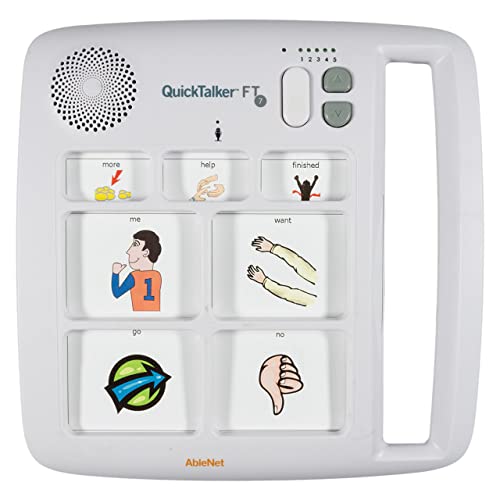
AbleNet QuickTalker 7 – Portable Multi-Message Speech Device with FeatherTouch Technology, 23 Messages, 5 Recording Levels, and Durable Design, AAC Communication Device for Non Verbal Kids & Adults
Powerful Communication Tool: The AbleNet Quicktalker 7 is a highly capable communication device that empowers individuals with limited…
As an affiliate, we earn on qualifying purchases.
As an affiliate, we earn on qualifying purchases.
Monitoring Future Media Trends and Platform Developments
Stakeholders will likely monitor ongoing media coverage and platform updates to assess whether the surge persists. Further analysis of the content of mentions and any official statements from WhatsApp and LinkedIn will clarify the reasons behind the increased attention. Additionally, industry observers expect to see if this media focus influences platform policies, user engagement, or regulatory responses in the coming weeks.
LinkedIn For Business Networking (Social Media Marketing – The Most Powerful Advertising Tool)
As an affiliate, we earn on qualifying purchases.
As an affiliate, we earn on qualifying purchases.
Key Questions
Why has media coverage of WhatsApp and LinkedIn increased?
The exact reasons are unclear, but possible factors include recent platform updates, regulatory discussions, or notable events involving these platforms, as indicated by recent media monitoring data.
Is this surge positive or negative coverage?
The nature of the coverage has not been specified; it could be positive, negative, or neutral. Further analysis of media content is needed to determine public sentiment.
Will this media interest impact the platforms?
Increased media attention can influence public perception and regulatory scrutiny, potentially leading to platform changes or policy adjustments if the trend continues.
When will we know the reasons for this surge?
Further investigations and official statements from the platforms or media analysis will clarify the causes in the coming weeks.
Does this indicate a decline or growth in platform usage?
Media coverage does not directly correlate with user activity; it reflects media interest. Changes in user engagement require separate data sources.
Source: gdelt