
TL;DR

Get wellness gear delivered free with Prime
- Fast, free delivery on millions of items
- Prime Video, Amazon Music and more included
- Member-only deals all year
Weighted blankets offer deep pressure stimulation that promotes relaxation. Choosing the right weight, fill, and size makes all the difference in comfort and benefits. This guide breaks down what you need to know.
Imagine sinking into a cozy blanket that gently presses against your body, easing your mind and inviting calm. Weighted blankets aren’t just plush covers—they’re tools designed for relaxation, stress relief, and deeper sleep.
But how do you pick one that truly fits your needs? Weight, fill, and size matter more than you might think. Get these right, and your sleep quality could improve noticeably—no fluff, just real comfort.
Choose a blanket around 10% of your body weight for comfort and effectiveness.
Fill material influences feel, noise level, and breathability—pick based on your sleeping environment.
Size and fit matter—your blanket should fully cover your body without hanging over the edges.
Stay updated on new features—cooling fabrics and smart tech can enhance your sleep experience.
Prioritize safety and durability—proper care extends your blanket’s life and keeps it safe for use.
Weight, Fill, and Fit for Better Sleep
TL;DR: Weighted blankets use deep pressure stimulation to create a gentle, hug-like feeling that can promote relaxation, ease restlessness, and support deeper sleep. The right weight, fill, and size make the difference between cozy pressure and uncomfortable bulk.
A blanket around 10% of body weight, plus or minus a pound, is the common comfort guideline.
Most consumer weighted blankets fall in this range, with comfort depending on body size and pressure preference.
The best blanket should feel grounding, not restrictive, and should cover your body without spilling over the bed edges.
Start near one-tenth of body weight.
Premium models can exceed $200.
Quality blankets can last several years with care.
Cover the sleeper, not the whole mattress.
Deep pressure stimulation supports calm.
Pick the Weight That Feels Like Calm
Start with body weight, then adjust for comfort. The right blanket should feel steady and soothing while still letting you shift positions naturally.
Start With Body Weight
Use 10% as the baseline. A 150 lb sleeper often starts near a 15 lb blanket.
Check Pressure Preference
Choose lighter for gentle pressure or slightly heavier for a firmer, grounded feel.
Test Movement
If turning over feels difficult or restricted, the blanket may be too heavy.
Sleep-Test It
After a few nights, look for easier settling, fewer restless wake-ups, and better comfort.
Comfort Lives in the Middle
Weighted blankets are most helpful when pressure feels evenly distributed. Too light may feel like an ordinary comforter; too heavy can feel restrictive.
The sweet spot is soothing, not heavy for its own sake.
Deep pressure stimulation works best when weight is spread evenly across the body. Think firm hug, not pinned-down pressure.
Fill Materials Change Feel, Noise, and Breathability
Fill is not just weight. It affects drape, sound, temperature, allergy comfort, and how refined the blanket feels through the night.
| Fill material | Feel | Best for | Tradeoffs | Sleep style signal |
|---|---|---|---|---|
| Plastic poly pellets | Crunchy, firm, structured | ✓ Budget-friendly durability | ~ Can feel plasticky and noisier | Good when cost matters more than luxury feel. |
| Glass beads | Smooth, quiet, refined | ✓ Sensitive sleepers and quieter rooms | ~ Often costs more | Strong choice for hot sleepers when paired with cotton or bamboo. |
| Natural fills | Soft, warm, organic | ✓ Eco-minded buyers | ✗ Less durable if not sealed well | Best when biodegradability matters and care is simple. |
| Cooling gels or phase-change blends | Cooler, more technical | ✓ Warm climates and hot sleepers | ~ Feature quality varies by brand | Ideal for people who want pressure without overheating. |
Cover the Body, Not the Floor
A weighted blanket should cover you comfortably without hanging far over the bed. Excess overhang can pull the blanket down, shift pressure, and reduce the calming effect.
Match Your Body Coverage
Choose a size that reaches shoulders to feet with enough width to turn naturally.
Avoid Heavy Overhang
Blankets that spill over the edges can slide, bunch, or create uneven pressure.
Account for Sleep Position
Frequent movers may prefer a little more width; side sleepers may like a snugger fit.
Where Weighted Blankets Are Going
New designs focus on cooler fabrics, customization, washable covers, and smart features that make the blanket feel more personal to each sleeper.
Temperature Control
Cooling gels, bamboo covers, and phase-change fabrics help prevent overheating.
Personal Builds
More brands let shoppers choose weight, cover texture, fill, size, and color.
Sleep Tracking
Some models add sensors or connected features to monitor sleep and comfort.
Washable Covers
Removable covers improve hygiene and make long-term care much easier.
Comfort Has Boundaries
Weighted blankets are generally safe for many adults, but proper sizing, weight, and care matter. People with respiratory or circulatory concerns should seek medical guidance first.
Skip for Infants
Weighted blankets are not recommended for infants or very young children due to suffocation and movement risks.
Wash Smarter
Removable covers simplify cleaning. Always follow the care label for fill type and weight limits.
Buy for Build Quality
Strong stitching, durable fabric, and stable fill pockets help preserve even pressure for years.
Choose this if you sleep hot
Look for glass beads, breathable cotton or bamboo, cooling covers, and a weight that does not trap excess heat.
Choose this if you want quiet luxury
Glass beads, smaller quilt pockets, and soft washable covers tend to feel smoother and make less noise.
What exactly is a weighted blanket—and why should you care?
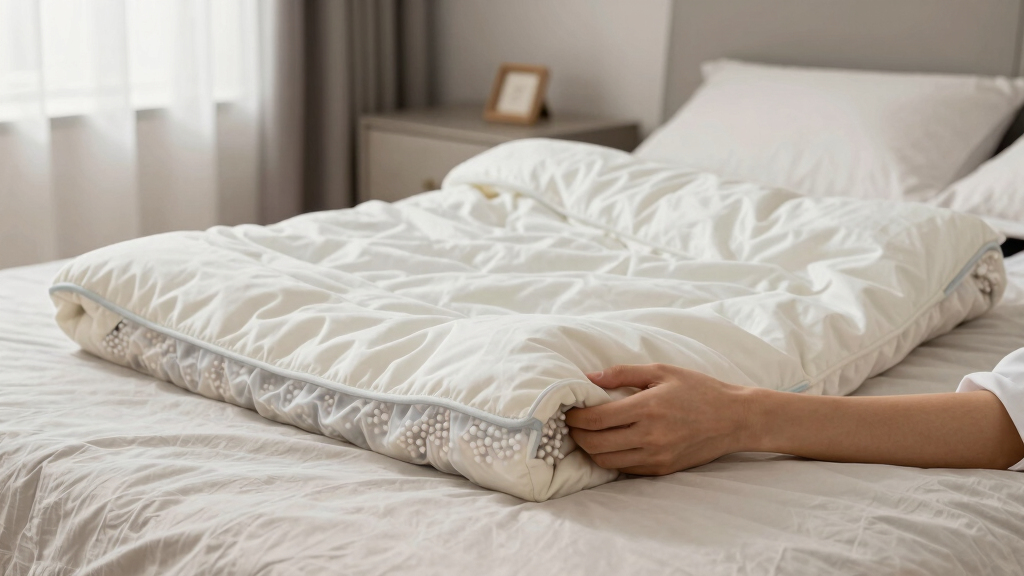
Weighted blankets are heavy blankets filled with materials like plastic pellets or glass beads, designed to apply gentle, even pressure over your body. This sensation mimics a firm hug, which research shows can lower anxiety and promote relaxation.
If you often wake up feeling restless or anxious, a weighted blanket might help you settle down faster and enjoy a more restful night. They’re used by people of all ages—from kids to seniors—who want a calming sleep aid that feels comforting and natural.
As an affiliate, we earn on qualifying purchases.
How to pick the right weight — simple steps to find your perfect match
- Start with your body weight. Most experts recommend choosing a blanket that’s about 10% of your total weight. For example, if you weigh 150 pounds, aim for a 15-pound blanket.
- Consider your comfort. Do you prefer a lighter touch or a firmer pressure? Personal preference matters, as the right weight should feel soothing, not restrictive. Too heavy can cause discomfort or make it hard to move, while too light might not provide enough calming effect. Finding the sweet spot can take some trial and error.
- Test different weights if possible. Many stores allow you to try out blankets before buying, which helps you gauge how it feels in real life—an essential step since perceptions of comfort vary widely.
- Pay attention to your sleep quality. If you wake up feeling more relaxed and less anxious, you’ve found a good fit. If not, consider adjusting the weight or trying a different style.
Remember, too heavy can feel restrictive, and too light might not deliver the intended calming benefits. Adjust based on how you feel after a few nights, and keep in mind that your preferences might change over time or with different seasons.
cooling weighted blanket queen size
As an affiliate, we earn on qualifying purchases.
As an affiliate, we earn on qualifying purchases.
Fill materials explained — what’s inside your cozy cover?
Weighted blankets can be filled with a variety of materials, each impacting feel, weight, and breathability. Plastic poly pellets are common—they’re durable and affordable but can sometimes feel a bit plasticky, which might be less desirable for sensitive sleepers. Glass beads are smaller, providing a smoother, quieter weight with a more luxurious feel, making them a popular choice for those seeking a more refined experience. Natural fillings like rice or sand are less common but offer an eco-friendly and biodegradable alternative, appealing to environmentally conscious consumers.
Choosing the right fill isn’t just about preference—it’s about how it interacts with your sleep environment. For example, if you tend to sleep hot, a fill that promotes breathability and moisture wicking can make a significant difference. Conversely, if you have allergies, hypoallergenic options like glass beads and natural fabrics can prevent irritation and improve comfort.
For example, a person who sleeps in a warm climate might prefer a blanket with glass beads and a cotton cover—light, breathable, and quiet—because it helps prevent overheating and keeps sleep uninterrupted. Understanding these nuances can help you select a fill that aligns with your comfort needs and lifestyle.
weighted blanket with breathable fill
As an affiliate, we earn on qualifying purchases.
As an affiliate, we earn on qualifying purchases.
Compare fill options at a glance — what suits your sleep style?
| Fill Material | Feel | Pros | Cons |
|---|---|---|---|
| Plastic pellets | Crunchy, firm | Affordable, durable | Can feel plasticky, noisier, may be less comfortable for sensitive sleepers |
| Glass beads | Smooth, quiet | Luxurious, quieter, more refined feel | Slightly more expensive, may be heavier for the same volume |
| Natural fills (rice, sand) | Soft, warm | Eco-friendly, biodegradable, lightweight options available | Less durable, can spoil if not properly sealed, may be less consistent in weight distribution |
smart weighted blanket with temperature control
As an affiliate, we earn on qualifying purchases.
As an affiliate, we earn on qualifying purchases.
How to find the perfect fit—size matters
Your blanket should cover your body comfortably without hanging over the edges. Too big, and it might slide off or cause uneven pressure, reducing its effectiveness. Too small, and it won’t provide full coverage or the calming effect you seek. The goal is to find a size that allows you to move naturally while maintaining consistent pressure.
Most people opt for sizes matching their mattress—twin, full, queen, or king. For example, a queen-sized blanket typically measures about 60 x 80 inches, which is versatile enough to cover most beds and give you ample coverage without excess fabric that can bunch or shift.
Think about your sleeping position—if you toss and turn frequently, a slightly larger blanket might stay in place better, ensuring consistent pressure. If you sleep mostly on one side, a snug fit could be more effective, providing a targeted calming effect without excess material that might shift during the night.
Choosing the right size is crucial because an ill-fitting blanket can diminish its benefits, making sleep less restful and reducing the calming pressure that makes weighted blankets effective.
Latest trends — what’s new in weighted blankets?
Innovations focus on making blankets cooler, more customizable, and smarter. Some now include cooling gels or phase-change fabrics that help regulate temperature—perfect for hot sleepers who want the benefits of deep pressure without overheating. Others come with removable covers tailored to different textures or even smart sensors that track your sleep and adjust weight or heat accordingly, offering a more personalized experience.
Personalization options have exploded—choose your weight, fabric, scent, and even integrated technology. The goal? Make weighted blankets feel like a natural extension of your sleep routine, seamlessly blending comfort, functionality, and luxury. These advances aim to cater to individual preferences, ensuring that your sleep environment adapts to your needs rather than forcing you to adapt to it.
For example, a person who sleeps hot might opt for a breathable bamboo cover with cooling beads, while someone seeking a tech upgrade could try a blanket with sleep-tracking sensors that optimize comfort throughout the night.
What you should know about safety and durability
Weighted blankets are generally safe for most adults but not recommended for infants or very young children due to the risk of suffocation or restricted movement. Always check weight guidelines and avoid blankets that are too heavy for your size or health conditions, especially if you have respiratory or circulatory issues. Being mindful of these factors is crucial because improper use can lead to discomfort or even health risks.
Look for durable fabrics and high-quality fills—proper care can extend your blanket’s lifespan to 3–5 years. Washability matters, as regular cleaning keeps it fresh and helps prevent dust mites or allergens from accumulating. Many blankets come with removable covers, which simplify cleaning and maintenance, preserving the integrity of the fill and fabric over time.
For instance, a person with allergies might prefer a machine-washable cover and hypoallergenic fill, which minimizes allergy symptoms and maintains hygiene. Always follow manufacturer instructions carefully, as improper cleaning or storage can compromise the fill or fabric, reducing safety and comfort.
Frequently Asked Questions
How do I know if my weighted blanket is too heavy?
If your blanket feels restrictive, causes discomfort, or makes it hard to move, it’s likely too heavy. Your goal is gentle pressure, not pressure that pinches or restricts your breathing. Adjust by trying a lighter weight if needed.Can weighted blankets cause overheating?
Yes, especially if filled with dense materials or if your cover isn’t breathable. Opt for blankets with cooling fabrics or natural fillings if you tend to sleep hot. Ventilated covers also help keep temperature in check.Are weighted blankets safe for kids?
Weighted blankets are generally not recommended for children under 3 without medical advice. For older kids, choose a blanket that’s about 10% of their weight and ensure adult supervision during use.How often should I wash my weighted blanket?
Follow the manufacturer’s instructions, but most can be washed every 2–4 weeks with removable covers. Regular cleaning keeps it fresh and prolongs its lifespan.What’s the biggest mistake people make choosing weighted blankets?
Many pick one based on price or appearance rather than weight and fit. Proper size and weight are key—otherwise, the blanket won’t deliver the calming benefits you’re after.Conclusion
Getting your weighted blanket right isn’t just about weight—it’s about feeling cozy, supported, and relaxed. When you match the fill and size to your needs, you create a sleep environment that truly works for you.
Think of your blanket as a gentle hug—choose one that fits just right, and you might find yourself drifting off faster and waking up more refreshed. Your best sleep could be just a few measurements away.
Fall Picks
fall essentials
As an affiliate, we earn on qualifying purchases.