
TL;DR

Get wellness gear delivered free with Prime
- Fast, free delivery on millions of items
- Prime Video, Amazon Music and more included
- Member-only deals all year
Color temperature, measured in Kelvin, shapes how wake-up lights mimic natural daylight. Cooler, bluish light (around 6,500K) boosts alertness, while warmer tones (around 3,000K) promote relaxation. Customizing these settings can improve your morning energy and overall sleep quality.
Ever wake up feeling more sluggish on some mornings, even with your alarm? It might be your wake-up light’s color temperature. Just like sunlight changes throughout the day, the hue of your light can influence how naturally you wake up. If you want your mornings to feel more like stepping into the sun, understanding color temperature is key.
This guide will walk you through what color temperature really means, how it impacts your alertness and mood, and how to pick the right settings for your wake-up routine. No tech jargon — just simple, practical tips for a brighter, more energized morning.
Set your wake-up light to around 6,500K for an energizing morning boost, mimicking natural daylight.
Warm tones (2,700K–3,000K) are better for relaxing evenings or winding down, not waking up.
Use customizable lights or apps to fine-tune color temperature based on your personal routine.
Automatic circadian lights that change Kelvin levels can create a more natural wake-up experience.
Be cautious with blue light late at night—blue-enriched light can disrupt your sleep cycle.
What is color temperature and why does it matter in wake-up lights?
Color temperature, measured in Kelvin (K), is the hue of light your wake-up light emits. Think of it as the difference between a soft, golden sunset and the bright midday sun. Lower numbers (around 2,700K–3,000K) give off warm, yellowish glow—perfect for relaxing evenings. Higher numbers (5,000K–6,500K) produce cool, bluish light that mimics daylight.
This matters because your brain connects different light hues with specific times of day, influencing your alertness and melatonin production. For instance, exposure to cool, blue light in the morning signals to your brain that it’s time to wake up, which can help you feel more alert and reduce sluggishness. Conversely, warm light in the evening encourages melatonin production, aiding sleep. Understanding these nuances helps you use your wake-up light more effectively, aligning its output with your circadian rhythms. The tradeoff is that improper use—like using high Kelvin blue light late at night—can disrupt your sleep cycle, so timing and context are essential.
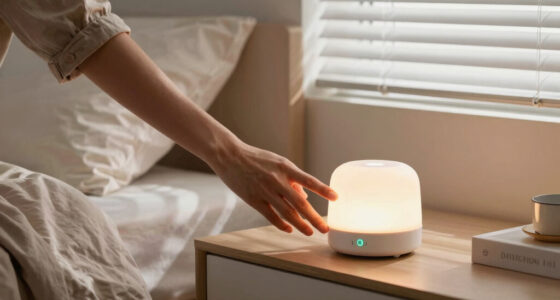
adjustable wake-up light with color temperature
As an affiliate, we earn on qualifying purchases.
As an affiliate, we earn on qualifying purchases.
How different color temperatures impact your morning energy
When you wake up to a light at around 6,500K, it’s like stepping outside into a clear, bright day. This cool, blue-enriched light stimulates the retinal cells that influence your circadian clock, promoting alertness and faster awakening. It signals to your brain that it’s daytime, which can help reduce morning grogginess and improve mood. On the other hand, a warm 2,700K light feels more like evening—soft, cozy, and calming, which is ideal for winding down but less effective for waking up.
Choosing the right color temperature involves understanding your personal response and routine. If you tend to feel sluggish in the mornings, a cooler light can act as a natural stimulant, helping you start your day energized. However, excessive exposure to high Kelvin blue light during mornings might cause eye strain or overstimulation if not balanced. Conversely, warm light can make mornings feel sluggish or cause you to linger in a relaxed state, which might delay your start. The implications are that the optimal temperature depends on your goals—whether you want an energetic start or a gentle awakening—and balancing these can lead to a more effective morning routine.
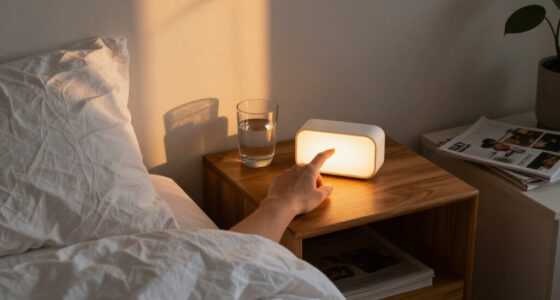
wake-up light with Kelvin settings
As an affiliate, we earn on qualifying purchases.
As an affiliate, we earn on qualifying purchases.
Compare warm vs. cool light: what’s best for your wake-up routine?
| Warm Light (2,700K–3,000K) | Cool Light (5,000K–6,500K) |
|---|---|
| Feels cozy, relaxing, gentle on your eyes | Resembles daylight, energizing, increases alertness |
| Ideal for evening use or winding down | Best for mornings to jumpstart your day |
| Less effective at boosting morning alertness | More effective at waking you up naturally |
Choosing between warm and cool depends on your routine and goals. Warm light creates a calming environment, encouraging relaxation and melatonin production, which is beneficial if used in the evening or before bed. It signals to your body that it’s time to wind down, helping you prepare for sleep. Conversely, cool, bluish light energizes your brain, making it ideal for mornings when you need to feel alert and ready to face the day. The tradeoff is that overusing cool light in the evening can suppress melatonin and interfere with sleep, so timing your light exposure is crucial. The best approach is to use warm tones in the evening and cool tones in the morning for a balanced circadian rhythm.
As an affiliate, we earn on qualifying purchases.
How to customize your wake-up light’s color temperature for better mornings
Here’s a simple step-by-step:
- Check your device’s settings—most modern wake-up lights have adjustable color temperature options.
- Start with a midday sun hue—around 5,500K to 6,000K—for the best wake-up mimicry, as it closely resembles natural daylight, which is most effective at signaling the start of the day.
- Adjust based on your preference: go warmer if you find the light too harsh or cold if you want more energy. Remember, some people respond better to slightly warmer or cooler tones depending on their sensitivity and routine.
- Test different settings over a week to observe how your body responds. Consistent use helps your circadian system adapt, leading to more natural wake-ups.
- If your device supports app control, experiment with scheduled changes—brighter, cooler light in the morning, warmer tones later in the day—mimicking the natural progression of sunlight.
Some lights even adjust automatically based on your sleep cycle, using sensors or apps to fine-tune the light output, which can significantly improve your sleep-wake harmony. These automatic adjustments can help prevent overstimulation or insufficient alertness, creating a seamless and personalized waking experience.
As an affiliate, we earn on qualifying purchases.
What you should consider before changing your wake-up light’s color temperature
Before adjusting, think about your sleep habits, daily routine, and how your body responds to different light hues. If you tend to wake up groggy or sluggish, cooler, blue-enriched light (around 6,500K) can help jumpstart your alertness, but should be used carefully to avoid overstimulation. For a calmer start or if you’re sensitive to bright light, warmer tones might be more suitable, promoting melatonin production and easing you into wakefulness.
Blue light at high Kelvin temperatures can be beneficial in the morning, but overexposure, especially if used late in the day, can suppress melatonin and disrupt your sleep cycle. It’s important to time the use of different color temperatures according to your schedule. If you have sensitive eyes or sleep issues, start with moderate settings and gradually adjust. The key is to find a balance—using the right hue at the right time—so your circadian rhythm stays aligned. Remember, consistency and comfort are more important than chasing the perfect Kelvin number, as habitual use shapes your biological response.
Are there smarter wake-up lights that adjust color temperature automatically?
Yes, many newer models incorporate circadian algorithms that dynamically adjust color temperature throughout the day, simulating sunrise and sunset patterns. These devices analyze your sleep and wake cycles, gradually shifting from warm, soothing tones in the evening to bright, cool daylight in the morning. This gradual transition helps your body prepare for waking naturally, reducing abruptness and promoting a more restful sleep-wake cycle.
For instance, some smart lights start at around 2,700K before sunrise, then slowly increase to 6,500K over 30 minutes, mimicking the natural progression of sunlight. This process signals your brain that it’s time to wake, which can lead to improved mood, increased alertness, and better overall sleep quality. Additionally, some of these lights sync with sleep tracking apps, adjusting their schedule based on your sleep patterns, further personalizing your waking experience. The tradeoff is that these automatic systems require initial setup and calibration but offer a significant benefit: a seamless, natural waking process that aligns closely with your circadian biology.
What’s the biggest takeaway about color temperature and wake-up lights?
Use cooler, blue-enriched light (around 6,500K) in the morning to boost alertness and mimic natural daylight. Adjust based on your preferences and routine, and consider smart devices for automatic changes. These small tweaks can make your mornings brighter and more natural, helping you wake up feeling refreshed and energized. Remember that the timing of the light exposure is crucial—using cool light at the right moment maximizes its benefits, while inappropriate use can hinder your sleep quality. Experimenting with different Kelvin levels and utilizing technology to automate these changes can optimize your circadian rhythm, leading to better overall health and well-being.
Frequently Asked Questions
How does color temperature affect my waking experience?
Cooler, bluish light (around 6,500K) signals your brain that it’s morning, helping you wake up faster and more naturally. Warmer light (around 3,000K) feels more relaxing and is better suited for winding down or evening use. The impact is rooted in how different wavelengths influence your circadian signals, with blue light promoting alertness and warm light supporting melatonin production for sleep. Proper timing and gradual exposure to these hues can optimize your waking experience and overall sleep health.Can I change the color temperature on my wake-up light easily?
Most modern wake-up lights feature adjustable settings, either via physical controls or smartphone apps. These allow you to customize Kelvin levels, tailoring your light exposure to your preferences and schedule. This flexibility enables you to create a lighting environment that supports your natural rhythms, helping you wake more naturally and comfortably.Is blue light harmful in wake-up lights?
Blue light at high Kelvin levels (around 6,500K) can enhance alertness during the day, but excessive or late-night exposure may suppress melatonin and disrupt sleep patterns. While beneficial in the morning, it’s advisable to limit blue-enriched light in the evening to promote melatonin production and ensure restful sleep. Using warmer tones at night and cooler ones in the morning helps maintain a healthy circadian rhythm.How does changing color temperature influence sleep quality?
Adjusting your wake-up light to warmer, lower Kelvin tones in the evening supports melatonin synthesis, facilitating better sleep onset. Conversely, exposure to bright, cool light in the morning signals wakefulness, helping reset your circadian clock. The key is timing: using warm light before bed and cool, bright light upon waking optimizes sleep quality and daytime alertness, creating a balanced sleep-wake cycle.Are there wake-up lights that automatically adjust color temperature?
Yes, advanced models incorporate circadian algorithms to gradually shift from warm to cool light in the morning and vice versa in the evening. These devices analyze your sleep and wake patterns, adjusting their output to mimic natural sunlight progression. The benefit is a seamless, gentle transition that aligns with your biological clock, reducing abrupt awakenings and improving sleep quality. While setup may require initial calibration, the result is a more natural, personalized waking experience.Conclusion
Understanding and adjusting the color temperature of your wake-up light isn’t just about brightness—it’s about creating a morning that feels natural and energizing. Think of it as tuning your personal sunrise, tailored perfectly for your routine.
Next time you set your alarm, experiment with the hues. A little tweak here and there can transform your wake-up from a jarring start to a gentle, sunlit awakening. Your mornings deserve that kind of brightness—inside and out.
Cold & flu season Picks
humidifiers
As an affiliate, we earn on qualifying purchases.