TL;DR
Listen free for 30 days with Audible
Thousands of audiobooks and originals — cancel anytime.
Start your free trialAs an affiliate, we earn on qualifying purchases.
Smart wake-up lights offer advanced customization, smart home integration, and extra features, while standalone sunrise clocks provide a simple, affordable way to wake gently with natural light. Your choice depends on your tech needs and budget.
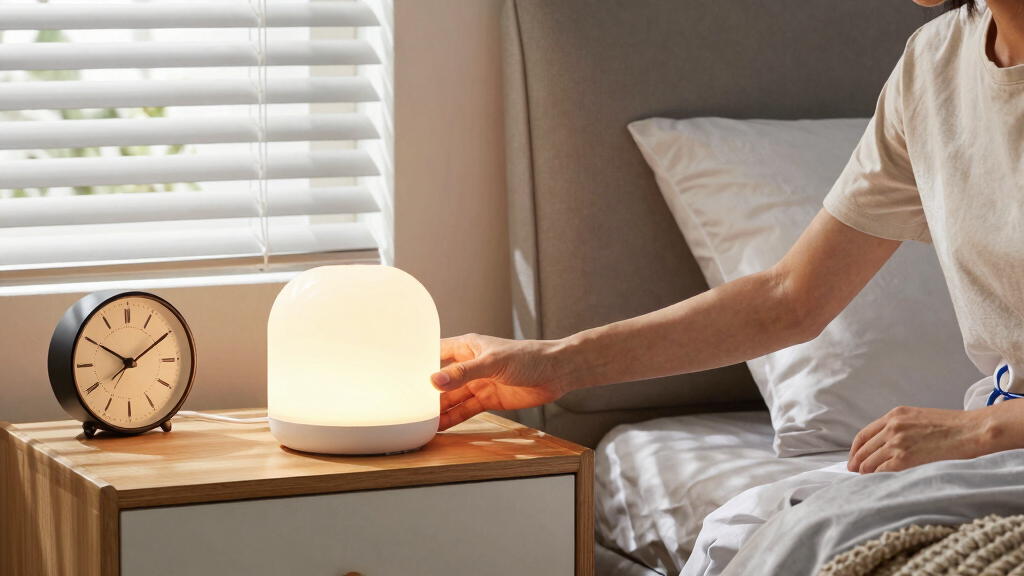
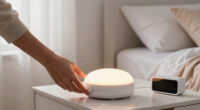
Imagine waking up to a warm glow filling your bedroom, like dawn breaking just for you. No loud buzzer, no sudden rush—just a gentle, natural awakening. That’s the promise behind sunrise alarms. But which type fits your life better: a smart wake-up light or a straightforward standalone clock?
In this guide, we’ll explore what makes each option tick, their pros and cons, and how to pick the right one. Whether you love tech or prefer simplicity, you’ll find practical insights to help you start your mornings peacefully.
Smart wake-up lights offer extensive customization, smart home integration, and additional features like sleep tracking.
Standalone sunrise clocks provide a simple, budget-friendly way to enjoy gentle mornings with fewer bells and whistles.
Both types can improve mood and reduce grogginess, but smart devices are better for tech-savvy users seeking personalization.
Choose based on your lifestyle: if you love tech, go smart; if simplicity appeals, a basic sunrise clock works fine.
Effective sunrise simulation can support healthier sleep-wake cycles and boost your morning mood.
What exactly is a wake-up light, and how does it work?
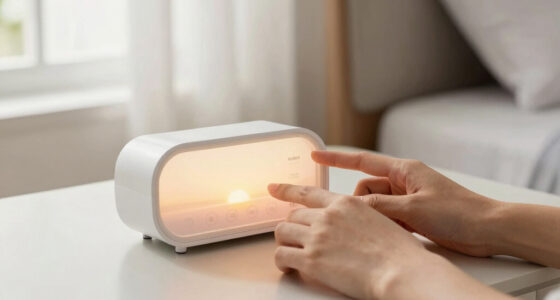
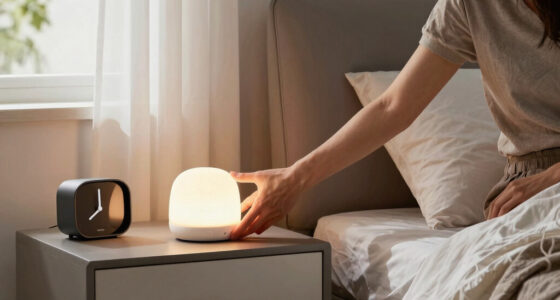
A wake-up light is a device that mimics natural sunrise to wake you gently. It gradually brightens over a set period—usually 20 to 40 minutes—filling your room with warm, increasing light. Think of it as a sunrise happening right in your bedroom, helping your body wake up more naturally.
Imagine a soft, amber glow starting at 5 a.m., slowly intensifying until it’s bright enough to simulate daylight. Many models also include sounds—like birdsong or gentle chimes—that synchronize with the rising light, creating a multisensory wake-up experience.
For example, you might set a wake-up light to start brightening at 6:30 a.m. with birdsong, giving you time to emerge from sleep more refreshed and less groggy.

Philips SmartSleep Wake-up Light, Colored Sunrise and Sunset Simulation, 5 Natural Sounds, FM Radio & Reading Lamp, Tap Snooze, HF3520/60
- Clinically Recommended: Supports healthy sleep and wake routines
- Personalized Settings: Custom sunrise, sunset, and wake-up sounds
- Smart Features: FM radio, tap snooze, auto-dimming display
As an affiliate, we earn on qualifying purchases.
As an affiliate, we earn on qualifying purchases.
What makes standalone sunrise clocks different from smart devices?
| Feature | Standalone Sunrise Clocks | Smart Wake-Up Lights |
|---|---|---|
| Connectivity | Manual controls, no app | App control, smart home integration |
| Features | Basic sunrise simulation, limited customization | Customizable routines, sound options, sleep tracking |
| Price | More affordable | Higher cost due to advanced tech |
| Complexity | Simpler, straightforward | More complex, requires setup and apps |
While standalone sunrise clocks are often appreciated for their simplicity and affordability, they tend to offer a more one-size-fits-all approach. They are designed to produce a gentle dawn effect at a fixed time, which works well for many but lacks flexibility. On the other hand, smart wake-up lights integrate with your digital ecosystem, allowing for tailored routines that can adapt to your sleep patterns, preferences, and even your smart home devices. This means you can wake up gradually based on your sleep cycle, with personalized sounds and lighting sequences. However, this added complexity and customization come at a higher price point and require some initial setup and app management, which might be a barrier for users seeking a straightforward solution.

JALL Full-Screen Wake Up Light Sunrise Alarm Clocks for Bedrooms, White Noise Machine for Heavy Sleepers, 25 Natural Sounds, Dual Alarms, FM Radio, 17 Dimmable Colors, Bluetooth Speaker
- Full-Screen Sunrise Simulation: Gradually brightens over 10-60 minutes
- Dual Alarms and Snooze: Set separate routines with 5-20 min snooze
- Bluetooth Auto-Sync: Automatically syncs with phone for accuracy
As an affiliate, we earn on qualifying purchases.
As an affiliate, we earn on qualifying purchases.
What recent upgrades are making wake-up lights smarter and better?
In recent years, wake-up lights have evolved from simple dawn simulators into sophisticated sleep and wake systems. Integrations with smart home platforms like Alexa, Google Assistant, and Apple HomeKit enable voice control and automation, making your wake-up routine more seamless. For example, you can program your device to turn on at a specific time when you say, ‘Good morning,’ or automate it to sync with your smart blinds and thermostat to create an ideal waking environment.
Personalization features have also advanced significantly. Modern devices allow you to fine-tune sunrise duration, brightness levels, and sound options through dedicated apps. Some models incorporate sleep tracking, which analyzes your sleep cycles and suggests optimal wake-up times, potentially reducing grogginess and improving overall sleep quality. These upgrades mean your wake-up device isn’t just a clock but an integral part of a holistic sleep health ecosystem. Plus, energy-efficient LED technology ensures these features come with lower power consumption, aligning convenience with sustainability.
Philips SmartSleep Wake-up Light, Colored Sunrise and Sunset Simulation, 5 Natural Sounds, FM Radio & Reading Lamp, Tap Snooze, HF3520/60
- Clinically Recommended: Supports healthy sleep and wake routines
- Personalized Settings: Custom sunrise, sunset, and wake-up sounds
- Smart Features: FM radio, tap snooze, auto-dimming display
As an affiliate, we earn on qualifying purchases.
As an affiliate, we earn on qualifying purchases.
How effective are sunrise simulations for a better morning?
Sunrise simulation isn’t just a fancy feature—it has meaningful implications for your overall well-being. By gradually increasing light exposure in the morning, these devices help regulate your circadian rhythm, which is your body’s internal clock. A well-structured sunrise can signal your brain that it’s time to wake, reducing the abruptness and hormonal spike associated with traditional alarms. This can lead to a more natural awakening, less grogginess, and a smoother transition from sleep to alertness.
Research indicates that users who wake with simulated sunrise report higher levels of alertness and mood upon waking, simply because their bodies respond more positively to gentle light cues. Additionally, for individuals with irregular schedules or those who experience difficulty waking, sunrise simulation offers a customizable, non-invasive approach that aligns with biological cues. While it’s not a cure-all, the psychological and physiological benefits suggest that incorporating sunrise simulation into your morning routine can foster healthier sleep habits and improve your overall mood during the day.
JALL Full-Screen Wake Up Light Sunrise Alarm Clocks for Bedrooms, White Noise Machine for Heavy Sleepers, 25 Natural Sounds, Dual Alarms, FM Radio, 17 Dimmable Colors, Bluetooth Speaker
- Full-Screen Sunrise Simulation: Gradually brightens over 10-60 minutes
- Dual Alarms and Snooze: Set separate routines with 5-20 min snooze
- Bluetooth Auto-Sync: Automatically syncs with phone for accuracy
As an affiliate, we earn on qualifying purchases.
As an affiliate, we earn on qualifying purchases.
Which should you pick: simple or smart? Here’s how to decide
- Set your priorities: Do you want a reliable, no-fuss wake-up that requires minimal setup, or are you looking for a highly customizable routine that adapts to your sleep cycle? Recognizing what matters most will guide your choice.
- Think about your budget: Basic sunrise clocks are generally affordable and straightforward, but they lack the advanced features of smart devices. If you’re willing to invest more for enhanced functionality and integration, a smart wake-up light might be worth it.
- Consider your sleep habits: If you tend to sleep irregularly or have difficulty waking, a smart device that can analyze your sleep patterns and wake you during light sleep phases could make mornings easier and less stressful.
- Assess your tech comfort: Are you comfortable managing apps, setting routines, and troubleshooting smart devices? If not, a simple sunrise clock offers a more intuitive experience without sacrificing the core benefit of gentle awakening.
- Factor in space and design: Smaller, minimalist clocks can blend seamlessly into your bedroom decor, whether they are smart or simple, reducing clutter and maintaining aesthetic harmony.
Ultimately, your decision should balance your desire for convenience, your budget constraints, and your sleep needs. For tech enthusiasts, the smart device offers a customizable, integrated experience that can be tailored over time. For those seeking straightforward reliability, a basic sunrise clock provides a dependable, no-fuss solution that still delivers the essential benefit of a gentle wake-up.
Frequently Asked Questions
Are smart wake-up lights worth the extra cost?
They offer more customization, integration, and features like sleep tracking, which can enhance your wake-up experience. While they can be more expensive, the added flexibility and ability to tailor your routine can lead to more restful mornings and better sleep health over time. However, if you prefer simplicity and a lower price point, a basic sunrise clock can still provide a gentle, effective wake-up without the bells and whistles.
Can standalone sunrise clocks improve my sleep quality?
Yes, especially if you want a straightforward, reliable way to wake naturally. By mimicking dawn, they help reinforce your circadian rhythm, encouraging consistent sleep and wake times. This natural cue can promote better sleep hygiene, reduce disruptions, and help you wake feeling more refreshed—though they lack the adaptive features of smart devices that analyze your sleep patterns.
What features should I look for when choosing between the two?
Consider your budget, desire for customization, smart home compatibility, and whether additional features like sound options or sleep tracking are important to you. These features can significantly influence how well your wake-up device integrates into your lifestyle. Prioritizing what will make your mornings easier and more pleasant will help you select the best device for your needs.
Do sunrise simulations help with circadian rhythm regulation?
Yes, consistent exposure to simulated dawn cues can reinforce your body’s internal clock, helping regulate your circadian rhythm. Over time, this can lead to easier mornings, more natural wakefulness, and improved sleep quality. It’s a non-invasive, science-backed method to support your biological sleep-wake cycle.
Are there any health benefits to sunrise simulation?
Gradual light exposure has been linked to improved mood, reduced morning stress, and a more natural transition from sleep to wakefulness. For individuals with depression, seasonal affective disorder, or those who experience difficulty waking, sunrise simulation can serve as a beneficial tool to support mental health and overall well-being.
Conclusion
Both smart wake-up lights and standalone sunrise clocks can transform your mornings from jarring to gentle. Think about what suits your routine, tech comfort level, and budget. A natural start to the day isn’t just a dream—it’s within reach, whether you prefer a simple glow or a smart sunrise experience.
Now, imagine waking up softly as dawn spills through your window, ready to face the day with a smile. That’s the power of choosing the right sunrise alarm for you.
College move-in / dorm season Picks
dorm essentials
As an affiliate, we earn on qualifying purchases.