
TL;DR

Get wellness gear delivered free with Prime
- Fast, free delivery on millions of items
- Prime Video, Amazon Music and more included
- Member-only deals all year
White noise can stop helping due to habituation, volume creep, environmental changes, or conditioned stress. Turning to different sound colors, using non-looping tracks, adjusting volume, or addressing underlying issues can often restore its benefits—without overcomplicating the fix.
If your white noise suddenly stops helping you sleep or focus, don’t panic. It’s a common experience, and the good news is—most of the time—it’s fixable with a few quick changes.
White noise is a powerful tool, but like all tools, it has its limits. Sometimes your brain adapts, or the environment shifts, making your usual soundscape less effective. Understanding why it falters is the first step toward regaining its calming magic.
Habituation and environmental changes often cause white noise to lose its effectiveness, but simple fixes like switching sounds or lowering volume can help.
Use non-looping or long-form sounds to avoid pattern detection, which reduces the masking effect over time.
Keep noise levels below 70 dB to protect your hearing—especially important for babies and long-term use.
Address underlying issues like stress or sleep disorders if noise stops helping, as masking is only part of the solution.
Experiment with sound colors, environments, and routines to find what keeps your noise effective and safe.
What to Do When White Noise Stops Working for You
If your trusted soundscape suddenly stops helping you sleep or focus, don’t panic — it’s common, and almost always fixable. Your brain adapts, environments shift, and volume creeps. Here’s why it falters, and the simple moves that bring the calm back.
“White noise should be a background friend — not a hazard.”
The Core PrincipleWhy Your White Noise Suddenly Stops Helping
White noise works by masking disruptive sounds — but your brain is a clever pattern detector. Six culprits account for nearly every failure.
Habituation
With repeated exposure, your brain recalibrates and tunes the noise out — or paradoxically starts monitoring it, especially with short, detectably looping tracks. Masking effect fades.
Volume Creep
Many people unconsciously turn the volume up over days or weeks to recover the effect. This backfires — masking diminishes and hearing risk climbs, night after night.
Shifting Surroundings
New disruptions — construction, a snoring partner, an appliance hum — may sit in frequency ranges your current noise masks poorly, leaking straight through.
Conditioned Stressor
If you’ve spent frustrated, wakeful nights with the machine running, the sound itself can start signaling wakefulness and anxiety instead of calm.
Underlying Issues Surface
Sleep apnea, heightened anxiety, or worsening tinnitus won’t be fixed by masking — the noise was treating a symptom, not the cause.
The Dependency Worry
There is no physical addiction to white noise. A benign psychological association can form — an inconvenience, not a medical problem. Knowing this lowers the anxiety that fuels poor sleep.
Switch Colors Before You Switch Off
Different spectral profiles stimulate different neural pathways — rotating colors restores novelty and keeps the masking effect alive.
White Noise
Flat SpectrumEqual energy at every frequency. The classic masker — bright, hissy, and most prone to loop detection.
Pink Noise
Gentle Roll-OffSofter at high frequencies, deeper overall. Often perceived as more natural and soothing — a strong first rotation.
Brown Noise
Deep & HeavySteeper roll-off again — a low rumble popular for focus and ADHD. Great when high-frequency hiss feels harsh.
Green Noise
Mid-FrequencyA loosely defined mid-band variant, often compared to ocean or forest ambience. A fresh texture when others go stale.
| Sound Color | Frequency Profile | Feels Like | Rotate In When… | Best For |
|---|---|---|---|---|
| White | Flat, equal energy across all frequencies | TV static, fan on high | You need maximum broadband masking | ✓ Blocking speech & traffic |
| Pink | Rolls off at higher frequencies | Steady rain, wind in trees | White noise feels sharp or thin | ✓ All-night sleep comfort |
| Brown | Deep, bass-heavy rumble | Distant thunder, waterfall base | Hiss is fatiguing; you need calm depth | ✓ Focus & ADHD work sessions |
| Green | Concentrated mid-frequencies | Ocean waves, forest ambience | You want a nature-adjacent reset | ~ Relaxation; evidence still thin |
| Non-looping | Generated or long-form, never repeats | Real rain, a physical fan | Your brain spotted the loop | ✓ Defeating pattern detection |
| Silence | None — acoustic rest | A quiet room | Every sound now irritates you | ~ Resetting auditory sensitivity |
7 Practical Moves to Restore the Calm
Most fixes are quick and inexpensive. The key is flexibility — work through the list until the masking magic returns.
Switch Sound Colors
Rotate white → pink → brown → green. New spectral qualities re-engage your brain and break the habituation cycle.
Use Non-Repeating Audio
Stream long tracks, generated sound, or a physical fan. No loop means no pattern for your brain to detect.
Lower the Volume — Don’t Raise It
Keep it just above the disturbing sound, around 50–60 dB. Louder isn’t better; it’s riskier and less effective.
Try Silence — Strategically
Use timers so sound stops after sleep onset. Acoustic rest resets responsiveness and weakens conditioned stress.
Address Underlying Issues
Consistent schedule, less late caffeine and screens, relaxation or therapy. Masking is only part of the solution.
Shift Environment or Routine
Blackout curtains, a new sleep position, an adjusted bedtime — small tweaks reduce sensory overload so masking can work.
Experiment With Devices & Apps
Not all machines sound alike. Look for good bass response, low distortion, and customizable sound profiles — a richer spectral profile resists habituation and masks better over time.
How Loud Is Too Loud?
Experts advise keeping sustained levels below 70 dB — roughly a normal conversation. For babies, the bar is lower and the machine belongs at least 2 meters away.
Measure it: use a sound level meter app at pillow or crib position. Studies found many consumer machines can exceed 50 dB at crib level — and some surpass 70 dB entirely.
Keep nightly levels at 50–60 dB
Just above the disturbing sounds. Masking needs a blanket, not a wall — louder adds risk without adding sleep.
Babies: 2 m distance, lowest volume
Place machines at least 2 meters (7 ft) from the crib at the lowest effective setting. Infant ears are far more vulnerable.
The science is genuinely open
Reviews find the evidence that all-night noise improves sleep is weak and low-quality. Use timers and noise holidays to limit exposure.
When to look deeper
If masking fails despite every fix, consider a sleep evaluation — apnea, anxiety, or CBT-I may be the real answer.
From Faded Masking to Restored Sleep
The full arc in one chain — diagnose, rotate, protect, and rest.
Why Your White Noise Suddenly Stops Helping (And What’s Really Going On)
White noise works by masking disruptive sounds, but your brain is a clever pattern detector. When it notices the same sound looping, it can get bored or even start monitoring it. This habituation is significant because it reduces the noise’s ability to effectively block out other sounds, which defeats its purpose in helping you sleep or concentrate. Recognizing this pattern detection helps explain why even the most consistent white noise can become less effective over time.
Volume creep is another subtle but impactful factor—many people unconsciously turn up the volume over days or weeks, believing it will help, but this can actually diminish the noise’s masking effectiveness. Excessive volume also risks hearing damage, especially if used nightly. Environmental sounds evolving in your surroundings—like a new construction project or a different neighbor—may also fall outside the frequency range of your current noise, making it less capable of masking these new disruptions.
Furthermore, your emotional or physical state plays a crucial role. If you associate your sound machine with frustration, anxiety, or wakefulness, the sound can become a conditioned stressor rather than a calming aid. Underlying sleep issues such as sleep apnea or heightened anxiety can also interfere with the effectiveness of masking sounds, as these conditions require addressing their root causes rather than just covering symptoms.
Lastly, while some worry about dependency, it’s important to understand that there is no physical addiction involved. The psychological associations formed are benign and manageable—being aware of this distinction helps reduce unnecessary fears and promotes healthier use patterns.
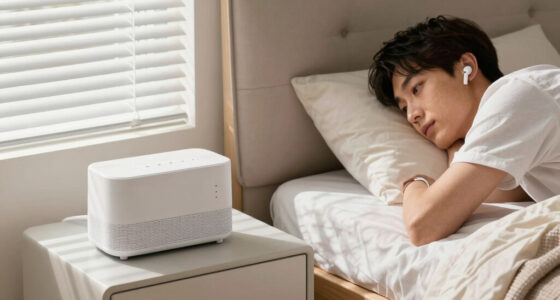
white noise machine with non-looping sounds
As an affiliate, we earn on qualifying purchases.
As an affiliate, we earn on qualifying purchases.
How to Fix It When White Noise Stops Working — 7 Practical Moves
When your white noise no longer helps, try these strategies. They’re simple, effective, and can bring back that cozy background you need for sleep or focus. These solutions address the core issues—habituation, environmental changes, or emotional associations—by re-engaging your brain’s responsiveness and reducing conditioned stress responses.
- Switch sound colors. Try pink, brown, or green noise. Different spectral qualities can stimulate different neural pathways, which helps prevent your brain from becoming bored or overly accustomed. For example, pink noise’s balance across frequencies often feels more natural and soothing, potentially reducing habituation. Rotating sounds keeps your brain interested, maintaining the masking effect over time.
- Use non-repeating sounds. Streaming long tracks or generating sounds that don’t loop regularly avoids the pattern detection that leads to habituation. Natural sounds like rain or ocean waves often produce naturally non-looped noise, which can help your brain stay engaged and less likely to monitor the sound for patterns, preserving its masking power.
- Lower the volume, not increase it. Many mistakenly turn up the volume when the noise stops working, but this can backfire by diminishing the masking effect and risking hearing damage. Keeping the volume just above the level of disruptive environmental sounds—around 50-60 dB—ensures effective masking while minimizing risks. This approach also prevents your brain from becoming overly reliant on loud stimuli, which can make quiet environments more disruptive over time.
- Try silence or partial silence. Giving your auditory system a break from constant noise can reset its responsiveness. Using timers to switch off the sound after you fall asleep or during certain sleep stages prevents overstimulation and reduces potential conditioned stress responses associated with constant noise. This can help your brain re-associate sleep with natural silence, making the noise more effective when used again.
- Address underlying issues. If noise stopped working, it might be a sign of deeper sleep or stress problems. Improving sleep hygiene—such as maintaining a consistent sleep schedule, limiting screen time before bed, and avoiding caffeine late in the day—can enhance the overall sleep environment. Additionally, relaxation techniques like meditation or therapy can reduce anxiety, making your brain less conditioned to resist masking sounds.
- Shift your environment or routine. Small environmental adjustments—like changing your sleeping position, adding blackout curtains, or adjusting your bedtime—can influence how effective your white noise is. These tweaks may reduce external disruptions or sensory overload, allowing your brain to respond better to the sound masking.
- Experiment with different devices or apps. Not all sound machines or apps produce the same quality of sound. Choosing a device with good bass response, low distortion, and customizable sound profiles can make a significant difference. For example, some apps allow you to generate white noise with a more complex spectral profile, which can prevent habituation and improve masking effectiveness over time.
Most fixes are quick and inexpensive. The key is to be flexible and willing to try different approaches until you find what works for you again. Understanding the underlying mechanisms helps you make more informed choices, ensuring sustained effectiveness of your white noise routine.
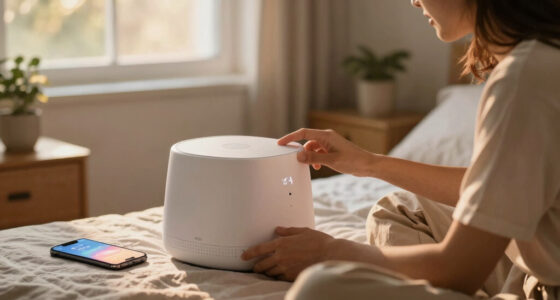
sound therapy machine for sleep and focus
As an affiliate, we earn on qualifying purchases.
As an affiliate, we earn on qualifying purchases.
Safety First: How Loud Is Too Loud, and When to Worry
White noise should be a background friend, not a hazard. Experts suggest keeping volume levels below **70 dB**—roughly the loudness of a normal conversation. For babies, the threshold is even lower, and the machine should be at least **2 meters away**. Maintaining appropriate volume levels is crucial because exposure to loud sounds over time can cause irreversible hearing damage, especially during sleep when you might not notice discomfort.
Long-term exposure above safe levels can risk hearing damage, especially if you sleep with the device every night. It’s smart to use a sound level meter app or a dedicated device to monitor your noise levels. This proactive approach ensures your sleep environment remains safe without sacrificing the benefits of masking sounds.
Science shows that continuous loud noise during sleep offers uncertain benefits and might interfere with your hearing or sleep quality. Over time, excessive noise can also lead to increased stress responses or fragmented sleep cycles. Therefore, maintaining a gentle, consistent background volume is essential for both safety and sleep quality.
As an affiliate, we earn on qualifying purchases.
When to Consider Other Sleep Strategies or Medical Help
If your white noise stops helping despite all tweaks, it could be a sign of a deeper issue. Chronic stress, anxiety, sleep apnea, or worsening tinnitus might be at play. These conditions can interfere with sleep quality and make simple masking less effective, requiring targeted interventions. Addressing these root causes often involves a combination of lifestyle changes, medical treatment, or therapy, rather than relying solely on sound masking.
Try improving sleep hygiene—maintaining a consistent sleep schedule, limiting screen time before bed, avoiding caffeine late in the day—and incorporating relaxation techniques like meditation or deep breathing. If sleep problems persist or worsen, consulting a sleep specialist or healthcare provider is advisable. Proper diagnosis and treatment can address underlying issues that may be preventing restful sleep, making your sound masking efforts more effective.
Remember, masking tools are support, not cures. If underlying health issues surface, professional guidance can make a real difference in restoring quality sleep and overall well-being.
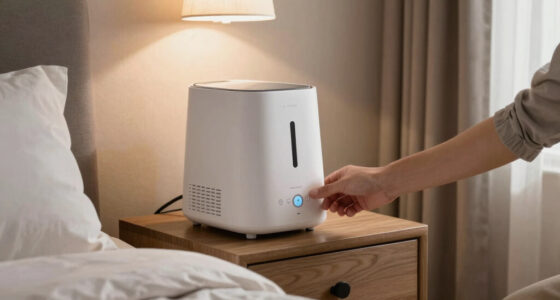
white noise machine with volume control
As an affiliate, we earn on qualifying purchases.
As an affiliate, we earn on qualifying purchases.
Frequently Asked Questions
Why did my white noise suddenly stop working?
It often comes down to habituation, volume creep, or new environmental sounds. You might have grown accustomed to the same pattern or the noise isn’t masking new disruptions as well. Trying a different sound or lowering the volume can often fix this.
Can you become addicted to white noise?
No, there’s no physical addiction. However, strong psychological associations can form, making it seem necessary for sleep. These are harmless and easily managed by adjusting routines or gradually reducing dependence.
Is it bad to sleep with white noise every night?
Using white noise at safe volumes is generally fine. While the science on long-term nightly exposure isn’t definitive, most experts agree that keeping it below 70 dB and not using it all night minimizes risks.
White vs. pink vs. brown noise — what’s the difference and which is best?
White noise has equal energy across frequencies; pink noise rolls off at higher frequencies, sounding softer and more natural; brown noise emphasizes bass, feeling deeper and richer. Preference is personal; try each to see which feels most soothing.
How loud should my white noise be?
Keep it just above the level of your environment’s most disruptive sounds—generally, around 50-60 dB. Avoid exceeding 70 dB to protect your hearing, especially if you sleep with it every night.
Conclusion
When white noise stops helping, it’s usually because your brain has adapted or the environment shifted. But with a few straightforward adjustments—changing sounds, managing volume, or addressing underlying issues—you can restore its calming power.
Think of white noise as a helpful friend who sometimes needs a different tune or a break. Keep experimenting, stay safe, and don’t hesitate to seek help if sleep struggles persist. Your best sleep might just be one tweak away.
Cold & flu season Picks
humidifiers
As an affiliate, we earn on qualifying purchases.