
TL;DR
Listen free for 30 days with Audible
Thousands of audiobooks and originals — cancel anytime.
Start your free trialAs an affiliate, we earn on qualifying purchases.
White, pink, and brown noise differ mainly in their frequency balance and perceived softness. White noise is flat and harsh, pink noise is softer with balanced lower frequencies, and brown noise offers deep rumbling sounds. Choosing the right one depends on your personal preference and purpose.
Ever wondered why some sounds help you sleep while others just make your mind race? The secret often lies in the type of noise you choose. Whether you’re trying to drown out a noisy street or find a calm space for meditation, understanding the differences between white, pink, and brown noise can transform your experience.
This guide will walk you through what each sound really is, why it matters, and how to select the best for your needs. No jargon, just straightforward tips you can use tonight.
White noise offers a flat spectrum that can mask noises but may sound harsh over time.
Pink noise balances high and low frequencies, making it more natural and soothing for sleep and relaxation.
Brown noise emphasizes deep, low frequencies, providing a velvety sound ideal for calming nerves or meditation.
Choosing the right noise depends on personal preference and purpose—try each to see which helps you sleep or focus best.
Always keep volume at safe levels to protect your hearing and avoid discomfort.
What exactly is white noise—and why does it sound so harsh?
White noise is a sound that contains all audible frequencies (roughly 20 Hz to 20,000 Hz) played at the same intensity. Imagine the static of an untuned radio or the hiss of a TV left on an empty channel. It’s bright, sharp, and can feel overwhelming after a while.
Many people use white noise to mask other sounds—like traffic or snoring—because it creates a consistent blanket of sound. It’s especially handy if you’re trying to block out sudden noises that would normally pull your focus away.
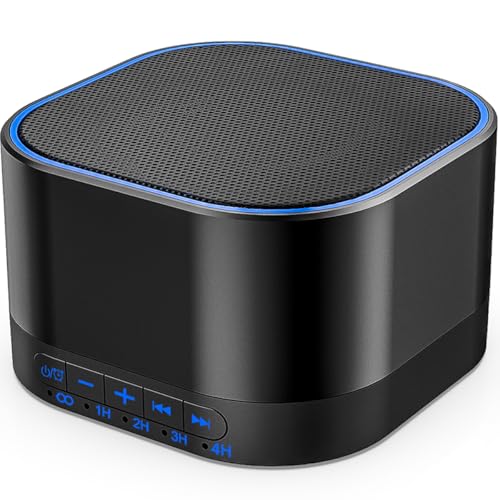
Magicteam Sound White Noise Machine with 20 Non Looping Natural Soothing Sounds and Memory Function 32 Levels of Volume Powered by AC or USB and Sleep Sound Timer Therapy for Baby Kids Adults
- 20 Non-Looping Soothing Sounds: Includes white, brown, pink, blue noise, and nature sounds
- Adjustable Volume and Timer: 32 volume levels and multiple timer options
- Portable and Compact Design: Small size for home, office, or travel
As an affiliate, we earn on qualifying purchases.
As an affiliate, we earn on qualifying purchases.
Pink noise: the softer, more balanced cousin of white noise
Pink noise also covers all audible frequencies, but with a twist: it’s less intense at higher pitches. The energy decreases by about 3 dB per octave, which means lower frequencies—like a gentle hum or a distant thunder—are more prominent.
Think of pink noise as the soothing background hum of a rainforest or a steady waterfall. It’s less sharp, more natural, and often preferred for sleep or relaxation because it mimics the sounds we’re used to in everyday life.

Loud Pink Noise Machine Sleep Machine Nostop 30 Soothing Sounds for Baby Kids Adults Sleep Pinknoise Machine 36-Level Vol Auto-Off Timer Memory Function for Home Travel Office
- 30 Soothing Sounds: Includes fan, white, natural, and music sounds
- Compact & Portable: Lightweight design for travel and home use
- Easy to Operate: Simple button layout suitable for all ages
As an affiliate, we earn on qualifying purchases.
As an affiliate, we earn on qualifying purchases.
Brown noise: the deep, rumbling sound that calms your nerves
Brown noise, also called brownian or red noise, emphasizes the deepest frequencies—think thunder rolling across the sky or a distant volcano. Its energy declines by about 6 dB per octave, giving it a deep, velvety quality.
Many find brown noise perfect for meditation or unwinding after a stressful day. It creates a sense of grounding, like the gentle rumble of a train passing by or the deep thrum of a bass in music.

Brown Noise
- Type: Brown noise generator
- Volume Control: Easy volume adjustment
- Operation: Simple sound production method
As an affiliate, we earn on qualifying purchases.
As an affiliate, we earn on qualifying purchases.
How do these noises compare side-by-side? A quick look at the differences
| Feature | White Noise | Pink Noise | Brown Noise |
|---|---|---|---|
| Frequency Range | All audible frequencies | All frequencies, but with more emphasis on lower ones | Primarily low frequencies, deep rumbling |
| Spectral Profile | Flat spectrum | Decreases by 3 dB/octave | Decreases by 6 dB/octave |
| Sound Quality | Harsher, static-like | Smoother, more natural | Deep, velvety, rumbling |
| Ideal Use | Masking sudden noises, tinnitus relief | Sleep, relaxation, audio calibration | Deep relaxation, meditation, reducing anxiety |
Which noise is best for sleep? Try this simple test
Choosing the right sound for sleep is personal. Many find pink or brown noise more soothing than white noise because they sound more natural and less abrasive.
Start by playing each type at a comfortable volume—think of the gentle hum of a fan or distant thunder. Notice which one helps you drift off faster and wakes you less during the night. Keep experimenting until you find your favorite.
How to pick the perfect sound for your focus or relaxation
- Identify your goal: sleep, focus, or relaxation.
- Try each noise type at a safe volume—around 50-60 decibels, similar to a quiet conversation.
- Pay attention to how each makes you feel after 10-15 minutes—calmer, more alert, or distracted?
- Pick the one that creates the most comfortable background without overwhelming you.
- Use a dedicated app or device to control volume and duration, creating a consistent habit.
Are there any risks in listening to these noises all the time?
Listening to any sound at high volumes for extended periods can damage your hearing. Keep your volume at or below 60 decibels—about the noise level of a normal conversation.
Also, if you have pre-existing hearing issues or sensitivities, check with a professional before using loud or continuous noise as a sleep aid or focus tool.
The bottom line: which noise should you pick?
There’s no one-size-fits-all answer. The best choice depends on what sounds most pleasant and effective for you. Some prefer the sharper clarity of white noise, while others find the gentle hum of pink or the deep rumble of brown noise more calming.
Experiment, listen carefully, and trust your instincts. Your perfect sleep sound is just a click away.
Frequently Asked Questions
Which noise type is best for sleeping?
Many people prefer pink or brown noise for sleep because they sound softer and more natural than white noise. Try each at a comfortable volume and see which helps you fall asleep faster and stay asleep longer.
Can listening to noise damage my hearing?
Yes, listening at high volumes—above 60 decibels—for long periods can harm your hearing. Keep the volume moderate and take breaks if you listen for hours. Use safe settings to enjoy the benefits without risk.
Is there scientific proof that these noises help sleep?
Some studies suggest that consistent background noise, especially pink and brown, can improve sleep quality by masking disruptive sounds. However, individual responses vary, so personal experimentation remains key.
How do I decide which noise is right for me?
Start with your personal preference. Play each type at a comfortable volume and notice which makes you feel most relaxed or helps you fall asleep faster. Trust your ears and your comfort.
Conclusion
Understanding the differences among white, pink, and brown noise helps you tailor your soundscape for better sleep, focus, or relaxation. The right choice can turn an ordinary night into a restful retreat or an afternoon of deep concentration.
Remember: the perfect sound is the one that feels natural, comforting, and just loud enough to drown out the chaos around you. So, experiment, listen closely, and let your ears guide you to serenity.
Summer Picks
summer essentials
As an affiliate, we earn on qualifying purchases.