TL;DR
Wake-up lights designed for small bedrooms and studios offer gentle, natural mornings by mimicking sunrise. Compact models with customizable features and smart tech are now more effective and space-friendly than ever.
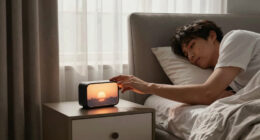
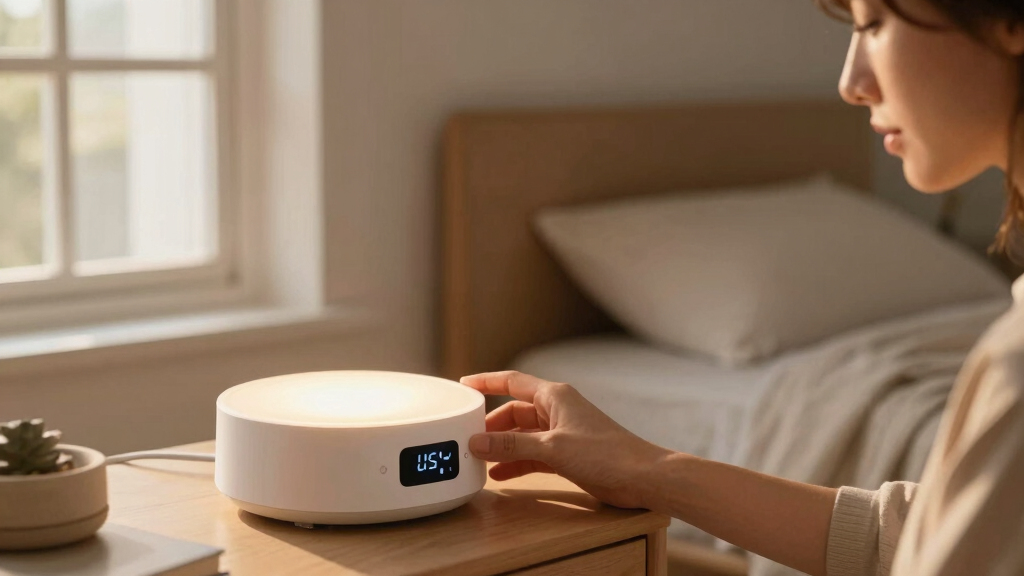
Imagine waking up to the soft glow of a rising sun—no jarring alarm, just a natural, gentle start to your day. In small bedrooms and studio apartments, space is tight, but that doesn’t mean you have to sacrifice comfort or style. Wake-up lights fit perfectly into limited spaces, turning your sleep environment into a mini sunrise studio. In this guide, you’ll learn how these clever devices work, what features matter most, and how to pick the best one for your cozy space.
Whether you want a simple glow or a smart, multi-function device, understanding what makes a good wake-up light helps you wake up feeling refreshed and ready. Let’s explore what’s available and how these lights can transform your mornings, no matter how small your space.
Opt for compact, wall-mounted or small tabletop wake-up lights to save space.
Adjust brightness and color temperature to match your morning routine and mood.
Smart features like app control and voice commands enhance convenience in tiny spaces.
Placement is key—position your light where it catches natural light or faces your bed.
Choose energy-efficient LED models that blend seamlessly with your decor.
Why Small Spaces Need Clever Wake-Up Light Designs
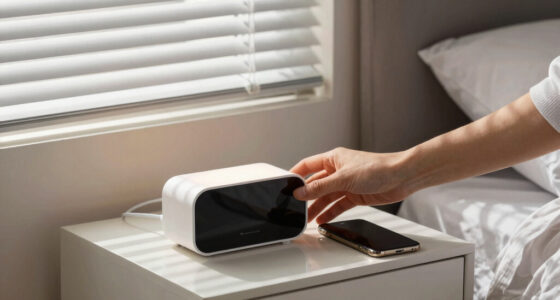
In tiny bedrooms or studio apartments, every inch counts. A bulky alarm clock or a traditional device can clutter your space and disrupt your calming decor. That’s why space-efficient design matters. Look for wake-up lights that are sleek, wall-mounted, or small enough to sit unobtrusively on your bedside table. Many models now come with a minimal footprint and modern aesthetics—think soft curves, neutral colors, and smooth finishes that blend into your space without drawing attention.
For example, a compact wall-mounted sunrise clock can hang beside your bed, freeing up your nightstand. Or a small, rounded device can sit in a corner, emitting a gentle glow without overwhelming your room’s ambiance. These designs help you keep your space uncluttered and peaceful, promoting better sleep and waking routines.
Choosing a space-saving design isn’t just about aesthetics—it influences how comfortably your device integrates into your daily routine. A bulky or conspicuous device can become a source of visual noise, making your space feel more chaotic and less restful. Conversely, a sleek, minimal design enhances the room’s tranquility, encouraging a more relaxed wake-up process. Additionally, wall-mounted models save surface space, which is often at a premium in small environments, and can be positioned to maximize light distribution without encroaching on your limited area.
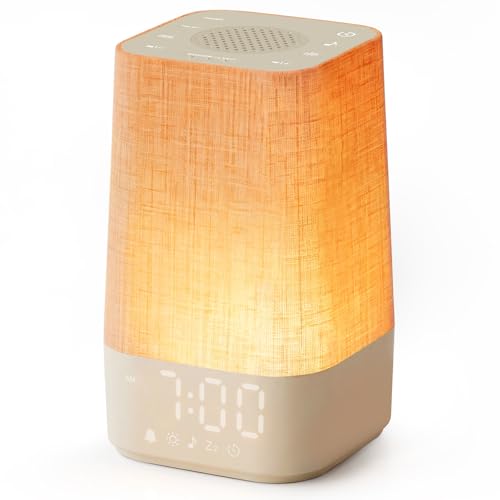
10-60 Mins Simulated Sunrise Alarm Clock: Gentle Wake Up Light with Adjustable Brightness, 32-Level Volume, Bright & Loud Enough for Dark Morning Bedroom – White Noise Machine with 30 Soothing Sounds
10–60 Min Gentle Sunrise Wake-Up: This sunrise alarm clock lets you set a 10–60 minute sunrise simulation, or…
As an affiliate, we earn on qualifying purchases.
As an affiliate, we earn on qualifying purchases.
How to Choose the Perfect Size and Brightness for Your Space
In small rooms, selecting the right size and adjustable brightness isn’t just about fitting the device; it’s about creating a wake-up experience that’s gentle yet effective. A device that’s too bright or too large can feel overwhelming and disturb your sleep, while one that’s too dim or small might not wake you reliably. Adjustable brightness levels allow you to customize the intensity, ensuring the light is bright enough to simulate sunrise without causing discomfort or glare.
For instance, a light with a maximum of 300 lux can adequately fill a small room, mimicking natural sunlight without overwhelming your senses. Moreover, adjustable color temperatures—ranging from warm (~2700K) to cool (~6500K)—offer control over the mood and impact of the light. Warm tones promote relaxation and help you wind down, while cooler tones energize and prepare you for the day.
Understanding the implications of these features is crucial. For example, a high-brightness light might be effective in larger spaces but could be too intense in a tiny room, leading to sleep disturbances. Conversely, a low-brightness device may not be sufficient to wake you if you’re a heavy sleeper. Therefore, testing your device in the actual space, adjusting settings, and considering your sleep habits are essential steps. Balancing size and brightness ensures your wake-up light enhances your routine without unintended negative effects.
wall-mounted sunrise alarm clock
As an affiliate, we earn on qualifying purchases.
As an affiliate, we earn on qualifying purchases.
The Latest in Smart Wake-Up Lights—Tiny but Mighty
Smart wake-up lights for small spaces are now packed with features that make mornings smoother. Bluetooth or Wi-Fi connectivity means you can control the light via your smartphone or voice commands. Compatible with Alexa, Google Assistant, or Siri, these devices adapt to your routines effortlessly.
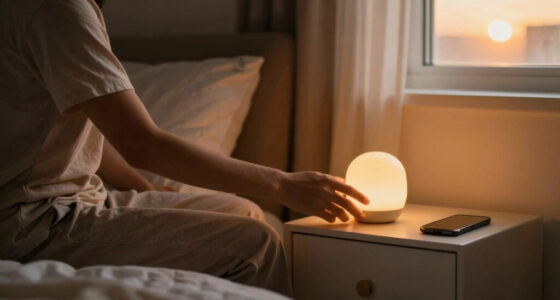
For example, a small bedside lamp can now gradually brighten over 20-30 minutes, synchronized with your smart home system. Some models offer sleep tracking, customized wake-up routines, and sunset features for a calming bedtime glow. Their tiny size hides all these advanced capabilities in a sleek shell, perfect for limited spaces.
Imagine waking up to a sunrise that slowly fills your studio apartment, while your voice assistant gently alerts you to the day’s weather or your schedule. These smart features don’t just add convenience—they can significantly improve your overall waking experience by making routines more personalized and adaptable. The compact size ensures these powerful functionalities don’t take up valuable space or add clutter, maintaining your room’s minimalist aesthetic.
Understanding how these features work and their implications helps you leverage technology to create a more relaxing and efficient morning routine, even in the smallest of spaces.

KACLUT Sunrise Alarm Clock with App Control for Heavy Sleepers, Bedroom, Wake Up Light with Sunrise&Sunset Simulation, White Noise Sound Machine with 11 Colors Night Lights, Dual Alarms, FM Radio
Sunrise & Sunset Simulation Wake-Up Light: This sunrise simulation alarm clock gently wakes you with a gradual light…
As an affiliate, we earn on qualifying purchases.
As an affiliate, we earn on qualifying purchases.
Comparison Table: Classic vs. Smart Wake-Up Lights for Tiny Spaces
| Feature | Classic Wake-Up Lights | Smart Wake-Up Lights |
|---|---|---|
| Size | Small, portable, often table-sized | Compact, wall-mounted or small tabletop |
| Control | Manual buttons or remote | App control, voice commands |
| Lighting Technology | LED, adjustable brightness | |
| Features | Sunrise simulation, sound alarm | Sunrise + sunset, sleep tracking, routines |
| Compatibility | Basic alarm functions | Smart home integration |
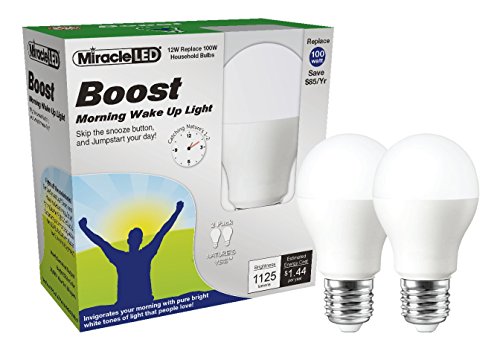
Miracle LED Boost Morning Wake Up Light, Replaces 100 Watt Bulbs, Natural Energy Light, 2-Pack
Safe, Natural way to Wake Up and get you moving in the morning
As an affiliate, we earn on qualifying purchases.
As an affiliate, we earn on qualifying purchases.
Tips to Make Your Small Space Wake-Up Light Work Harder
- Place it where it catches natural light—near a window or on an east-facing wall.
- Set the light to gradually increase over 20-30 minutes for a gentle wake-up.
- Pair it with soothing sounds or your favorite morning playlist.
- Use a dim night glow for late-night reading or relaxing before sleep.
- Sync it with your smart device for routine customization.
Key Things to Remember When Picking Your Tiny Wake-Up Light
- Size matters—ensure it fits comfortably on your bedside table or wall.
- Adjustable brightness and color temperature help customize your wake-up.
- Smart features add convenience but check compatibility with your devices.
- Look for energy-efficient LED technology to save power.
- Choose a design that complements your decor—sleek, minimal, calming.
Frequently Asked Questions
Can wake-up lights really help me wake up more naturally?
Yes. Gradually increasing light mimics sunrise, helping your body wake up without the shock of a loud alarm. Many users report feeling less groggy and more alert.What should I prioritize in a wake-up light for a small space?
Focus on size—compact or wall-mounted models work best. Look for adjustable brightness, easy controls, and smart features if you want extra convenience.Are smart wake-up lights complicated to set up?
Not at all. Most have straightforward app setup and simple pairing instructions. Once configured, they integrate seamlessly into your morning routine.Will a wake-up light help with Seasonal Affective Disorder?
They can provide beneficial light therapy, especially in winter months or for those with limited sunlight exposure, helping improve mood and energy levels.How do I decide between warm and cool light settings?
Warm tones (~2700K) create a relaxing atmosphere, ideal for waking up gently. Cooler tones (~6500K) are more energizing, suitable for a quick morning boost.Conclusion
In tiny spaces, a well-chosen wake-up light doesn’t just brighten your mornings—it transforms how you wake up. Compact, smart, and customizable, these devices turn a small bedroom or studio into a gentle sunrise studio. Remember, the right light isn’t just about waking up—it’s about waking up better.
Next time you set your alarm, think about a soft glow instead of a jarring sound. Your mornings—and your small space—will thank you for it.