TL;DR

Get wellness gear delivered free with Prime
- Fast, free delivery on millions of items
- Prime Video, Amazon Music and more included
- Member-only deals all year
Setting up a sunrise alarm clock involves placing it correctly, choosing your preferred sunrise duration and brightness, and customizing sounds or vibrations. Proper setup can make waking up easier, more natural, and less stressful.
Imagine waking up not to a blaring alarm, but to the soft, warm glow of a rising sun. That’s the promise of a sunrise alarm clock — a device that mimics the natural dawn, easing you gently into the day. But if you’ve never set one up before, it might seem a bit confusing at first. Don’t worry — this guide walks you through every step to make your first setup smooth and stress-free.
Getting it right means you’ll wake up feeling refreshed, not startled. Whether you’ve bought a smart device or a simple model, understanding the basics will help you customize it to your needs. Think of it as tuning a sunrise that suits your sleep habits and mornings best.
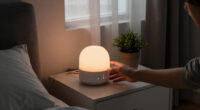
Place your sunrise clock within arm’s reach, facing your face for even light exposure.
Set the sunrise duration to 20-30 minutes for a gradual, natural wake-up.
Adjust brightness and sound options to match your sleeping style and environment.
Test and tweak your settings during the first few mornings to find what works best.
Combine the light with other wake-up cues like gentle sounds or vibrations for optimal comfort.
How to Set Up a Sunrise Alarm Clock for the First Time
A sunrise alarm clock works best when the light reaches your face, brightens gradually, and pairs with the right sound or vibration cue. Set the placement first, tune the sunrise duration next, then test your settings for a few mornings until waking feels calm instead of abrupt.
20-30 min
Ideal sunrise duration for a gradual, natural-feeling wake-up.
100-300 lux
Typical wake light range used to mimic a gentle dawn glow.
1-2 ft
Practical bedside distance, facing your sleeping position without glare.
Setup Essentials
Think of the first setup as tuning a personal sunrise. Placement controls whether your brain detects the cue, duration controls how gently you wake, and sound or vibration adds a backup signal for deeper sleep.
Put light where it can reach you
Place the clock on a clear bedside surface, roughly one to two feet from your bed, facing your face rather than the wall, pillow, or floor.
Start with a gentle 20-30 minutes
A longer simulated sunrise lets brightness rise slowly, which can reduce the startled feeling caused by traditional alarms.
Add calm sound or vibration
Birdsong, soft chimes, radio, ocean waves, or vibration can help if light alone does not wake you reliably.
Your First Setup Flow
Use this five-step sequence the first night. It keeps the process simple: position the clock, choose the target wake time, set the sunrise window, tune intensity, then test the whole experience.
Place
Set it on the nightstand at face level with no books, blankets, or chargers blocking the lamp.
Wake Time
Use buttons, touchscreen, or app controls to select the exact time you need to be awake.
Duration
Choose a 20-30 minute sunrise for a smooth first try, then shorten only if needed.
Brightness
Try a moderate setting first; increase it for heavy sleep or reduce it if the room feels harsh.
Sound
Pair the light with soft audio or vibration, then review how rested you feel after waking.
Dial In the Light
The best settings depend on room darkness, sleep depth, and sensitivity to light. Use the charts below as a practical starting map, then adjust in small steps.
Sunrise Duration Fit
Brightness Spectrum
Key insight
Most sunrise alarm clocks gradually increase light over 20-30 minutes. A 100-300 lux range can create a noticeable but gentle glow that supports your body’s morning wake cues.
Feature Choices
Not every first-time setup needs a smart device. The right model is the one that gives you enough control over light, timing, and backup cues for your sleep style.
| Feature | Basic Clock | Smart Clock | Best For |
|---|---|---|---|
| Adjustable sunrise duration | ✓ Often included | ✓ More precise schedules | Anyone testing 20-30 minute wake-ups |
| Brightness control | ✓ Usually available | ✓ App-based profiles | Light-sensitive sleepers and dark rooms |
| Natural sounds or radio | ~ Model dependent | ✓ More sound libraries | Heavy sleepers who need a second cue |
| Vibration or silent alarm | ~ Less common | ~ Available on select models | Shared beds, hearing needs, quiet wake-ups |
| Smart home integration | ✗ Rare | ✓ Wi-Fi or Bluetooth options | App control, Alexa, Google Home, routines |
Trace the Wake-Up Signal
A good sunrise alarm does not rely on one jarring moment. It layers cues so your body has time to move from sleep toward alertness.
First-Time FAQs
Use these quick answers when your first morning is close, your room layout is awkward, or you are sharing the bed with someone who wakes differently.
How close should it be?
About a foot or two from your bed is a good starting point. Aim the light toward your face without putting it directly in your eyes.
Will it disturb my partner?
Use lower brightness, gentle sound, radio, or vibration settings. Many models let you tune the wake-up cue so it feels less intrusive.
What if I am a heavy sleeper?
Increase brightness, choose a slightly shorter sunrise, and add sound or vibration. Test those changes for a few mornings before judging.
Do I need a smart clock?
No. Basic models can work well. Smart models add app control, custom schedules, and home integrations for people who want more automation.
How to Place Your Sunrise Alarm Clock for Best Wake-Up Light
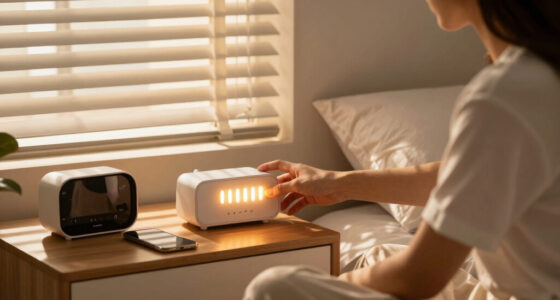
The first step is choosing the right spot. Place your sunrise clock on a bedside table where the light can hit your face evenly. Imagine the soft glow filling your room like a sunrise — but if the device is behind your pillow or under a blanket, the effect is lost. Keep it about a foot or two from your bed, at eye level if possible.
For example, if your nightstand is cluttered with books or clutter, clear some space. The goal? Let the gentle light flood your sleeping space without obstructions. This ensures your brain perceives the glow as a natural dawn, nudging your circadian rhythm into waking mode.
Proper placement isn’t just about aesthetics; it’s about ensuring the light’s intensity and angle are optimal for your body’s natural wake-up cues. If the light is too far or obstructed, it may not be strong enough to trigger your body’s natural response to dawn, potentially leading to a less effective wake-up. Conversely, placing it too close or directly in your line of sight might cause discomfort or overstimulation, disrupting your sleep cycle. Finding that sweet spot helps your body interpret the light as a gentle, natural signal to wake up.
sunrise alarm clock with customizable brightness
As an affiliate, we earn on qualifying purchases.
As an affiliate, we earn on qualifying purchases.
Step-by-Step: How to Set Your Wake-Up Time and Sunrise Duration
- Turn on the device and access the setup menu — usually via buttons or a touchscreen.
- Use the interface to select your desired wake-up time. For example, if you want to wake at 6:30 am, set that as your target.
- Choose how long you want the sunrise to take. Most people prefer 20-30 minutes for a gentle awakening.
- Adjust the brightness level if your device allows. Higher lux (like 200-300) makes the sunrise more vivid, while lower lux creates a softer glow.
For instance, if you set a 25-minute sunrise with a moderate brightness, the light will gradually increase, mimicking a natural dawn and waking you gradually from a deep sleep.
Choosing the right sunrise duration is more than a matter of preference; it has significant implications for how you wake up. A longer duration, such as 30 minutes, allows your body to wake slowly and naturally, which can significantly reduce the grogginess often associated with abrupt awakenings. This gradual process supports your circadian rhythm, helping you feel more alert and less disoriented. Conversely, a shorter duration might jolt you awake more quickly, which can be effective if you need to get up in a hurry but may leave you feeling groggy or disoriented. Balancing duration and brightness is crucial: too bright or too quick can cause stress responses, while too dim or too slow might not be effective enough. Experimenting with these settings helps you find a personalized balance that promotes a smoother transition from sleep to wakefulness.
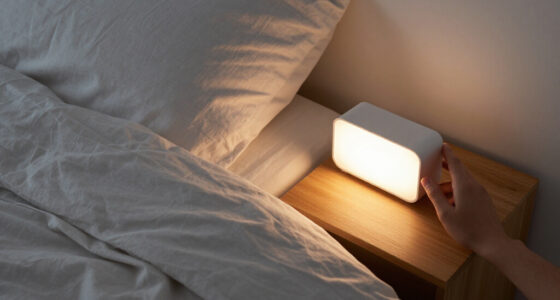
smart wake-up light with sunrise simulation
As an affiliate, we earn on qualifying purchases.
As an affiliate, we earn on qualifying purchases.
How to Customize Sounds and Vibration to Boost Wake-Up Comfort
Sunrise clocks often let you add gentle sounds or vibrations to enhance your wake-up. Choose natural sounds like bird calls or soft chimes, which can make the transition from sleep even smoother. If you share your bed and don’t want to disturb your partner, vibration modes or gentle radio options can be a game changer.
For example, try pairing a soft sunrise with light ocean waves. When the light hits a certain level, the sound starts softly, gradually increasing in volume. This multi-sensory approach can make waking up feel more natural and less abrupt.
Adding sounds or vibrations isn’t just about comfort; it’s a strategic way to ensure waking is effective, especially if your sleep is deep or if the light alone doesn’t fully rouse you. The choice of sounds and vibrations can influence how smoothly you transition from sleep to alertness. Natural, calming sounds tend to be less disruptive and more aligned with your body’s natural cues, helping you wake up feeling refreshed. On the other hand, overly loud or jarring noises can cause abrupt awakenings, leading to grogginess or even sleep inertia. Vibrations can be particularly useful for light sleepers or those with hearing impairments, providing a discreet but effective wake-up signal. Adjusting these features allows you to tailor your wake-up experience to your personal preferences and sleep habits, ultimately making mornings less stressful and more harmonious.
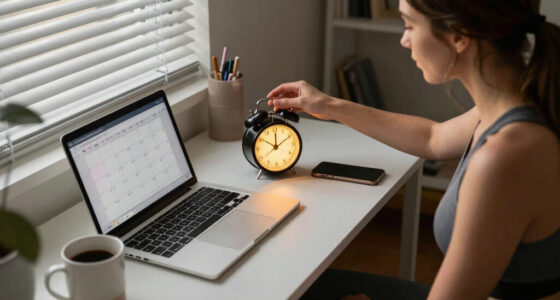
sunrise alarm clock with gentle sound options
As an affiliate, we earn on qualifying purchases.
As an affiliate, we earn on qualifying purchases.
Frequently Asked Questions
How close should I place my sunrise alarm clock to my face?
Position it about a foot from your bed, facing your face directly. This ensures the light reaches you evenly without being too harsh or distant.Can I use a sunrise alarm clock if I share a bed?
Yes. Many models offer adjustable brightness, sound, and vibration options. Some include silent or vibrating alarms that won’t disturb your partner.What if I’m a heavy sleeper? Will a sunrise clock wake me?
It can help, especially when combined with sound or vibration. Experiment with higher brightness and shorter sunrise durations for a stronger wake-up cue.Is it necessary to buy a smart sunrise clock?
Not always. Basic models work well, but smart clocks add features like app control, customization, and integration with smart home devices, which can enhance your experience.As an affiliate, we earn on qualifying purchases.
Conclusion
Getting your sunrise alarm clock right is about creating a gentle morning ritual that your body looks forward to. Think of it as inviting the sunrise into your room — a natural cue to wake feeling refreshed, not startled.
Remember, small adjustments can make a big difference. With patience, your mornings can become smoother, brighter, and more peaceful — like rising with the sun itself.
Columbus Day / Indigenous Peoples' Day Picks
long weekend sales
As an affiliate, we earn on qualifying purchases.