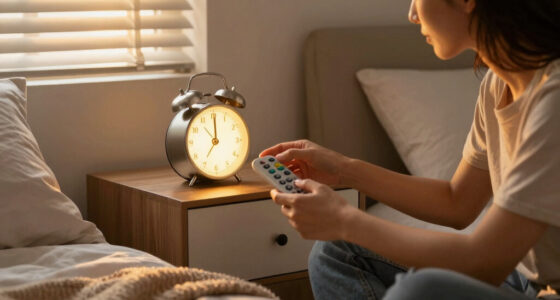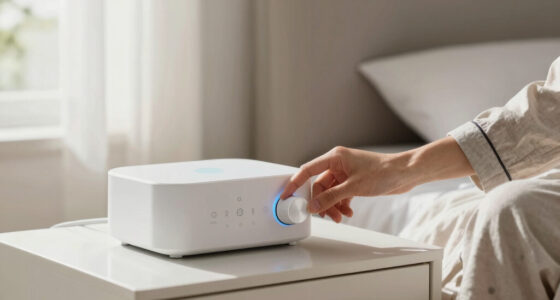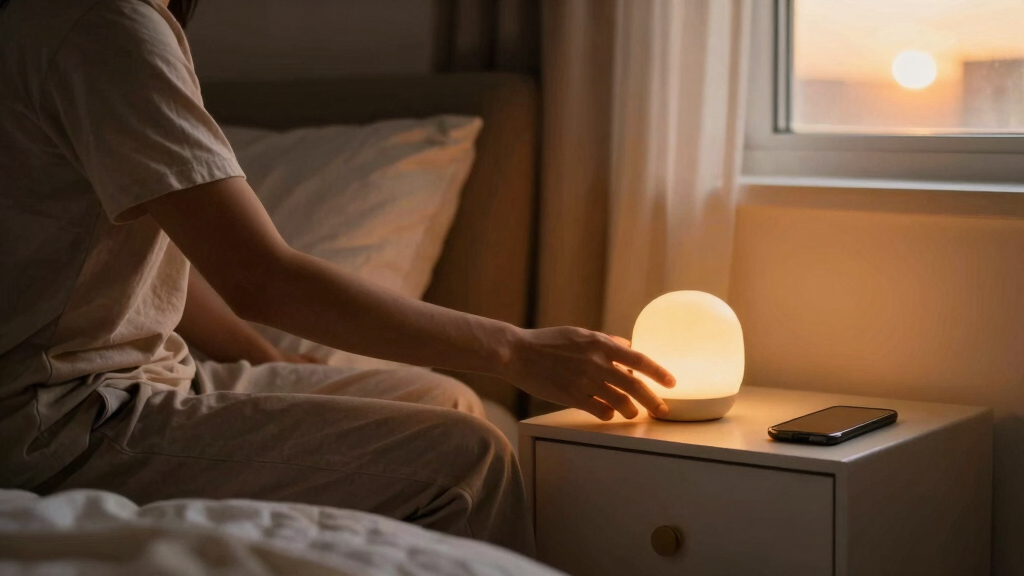

TL;DR
Listen free for 30 days with Audible
Thousands of audiobooks and originals — cancel anytime.
Start your free trialAs an affiliate, we earn on qualifying purchases.
Wake-up lights gradually simulate sunrise, helping you wake more naturally. They can replace your phone alarm for many, but heavy sleepers may still need backup. Advances in tech make them versatile and beneficial for sleep quality.
Most of us rely on our phones to get us out of bed, often starting the day with a jarring alarm and blue light exposure. But what if a gentler, more natural wake-up could do the same—or better? Wake-up lights are gaining popularity as a healthier alternative, promising a gradual, soothing start to the day. But do they really work as a full replacement for your phone alarm? That’s what we’re here to explore.
In this guide, you’ll learn how these devices operate, their benefits, limitations, and how recent tech advances are shaping their role in your sleep routine. Whether you’re tired of the abrupt jolt of your phone or curious about a softer wake-up, this will help you decide if a wake-up light is right for you.
Wake-up lights simulate natural sunrise by gradually increasing brightness, helping you wake more gently and in sync with your circadian rhythm.
They can improve sleep quality and reduce grogginess, especially during dark winter months or for those with sleep sensitivities.
Heavy sleepers or environments with bright rooms may still need backup alarms—don’t rely solely on light to wake everyone.
Modern models now connect with smart home systems, offer customizable routines, and include extra features like aromatherapy for a richer wake-up experience.
Choosing the right wake-up light depends on your sleep habits, room environment, and personal preferences—try different settings before fully replacing your ph…
How Wake-Up Lights Mimic Sunrise and Why It Matters
Wake-up lights work by gradually increasing light intensity, simulating a natural sunrise. Imagine the rich, warm glow of dawn filling your bedroom, slowly rousing you without startling your senses. Most models start around 10-20 minutes before your set alarm time, reaching full brightness just as you’re waking. This gentle light stimulates your body’s circadian rhythm, signaling that it’s time to wake up.
For example, if you set your wake-up light to 6:30 am, it might start at 10% brightness at 6:10 am, then ramp up to 100% by 6:30 am. This process isn’t just about brightness; it’s about mimicking the natural cues your body expects at dawn. The significance lies in how this subtle cue can help regulate your internal clock, especially during seasons with limited sunlight. When your circadian rhythm is aligned with natural light patterns, it can improve overall sleep quality, mood, and energy levels. Conversely, misalignment—like waking abruptly to a loud alarm—can cause grogginess and stress. Sunrise simulation offers a more harmonious wake-up, reducing the shock to your system and fostering a healthier sleep-wake cycle.
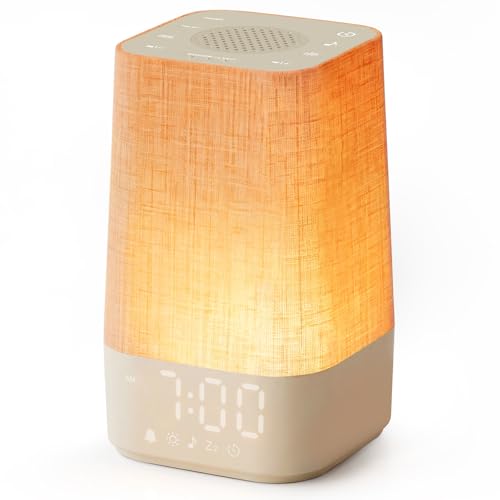
Sunrise Alarm Clock with Sound Machine, Gentle Wake Up Light for Bedroom
- Sunrise Simulation Duration: 10–60 minute customizable sunrise
- Natural Wake-Up Design: Gradual light and gentle sounds
- Adjustable Brightness and Volume: 13 brightness levels, 32 volume levels
As an affiliate, we earn on qualifying purchases.
As an affiliate, we earn on qualifying purchases.
Benefits of Using a Wake-Up Light Instead of a Phone Alarm
- Gentler Wake-Up: The gradual increase in light mimics natural dawn, which helps your body transition out of sleep more smoothly. This is particularly important because abrupt awakenings can trigger stress responses, elevate cortisol levels, and leave you feeling disoriented. By waking gradually, the body can shift from sleep to wakefulness in a less jarring way, leading to a more positive morning mood and reduced morning fatigue. Over time, this can contribute to better overall sleep quality, as your body learns to associate light cues with waking, reinforcing a healthy circadian rhythm.
- Better Sleep Quality: Exposure to blue light from screens before sleep suppresses melatonin, the hormone responsible for sleepiness. Wake-up lights, which don’t emit blue light and often include warm hues, support your body’s natural melatonin production if used correctly—by avoiding bright screens close to bedtime. This helps you fall asleep faster and enjoy more restorative sleep, which is essential for cognitive function, immune health, and mood regulation. Poor sleep quality can lead to increased stress, weight gain, and susceptibility to illness; thus, supporting natural melatonin cycles can have far-reaching health benefits.
- Reduced Sleep Inertia: Waking with light rather than noise allows your brain to transition more naturally from sleep to wakefulness, decreasing the feeling of grogginess that can last for hours after a loud alarm. This phenomenon, known as sleep inertia, impairs cognitive performance and mood upon waking. By gradually increasing light, wake-up lights facilitate a smoother awakening process, resulting in improved alertness, concentration, and mood throughout the day.
- Less Disruption: Phone alarms can be easily ignored or cause sleep fragmentation if kept nearby, especially if notifications or calls interrupt your sleep cycle. Wake-up lights, especially those integrated into your bedroom environment, promote a more natural and less intrusive awakening process, encouraging consistency in your sleep schedule. This consistency is crucial because irregular sleep patterns can disrupt your circadian rhythm, leading to poor sleep quality and daytime fatigue. Using a wake-up light helps reinforce a stable sleep-wake routine aligned with your biological clock.
- Healthier Routine: Consistent exposure to naturalistic light cues can strengthen your circadian rhythm, which governs many physiological processes, including hormone release, body temperature regulation, and metabolism. Proper synchronization can help mitigate mood disorders like seasonal affective disorder (SAD), improve energy levels during darker months, and support overall mental health. Beyond just waking up, integrating light therapy into your daily routine can serve as a preventative measure against mood swings and fatigue, promoting a more balanced and resilient health profile.
Think of waking up with a sunrise as akin to nature’s own alarm clock—gentle, predictable, and aligned with your biological needs. This harmony can foster a more resilient sleep-wake cycle, reduce morning stress, and improve overall well-being. When combined with good sleep hygiene—such as maintaining a consistent sleep schedule and limiting blue light exposure before bed—the benefits are even more pronounced, leading to healthier, more restorative sleep patterns.

Philips SmartSleep Wake-up Light, Colored Sunrise and Sunset Simulation, 5 Natural Sounds, FM Radio & Reading Lamp, Tap Snooze, HF3520/60
- Clinically Recommended: Supports healthy sleep and wake routines
- Personalized Settings: Custom sunrise, sunset, and wake-up sounds
- Smart Features: FM radio, tap snooze, auto-dimming display
As an affiliate, we earn on qualifying purchases.
As an affiliate, we earn on qualifying purchases.
Limitations of Wake-Up Lights — When They Might Not Do the Job
While wake-up lights offer many advantages, their effectiveness isn’t universal. Deep sleepers, for example, often require a more intense wake-up cue than gentle light can provide. This is because during deep sleep stages—particularly slow-wave sleep—the body’s responsiveness to external stimuli diminishes significantly. For such individuals, the light’s gradual increase may not be enough to trigger full arousal, risking oversleeping or grogginess that persists into the day. The tradeoff here is between comfort and reliability; a softer wake-up might feel better but could compromise punctuality if not paired with a backup alarm.
Additionally, environmental factors can diminish their effectiveness. Bright ambient light—like sunlight streaming through windows or strong indoor lighting—can reduce the contrast and make the sunrise simulation less noticeable. People sleeping in rooms with blackout curtains or in very dark environments may find the light less effective unless the device is particularly bright or combined with sound alerts. On the other hand, overly bright devices might disturb others sharing the space or cause discomfort if not properly adjustable. Moreover, the cost of high-end models with advanced features can be a barrier, especially if your sleep environment or habits aren’t aligned with their capabilities. For example, a device with customizable color temperature and sound options may be unnecessary if your sleep routine is already optimized or if your environment doesn’t support its features.
Finally, the reliability of wake-up lights depends heavily on individual sleep patterns. For those with irregular schedules—shift workers or travelers—static routines may not suffice. In such cases, integrating a backup alarm, whether on a smartphone or traditional clock, provides peace of mind and ensures punctuality. The key is understanding your own sleep depth, environment, and daily commitments to decide whether a wake-up light alone can meet your needs or if it should be part of a multi-modal wake-up strategy.
Philips SmartSleep Wake-up Light, Colored Sunrise and Sunset Simulation, 5 Natural Sounds, FM Radio & Reading Lamp, Tap Snooze, HF3520/60
- Clinically Recommended: Supports healthy sleep and wake routines
- Personalized Settings: Custom sunrise, sunset, and wake-up sounds
- Smart Features: FM radio, tap snooze, auto-dimming display
As an affiliate, we earn on qualifying purchases.
As an affiliate, we earn on qualifying purchases.
Tech Advances Making Wake-Up Lights Smarter and More Effective
Modern wake-up lights are now leveraging advanced technology to enhance their effectiveness and integration into daily routines. These devices often connect seamlessly with smart home ecosystems such as Alexa, Google Assistant, or Apple HomeKit, allowing for personalized routines and voice control. This integration means you can set your wake-up light to adjust brightness, color temperature, or even start a specific scene—like gradually shifting from warm orange to bright white—mimicking the natural progression of sunrise more precisely. This level of customization allows users to tailor their wake-up experience to their preferences and biological rhythms, potentially increasing the device’s effectiveness by aligning it more closely with individual needs.
Recent innovations also include features like aromatherapy, Bluetooth speakers, and FM radios, transforming the wake-up experience into a multi-sensory ritual. For example, some models can diffuse calming scents while playing gentle music or nature sounds, which can enhance relaxation and mood upon waking. These enhancements aren’t just luxury—they can support better sleep hygiene by creating a more inviting bedtime environment and a more effective wake-up process. The ability to personalize these features means users can craft a wake-up routine that feels natural, soothing, and motivating, thereby improving adherence and overall sleep quality.
Furthermore, many of these devices are app-controlled, allowing you to customize wake-up routines, set multiple alarms, or adjust settings remotely. The ability to synchronize sunrise simulation with your sleep schedule—adjusting for daylight saving time or seasonal changes—helps maintain consistency and circadian alignment. This adaptability means wake-up lights are evolving from simple devices into intelligent tools that respond dynamically to your lifestyle, making them more effective and user-friendly. As these technologies continue to develop, wake-up lights are poised to become more than just alarms—they are becoming integral parts of personalized health and wellness ecosystems.

SaiDian 1Pcs Quartz Alarm Clock Movement Replacement Clock Mechanism Repair Parts DIY 588-08 with Hour/Minute/Second Hands
- Versatile Compatibility: Suitable for various clock types
- Suitable Thickness: Fits panels up to 6mm thick
- Durable Construction: Made of high-quality, sturdy materials
As an affiliate, we earn on qualifying purchases.
As an affiliate, we earn on qualifying purchases.
What You Need to Know Before Making the Switch
Choosing the right wake-up light involves more than just brightness levels. It’s essential to consider the device’s design, size, and how intuitive its controls are. Think about the additional features that might align with your lifestyle—such as sound alarms, Bluetooth connectivity, aromatherapy, or compatibility with smart home systems. These extras can enhance your wake-up experience but may also add to the cost and complexity. Understanding your priorities—whether it’s a simple device or one with extensive features—will help you select a model that integrates seamlessly into your routine.
Assess your sleep habits critically. Are you a light sleeper who responds well to gradual cues, or do you need a more intense stimulus like a loud alarm? If you share your bedroom, consider how the device’s light or sound might affect others. Room environment matters too; a bright, dark, or noisy space can influence how effective a wake-up light will be. Budgeting is also key—basic models are affordable, but high-end devices with advanced features can be costly. Recognizing these factors helps prevent buyer’s remorse and ensures the device supports your personal sleep health.
Before purchasing, try different settings—adjust brightness, set various wake-up routines, and observe how you feel upon waking. The goal is to find a routine that feels natural and reliable. Consistency is vital; giving your body time to adapt to your wake-up method will help reinforce your circadian rhythm, leading to better sleep and mornings. Remember, a thoughtful choice based on your specific needs will maximize the benefits of your new wake-up routine and promote long-term sleep health.
Should You Completely Replace Your Phone Alarm? Here’s When Yes or No
For many, a wake-up light can effectively replace a phone alarm, especially if their sleep is light and their environment is conducive to natural waking cues. The gradual increase in light can trigger your body’s own mechanisms for waking, reducing stress and morning disorientation. However, individual differences matter: deep sleepers, or those living in very bright rooms, might find the light insufficient to wake them reliably. In such cases, a backup alarm—such as a loud phone alarm or traditional clock—can provide peace of mind and ensure punctuality.
For instance, someone who tends to sleep through alarms might set both a wake-up light and a loud sound alarm, using the light as the primary cue and the sound as a fail-safe. Conversely, individuals who are sensitive to blue light or who prefer a very natural start might opt for a light-only routine, trusting the sunrise simulation to wake them without additional noise. The key is to experiment with your routine—try a week of relying solely on the wake-up light, then add a backup if needed—and observe your alertness and punctuality.
Ultimately, the decision hinges on your sleep depth, environment, and personal preferences. A tailored approach—combining light and sound if necessary—can optimize your mornings, making waking up less stressful and more aligned with your biological rhythms.
Frequently Asked Questions
Can a wake-up light fully replace my phone alarm?
For many, yes. If you’re a light sleeper and your room isn’t too bright, a wake-up light can effectively wake you naturally. Deep sleepers or those with irregular schedules might still want a backup alarm to ensure they get up on time.Are wake-up lights better for my sleep health?
Generally, yes. They promote a more natural wake-up process and reduce blue light exposure before bed, which can support better sleep quality and melatonin production.Will a wake-up light work for someone who sleeps deeply?
It depends. Deep sleepers might need a more intense wake-up cue, like a loud alarm. Combining a wake-up light with a backup alarm can provide peace of mind for those who sleep soundly.How do I pick the best wake-up light for me?
Consider brightness levels, size, additional features like sound or smart connections, and your budget. Testing different settings helps find what feels most natural and effective.Can wake-up lights help with seasonal depression?
Yes, models that mimic sunlight can support mood and energy during darker months, offering a gentle boost similar to natural light therapy.Conclusion
A wake-up light can transform your mornings from a jarring jolt to a gentle sunrise. It’s a simple shift that might just make your sleep better and your day start brighter. But remember—no device is a one-size-fits-all. Pair it with a backup if you’re a deep sleeper or share your bed.
Ultimately, a good morning begins with a routine that respects your sleep needs. If a wake-up light helps you wake more naturally, why not give it a try? Your mornings—and your circadian rhythm—might thank you for it.
Baby shower & registry season Picks
baby registry must-haves
As an affiliate, we earn on qualifying purchases.