
TL;DR
Wake-up lights mimic sunrise to help reduce morning grogginess. Proper use can improve alertness and mood, but individual results vary. Choose wisely based on your needs and sleep habits.
Imagine opening your eyes to a soft, warm glow instead of an abrupt alarm blaring in your ears. That’s the promise of a wake-up light — a device designed to gently coax you out of sleep, aligning with your body’s natural rhythms. But do they truly cut through the fog of morning grogginess? And what should you expect in those first few weeks of trying one?
If you’ve ever hit snooze multiple times, feeling sluggish even after a full night’s rest, you’re not alone. Many people turn to sunrise alarm clocks to make waking easier and more natural. In this guide, we’ll explore how these lights work, what changes you might notice, and how to get the most out of your investment.
Use wake-up lights that emit between 2,500 and 10,000 lux for best results.
Start the light 30-60 minutes before your usual wake-up time for a gentle transition.
Place the light where it shines directly on your face without causing glare.
Consistency is key — use your wake-up light every day to reinforce your body’s rhythm.
Combine light exposure with good sleep habits for maximum benefit.
How Wake-Up Lights Help You Wake Up Feeling Less Groggy
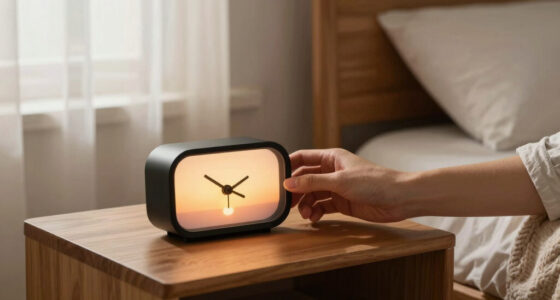
Wake-up lights simulate the sunrise by gradually increasing light intensity, which signals your brain that it’s time to wake. This process triggers your circadian rhythm, the internal clock that regulates sleep and wakefulness, to prepare your body for wakefulness in a more natural way. Instead of a sudden jolt from a loud alarm, your brain receives a slow, consistent cue that mimics natural dawn, which can reduce the stress response often associated with abrupt waking.
When you set your wake-up light to start 30 minutes before your usual alarm, your body begins to adjust to the slowly increasing light. Over time, this can lead to a more seamless transition from sleep to wakefulness, reducing the disorientation and grogginess that often accompany abrupt alarms. This gentle awakening can also lower cortisol spikes, which are linked to stress and fatigue upon waking. The result? Many users report waking up with a clearer mind, feeling more energized and ready to face the day, rather than sluggish and disoriented.
Research suggests that this process can improve overall morning alertness by aligning your internal clock with external cues, which is particularly beneficial during dark winter months when natural sunlight is scarce. The deeper implication is that consistent use of such lights could help reinforce your circadian rhythm, leading to more stable sleep patterns and less morning fatigue over time.

JALL Full-Screen Wake Up Light Sunrise Alarm Clocks for Bedrooms, White Noise Machine for Heavy Sleepers, 25 Natural Sounds, Dual Alarms, FM Radio, 17 Dimmable Colors, Bluetooth Speaker
【Full-Screen Sunrise Simulation for Heavy Sleepers】 This sunrise alarm clock mimics natural dawn, glowing from dark to full…
As an affiliate, we earn on qualifying purchases.
As an affiliate, we earn on qualifying purchases.
What Makes a Wake-Up Light Effective (And What Doesn’t)
Not all wake-up lights are equally effective, and understanding why can help you choose the right device. Effectiveness hinges on how well the light mimics natural sunrise and how it fits into your sleep-wake cycle. A high-quality wake-up light should provide a gradual increase in brightness — ideally over 20-30 minutes — to simulate natural dawn. If the light ramps up too quickly, it can cause a jarring awakening, negating the benefits of a gentle wake-up.
The brightness level is crucial because too dim a light won’t sufficiently stimulate your circadian receptors, while overly bright lights could cause discomfort or sleep disruption if used improperly. The recommended lux range, 2,500 to 10,000, strikes a balance that closely resembles natural sunlight, which is essential for signaling your body to wake up naturally. However, the effectiveness of these devices is also influenced by their timing and how well they integrate into your routine. For example, a light that starts too late in the morning might not give your body enough time to adjust, while one that begins too early could interfere with your sleep cycle, especially if it’s too bright or poorly timed.
Additional features like accompanying sounds or aromatherapy can enhance the waking process by providing multisensory cues, but they also introduce tradeoffs. For example, sounds that are too loud or abrupt can trigger a stress response, while overly complex devices may be more prone to malfunction or complicate your routine. The key tradeoff lies in simplicity versus customization: a basic device with a smooth ramp-up might be more reliable but less versatile, whereas advanced models with adaptive features require more setup and familiarity but can personalize your wake-up experience more effectively.
Understanding these tradeoffs helps you select a device that aligns with your sleep patterns and preferences, ensuring that the light’s benefits are maximized without causing unintended disruptions or discomfort.

SUXIO Light Therapy Lamps Rechargeable, 10000 Lux Sunlight Lamp with Wake-Up Function, Daylight Lamp with Memory Function, Happy Lamp Use As Lift-Mood, Light Therapy Box for Home/Office
【Rechargeable Therapy Light】 – We are a rechargeable therapy light lamp, the sun light therapy lamp lasts for…
As an affiliate, we earn on qualifying purchases.
As an affiliate, we earn on qualifying purchases.
How to Use Your Wake-Up Light for Best Results
- Set your wake-up time: Choose a consistent time that aligns with your natural sleep cycle. Consistency reinforces your circadian rhythm, making waking more natural over time.
- Place it correctly: Position the light where it can shine directly on your face without causing glare, ideally from the side or across the room. Proper placement ensures the light reaches your eyes effectively, which is necessary for stimulating your internal clock.
- Adjust the settings: Select the appropriate brightness and start time, and experiment with different durations to find what feels most natural. Small adjustments can significantly impact how smoothly you wake up, so pay attention to your body’s responses.
- Stick to a routine: Use it daily, even on weekends, to help your body establish a consistent sleep-wake pattern. Regularity reinforces the internal cues your body relies on, leading to more reliable mornings.
- Combine with other habits: Turn off screens early, wind down at night, and get some morning fresh air for a full reset. These habits complement the light’s effects, promoting better sleep quality and more natural waking.
For example, someone might set their light to start 30 minutes before their alarm, with a gentle soundscape, and place it across the room to encourage movement. Over a week, they might notice waking feels smoother, with less fog and more alertness, as their body begins to anticipate and respond to the light cues more efficiently.

JALL Full Screen Dimmer Sunrise Alarm Clocks for Bedrooms, Wake Up Light with FM Radio, 25 White Noise Sleep Sounds, Bluetooth Speaker, Dual Alarms Bedside Clock for Heavy Sleepers
【Full-Screen Sunrise Simulation】Ditch harsh beeps. JALL sunrise alarm clock uses "light-first" tech—light gradually brightens (10-100%) 10-60 mins before…
As an affiliate, we earn on qualifying purchases.
As an affiliate, we earn on qualifying purchases.
Why Some People Still Feel Groggy Even With a Wake-Up Light
Wake-up lights are a helpful tool, but they are not a cure-all. Their effectiveness depends heavily on individual sleep quality and consistency. If your sleep is fragmented or insufficient, the light can only do so much; it cannot compensate for the restorative processes that happen during deep sleep stages. For instance, if you regularly get fewer than six hours of sleep, your body will still feel fatigued in the morning despite the gentle wake-up cues. The light can improve the process of waking but doesn’t address the underlying need for adequate sleep duration or quality, which is fundamental to feeling refreshed.
Sleep disorders such as sleep apnea or restless leg syndrome further complicate the picture, as these conditions interrupt sleep architecture and prevent restful sleep. In such cases, waking up with a light won’t address the root causes of poor sleep quality and may even exacerbate feelings of fatigue if sleep is disrupted or fragmented. Additionally, poorly timed or overly bright lights can sometimes cause sleep fragmentation if used too late or if they cause discomfort, leading to increased grogginess rather than relief. This highlights the importance of integrating wake-up lights into a broader sleep health strategy rather than relying solely on them.
Understanding these limitations emphasizes that wake-up lights should be part of a holistic sleep strategy — including good sleep hygiene, consistent routines, and medical advice when necessary. Their role is to support and enhance natural rhythms, not replace the need for adequate sleep and health management, which are critical for waking up feeling truly refreshed and alert.
light therapy alarm clock
As an affiliate, we earn on qualifying purchases.
As an affiliate, we earn on qualifying purchases.
What Advanced Wake-Up Light Features Mean for You
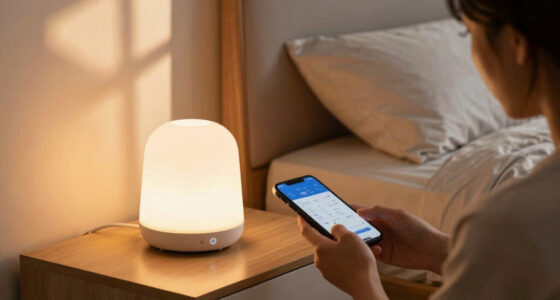
Recent models now include smart features like app control, sleep tracking, and adaptive lighting that respond to your sleep stages. These innovations aim to optimize your waking experience by tailoring the light exposure to your body’s needs. For instance, some devices monitor your sleep cycles via sensors or app data, waking you during lighter sleep phases when your body is naturally more prepared to wake, reducing sleep inertia and grogginess. This approach recognizes that waking during deep sleep can cause disorientation and grogginess, so timing the wake-up during lighter stages makes mornings smoother and more natural.
Imagine a sunrise clock that not only gradually brightens but also syncs with your sleep data, waking you at the optimal moment within your sleep cycle. This personalized approach can make mornings feel less abrupt and more aligned with your biological rhythms, potentially improving overall alertness and mood. These features are especially beneficial for shift workers or individuals with irregular schedules, as they help tailor waking times to fluctuating sleep patterns, reducing the negative effects of sleep deprivation or misaligned schedules.
However, these advanced features come with a tradeoff: they require setup, a learning curve, and sometimes subscription services. If you’re less comfortable with technology, a simpler model that offers smooth light ramp-up and optional sounds might serve you just as well, focusing on the core benefit of gentle awakening without added complexity. The key is understanding your priorities—whether you value personalized, data-driven wake-up routines or prefer straightforward, reliable devices that do the job without fuss.
Research indicates that such adaptive, personalized wake-up routines can increase morning alertness by up to 15%, especially for shift workers or those with irregular schedules, by aligning waking times more closely with natural rhythms. This tailored approach can be a game-changer for those struggling with mornings, making waking less stressful and more consistent over time.
How Morning Grogginess Changes Over Time With a Wake-Up Light
Many users report that their initial grogginess lessens significantly after several weeks of consistent wake-up light use. This improvement is rooted in the body’s ability to synchronize more effectively with external cues, leading to a more natural and less jarring wake-up process. The internal clock, or circadian rhythm, becomes more attuned to the light signals, which helps regulate sleep and wake cycles more predictably. As this synchronization occurs, the brain learns to anticipate the light cues, making waking up feel less abrupt and more effortless, which reduces the typical morning sluggishness.
For example, a person who started using a sunrise alarm clock during the darker winter months noticed a 25% increase in morning alertness after a month, with mornings feeling less abrupt and more refreshing. Over time, the body’s internal rhythms adapt to the new cues, leading to more consistent wake-up times and less inertia. This adaptation not only improves morning alertness but can also positively influence overall sleep quality by reinforcing regular sleep-wake cycles.
Patience is essential; it can take 2-3 weeks before these benefits become noticeable. If you stop using the light prematurely, your circadian rhythm might revert to previous patterns, and morning grogginess could return. Maintaining daily exposure to the light helps reinforce your internal clock, leading to more consistent and energized mornings in the long run. Scientific studies on sleep rhythms reinforce that regular morning light exposure plays a crucial role in stabilizing your sleep-wake cycle, making mornings easier and more natural over time.
Frequently Asked Questions
Do wake-up lights really help reduce morning grogginess?
Yes, many users find that gradually increasing light helps them wake more naturally and feel less sluggish. Consistent use and correct timing boost these benefits.How do I choose the best wake-up light for me?
Look for a device with at least 2,500 lux brightness, adjustable start time, and a gradual ramp-up feature. Consider extra features like sound or app control based on your preferences.Can wake-up lights replace my alarm clock?
They can serve as a gentle alternative or supplement to your alarm. For reliability, some still prefer a traditional alarm backup in case of malfunction.Are wake-up lights effective for sleep disorders?
They might help regulate your circadian rhythm but shouldn’t replace medical advice or treatment for sleep issues like sleep apnea.When is the best time to turn on my wake-up light?
Set it to start 30-60 minutes before your usual wake-up time, ideally aligning with your natural sleep cycle for smoother mornings.Conclusion
Wake-up lights can transform your mornings from a foggy haze into a bright, alert start. They don’t just wake you up — they prepare your body for the day ahead. Remember, the best results come from consistent use and a healthy sleep routine.
So, if you’re tired of feeling groggy, trying a wake-up light might be the gentle nudge your mornings need. Brighten your wake-up, brighten your whole day.