
TL;DR

Get wellness gear delivered free with Prime
- Fast, free delivery on millions of items
- Prime Video, Amazon Music and more included
- Member-only deals all year
Sunrise alarm clocks use gradually brightening LED lights to mimic sunrise, helping you wake up naturally and feel more refreshed. They can improve mood, reduce grogginess, and support healthy sleep rhythms when used consistently.
Imagine waking up gently, as if the sun itself is rising just for you. No jarring sounds, no sudden brightness—just a smooth transition from darkness to light. That’s the promise of a sunrise alarm clock, a device designed to make mornings less stressful and more natural.
If you’ve ever struggled to wake up or felt groggy even after hitting snooze, understanding how these clocks work might change your mornings. They tap into your body’s natural rhythms, supporting a more peaceful start to your day. Let’s explore how they work, what features matter, and how you can make the most of them.
Sunrise alarm clocks use gradually increasing LED light to mimic natural dawn, gently waking you up.
Adjusting brightness and color temperature enhances comfort and effectiveness of the wake-up experience.
Pairing light with sound creates a multisensory cue that makes waking easier and more natural.
Placement near the bed, but not directly in your face, improves the clock’s effectiveness.
Consistent use reinforces your body’s sleep-wake cycle, leading to more refreshed mornings.
How Sunrise Alarm Clocks Work: A Gentle Wake-Up Explained
TL;DR: Sunrise alarm clocks use gradually brightening LED light to mimic dawn, helping your brain shift from sleep to wakefulness before a sound alarm ever needs to step in. Used consistently, they can reduce grogginess, support circadian rhythm, and make mornings feel less abrupt.
Wake the body before the alarm wakes the room.
The light begins 30 to 60 minutes before your target time, nudging hormone signals, alertness, and mood into motion gradually.
Potential improvement in morning alertness compared with abrupt alarms.
Minutes of increasing light before the scheduled wake time.
Dim glow builds into room-filling brightness.
Visible to your eyes, not pointed straight at your face.
Higher brightness can help in dark rooms or winter months.
Nature sounds or chimes can reinforce the light cue.
Consistent use helps train the sleep-wake rhythm.
The Gentle Wake-Up Mechanism
A sunrise clock is less about telling time and more about staging a transition. Instead of shocking your nervous system awake, it gives your eyes and brain a gradual signal that morning is arriving.
Brightness rises slowly
The built-in LEDs start at a dim glow and increase toward full brightness over a chosen wake window, usually 30 to 60 minutes.
Warm shifts to clear
Many models move from orange or yellow tones into brighter white light, echoing the color progression of natural sunrise.
The brain gets a cue
Light detected by the eyes helps suppress melatonin and encourages wake-promoting signals, so the body prepares before sound arrives.
From Darkness to “I’m Awake”
The sequence works because light is one of the strongest inputs to the circadian system. A soft ramp gives the body time to move through the wake-up state instead of being yanked into it.
Dim glow
The clock begins before your alarm time with low amber light.
Eye signal
Specialized retinal cells detect increasing brightness.
Clock reset
The hypothalamus receives the cue that morning is near.
Hormone shift
Melatonin eases down while alertness signals rise.
Softer wake
Sound becomes backup, not the first shock of the day.
What Settings Matter Most?
The best sunrise clock is adjustable. Brightness, color temperature, sound, and timing should match your room, sensitivity, season, and sleeping style.
Feature Impact Map
Color Temperature Journey
Warm amber light feels gentle at the beginning of the wake cycle. Brighter white light near the end can support alertness, especially when natural daylight is limited.
Sunrise Alarm vs. Traditional Alarm
A traditional alarm prioritizes certainty. A sunrise alarm prioritizes transition. The most effective setup often combines both: light first, sound as a quiet confirmation.
| Wake factor | Sunrise alarm clock | Traditional alarm | Why it matters |
|---|---|---|---|
| Gradual light cue | ✓ Built into the wake routine | ✗ Usually absent | Gives the brain time to prepare for waking. |
| Reduced sleep inertia | ✓ Often improved with consistent use | ~ Depends on timing and sleep stage | Morning fog can feel less intense. |
| Heavy sleeper backup | ~ Best with sound enabled | ✓ Strong sound cue | Some sleepers still need audible assurance. |
| Seasonal support | ✓ Helpful in dark months | ✗ No daylight simulation | Artificial dawn can compensate for low morning light. |
| Customization | ✓ Brightness, color, sound, app routines | ~ Mostly tone and volume | Personal comfort affects whether the habit sticks. |
How to Use One Well
Small setup choices make the difference between a novelty lamp and a useful circadian tool. The goal is a visible, comfortable cue that repeats every morning.
Start gentle, then tune upward.
Begin with a 30-minute sunrise, medium brightness, and warm-to-white color if available. If you still wake groggy, increase the duration or brightness before adding louder sound.
Place it near your bed at eye-visible height, but angle it away from direct glare. The light should reach your face naturally, not feel like a spotlight.
Morning setup checklist
- Use the same wake time most days to reinforce your rhythm.
- Choose calm sounds that rise slowly rather than startling tones.
- Use higher lux settings in winter or very dark bedrooms.
- Pair with a sunset mode if evening wind-down is difficult.
- Keep a backup sound alarm if you are a heavy sleeper.
The Traceable Wake Chain
A sunrise alarm works best when each part supports the next: environment, light, biology, behavior, and habit all point in the same direction.
Darkness
Limited morning light creates a harder wake-up.
Dawn ramp
Brightness increases before the alarm time.
Signal
Retinal cells send light information to the brain.
Rhythm
Melatonin falls and alertness rises.
Backup
Gentle audio confirms it is time to get up.
Routine
Consistency makes the cue more reliable.
What Exactly Is a Sunrise Alarm Clock and How Does It Mimic Dawn?
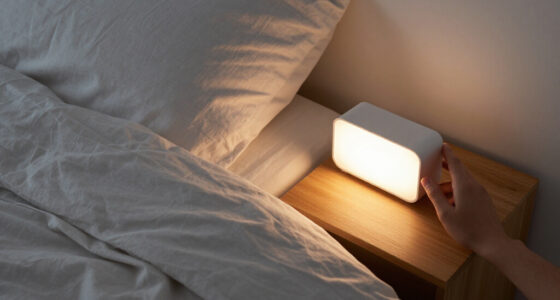
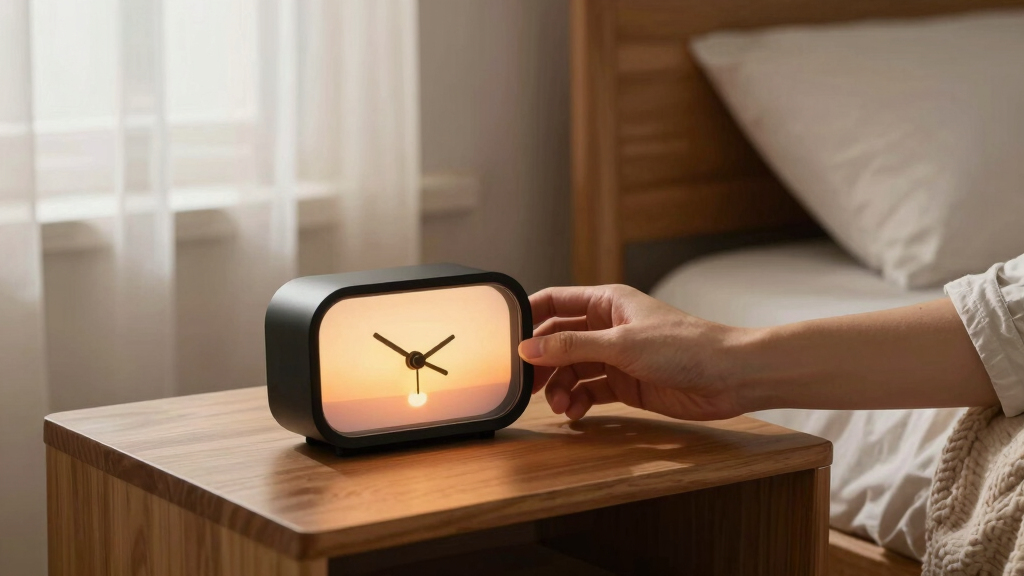
At its core, a sunrise alarm clock is a device equipped with a built-in light that gradually brightens over a set period—usually 30 to 60 minutes—before your scheduled wake-up time. It’s like a mini sunrise in your room, slowly filling the space with warm, inviting light.
This gentle illumination prompts your brain to produce hormones like cortisol, signaling that it’s time to wake up. Instead of startling your system awake with a loud noise, it uses light to nudge you awake naturally, much like how the sky brightens at dawn. The gradual increase in light helps your body prepare for waking, reducing the stress or shock often associated with abrupt alarms. For example, if you set the clock for 6:30 am, the light might start at a dim glow at 5:30 am, gradually increasing to full brightness by 6:00 am, giving your body a gentle cue that morning is arriving. This process supports a smoother transition from sleep to wakefulness, which can lead to feeling more alert and less groggy upon waking. The key is that the slow, natural progression respects your circadian rhythm, avoiding the abrupt awakening that can cause disorientation or cortisol spikes.
sunrise alarm clock with gradual light
As an affiliate, we earn on qualifying purchases.
As an affiliate, we earn on qualifying purchases.
How Bright and Colorful Is the Light? Why It Matters
Sunrise clocks use LED technology to produce full-spectrum or warm white light that closely resembles natural sunlight. You might notice the light changing from a soft orange or yellow hue to a bright white as it progresses. This spectrum is key because different colors influence your body differently, and understanding these effects can help you optimize your wake-up routine.
Warmer tones, such as orange and yellow, are associated with sunset and evening, signaling your body to wind down and prepare for sleep. Cooler white or blue-tinted light mimics midday sun, which boosts alertness and cognitive function. If your wake-up light is adjustable, selecting a spectrum that gradually shifts from warm to cool can help your body transition smoothly from sleep to activity. The intensity of the light also matters; higher lux levels (around 250 lux or more) can significantly enhance alertness, especially in darker months or rooms with limited natural light. However, there’s a tradeoff: excessively bright lights or harsh color temperatures might cause discomfort or eye strain if not properly adjustable. Therefore, choosing a device with customizable brightness and color temperature allows you to tailor the experience, making your mornings both effective and comfortable. The importance of this customization lies in aligning the light’s spectrum with your personal sensitivity and the natural cues your body responds to, ultimately supporting a more natural and less jarring wake-up.
alarm clock with sunrise simulation
As an affiliate, we earn on qualifying purchases.
As an affiliate, we earn on qualifying purchases.
The Sound Layer: How It Complements Light for a Softer Wake
Many sunrise clocks don’t rely on light alone. They often include gentle sounds—like birdsong, flowing water, or soft chimes—that start softly and gradually increase in volume. Think of it as a musical hug as you wake up.
For instance, you might choose a calming rainforest sound, which begins at a whisper as the light brightens, then swells gently. This combination of light and sound creates a multisensory cue that your brain recognizes as a natural waking signal, making the transition smoother. The addition of sound not only enhances the wakefulness process but also provides an extra layer of reassurance for those who might be sensitive to light alone. For example, if the light isn’t quite enough to wake you, or if you’re in a darker room, the gentle sound can serve as a backup cue to ensure you wake on time. The tradeoff, however, is that sounds can sometimes be disruptive if not chosen carefully—some people prefer very subtle or customizable options to match their sleep preferences. Incorporating sound thoughtfully can help cater to different sleeping habits and sensitivities, making the waking process more pleasant and less abrupt.
Practical tips include selecting sounds that are calming and gradually increasing in volume, and setting the clock to start the sound just before or at the same time as the light reaches full brightness. This multisensory approach leverages the brain’s natural response to multiple cues, making waking up feel more like a gentle emergence rather than an abrupt jolt.
As an affiliate, we earn on qualifying purchases.
The Science Behind It: Why Your Body Responds to Light Like This
Sunrise alarm clocks tap into your circadian rhythm—the internal clock that regulates sleep and wake cycles. When your eyes detect increasing light, specialized cells send signals to your brain’s master clock, the hypothalamus. This prompts hormonal changes that prepare you to wake up naturally.
But why does light have such a profound effect? The answer lies in the way light interacts with your body’s biological systems. Light exposure influences the production of melatonin, the hormone responsible for sleep, and cortisol, which promotes alertness. Bright, natural-like light suppresses melatonin, signaling your body that it’s time to wake. This process is especially important in regions with long, dark winters where natural daylight is limited, making these clocks an effective tool to compensate for environmental deficits. For shift workers or those with irregular schedules, mimicking dawn can help reset their internal clock, promoting better sleep quality and daytime alertness. The tradeoff here is that the effectiveness depends on consistent exposure—irregular use may diminish the benefits. Moreover, the timing of the light is critical; too early or too intense can disrupt your circadian rhythm, leading to sleep difficulties. Therefore, understanding the science behind light’s influence helps you use sunrise alarms more effectively, turning a simple device into a powerful tool for aligning your internal clock with your daily schedule.
As an affiliate, we earn on qualifying purchases.
The Latest Tech and Features That Make Sunrise Clocks Better
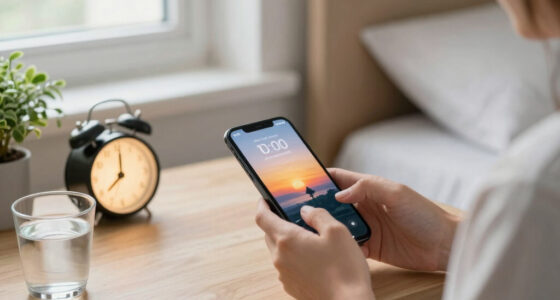
Recent models push the boundaries with smart features. You might find clocks that connect to your phone via apps, allowing you to customize wake-up routines or even simulate sunset for better sleep. Some incorporate blue light filters to reduce eye strain, especially if you’re sensitive.
LEDs have become more energy-efficient, offering brighter, more realistic sunrise simulations without guzzling power. Others include sleep tracking, helping you understand your sleep patterns and pick the perfect wake-up time. These technological advancements are not just about convenience—they can significantly enhance the effectiveness of your wake-up routine. For example, a smart clock that adjusts its wake-up light based on your sleep data can optimize your sleep cycles, reducing grogginess and improving overall sleep quality. Integration with smart home systems allows for synchronized lighting that mimics natural dawn even more precisely. However, these features come with tradeoffs: increased complexity can sometimes lead to higher costs or potential technical issues. The key is that they offer a customizable, data-driven approach to waking, which can be tailored to individual sleep needs and preferences, ultimately supporting healthier sleep habits and more energized mornings.
Placement and Usage Tips: Getting the Most Out of Your Sunrise Clock
Placement matters. Position your clock where it can cast light across your face without shining directly into your eyes. A bedside table slightly away from your pillow works well. If you sleep with blackout curtains, the simulated sunrise will be more noticeable and effective.
Consistency counts. Use your sunrise clock every night, even on weekends, to reinforce your body’s internal rhythm. Adjust the brightness and sound levels to suit your preference—some people prefer a softer start, others a more energetic wake-up.
Think of your morning routine as a mini ritual—set your clock, choose your preferred sounds, and trust the gentle light to wake you smoothly, reducing that dreaded morning grogginess.
Additionally, consider the timing of your placement. If the light is blocked or obstructed, it might not effectively trigger your body’s wake-up response. Using the clock in a way that maximizes light exposure—such as near a window or in a position that allows the light to reach your face unobstructed—can make a noticeable difference. Regular use not only conditions your body to expect this gentle awakening but also reinforces your circadian rhythm, leading to more consistent sleep patterns and better mornings over time.
Are They Right for You? Who Benefits Most
Sunrise alarm clocks work best if you want a calmer, more natural wake-up. They’re especially helpful if you struggle with traditional alarms, live in darker climates, or suffer from seasonal mood dips. If you’re a heavy sleeper, look for models with higher brightness or added sound options.
For example, someone working night shifts or living in winter’s long darkness might find these clocks help reset their internal clock. Even kids and seniors can benefit from a gentler wake-up, reducing stress and making mornings more pleasant.
While they’re not a cure-all, many users find that integrating a sunrise clock into their sleep routine makes mornings less stressful and more energizing. The key is understanding your specific sleep needs and choosing a device that can be customized to match your lifestyle—whether that’s a higher brightness setting, sound options, or smart features. This tailored approach ensures you get the maximum benefit from your investment, turning mornings into a more peaceful and energizing start.
Frequently Asked Questions
Are sunrise alarm clocks more effective than traditional alarms?
Many people find they wake up feeling more refreshed and less groggy with a sunrise alarm clock because it mimics natural sunlight cues, making the transition from sleep to wakefulness smoother.Can sunrise alarm clocks help with Seasonal Affective Disorder (SAD)?
Yes, the simulated sunlight can help alleviate some symptoms of SAD by providing light therapy during darker months, supporting your body’s natural rhythms and mood regulation.How long should I set the sunrise simulation before waking up?
Most experts recommend 30 to 60 minutes of gradual light increase before your desired wake-up time to ensure a natural, gentle transition that energizes you for the day.Are sunrise alarm clocks suitable for heavy sleepers?
They can be, especially when combined with sound options or higher brightness settings. For very deep sleepers, pairing light with gentle sounds often works best.Do I need special bulbs or equipment?
No, most sunrise alarm clocks feature built-in LED lights designed specifically for sunrise simulation, making setup simple and hassle-free.Conclusion
Think of a sunrise alarm clock as your personal dawn, gently pulling you out of sleep without the shock of a loud alarm. It’s a simple shift that can turn stressful mornings into calm, energizing starts. When you match the light’s rhythm to your body’s natural cues, waking up becomes a moment of serenity, not struggle.
As your bedroom fills with warm, waking light, you’re not just waking up—you’re waking in tune with the day. That small change might just be the best thing you do for your mornings. Why not give it a try and see how your days begin?
Cold & flu season Picks
humidifiers
As an affiliate, we earn on qualifying purchases.