TL;DR
Listen free for 30 days with Audible
Thousands of audiobooks and originals — cancel anytime.
Start your free trialAs an affiliate, we earn on qualifying purchases.
Escalating alarms may feel less startling but aren’t reliably better at waking everyone. Effectiveness depends on the sleeper, sound design, and additional cues like light or vibration. Personalization and multimodal setups often work best.
Imagine waking up to a gentle melody that gradually grows louder—sounds appealing, right? But does it actually work better than a blaring, loud beep? The truth is, the best alarm depends on you, your sleep stage, and your environment. Some people spring out of bed with a loud, sudden noise, while others prefer a more subtle, escalating sound.
This guide breaks down whether escalating alarms truly make waking easier and what factors influence their success. You’ll learn how to tailor your wake-up routine, avoid common pitfalls, and use multiple cues for a reliable, comfortable start to your day.
Escalating alarms can be gentler but aren’t universally more effective than loud alarms.
Sound character—melodic or rhythmic tones—can reduce grogginess and improve waking experience.
Alarm timing relative to sleep stage influences how easily you wake; smart alarms attempt to optimize this.
Habituation diminishes alarm effectiveness; changing tones or adding cues can restore wakefulness.
Multisensory setups—vibration, lights, placement—boost reliability, especially for deep sleepers and those with hearing loss.
SLEEP SCIENCE · ALARM DESIGN GUIDE
Do Escalating Alarms Work Better Than Loud Ones?
Escalating alarms may feel less startling, but they aren’t reliably better at waking everyone. Effectiveness depends on the sleeper, the sound design, and additional cues like light or vibration. Personalization and multimodal setups often work best.
Key Insight
Research links melodic alarms with less perceived sleep inertia—suggesting sound quality and pattern matter as much as volume in waking efficiency.
Bottom Line
There is no universal winner. Gradual alarms suit comfortable everyday waking; a sufficiently noticeable alarm remains essential when reliability matters most.
Best Practice
Combine sound with light, vibration, and smart timing—multisensory setups outperform volume alone.
01 · The Two Strategies
What each alarm type does—and who it suits
An escalating alarm begins softly and gradually increases in volume, easing the brain into waking. An immediately loud alarm cuts through deep sleep with urgency. Each has distinct strengths and tradeoffs.
Strategy A · Gradual
Escalating alarms
Begin quietly and ramp up, mimicking natural sounds like bird calls. Less stressful and gentler on sensitive sleepers—but for deep sleepers, the stimulus may never reach the threshold needed to wake.
Strategy B · Abrupt
Immediately loud alarms
Harder to ignore and more reliable for heavy sleepers and urgent wake-ups, like a fire siren. But the jolt can spike heart rate, trigger stress, and leave you disoriented upon waking.
The Deciding Factor
You, the sleeper
Hearing ability, age, medication, sleep deprivation, alcohol use, sleep disorders, and bedroom noise all influence whether an alarm succeeds. Individual differences are substantial.
02 · Head-to-Head Comparison
Escalating vs. loud: how they really compare
Neither approach dominates across every dimension. Here’s how they stack up on the outcomes that matter each morning.
| Dimension | Escalating Alarm | Loud Alarm |
|---|---|---|
| Wake reliability for deep sleepers | ✗ Risky — may never reach waking threshold | ✓ Strong — cuts through deep sleep stages |
| Morning stress & heart-rate spike | ✓ Lower — calmer, gradual transition | ✗ Higher — startle response, temporary panic |
| Sleep inertia (grogginess) | ~ Depends — gentler if timed to light sleep | ~ Mixed — alert but can feel jolted |
| Long-term stress & hearing risk | ✓ Safer — lower sustained volume | ✗ Caution — risk if excessively loud or near the ear |
| Habituation over time | ✗ Real — brain adapts to familiar ramps | ✗ Real — repetitive beeps get ignored too |
| Suitability for urgent situations | ✗ No — comfort-oriented by design | ✓ Yes — urgency is the point |
03 · Sound Character
Melody vs. beeps: what the evidence suggests
Not all sounds are created equal. Sound design influences both the ease of waking and your emotional state upon waking. Melodic, rhythmically varied alarms may promote better post-waking alertness than harsh, repetitive beeps.
Evidence Note
A study found that alarms with a musical or tonal quality reduced perceived sleep inertia compared with neutral beeping—though findings aren’t conclusive enough to prescribe one sound for everyone. For children and older adults, melodic alarms often feel more comforting and promote a more positive start to the day.
04 · Timing & Sleep Stage
Why when the alarm rings matters as much as how loud
Waking from deep slow-wave sleep feels like hitting a brick wall—groggy, disoriented, sluggish. Waking from lighter stages minimizes these effects but requires accurate timing, which is challenging without precise monitoring.
Smart Alarms · Imperfect but Improving
Some smart alarms estimate your sleep stage and trigger during lighter sleep. However, consumer sleep-tracking devices can be inconsistent—especially with irregular sleep or heavy nighttime movement. Aligning alarms with lighter phases can help you wake more refreshed, but effectiveness varies with detection accuracy.
05 · Habituation
Why alarms stop working over time
Ever set the same alarm tone every day, only to sleep through it eventually? That’s habituation—your brain learns to ignore familiar sounds. Repeated snoozing compounds the problem by fragmenting the final part of sleep and prolonging grogginess.
Familiar tone set
The same beeping or melodic tone plays every morning at the same time.
Brain adapts
Repetitive stimuli lose impact—the brain filters the sound as routine.
Oversleeping begins
After a few weeks, sleepers start sleeping past the once-reliable tone.
Change the cue
Switching tone or pattern—adding light or vibration—restores effectiveness temporarily.
06 · The Multisensory Advantage
Beyond volume: modern alarm design
Consumer alarms are becoming adaptive rather than merely louder. Multisensory setups—vibration, lights, placement—boost reliability, especially for deep sleepers and those with hearing loss.
Adaptive
Sleep-stage aware alarms
Alarms that vary tone or intensity based on movement and estimated sleep stage, aiming for the lightest sleep window before your deadline.
Visual
Sunrise lamps & smart lighting
Lamps that gradually increase room brightness before sounding—light cues complement or replace sound for gentler waking.
Haptic
Wearables & bed shakers
Haptic pulses on the wrist or under the mattress can rouse people who are deaf, hard of hearing, or unusually deep sleepers.
Personalized
Custom sound profiles
Profiles tuned to hearing ability and waking history, rather than one-size-fits-all volume escalation.
Engagement
Task-locked alarms
Connected alarms that require movement or completion of a task—like a QR code across the room—before stopping.
Safety
Accessible alerting
For fire safety, lower-frequency tones, voice alerts, bed shakers, and flashing devices are studied as supplements to conventional high-frequency alarms.
07 · Key Safety Distinction
A morning alarm is not an emergency alarm
The two serve fundamentally different purposes—and confusing them can be dangerous.
Morning Alarm
Comfort first
A gradual morning alarm can prioritize comfort, pleasant sound design, and gentle transitions. Snoozing, however, fragments sleep and may prolong grogginess.
Emergency Alarm
Detection first
Smoke, carbon-monoxide, medical, and evacuation alarms must prioritize rapid detection and compliance with applicable safety standards—no compromises.
Warning
Never substitute
Do not replace a certified emergency alarm with a phone app, gentle sound, or homemade escalating system. People with hearing loss should use approved accessible alerting equipment.
What is an escalating alarm, and why do people like them?
An escalating alarm begins softly and gradually increases in volume or intensity. It’s designed to wake you gently, reducing the shock of a sudden loud noise. Many find it less stressful, especially if they’re sensitive to abrupt sounds. Imagine a soft chime slowly rising to a clear, loud tone—this pattern mimics natural sounds like bird calls.
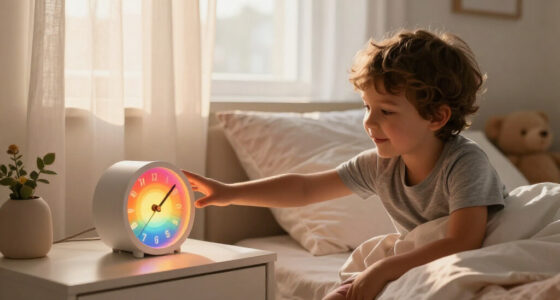
For example, a parent trying to wake a sleepy child might set an alarm that starts with a quiet lullaby, then slowly ramps up to a more noticeable tone. The idea is to ease the brain into waking rather than startling it awake.
Research suggests that this gradual approach can reduce the feeling of grogginess, called sleep inertia, which makes mornings hard for many. However, the effectiveness of escalating alarms depends on factors like sleep depth and individual sensitivity. For deep sleepers, a soft or gradual alarm might not provide enough stimulus to wake them, leading to oversleeping or feeling groggy despite the gentle wake-up. Conversely, for lighter sleepers, it can promote a more relaxed transition from sleep to wakefulness, reducing stress and disorientation. The tradeoff is that if the volume isn’t high enough, it risks failing to wake the sleeper altogether, especially if they’re in a deep sleep stage. Therefore, choosing the right pattern and volume progression requires understanding your sleep habits and personal response to sound. This insight helps you customize alarms that balance gentleness with effectiveness, minimizing morning chaos and grogginess.
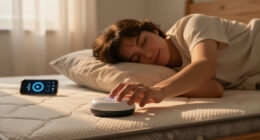
alarm clock with light and vibration
As an affiliate, we earn on qualifying purchases.
As an affiliate, we earn on qualifying purchases.
Do loud alarms really wake you faster?
Yes, loud alarms are often more effective at waking people quickly, especially deep sleepers. A sudden, piercing sound can jolt you awake, cutting through sleep inertia. Think of the loud siren of a fire alarm—it’s designed to be unmistakable and urgent.
For instance, someone with a very heavy sleep might sleep through a soft or escalating alarm, but a loud, abrupt beep is more likely to rouse them in time. That’s why many sleep experts recommend a volume that’s “just loud enough” to be heard across the room, but not painfully so.
However, the tradeoff is that loud alarms can cause stress, increase heart rate temporarily, and sometimes make waking more disorienting—especially if they’re startling or harsh. The immediate jolt can be beneficial for ensuring alertness but may lead to a feeling of panic or confusion upon waking, which can impact mood and cognitive function early in the day. Moreover, frequent exposure to loud sounds might contribute to increased stress levels over time or even hearing damage if the volume is excessively high or the alarm is placed too close to the ear. The key is balancing volume to ensure effectiveness without causing harm or unnecessary stress. In sum, while loud alarms are reliable for immediate wakefulness, they come with the potential cost of increased morning disorientation and long-term stress, making them a double-edged sword that should be used thoughtfully based on individual needs and safety considerations.
As an affiliate, we earn on qualifying purchases.
How sound character affects waking — melody vs. beeps
Sound quality and pattern matter just as much as volume. A melodic, rhythmic alarm may help you wake feeling less groggy than a repetitive, shrill beep. Think of waking to a gentle ringtone versus a blaring smoke detector.
A study found that alarms with a musical or tonal quality reduced perceived sleep inertia, making mornings feel less brutal. For example, a soft chime with a rhythmic pattern can engage your brain’s natural response to familiar sounds, easing the transition from sleep.
Harsh, monotone beeps, on the other hand, can be jarring and may trigger a stress response, which could make waking more abrupt and disorienting. For children or older adults, melodic alarms often feel more comforting and can promote a more positive start to the day. Choosing alarms with pleasant, rhythmic sounds can help your brain associate waking with a more positive experience, potentially reducing morning grogginess and stress. The implication is that not all sounds are created equal—sound design influences both the ease of waking and your emotional state upon waking. Prioritizing melodic or patterned alarms over harsh beeps can support a calmer, more effective wake-up routine, especially if you tend to hit snooze repeatedly or wake up feeling sluggish.
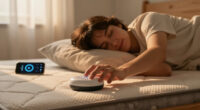
smart alarm clock with multiple cues
As an affiliate, we earn on qualifying purchases.
As an affiliate, we earn on qualifying purchases.
Why sleep stage and timing matter for waking
Waking from deep sleep (slow-wave sleep) feels like hitting a brick wall—groggy, disoriented, sluggish. An alarm’s timing relative to your sleep stage can make a big difference. Light sleep is easier to wake from; deep sleep is tougher.
For example, if your alarm hits during REM sleep, you might wake up feeling more alert. Some smart alarms try to estimate your sleep stage and go off when you’re in lighter sleep—though they’re not perfect.
Imagine setting your alarm for 7:00 a.m., but it only rings when you’re in a lighter sleep phase—your morning will likely be smoother. That said, sleep-tracking devices can be inconsistent, especially if your sleep is irregular or you move a lot during the night. The significance lies in the fact that waking during deep sleep can lead to sleep inertia—prolonged grogginess and impaired cognitive function—making it harder to start your day productively. Conversely, waking during lighter sleep stages minimizes these effects but requires accurate timing, which is challenging without precise monitoring. Smart alarms that attempt to optimize wake-up timing based on sleep stage can improve morning alertness, but their effectiveness varies depending on the accuracy of sleep detection. Understanding your sleep cycle and choosing alarms that align with lighter sleep phases can help you wake up more refreshed and less disoriented, reducing the tradeoff between disruption and sluggishness in the morning.
As an affiliate, we earn on qualifying purchases.
Why habituation makes alarms less effective over time
Ever set the same alarm tone every day, only to sleep through it eventually? That’s habituation—your brain learns to ignore familiar sounds.
For example, a person who always wakes to the same beeping tone might find that after a few weeks, they sleep past it. The brain adapts to repetitive stimuli, reducing their impact and leading to decreased wake-up reliability. The significance of habituation is that it can silently undermine your alarm system’s effectiveness without you noticing. The more familiar and predictable the alarm, the less arousing it becomes over time, which increases the risk of oversleeping or waking up groggily. To counteract this, it’s advisable to vary your alarm sounds periodically—switching tones, adjusting volume, or integrating secondary cues like light or vibration. These changes help keep your brain alert to the wake-up signals, maintaining their effectiveness. Regularly updating your alarm pattern prevents your brain from tuning out the stimulus, ensuring a more consistent and reliable morning routine. Recognizing habituation as a factor encourages proactive adjustments, which is essential for those who struggle with oversleeping or snoozing, especially in high-stakes mornings like work or exams.
Multisensory alarms: more than just sound
Relying on sound alone isn’t enough for some sleepers. Multisensory alarms combine vibrations, flashing lights, and sound to wake even the heaviest sleepers or those with hearing loss.
Imagine a bed shaker that rumbles under your mattress, paired with a bright flashing light and a gentle alarm sound. This layered approach taps into different senses, increasing the chance of waking up.
For example, a person with profound hearing loss might use a vibrating pillow or wearable device that pulses when it’s time to wake. These tools are especially useful for shift workers or those with medical conditions. The benefit of multisensory alarms is that they address the limitations of relying solely on auditory cues. For heavy sleepers or individuals with sensory impairments, combining tactile, visual, and auditory stimuli creates a robust wake-up system. However, the effectiveness depends on the proper calibration of each modality to avoid discomfort or habituation. Integrating multiple cues also provides redundancy, so if one stimulus fails or is less effective, others can compensate. This layered approach can significantly improve wake-up success rates, especially in challenging sleep environments or for people with specific needs, making mornings more reliable and less stressful.
Safety and loudness: when louder isn’t better
While high volume can wake stubborn sleepers, it also risks discomfort or even hearing damage if placed too close. Safety matters. A loud alarm near your ear can cause temporary hearing discomfort or damage, especially if it’s very intense.
Instead, consider placing alarms further away, using vibration, or combining moderate sound with light or tactile cues. For example, a smart alarm that gradually increases in volume while flashing a light on the ceiling offers a gentler yet effective wake-up.
If you have hearing loss or sleep with a partner, explore certified alerting devices that use flashing lights or bed shakers instead of relying solely on volume. The key is balancing effectiveness with safety, ensuring that alarms wake you without risking harm or causing unnecessary stress. Overly loud alarms can also lead to a startle response that leaves you disoriented or anxious, which might negatively impact your mood or cognitive performance throughout the day. Therefore, safety-conscious alarm design involves multimodal cues that deliver enough stimulus to wake you reliably, without the risks associated with excessive volume. Choosing the right balance can help you wake effectively while protecting your hearing and mental well-being.
Should heavy sleepers rely on special alarms?
Heavy sleepers often need more than just volume. A layered approach works best: a loud, distinctive sound combined with vibration, light, or placement across the room. For instance, a loud alarm on the nightstand paired with a bed shaker and a sunrise lamp can drastically improve wake-up success.
Some heavy sleepers set multiple alarms in different patterns or use connected alarms that require movement or completing a simple task to turn off. This reduces the chance of sleeping through the wake-up call.
Remember, customization is key. Experiment with different cues until you find what reliably rouses you or your loved ones. The importance of a multi-sensory approach for heavy sleepers lies in addressing the multiple layers of deep sleep and sensory thresholds. Relying solely on loudness may not be sufficient if the sleeper’s arousal threshold is high; combining sounds with vibrations, lights, and strategic placement increases the likelihood of awakening. Using alarms that require physical activity or task completion adds an extra layer of assurance, as active engagement can break through deep sleep inertia. Tailoring these strategies to individual preferences and needs ensures a more dependable wake-up routine, reducing the risk of oversleeping and morning frustration.
Frequently Asked Questions
Are escalating alarms healthier?
They tend to be less stressful and may promote a calmer waking experience. However, there’s limited evidence linking them to long-term health benefits. They simply make waking less abrupt for many people.
Will a gradual alarm wake a deep sleeper?
Sometimes, but not always. Deep sleepers often need a sufficiently loud, sudden sound or multiple cues like vibration or light. Combining escalating volume with other stimuli improves chances.
Are melodic alarms better than beeps?
Many find melodic alarms less disorienting and more pleasant, which can reduce morning grogginess. But preference varies—try different sounds to see what works for you.
Do sunrise alarms really work?
They can help some wake more gently, especially in dark mornings, but light alone may not be enough for everyone. A backup sound is recommended for reliability.
What should deaf or hard-of-hearing sleepers use?
Certified devices like bed shakers, flashing lights, and vibration wearables are best. Combining multiple cues increases wake-up reliability without risking discomfort or damage.
Conclusion
Choosing the right alarm isn’t just about volume. Personalization, a mix of sound, light, and touch, and awareness of your sleep patterns make for more reliable mornings. Remember: the best wake-up system respects your sleep and adapts over time.
Next time you set your alarm, think beyond loudness. A layered, thoughtfully designed wake-up call can turn mornings from a battle into a gentle, energizing start.
College move-in / dorm season Picks
dorm essentials
As an affiliate, we earn on qualifying purchases.