
TL;DR

Get wellness gear delivered free with Prime
- Fast, free delivery on millions of items
- Prime Video, Amazon Music and more included
- Member-only deals all year
Placing a bed shaker under the pillow offers direct, intense vibrations ideal for some, while under the mattress provides a broader, more comfortable alert. Recent tech advances let you customize and connect your device for better safety and ease.
Ever wake up groggy, missing your alarm completely? If you’re hard of hearing or sleep through loud sounds, a bed shaker might be your best friend. But where you place it — under the pillow or under the mattress — can change everything.
Getting this right isn’t just about convenience. It can be the difference between waking up on time or missing an important appointment. This guide breaks down the pros and cons of each placement, so you can pick what works best for your sleep style and needs.
Placing your bed shaker under the pillow provides a more direct and intense alert, ideal for heavy sleepers or those who need a quick jolt.
Under the mattress spreads vibrations more broadly, offering a softer, more comfortable wake-up, especially for light sleepers or shared beds.
Adjustability and recent tech advances make it easier to customize your placement and vibration strength for maximum effectiveness.
Regular testing and maintenance ensure your device wakes you reliably, no matter where you place it.
Consider your sleeping style, comfort, and safety when choosing the best placement for your bed shaker.
Bed Shaker Placement: Under the Pillow or Under the Mattress?
A direct jolt and a broad, gentle shake solve different wake-up problems. Match placement to your sleep sensitivity, comfort, bed setup, and need for a reliable tactile alert.
More effective with proper placement
Localized near head and neck
Distributed across a wider surface
And after batteries or placement change
Two placements, two wake-up experiences
Vibration loses and spreads energy as it moves through bedding. Close contact feels sharper; more material between the shaker and your body creates a softer, wider alert.
Close, quick and difficult to ignore
Best suited to heavy sleepers or anyone who needs an immediate tactile cue near the head and neck. Start low: close contact can feel jarring at higher settings.
Softer, broader and less intrusive
Best suited to light sleepers, shared beds, or people who dislike a sharp jolt. The mattress distributes the vibration, though thicker materials may reduce the signal.
Choose by sensation, not habit
Neither position wins for everyone. The right choice is the least intrusive setup that still wakes you consistently.
| Feature | Under pillow | Under mattress |
|---|---|---|
| Vibration focus | ✓Localized near head and neck | ✓Distributed across mattress surface |
| Perceived intensity | ✓Higher and more direct | ~Lower and more filtered |
| Comfort profile | ~Can feel jarring for some users | ✓Gentler and more subtle |
| Wake-up speed | ✓Usually quicker | ~May take a few seconds longer |
| Typical best use | Heavy sleepers needing a strong cue | Light sleepers and shared beds |
| Setup watch-out | Keep intensity comfortable and device stable | Thick mattresses may dampen vibration |
| Safety | ✓Safe when used as directed | ✓Safe when designed for this placement |
Performance scores are illustrative signal profiles, not clinical measurements. Always follow the device manufacturer’s placement instructions.
Perfect placement is found by testing
A dependable tactile alarm is a small system: position, intensity, stability, and routine checks all have to work together.
Place
Start under the pillow or mattress according to your sleep style and the maker’s guidance.
Set low
Begin with the lowest intensity. Increase only until the alert is noticeable and comfortable.
Run a real test
Test while lying in your normal sleep position, not merely while standing beside the bed.
Verify monthly
Retest after moving the unit, changing batteries, or altering bedding and sleep routines.
Proper positioning may increase wake-up effectiveness by up to 30%. Treat placement as an adjustable setting—not a one-time assumption.
Technology makes placement more flexible
Newer designs reduce the tradeoff between power and comfort by letting users tune, connect, and coordinate tactile alerts.
Adjustable vibration
Fine-tune signal strength for sensitivity, mattress thickness, and changing sleep needs.
Wireless and Bluetooth
Change settings remotely and place the shaker with fewer cable-routing constraints.
Smart-home integration
Coordinate alerts with alarms, smoke detectors, carbon monoxide sensors, or other safety devices.
Reliability lives in the routine
A powerful shaker cannot help if the battery is depleted, the connection has dropped, or the device has shifted out of position.
Where do you sit on the wake-up spectrum?
Move toward the pillow for speed and intensity. Move toward the mattress for comfort and broader vibration. Then test the result under real sleep conditions.
Under pillow: sharper sensation, faster response, lower starting intensity.
Under mattress: wider sensation, softer response, check for material damping.
Use the gentlest placement and vibration level that wakes you reliably without discomfort or unnecessary disturbance to a partner.
Fast answers before bedtime
Individual sensitivity varies. If hearing loss or safety needs are involved, an audiologist or assistive technology specialist can help personalize the setup.
Is under-pillow placement safe?
Yes, when the model is designed for it and used according to instructions. Reduce strength if it causes discomfort or disrupts sleep quality.
Which placement wakes me faster?
Under the pillow is typically quicker because the signal is direct, but testing both positions is the only reliable personal comparison.
Can I change the placement later?
Yes. Modern shakers are often easy to move. Retest after repositioning so the new setup remains dependable.
Are wireless models better?
They can offer easier placement and remote control, but battery condition and connection reliability must be checked routinely.
How often should I test it?
At least monthly, plus after changing batteries, moving the device, replacing bedding, or changing its settings.
What should I consider when buying?
Compare vibration strength, adjustability, placement options, connectivity, compatibility, safety guidance, and verified user feedback.
Why Placement Matters for Wake-Up Success
The position of your bed shaker directly impacts how well it wakes you up. When placed correctly, it taps into your body’s natural response to vibrations, making sure you get out of bed on time.
If it’s too subtle or poorly positioned, you might sleep right through it. Think of it like tuning a radio — the right spot makes all the difference in clarity and strength.
For example, someone who sleeps with their head turned away from the bed might find the under-the-pillow method more effective, because vibrations are focused near the ears and neck. Conversely, a light sleeper might prefer under the mattress for a gentler, more dispersed alert.
bed shaker alarm with adjustable vibrations
As an affiliate, we earn on qualifying purchases.
As an affiliate, we earn on qualifying purchases.
Under the Pillow: When Close Contact Means More Wake-Up Power
Placing the shaker under your pillow gives you a direct, localized burst of vibration. It’s like a gentle tap on your head or neck—sharp and immediate.
Imagine a scenario: You’re a heavy sleeper, and your alarm needs to jolt you awake. Sliding the shaker under your pillow ensures it’s right next to your ear, making it hard to ignore. The vibrations feel more intense because they’re focused on your head, which is close to your brain’s wake-up center.
However, some find this method too jarring, especially if the vibration is too strong or if it causes discomfort or even awakens others in the room. The key is adjusting vibration strength to suit your sensitivity.
bed shaker under pillow for waking up
As an affiliate, we earn on qualifying purchases.
As an affiliate, we earn on qualifying purchases.
Under the Mattress: A Softer, Broader Wake-Up Call
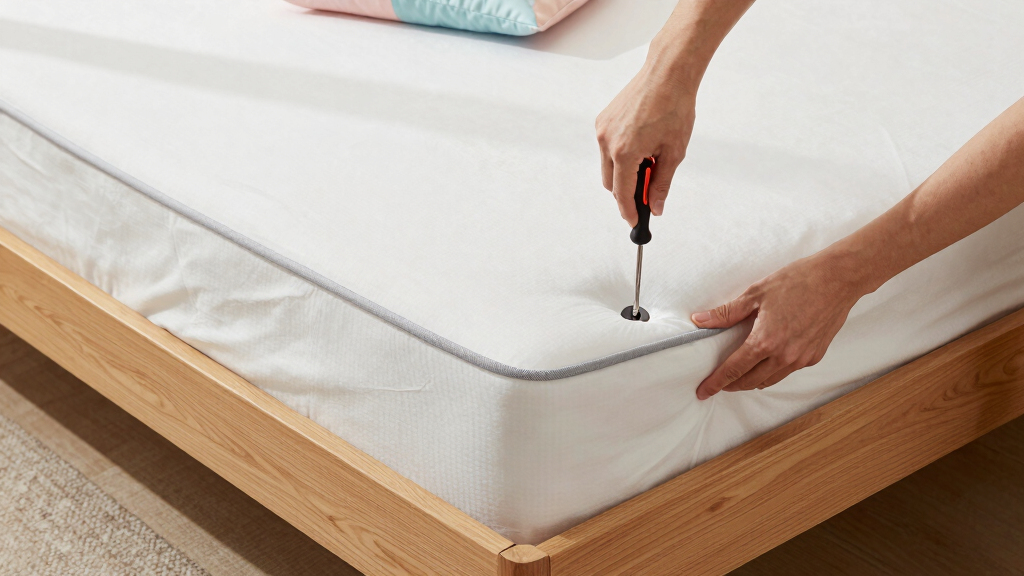
Positioning the shaker beneath the mattress spreads vibrations across a larger surface area. It’s less direct, but can be more comfortable for light sleepers or those who dislike feeling a jolt.
Picture this: You’ve had a long night, and a gentle shake under the mattress rouses you without feeling like a sudden slap. The vibrations travel through the mattress material, creating a subtle yet effective alert.
This placement is also better if you share your bed, preventing your partner from waking up due to intense vibrations. The tradeoff? It might take a few seconds longer for the vibrations to reach your body’s wake-up zones.
bed shaker under mattress for gentle wake-up
As an affiliate, we earn on qualifying purchases.
As an affiliate, we earn on qualifying purchases.
Side-by-Side Comparison: Under Pillow vs. Under Mattress
| Feature | Under Pillow | Under Mattress |
|---|---|---|
| Vibration Focus | Localized, near head and neck | Distributed across mattress surface |
| Intensity | Higher, more direct | Lower, softer |
| Comfort | Can be jarring for some | Gentler, more subtle |
| Best for | Heavy sleepers, those needing a quick jolt | Light sleepers, shared beds |
| Safety | Safe if used properly, avoid discomfort | Generally safer, less intrusive |
As an affiliate, we earn on qualifying purchases.
Tips for Perfect Placement and Use
- Test both placements with the vibration intensity at the lowest setting first.
- Adjust vibration strength to match your sensitivity — too strong can be uncomfortable, too weak might not wake you.
- Ensure the device is stable; avoid placing it where it might fall or shift during sleep.
- Use regular tests to confirm it wakes you reliably, especially if your sleep pattern changes.
- If sharing your bed, consider the impact on your partner and choose the placement accordingly.
Recent Tech Improvements Make Placement Easier
Modern bed shakers now boast adjustable vibrations, wireless connectivity, and integration with smart home systems. These upgrades mean you can fine-tune your alert, control it remotely, or even sync it with other safety devices.
For instance, some models connect via Bluetooth to your smartphone, letting you adjust the vibration or turn it on from bed. Others can link with smoke detectors or emergency alerts, creating an integrated safety network.
This tech makes placement decisions more flexible, as you can control vibration strength and even switch between placements without unplugging or repositioning the device.
Safety and Maintenance: Keep Your Bed Shaker Working Perfectly
Always follow the manufacturer’s instructions for placement and use. Regularly test your device to ensure it wakes you reliably, especially after changing batteries or moving it.
Clean your shaker with a soft, damp cloth to remove dust or debris that could dampen vibrations. Check the cord or wireless connection periodically to avoid surprises when it’s needed most.
Remember: a well-maintained device is more likely to wake you without fail, making your mornings smoother and less stressful.
Frequently Asked Questions
Is placing the bed shaker under the pillow safe?
Yes, when used according to the manufacturer’s instructions. Just ensure the vibration isn’t too strong to cause discomfort or disrupt your sleep quality.Which placement wakes me up faster—pillow or mattress?
Typically, under the pillow provides a more direct and quicker wake-up, especially for heavy sleepers. However, individual preferences and sensitivities vary, so testing both options helps determine what works best.Can I change the placement after initial setup?
Absolutely. Many modern devices are designed to be easily moved. Just test the effectiveness after repositioning to ensure reliability.Are wireless or Bluetooth-connected shakers better?
They offer greater flexibility and control, allowing you to adjust vibrations remotely and change placements easily. This can make fine-tuning your wake-up system more convenient.How often should I test my bed shaker?
At least once a month, especially after changing batteries or moving it. Regular testing guarantees it will wake you reliably when needed.Conclusion
Picking the right spot for your bed shaker isn’t just about convenience — it’s about waking up on time without disturbing your sleep or your partner’s. Whether you choose under the pillow for a sharp nudge or under the mattress for a gentle shake, customizing your setup makes all the difference.
Remember, a well-placed, well-maintained device can turn sleepless mornings into a thing of the past. So experiment with different spots, test often, and wake up ready to face the day — vibration by vibration.
Halloween Picks
halloween
As an affiliate, we earn on qualifying purchases.