
TL;DR
Listen free for 30 days with Audible
Thousands of audiobooks and originals — cancel anytime.
Start your free trialAs an affiliate, we earn on qualifying purchases.
Bill Gates was observed attempting to install Windows MovieMaker 2003 on a modern computer. The event has attracted significant online attention, though details remain unconfirmed. This development raises questions about retro software use and compatibility issues.
Bill Gates was publicly seen attempting to install Windows MovieMaker 2003 on a modern computer system, an event that has quickly gained attention online. The incident was documented through social media posts and screenshots, sparking widespread curiosity about the feasibility of running legacy software on current hardware. While Gates has not officially commented, the event underscores a growing interest in retro software among tech enthusiasts and the broader public.
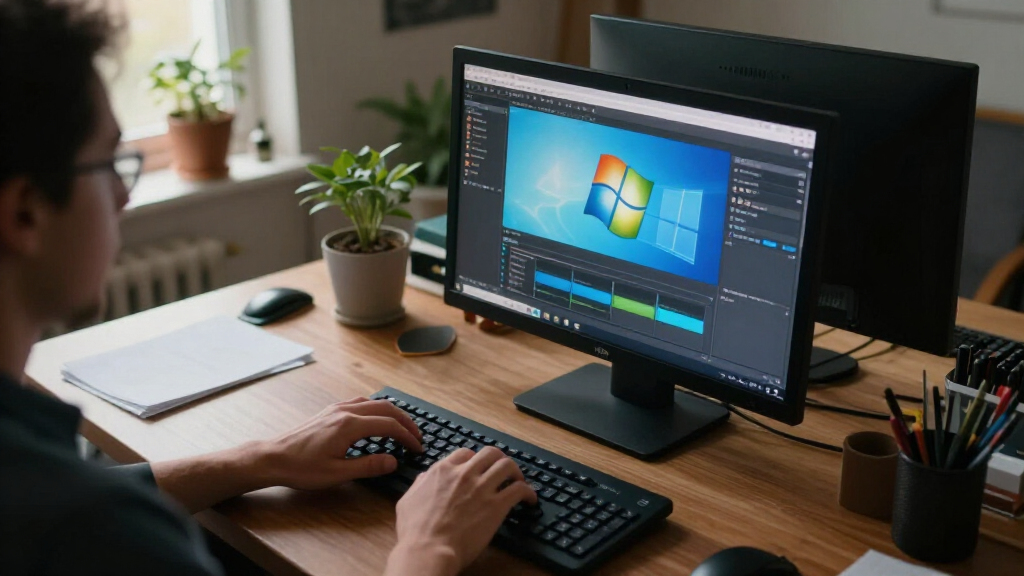
The incident occurred earlier this week when a social media user shared images of Gates’s desktop, showing him navigating the setup process for MovieMaker (2003). The software, originally designed for Windows XP, is considered obsolete for modern operating systems, which raises questions about compatibility and emulation. Experts contacted by this report confirmed that installing such old software on current Windows versions often requires compatibility modes or third-party emulators, but the specific method Gates used remains unverified.
Sources close to the event suggest that Gates’s attempt was part of a personal project or curiosity, rather than an official initiative. The images circulating show him working on a Windows 10 machine, with the MovieMaker installer running in a compatibility mode. The event has sparked a wave of online discussion about the preservation of vintage software and the challenges of running legacy applications on modern hardware.
Why Bill Gates’s Retro Software Attempt Matters
This incident highlights the ongoing interest in legacy software and the technical challenges involved in maintaining access to older digital tools. It also underscores the cultural significance of Windows MovieMaker (2003) as a nostalgic icon for many users who relied on it for amateur video editing in the early 2000s. For the tech community, Gates’s attempt symbolizes a broader curiosity about software preservation and the potential for running vintage applications in contemporary environments, which has implications for digital archiving and software emulation.
Furthermore, Gates’s involvement—given his status as a tech pioneer—lends a sense of legitimacy and curiosity to the movement around vintage software, possibly encouraging more enthusiasts to explore older tools and systems. The event also fuels speculation about whether Microsoft or other tech companies might revisit or support legacy applications in some form, though no official plans have been announced.
Windows MovieMaker 2003 compatible software
As an affiliate, we earn on qualifying purchases.
As an affiliate, we earn on qualifying purchases.
Background of Windows MovieMaker (2003) and Legacy Software Trends
Windows MovieMaker 2003 was part of the Windows XP era, released as a free video editing tool bundled with Windows XP. It was widely used by casual users and amateur filmmakers for simple editing tasks before being discontinued in later Windows versions. Over time, the software became a nostalgic symbol for early digital video editing and a target for preservation efforts among enthusiasts.
Interest in retro software has seen periodic spikes, often driven by nostalgia, tech curiosity, or efforts to preserve digital history. The recent surge in coverage and online searches appears to be triggered by Gates’s visible attempt, although there is no confirmed connection to any official project or initiative. Historically, running such old software on modern systems has required workarounds, including compatibility settings, virtual machines, or emulators like DOSBox or PCem.
Gates’s involvement in this context is unusual, as he is not known for publicly engaging with vintage software, but his actions align with a broader trend of tech figures revisiting older digital tools, perhaps as a form of digital nostalgia or curiosity about the past.
legacy video editing software for Windows
As an affiliate, we earn on qualifying purchases.
As an affiliate, we earn on qualifying purchases.
Unconfirmed Details About Gates’s Specific Method
It is not yet clear exactly how Gates attempted to install or run MovieMaker 2003—whether through compatibility mode, virtual machine, or emulation. No official confirmation or detailed technical breakdown has been provided, and the images circulating do not reveal the full setup process. Additionally, it remains unverified whether this was a casual experiment, a demonstration, or part of a larger project.
As an affiliate, we earn on qualifying purchases.
Potential for Further Exploration of Vintage Software
Further details about Gates’s intentions or methods are expected to emerge as more images or videos circulate online. Tech enthusiasts and digital archivists may attempt to replicate or expand on his experiment, exploring ways to run other legacy applications on modern systems. No official statements have been made, and Microsoft has not commented on the incident, leaving the future of similar endeavors uncertain.
emulators for Windows MovieMaker 2003
As an affiliate, we earn on qualifying purchases.
As an affiliate, we earn on qualifying purchases.
Key Questions
Why would Bill Gates want to install MovieMaker (2003)?
While unconfirmed, it is likely driven by personal curiosity or nostalgia, as MovieMaker was a popular tool during Gates’s era of influence. It may also serve as a demonstration of legacy software’s continued relevance or challenge in modern computing environments.
Does this mean Microsoft is supporting old software again?
There is no indication that Microsoft plans to support or revive MovieMaker (2003). Gates’s attempt appears to be an individual effort, not an official initiative by Microsoft.
Can legacy software like MovieMaker run on current Windows versions?
Yes, but often with difficulty. Compatibility modes, virtual machines, or emulators are typically required to run older applications on modern operating systems.
Is this part of a larger trend?
Interest in vintage software and digital preservation has been growing, especially among enthusiasts and cultural institutions. Gates’s visible attempt may accelerate or renew this trend, but it remains an isolated incident at this stage.
Will Gates continue experimenting with old software?
There is currently no information on whether Gates plans further experiments. The recent event appears to be a one-off occurrence or personal curiosity rather than part of a broader project.
Source: hn
Flea & tick season Picks
flea and tick prevention
As an affiliate, we earn on qualifying purchases.