TL;DR
A wake-up light alarm clock gradually brightens before your set wake time to create a sunrise-like cue, and some models add sound alarms or bedtime dimming. Many start their light ramp 15–30 minutes before the alarm, but brightness, room placement, and personal response vary. Treat it as a possible aid to a steady morning routine, keep a sound backup while learning how you respond, and don’t confuse a consumer alarm with a light-therapy device.
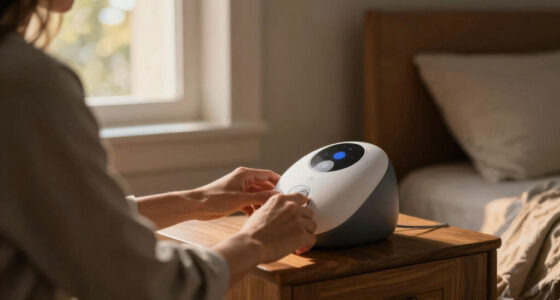
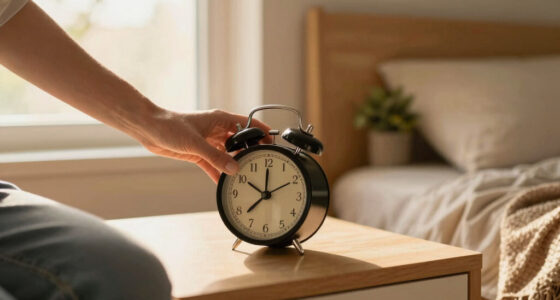
When your alarm rings in a pitch-dark room, your first morning decision can be whether to reach for the snooze button. A wake-up light alarm clock offers another cue: it gradually brightens before your set wake time, aiming to imitate sunrise instead of jolting you awake with sound alone.

Get wellness gear delivered free with Prime
- Fast, free delivery on millions of items
- Prime Video, Amazon Music and more included
- Member-only deals all year
That gentle glow can make a winter morning feel less abrupt, but a bedside light is not magic. In this guide, you’ll learn how the ramp works, which features matter, how to place the clock, and what to expect if you share a room or work shifts. You’ll also see why a wake-up light and a light-therapy lamp are different kinds of devices.
Think of the clock as one part of a morning routine. It may suit you if you like a soft visual cue, while a dependable sound alarm still matters if you sleep through light. A few practical choices can help you find out whether the glow fits your room and your habits.
Many wake-up lights brighten over 15–30 minutes, but models differ in brightness, ramp settings, sound, and controls.
Place the clock where you can see it from bed, and follow the manufacturer’s positioning instructions.
Keep an adjustable sound alarm as backup while you learn whether light alone wakes you.
Choose core features you will use; app controls and sunset routines are optional extras.
A consumer wake-up clock is not the same as a light-therapy device, and neither guarantees better sleep.
How a wake-up light makes a dark morning feel gentler
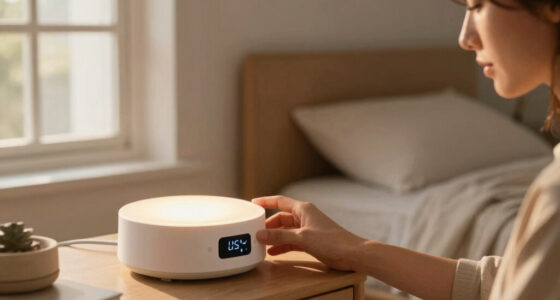
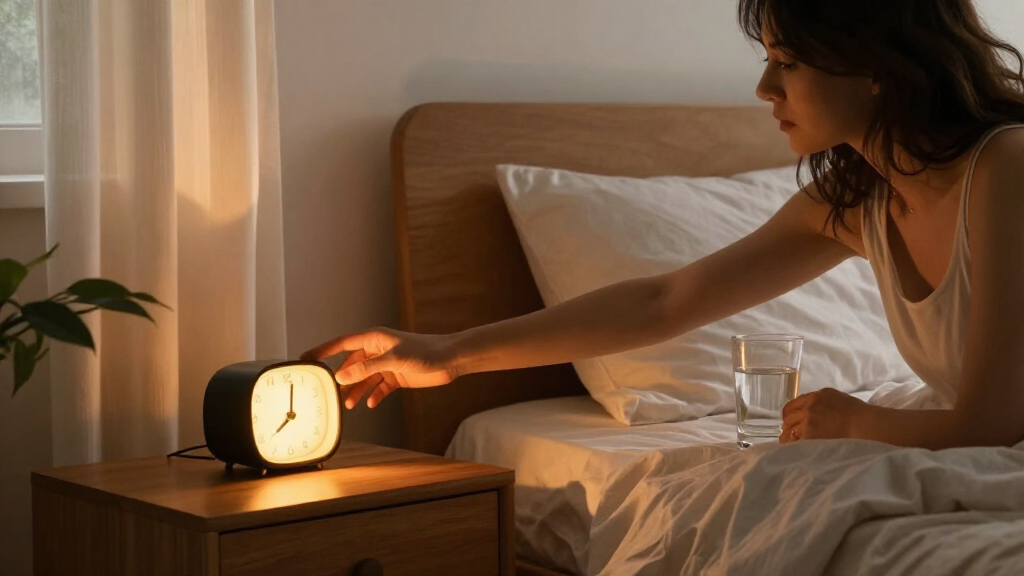
A wake-up light alarm clock is a bedside alarm that gradually increases its light before a set wake time, creating a sunrise-like cue in your room. Many models begin brightening about 15–30 minutes before the alarm sounds, though some let you choose a different ramp. The light may reach you before the sound, which gives your morning a softer start.
Picture a January weekday: your bedroom is still dark at 6:30, and the clock has been glowing brighter since 6:00. Instead of hearing a sudden beep in the dark, you may notice a warm patch of light on the wall or ceiling. That change can feel less abrupt for some people, but the experience varies with the device, room, and sleeper.
Morning light is an important cue for the body’s circadian system, which helps regulate sleep and wake timing. Research has examined whether gradual light can ease sleep inertia—the groggy feeling after waking—but a bedside clock does not promise that result. A reliable bedtime, enough sleep, and a regular wake time still do much of the work.
Some clocks also offer a sound alarm, colored light, or a sunset-style dimming feature. Those extras may suit your habits, but a complicated routine won’t necessarily make waking easier. Start with the basic question: does the clock brighten reliably at the time and from the position you need?
Products Worth Considering

Makita 18V X2 LXT Brushless Cordless 6-1/2-Inch Plunge Circular Saw Kit with Two 5.0Ah Batteries

Greenworks 48V Cordless Lawn Mower, String Trimmer, and Blower Combo Kit

Milwaukee 2457-21 M12 3/8-Inch Cordless Ratchet Kit
As an affiliate, we earn on qualifying purchases.
Which features make a wake-up light easier to live with?
The most useful wake-up light features are the ones that match how you wake: adjustable ramp time, suitable brightness, a sound alarm you can change, and controls you can use without a struggle. Many models also add app control, sleep sounds, radio, sunset routines, or smart-home connections. Added features are useful only if they make your routine easier.
Imagine setting an alarm while half asleep on Sunday night. Clear physical buttons and a visible display may feel far simpler than finding your phone, opening an app, and remembering which menu controls the sound. If you enjoy customizing routines, an app could be welcome. If you want a dependable clock on the nightstand, check whether the core alarm works without one.
Compare the basics before you pick a device:
| Feature | Why it matters | What to check |
|---|---|---|
| Light ramp | Sets how gradually the glow appears | Can you choose a shorter or longer duration? |
| Brightness | Changes how visible the light feels | Does the maximum level suit your bedroom? |
| Sound | Can back up the light cue | Is it optional, adjustable, and loud enough for you? |
| Power backup | Helps you understand what happens after an outage | Does the clock retain its alarm settings? |
| Controls | Make everyday setup more or less frustrating | Can you set the alarm easily, with or without an app? |
Before buying, check the manufacturer’s instructions and how the clock behaves after losing power. A small feature like a backup battery may matter more than extra colors if a missed alarm would disrupt your morning.
How to set up your first sunrise-style alarm
To set up a wake-up light, place it where you can see it from bed, select a gradual brightening time, and keep a sound alarm as backup while you learn how you respond. A 20–30-minute ramp is a reasonable starting point for many people, but your device’s instructions and your own comfort should guide the setup.
- Choose a wake time you can keep. If you need to be up at 7:00, set the alarm for 7:00 rather than changing it every morning.
- Start with a moderate ramp. Try 20 or 30 minutes before the alarm, then shorten or extend the period if the change feels too early or too sudden.
- Put the light in view. Keep it visible from your pillow, and follow the maker’s guidance for distance and direction.
- Set a sound backup. Use an adjustable tone or nature sound at a volume that reliably wakes you.
- Give the routine a few mornings. Notice whether you wake before the sound and whether the glow bothers you or anyone sharing the room.
For example, a shift worker sleeping in a darkened room after a night shift may use the clock to mark a chosen wake time, but that schedule differs from a daytime worker’s routine. The light is one cue; it doesn’t set a universal schedule for every sleeper.
Keep the first few mornings simple. If the clock wakes you before you want to get up, adjust the ramp or placement. If you sleep through the light, keep the sound alarm and reconsider whether this style suits you.
Where you place the clock changes what you notice
A wake-up light is easiest to notice when it is visible from your bed and not blocked by furniture or bedding. Its effect can feel weaker if the lamp points at a wall, sits behind an object, or shines away from the sleeper. Follow the manufacturer’s positioning and distance guidance, since products differ.
Think of two people in the same room: one sleeps facing the nightstand, while the other faces the opposite wall with a pillow over their head. They may notice the same clock very differently. If you share a bedroom, a bright light aimed across the whole room may also disturb your partner, even if you find it comfortable.
Try shifting the clock a little at a time. Put it where the glow can reach your side of the bed, then check whether it shines directly into your partner’s eyes. A lower brightness or a direction toward your own side of the room may help; room layout and the model’s design will shape what works.
The bedroom’s existing light matters too. Heavy curtains and a dark winter morning create a different setting from a bright room with thin curtains. A glow that’s easy to notice on one bedside table may be harder to see elsewhere, so judge the clock in your actual room, not by the phrase “sunrise alarm” on its box.
Know when a wake-up light is a routine cue, not light therapy
A consumer wake-up light is designed mainly to support an alarm routine, while a light-therapy device is intended to provide a particular light exposure under specified conditions. A clock may brighten gradually without delivering the same light, at the same distance or intensity, as a therapy lamp. The similar appearance can make the two easy to mix up.
For instance, a person who wants a gentler alarm during a dark winter may try a bedside clock and see whether it feels comfortable. Someone considering bright light for a health condition has a different question and should discuss that use with a qualified clinician. A consumer alarm isn’t a substitute for care or a guaranteed treatment.
Some people have concerns about bright light, eye conditions, or migraine sensitivity. If that applies to you, read the device guidance and seek clinical advice when appropriate. Start with settings that feel comfortable, and stop using the light if it causes discomfort.
Sunset dimming can also help signal that bedtime is approaching, especially if you already follow a steady evening routine. But the feature does not guarantee better sleep. If you turn it on while watching videos for another hour, the clock may not change the habit you want to adjust.
Set realistic expectations for winter, shift work, and shared rooms
A wake-up light can provide a consistent morning cue when the room is dark, but it does not ensure an easier wake-up or better sleep. Results vary: one person may enjoy the slow glow, while another still needs a loud alarm and a few minutes to feel alert. Your sleep duration, routine, room, and preference all matter.
In winter, the clock’s glow might make a 6:30 wake-up feel less stark than a beep in total darkness. For a shift worker sleeping during daylight hours, a schedule may need more thought: a light ramp that signals “morning” should match the worker’s chosen wake time, not the sunrise outside. If your shift pattern changes often, the extra setup may be a nuisance.
In a shared bedroom, talk through brightness and direction. A sleeper who wakes at 5:00 may prefer a dimmer setting aimed at their side, while their partner sleeps until 7:00. If the glow still disturbs the other person, a sound-only backup or a different alarm arrangement may fit the room better.
Try the clock as a small routine experiment rather than a verdict on your sleep. Keep your wake time steady for a stretch, note whether you wake to light or sound, and adjust one setting at a time. That makes it easier to tell whether the light itself suits you.
Frequently Asked Questions
Do wake-up light alarms actually work?
They can help some people wake more gradually, but experiences differ. Think of the light as a possible cue, not a promise that you’ll wake easily or feel fully rested.
How long should a wake-up light take to brighten?
Many clocks offer a 15–30-minute ramp, and some let you adjust it. You can begin around 20 or 30 minutes before your alarm, then change it to suit your routine and the device instructions.
Can a wake-up light replace a regular alarm?
Keep a sound alarm as backup while you find out whether light alone wakes you reliably. That matters especially if you have an early appointment, share alarm duties, or sleep deeply.
Are wake-up clocks useful for shift workers?
Some shift workers may like a consistent light cue in a dark room, but its timing should fit their chosen sleep and wake schedule. A changing shift pattern can make a fixed routine harder to maintain.
Is a wake-up light the same as a SAD lamp?
No. A wake-up clock is designed mainly as an alarm routine, while a light-therapy lamp is intended for a particular light exposure and use. If you are considering light therapy for a health condition, ask a qualified clinician.
Where should I place my wake-up light?
Put it where the light is visible from your bed, and follow the manufacturer’s distance and positioning advice. If you share a room, try directing the glow toward your side and choose a brightness that doesn’t disturb your partner.
Conclusion
Choose a wake-up light for the routine it can support: a gradual glow in a dark room, a clear alarm you can set, and controls that feel easy to use. Start with a 20–30-minute ramp, put the clock where you can see it, and keep a sound backup until you know how you respond.
The right morning cue should make the room feel a little less like midnight and a little more like the day ahead. If the glow helps, keep it; if it doesn’t, choose the alarm that lets you wake with confidence.