
TL;DR
Listen free for 30 days with Audible
Thousands of audiobooks and originals — cancel anytime.
Start your free trialAs an affiliate, we earn on qualifying purchases.
Proper ventilation, fans, and humidity control can drastically improve your bedroom’s air quality. Modern monitors and devices make it easier to keep the air fresh and your sleep undisturbed.
Imagine slipping into a bedroom that feels as fresh as a spring morning. No stuffy odors, no lingering dust, just a crisp, clean space that invites deep, restful sleep. That’s the power of good air quality, and it’s more within your reach than you might think.
In this guide, you’ll learn how simple tools like fans and smart ventilation can transform your sleep space. We’ll explore what really makes the air in your bedroom healthy, and how to make small tweaks that pay off big in comfort and rest.
Opening windows for 10 minutes daily can refresh bedroom air and cut pollutants by half.
A ceiling fan set correctly can lower perceived temperature by up to 4°F, boosting comfort.
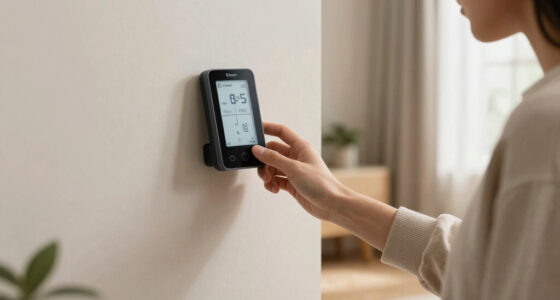
Using a humidity monitor helps keep moisture between 30-50%, preventing mold and dryness.
Smart air quality monitors and IoT devices make managing your bedroom’s air simple and automatic.
Regular cleaning of fans and filters keeps circulating allergens at bay and maintains air quality.
Fans, Ventilation, and Comfort for Better Sleep
TL;DR: Proper ventilation, clean air circulation, and humidity control can drastically improve bedroom air quality. A few simple habits, paired with modern monitors and efficient devices, can keep the room fresh without disturbing sleep.
Fresh air is the foundation of a quieter, cleaner sleep environment.
Opening a window briefly, running a fan correctly, and keeping moisture in range can reduce pollutants, limit allergens, and make the room feel calmer overnight.
Potential indoor pollutant reduction from proper ventilation.
Perceived cooling from correctly directed ceiling fan airflow.
Window ventilation can replace stale bedroom air when outdoor air is clean.
The comfort zone that helps discourage mold, mites, and dry sinuses.
A common cool-room range associated with more comfortable sleep.
Fan blade and filter checks help prevent dust from recirculating.
The bedroom air toolkit
Healthy bedroom air is not one device. It is a system: air exchange, circulation, humidity balance, filtration, and cleaning all reinforce one another.
Swap stale air for fresh air
Open windows when outdoor air quality is good, or use exhaust fans, air exchangers, or HRVs when the room is sealed or outdoor conditions are poor.
Move air without creating drafts
Fans spread conditioned air evenly, prevent stagnant corners, and help sweat evaporate so the room feels cooler without changing the actual temperature.
Keep humidity in the comfort band
A hygrometer, humidifier, or dehumidifier can help keep moisture between 30-50%, limiting mold risk while reducing dryness.
A fresh-air flow that works
Think of the room as a small ecosystem. The best results come from a repeatable chain: bring clean air in, move it gently, filter particles, balance humidity, and maintain the equipment.
Check outside
Ventilate naturally only when pollen, smoke, and pollution levels are reasonable.
Exchange air
Open windows briefly or run mechanical ventilation for controlled airflow.
Circulate softly
Use a ceiling or portable fan to reduce hot and cold spots around the bed.
Filter particles
HEPA and carbon filtration can reduce dust, dander, odors, and VOCs.
Clean monthly
Wipe blades, replace filters, and prevent devices from spreading allergens.
Natural vs. mechanical ventilation
Most bedrooms benefit from both. Natural ventilation is free and simple; mechanical systems offer steady control when outdoor air, noise, security, or weather makes open windows impractical.
| Feature | Natural Ventilation | Mechanical Ventilation | Best Fit |
|---|---|---|---|
| Ease of use | Open windows or doors, simple and free. | Requires installation, but can run automatically. | Natural for quick daily refreshes; mechanical for sealed rooms. |
| Air exchange rate | Depends on weather, wind, and window placement. | Can be controlled precisely and consistently. | Mechanical when you need predictable airflow overnight. |
| Outdoor pollution | Can bring in pollen, smoke, or traffic particles. | Can pair with filtration for cleaner intake air. | Mechanical plus filtration for urban or high-pollen areas. |
| Energy use | Minimal direct energy use. | Varies, though HRVs recover some heat or cooling. | Natural in mild weather; efficient HRV in extreme seasons. |
Comfort numbers to monitor
Smart devices are useful because they turn vague symptoms into readable patterns. Track humidity, particles, temperature, and maintenance instead of guessing why the room feels stuffy.
The ideal moisture band
Low humidity can dry skin and sinuses. High humidity supports mold and dust mites. A hygrometer makes seasonal adjustments easier.
Smart tech without sleep disruption
Modern air quality gear works best when it runs quietly in the background: monitor, trigger, adjust, and log patterns without turning the bedroom into a control room.
Read PM2.5, VOCs, humidity, and temperature
Air quality monitors reveal patterns like morning stuffiness, seasonal dryness, or particle spikes from outdoor smoke and indoor dust.
Trigger fans and purifiers only when needed
IoT sensors can start a purifier when particles rise or nudge ventilation when humidity drifts beyond the comfort band.
Use HRVs for steady fresh air
Heat recovery ventilators exchange indoor and outdoor air while reducing heating or cooling losses, useful in tightly sealed homes.
Prevent circulation from becoming recirculation
Clean fan blades and replace filters on schedule so airflow does not simply move dust, dander, and allergens around the room.
Trace the comfort chain
Bedroom comfort improves when each link supports the next. Fresh air lowers pollutants; circulation evens temperature; balanced moisture protects breathing comfort; clean filters keep allergens down.
Measure air
Ventilate
Circulate
Balance humidity
Filter particles
Sleep easier
Small bedroom
Use short window ventilation, a compact HEPA purifier, a quiet fan, and a simple humidity monitor.
Urban bedroom
Check outdoor air before opening windows, prioritize filtration, and consider mechanical ventilation for consistency.
Allergy-prone sleeper
Clean blades monthly, wash bedding often, keep humidity in range, and replace purifier filters on schedule.
How to Keep Your Bedroom Air Fresh with Simple Ventilation Tricks
Fresh air exchange is the cornerstone of good bedroom air quality. It’s about replacing stale, polluted air with clean, oxygen-rich air from outside. If outdoor air quality is good, opening a window for just 10 minutes can refresh your space. Mechanical options, like exhaust fans or air exchangers, work even when windows aren’t an option.
For example, in a sealed apartment, running a bathroom exhaust fan during the day or installing an energy recovery ventilator can cut indoor pollutants by half, according to recent studies. Think of your bedroom as a living organism — it needs fresh blood, or in this case, fresh air.

16 in 1 Air Quality Monitor Indoor 7" Wildfire CO2 Monitor, 9 AQI+7 Alerts
- 16-in-1 Air Quality Monitoring: Detects 9 key parameters in real-time
- 7-inch Large LED Display: Clear, sharp air quality readings
- Multiple AQI Alerts: 7 alert buzzers for safety
As an affiliate, we earn on qualifying purchases.
As an affiliate, we earn on qualifying purchases.
Why Fans Are Your Best Sleep Sidekick for Air Circulation and Comfort
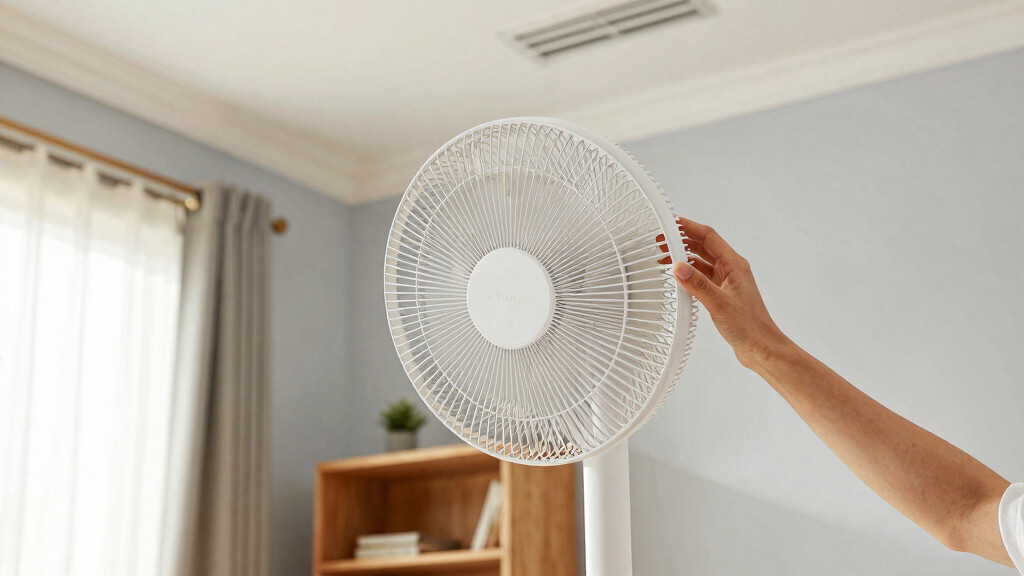
Fans don’t cool the air directly—they stir it, creating a breeze that makes you feel cooler through evaporation. A ceiling fan set to rotate counter-clockwise at around 4-5 meters per second can lower perceived temperature by up to 4°F, making your room feel instantly more comfortable.
Imagine lying in bed on a hot summer night, a gentle ceiling fan whirring softly overhead. The moving air helps sweat evaporate faster, cooling you down naturally. Regularly cleaning your fan blades is key — dust buildup can circulate allergens, so a quick wipe once a month keeps the air cleaner.
In a small bedroom, a well-placed fan can also help distribute heated or cooled air evenly, preventing hot or cold spots that disturb sleep. This even distribution reduces the likelihood of drafts or temperature swings that can wake you up, creating a more stable environment for restful sleep.

GoveeLife Smart Mini Air Purifier for Bedroom, with App & Alexa Control
- App & Voice Control: Control via App, Alexa, IFTTT
- Effective 360° Purification: Cleans 376 sqft room hourly
- Customizable Modes: Set 3 timer-based fan speeds
As an affiliate, we earn on qualifying purchases.
As an affiliate, we earn on qualifying purchases.
Compare Ventilation Options: Natural vs. Mechanical
| Feature | Natural Ventilation | Mechanical Ventilation |
|---|---|---|
| Ease of use | Open windows or doors, simple and free | Requires installation, but can run automatically |
| Air exchange rate | Depends on outdoor conditions and window usage | Can be controlled precisely, often multiple times per hour |
| Effectiveness | Great when outdoor air quality is good | Provides consistent airflow, even when outdoor conditions are poor |
| Energy use | Minimal | Varies based on system, but newer models are energy-efficient |
Choosing between natural and mechanical ventilation depends on your space and outdoor air quality. Combining both often yields the best results, especially in urban areas with higher pollution levels. Natural ventilation allows for fresh air influx without energy costs but is limited by weather and outdoor pollution, which can sometimes introduce allergens or pollutants. Mechanical systems, while requiring upfront investment, provide controlled and consistent air exchange, ensuring your bedroom stays fresh regardless of outdoor conditions. Balancing these methods enables you to optimize air quality while managing energy consumption and allergen exposure. Both options have tradeoffs: natural ventilation is cost-effective but less controllable, while mechanical systems offer precision but at a higher initial cost. Understanding these tradeoffs helps you choose the best approach for your specific needs and environment.

Ohniyou 52'' Low Profile Ceiling Fan with Lights, Remote/APP Control, Black
- Smart Control: App and remote control functions
- Quiet Reversible Motor: Ultra-quiet DC motor with reversible airflow
- Powerful Airflow: 6-speed settings, 4,580 CFM airflow
As an affiliate, we earn on qualifying purchases.
As an affiliate, we earn on qualifying purchases.
How to Control Humidity and Keep Your Room Comfortable
Indoor humidity should stay between 30-50% for comfort and health. Too high, and mold or dust mites thrive, which can exacerbate allergies and respiratory issues. Too low, and your skin or sinuses dry out, leading to discomfort and increased susceptibility to colds. Using a hygrometer helps you keep tabs on moisture levels, enabling you to make informed adjustments.
For instance, in winter, a humidifier set to around 40% can add just enough moisture to prevent dry skin and irritated sinuses without encouraging mold growth. Conversely, in summer, a dehumidifier can remove excess moisture, reducing the likelihood of mold and dust mites, and making the room feel cooler and more comfortable. Maintaining balanced humidity supports your immune system and overall comfort, especially during seasonal changes. It’s important to recognize that fluctuations outside this range can have health implications: high humidity can promote mold growth which worsens asthma and allergies, while low humidity can dry out mucous membranes, increasing infection risk. Achieving and maintaining this balance requires monitoring and adjusting devices accordingly, considering seasonal and environmental factors for optimal sleep quality and health.

TempPro TP50 Digital Hygrometer Indoor Thermometer Room Thermometer
- Wellness Indicator: Displays air condition levels
- High Accuracy & Fast Refresh: ±2-3%RH and ±1°F, updates every 10 seconds
- Record Tracking: Displays high and low temperature and humidity
As an affiliate, we earn on qualifying purchases.
As an affiliate, we earn on qualifying purchases.
Latest Tech That Makes Bedroom Air Quality Easier to Manage
Smart monitors and IoT devices now give real-time updates on air quality, humidity, and temperature. Many models connect to apps, so you can adjust your fans or purifiers remotely. For example, an air quality sensor can detect PM2.5 particles — the tiny pollutants linked to health issues — and activate your purifier automatically.
Energy-efficient fans and heat recovery ventilators (HRVs) are also gaining ground, offering continuous fresh air without wasting energy. These advances turn managing your bedroom’s air into a simple, almost effortless task.
Imagine sleeping in a room where the air is constantly monitored and optimized — all while you relax, undisturbed. That’s the future of bedroom comfort.
What You Need to Know Before Making Changes
Before installing a new fan or air purifier, check your room’s size and existing setup. Larger rooms may need more powerful devices. Also, consider your local air quality — in a city with high pollution, filtration becomes critical.
Be cautious about over-circulating air, which can stir up allergens if your filters aren’t clean. Regular maintenance is key to keeping your system effective and your air safe.
For example, a small bedroom might get by with a tabletop HEPA purifier, but a larger space could benefit from a whole-room system. Think about your needs, and match equipment to space and environment. It’s also worth considering the tradeoff between energy use and air quality improvements—more powerful systems may consume more energy but provide better filtration and airflow, which can be worth the investment for health and sleep quality.
Frequently Asked Questions
How can I improve air quality in a small bedroom?
Use a combination of natural ventilation, like opening windows, along with an air purifier and regular cleaning. Keep dust and allergens low, and monitor humidity for optimal comfort.Are ceiling fans safe and effective for air circulation?
Yes, when properly installed and cleaned regularly, ceiling fans circulate air effectively, helping you feel cooler and more comfortable without cooling the air itself.Can fans spread germs or allergens?
Fans can circulate dust and allergens if not cleaned often. Regularly wiping blades and changing filters minimizes this risk, keeping the air cleaner.What’s the best way to balance ventilation and energy efficiency?
Use energy-efficient fans and consider mechanical systems like heat recovery ventilators, which bring in fresh air without wasting energy.How do I know if my bedroom’s air quality is poor?
Symptoms include allergies, congestion, or trouble sleeping. Using an air quality monitor provides objective data on pollutants, humidity, and more.Conclusion
Your bedroom’s air isn’t just about fresh air — it’s about creating a space that invites restful sleep and genuine comfort. With simple tools like fans, proper ventilation, and humidity control, you can turn your sleep space into a sanctuary of clean, balanced air.
Remember, small, consistent habits and smart gadgets make a big difference. Breathe easy tonight — and every night — knowing you’re in control of your sleep environment.
Back to school Picks
back to school
As an affiliate, we earn on qualifying purchases.