TL;DR

Get wellness gear delivered free with Prime
- Fast, free delivery on millions of items
- Prime Video, Amazon Music and more included
- Member-only deals all year
Soft furnishings like heavy curtains, rugs, and upholstered furniture can significantly cut down bedroom noise. Layering and choosing dense, porous materials boosts sound absorption, creating a calmer sleep space.
Imagine drifting into sleep, only to be disturbed by the muffled hum of traffic or the chatter from next door. You don’t need a full renovation—simple changes with soft furnishings can turn your bedroom into a quiet retreat.
In this guide, you’ll learn how certain textiles, furniture, and strategic placement help soak up unwanted sound. Plus, recent innovations make soundproofing more stylish, sustainable, and effective than ever before.
Layer multiple soft furnishings—like curtains, rugs, and cushions—to maximize sound absorption.
Choose dense, porous fabrics such as wool, velvet, or thick cotton for better noise dampening.
Strategic placement of soft furnishings can reduce noise levels by up to 10 decibels, noticeably quieting your space.
Innovations in acoustic textiles and sustainable materials are making soundproofing more stylish and eco-friendly.
While soft furnishings won’t fully soundproof a room, they create a much more peaceful environment for restful sleep.
Reducing Bedroom Noise: Soft Furnishings That Absorb Sound
TL;DR: Heavy curtains, rugs, upholstered furniture, cushions, throws, and fabric wall treatments can noticeably soften bedroom noise. The strongest results come from layering dense, porous textiles so sound waves are absorbed before they bounce, echo, or travel through the room.
Up to 10 dB
Strategic layers can reduce perceived noise enough to make traffic, voices, and room echo feel substantially less intrusive.
Dense + Porous
Wool, velvet, thick cotton, recycled acoustic textiles, and fabric-covered panels trap sound inside fiber structures.
Quieter, Not Sealed
Soft furnishings improve absorption and comfort, but full soundproofing still needs construction-grade isolation.
The soft furnishings that do the most acoustic work
Soft surfaces reduce reflections, tame echo, and add mass around common noise paths. The sweet spot is a balanced mix: window coverage, floor coverage, upholstered mass, and targeted wall absorption.
Heavy curtains
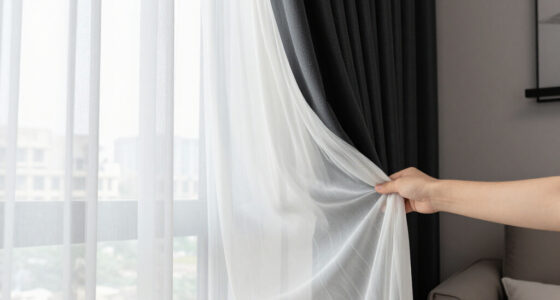
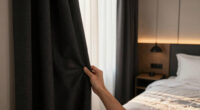
Dense blackout or velvet curtains help block outdoor noise while absorbing indoor reflections around glass.
Rugs & carpets
Large wool rugs soften hard-floor echo, reduce footfall noise, and add a broad sound-absorbing surface.
Upholstered pieces
Padded headboards, armchairs, and fabric benches absorb voices, movement sounds, and mid-room reflections.
Panels & hangings
Fabric-covered acoustic panels and tapestries are ideal when one wall reflects or leaks sound more than others.
Cushions & throws
Extra textile layers add smaller pockets of absorption and make the bed area feel quieter and softer.
Acoustic textiles
New engineered fabrics blend decor-friendly finishes with sound-absorbing structures and sustainable fibers.
Build quiet from the loudest surfaces inward
One textile helps, but several coordinated layers absorb sound from multiple angles. Use the sequence below as a practical bedroom upgrade path.
Cover glass
Install heavy curtains from ceiling height, wider than the window frame.
Soften floors
Add a plush rug or carpet pad across the largest hard surface.
Add padding
Use an upholstered headboard, chair, bench, or fabric room divider.
Treat walls
Place tapestries or acoustic panels where echo is strongest.
Tune layers
Adjust seasonally for airflow, daylight, and changing noise sources.
Which bedroom additions absorb sound best?
Effectiveness depends on density, thickness, coverage area, and placement. The best setup combines high-performing materials without making the room feel cramped or dark.
| Furnishing | Absorption | Best For | Style Impact | Tradeoff |
|---|---|---|---|---|
| Heavy velvet or blackout curtains | ✓ High | Window noise, outdoor hum, light control | Strong visual softness | Can reduce daylight |
| Wool rugs and thick carpet pads | ✓ High | Hard-floor echo and footfall noise | Warm, grounded look | Needs cleaning care |
| Upholstered headboards and chairs | ~ Moderate to high | Movement sounds and voice reflections | Comfort-forward | Uses floor or wall space |
| Fabric wall panels or tapestries | ✓ Very high | Targeted echo and shared-wall noise | Decor-integrated | Placement matters most |
| Light linen sheets or sheer curtains | ✗ Low | Visual softness only | Airy and bright | Minimal acoustic benefit |
What “noticeably quieter” looks like
A few decibels can matter at bedtime. A layered soft-furnishing plan can move a noisy bedroom from disruptive to calmer, especially in urban apartments or shared homes.
Relative absorption potential
Noise reduction scale
Layered bedroom targetA 10 dB reduction can feel like a major shift in loudness. Soft furnishings are strongest at reducing echo and perceived harshness, while structural gaps and impact noise may need additional soundproofing.
Choose textiles that absorb without closing the room in
The goal is not to bury the bedroom in fabric. It is to place the right materials where sound bounces most, while preserving daylight, ventilation, and comfort.
Dense fabrics work harder
Wool, velvet, thick cotton, and acoustic-specific textiles trap sound waves more effectively than sheer or lightweight fabrics.
Porous texture matters
Open fiber structures help convert sound energy into tiny amounts of heat, reducing echo and room brightness.
Sustainable options are improving
Recycled textiles, natural fibers, and modular acoustic panels make quieter bedrooms more eco-conscious and flexible.
Balance keeps it livable
Too many heavy layers can reduce airflow or make a small room feel enclosed, so tune the setup to the space.
From noisy room to restful sleep space
Soft furnishings work best as a connected system: each layer catches a different reflection, leak path, or hard surface.
Noise source
Traffic, voices, footsteps, or room echo enters the bedroom.
Soft barrier
Curtains, rugs, and upholstery meet the sound wave.
Fiber absorption
Dense porous materials trap and weaken the energy.
Lower echo
Fewer reflections bounce between walls, floor, and glass.
Better rest
The room feels calmer, softer, and easier to sleep in.
What soft furnishings actually absorb sound and why it matters
Soft furnishings are the unsung heroes of bedroom quiet. They soak up sound waves, prevent echoes, and block noise from sneaking in or out. Think of thick curtains or plush rugs as noise sponges—each layer adds to your peace.
For example, a bedroom with just a thin sheet might still echo and amplify noises. Add a heavy curtain, a wool rug, and a plush headboard—suddenly, sounds are muffled, and sleep becomes more peaceful.
According to an anonymous researcher, layered soft furnishings can dampen noise by several decibels, making a tangible difference in how quiet your space feels.
Understanding why this matters is crucial: reducing echo and external noise not only makes the room more peaceful but also enhances sound clarity. When fewer sound waves bounce around, speech sounds become clearer, and ambient noise is less intrusive. However, there are tradeoffs—thicker, dense materials may block sound but could also make a space feel smaller or darker if not balanced carefully. The key is finding the right combination that maximizes absorption without compromising comfort or style.
heavy blackout curtains for noise reduction
As an affiliate, we earn on qualifying purchases.
As an affiliate, we earn on qualifying purchases.
The best soft furnishings to cut noise in your bedroom
Some furnishings are better at absorbing sound than others. Here’s a quick rundown:
| Furnishing | Effectiveness | Best For |
|---|---|---|
| Heavy Curtains | High | Blocking window noise, muffling outdoor sounds |
| Rugs & Carpets | High | Reducing echoes on hard floors |
| Upholstered Furniture | Moderate to High | Absorbing sounds from movement and voices |
| Wall Hangings & Acoustic Panels | Very High | Targeted sound absorption, stylish decor |
| Cushions & Throws | Moderate | Adding extra layers of sound dampening |
Choosing the right soft furnishings involves understanding their effectiveness and how they interact within a space. For instance, heavy curtains made of dense fabrics like velvet can significantly block external noise sources, but they might also absorb internal sounds, reducing echo and making speech clearer. Rugs and carpets not only dampen reflections on hard floors but also add to the overall sound barrier, especially when layered with other soft furnishings.
Research indicates that dense, porous materials like wool and heavy fabrics are most effective at soaking up sound waves. However, tradeoffs exist: overly dense or thick materials can sometimes make a room feel smaller or more enclosed, potentially impacting comfort and aesthetics. The key is balancing material density with room size and purpose, ensuring that sound absorption enhances the environment without sacrificing natural light or openness.
As an affiliate, we earn on qualifying purchases.
How to layer soft furnishings for maximum noise reduction
Reducing noise in your bedroom isn’t just about adding one thick curtain or rug. It’s about layering—creating a fabric fortress that absorbs sound from multiple angles.
- Start with heavy, blackout curtains over your windows. They block outdoor noise and prevent light from sneaking in.
- Place a plush rug or carpet on the floor—preferably wall-to-wall or large enough to cover most of the surface.
- Add upholstered furniture—like a padded headboard or armchair—to soak up internal sounds.
- Decorate with cushions, throws, and fabric wall hangings for extra dampening.
- Use acoustic panels or tapestries as a finishing touch, especially if noise still leaks through.
For example, a bedroom with layered thick curtains, a wool rug, and a padded headboard can reduce noise levels by up to 10 decibels—enough to make a big difference in sleep quality.
Recent studies show that layering soft furnishings not only enhances sound absorption but also offers flexibility. You can adjust layers based on seasonal needs or changing noise sources, making your space adaptable. However, over-layering can sometimes lead to a cramped feeling or reduced airflow, so consider room size and ventilation when designing your soundproofing strategy.
upholstered furniture for sound absorption
As an affiliate, we earn on qualifying purchases.
As an affiliate, we earn on qualifying purchases.
Choosing the right materials for sound absorption
Not all fabrics or textiles are created equal when it comes to soaking up sound. Dense, porous materials like wool, velvet, and thick cotton work best. They trap sound waves within their fibers, preventing echoes and transmission.
For example, a thick wool blanket on your bed or a velvet curtain over your window can absorb more noise than a lightweight linen sheet or sheer curtain.
Consider eco-friendly options like recycled textiles or natural fibers, which are both effective and sustainable. New innovations include fabrics engineered specifically for sound absorption, blending style with function.
Choosing appropriate materials is about balancing acoustic performance with aesthetic appeal. Dense, textured fabrics tend to perform better because their structure traps sound more effectively. However, they might require more maintenance or be less suitable for warmer climates. Advances in eco-friendly acoustic textiles now offer options that are both stylish and sustainable, expanding choices for conscientious consumers. The tradeoff here is that some high-performance fabrics may be pricier or harder to find, so consider your priorities—style, budget, and environmental impact—when selecting materials.
As an affiliate, we earn on qualifying purchases.
How much noise can soft furnishings actually reduce?
Soft furnishings can cut down noise levels by several decibels—sometimes up to 10 dB, which is noticeable. That might sound small, but it’s equivalent to halving the perceived loudness of sounds.
For example, if outside traffic makes your bedroom feel like a 70 dB environment, layering curtains, rugs, and upholstered furniture can bring that down to around 60 dB.
This reduction isn’t just about comfort; it can significantly improve sleep quality, especially in noisy urban environments or shared living spaces.
Understanding the actual impact of this reduction is important: a decrease of just a few decibels can make the difference between a restless night and restful sleep. It’s also worth noting that the effectiveness depends on the combination and placement of furnishings. Using multiple layers strategically can maximize noise reduction, but overdoing it might lead to a cluttered or overly enclosed space, which can negatively affect mood and airflow.
Can soft furnishings fully soundproof my bedroom?
Soft furnishings alone can’t fully soundproof a space, but they can make it remarkably quieter. Complete soundproofing requires specialized insulation, but layering textiles and furniture can cut noise by a significant margin.
For example, a bedroom with thick curtains, plush rugs, and upholstered furniture can feel up to 70% quieter than a bare room. Still, some noise may seep through doors, windows, or thin walls.
Think of soft furnishings as the comfortable, stylish barrier that turns a noisy room into a peaceful sanctuary—without the need for costly renovations.
Understanding the limitations is key: while they significantly improve acoustic comfort, they won’t eliminate all external or internal sounds. The tradeoff involves balancing cost, aesthetics, and the level of quiet you desire. For most people, layered soft furnishings provide a practical middle ground—offering substantial noise reduction without the complexity or expense of full soundproofing systems.
DIY tips to boost sound absorption with soft furnishings
Adding soft furnishings doesn’t have to mean buying new items. You can easily improve your bedroom’s sound dampening with simple DIY tricks.
- Hang thick blankets or quilts over windows or doors—these act like makeshift sound barriers.
- Lay down a large, dense rug or even several smaller ones—layering adds more sound absorption.
- Pile cushions or soft throws on furniture to add extra dampening layers.
- Use fabric wall hangings or tapestries—these are both decorative and functional.
- Arrange furniture strategically—placing a sofa or armchair near noisy walls helps block sound waves.
For example, a simple DIY trick is hanging a heavy quilt over the window frame. It’s quick, inexpensive, and surprisingly effective at blocking street noise.
Understanding the impact of these DIY methods is important: they are cost-effective and flexible, allowing you to customize your soundproofing based on specific noise sources. However, their effectiveness depends on proper placement and layering, so experiment with different configurations to find what works best for your space.
Frequently Asked Questions
What soft furnishings are most effective at reducing bedroom noise?
Heavy curtains, thick rugs, upholstered furniture, and fabric wall hangings are the most effective. These materials absorb and block sound waves, especially when layered thoughtfully.
How can I improve sound absorption without sacrificing style?
Choose fabric-rich, high-quality textiles like velvet or wool. Incorporate decorative wall hangings and patterned textiles that blend seamlessly with your decor while dampening sound.
Are there eco-friendly options for soundproofing soft furnishings?
Yes. Recycled textiles, natural fibers like hemp or wool, and sustainably produced acoustic fabrics offer eco-friendly choices that work well for sound absorption.
How much can soft furnishings realistically reduce noise levels?
Layered soft furnishings can cut noise by 5–10 decibels, making your room noticeably quieter. This reduction greatly enhances sleep comfort, especially in noisy environments.
Can soft furnishings completely soundproof a bedroom?
Not entirely. They significantly reduce noise but won’t eliminate it fully. For total soundproofing, you’d need specialized insulation, but soft furnishings are a practical, stylish compromise.
Conclusion
Soft furnishings are your best allies in creating a peaceful, quiet bedroom. Layering thick curtains, plush rugs, and upholstered furniture transforms noise into a distant hum rather than a disruptive roar.
Imagine slipping into bed with a gentle hush all around—no more sleepless nights. Start with what you have, add a few layered touches, and enjoy the calm.
Cold & flu season Picks
humidifiers
As an affiliate, we earn on qualifying purchases.