
TL;DR
Listen free for 30 days with Audible
Thousands of audiobooks and originals — cancel anytime.
Start your free trialAs an affiliate, we earn on qualifying purchases.
Sunrise alarms gradually light up your room to wake you naturally, reducing stress and sleep inertia. They can improve morning alertness and align better with your body’s rhythms, unlike standard alarm sounds.
Think about how you wake up in the morning. Does that sudden beep or loud buzz make you jump out of bed, groggy and irritated? Or do you prefer a slow, natural rise, like the sun creeping through your window? If the second sounds appealing, a sunrise alarm clock might be just what you need. It’s not just about waking up; it’s about how you wake up. This guide will explore what really changes when you switch from a regular alarm to a sunrise clock, and why it might make your mornings gentler and your sleep better.
We’ll look at how these devices work, recent tech improvements, and what you should consider before making the switch. If you’re tired of feeling jarred awake and want a smoother start to your day, read on. Here’s everything you need to know to decide if a sunrise alarm can change your mornings for good.
A sunrise alarm uses light to wake you gradually, reducing morning stress and grogginess.
It can improve your mood and align your sleep with natural circadian rhythms, especially with recent tech updates.
Choose a device with adjustable brightness, sound options, and smart features to personalize your wake-up experience.
While more expensive, sunrise alarms can significantly enhance your morning routine and sleep quality.
Heavy sleepers may still prefer a backup sound alarm, but many find the light alone effective.
What Actually Changes When Light Wakes You First
TL;DR: Sunrise alarms gradually brighten your room before wake time, nudging your circadian rhythm instead of shocking you awake. The result can be less grogginess, lower morning stress, and a smoother first hour than a standard beep, buzz, or radio alarm.
Gradual morning light can reduce sleep inertia by up to 40%.
A sunrise alarm changes the signal, not just the sound.
Regular alarms wake you at one exact moment. Sunrise alarms begin earlier, gradually increasing light intensity so the brain receives a daytime cue before the final alarm time. That small timing shift is the whole point.
Light speaks the body’s native language
Morning brightness helps regulate sleep-wake timing, which can make waking feel more aligned with natural rhythms.
The wake-up feels less abrupt
Instead of a sudden beep triggering irritation or panic, the room brightens in stages before optional sound joins in.
Alertness starts before your feet hit the floor
A gentler transition may reduce grogginess and make the first part of the day feel steadier.
The experience shifts from alarm shock to gradual ascent.
The practical difference is easiest to see as a timeline: a regular alarm compresses waking into one noisy instant, while a sunrise clock spreads the transition across light, optional sound, and routine.
Dark room
The room stays quiet while the device waits for the wake window.
Warm glow
Light begins low and warm, giving the brain an early morning cue.
Brighter rise
Brightness increases over 20-30 minutes, reducing the suddenness of waking.
Optional sound
Nature sounds, radio, or a backup tone can finish the wake-up.
Regular alarms wake reliably. Sunrise alarms aim to wake better.
Both devices can get you out of bed, but they create very different biological and emotional starts to the day.
| Feature | Regular Alarm | Sunrise Alarm Clock | Practical Verdict |
|---|---|---|---|
| Wake-up method | Sound, beeps, radio, or buzzer | Gradual light increase plus optional sounds | ✓ Sunrise is more body-clock aware |
| Wake-up experience | Sudden and sometimes startling | Gentle transition from darkness to light | ✓ Less abrupt for many sleepers |
| Impact on mood | Can cause irritation or stress | May improve mood and reduce anxiety | ~ Depends on sleep habits |
| Sleep quality influence | Neutral or negative if jarring | May support circadian alignment | ✓ Stronger wellness fit |
| Extra features | Usually basic sound alarms | Brightness, color, sunset mode, app control | ✓ More personalization |
| Cost range | Usually under $50 | $30-$200+ depending on features | ✗ Sunrise often costs more |
The biggest gains are in grogginess, stress, and routine quality.
Research and user reports point to a consistent pattern: gradual light does not magically replace sleep, but it can make the transition out of sleep feel less punishing.
Morning friction index
A simplified view of how each wake method tends to affect the first few minutes after waking.
Wake-up spectrum
Regular alarms sit closer to the abrupt end of the spectrum. Sunrise alarms move the experience toward a natural light cue, especially in darker bedrooms.
The tradeoff is reliability: heavy sleepers may still need a tone, vibration, or smart speaker backup.
Newer models make the sunrise feel more personal.
Modern sunrise clocks are moving beyond a simple bright bulb. Better LEDs, sunset modes, app controls, and smart home integration let the wake-up routine adapt to your room and schedule.
Adjustable color and brightness
Warm orange can shift toward bright white, creating a more realistic sunrise and helping different sleepers tune the intensity.
Apps, assistants, and automation
Some devices connect with Alexa, Google Home, playlists, sleep tracking, or smart blinds for a more coordinated morning.
Choose for adjustability, not just aesthetics.
A good sunrise alarm should let you tune the wake window, brightness, color temperature, and sound backup. The more control you have, the easier it is to make the device fit your actual sleep style.
- Adjustable brightness: Important for bedrooms with different darkness levels and for light-sensitive sleepers.
- Color temperature: Warm-to-white sunrise curves usually feel more natural than one fixed bulb tone.
- Sound options: Nature sounds, radio, or playlists help if light alone is not enough.
- Ease of use: Simple controls matter because a confusing alarm is the wrong kind of morning problem.
- Sunset mode: A gradual dimming routine can support evening wind-down as well as morning wake-up.
- Smart features: App control, sleep insights, and smart home links can personalize the routine.
Light cue
The room brightens before wake time.
Brain transition
Alertness begins gradually instead of instantly.
Lower inertia
Grogginess may drop during the first waking minutes.
Better morning
Mood, routine, and consistency can improve.
How a sunrise alarm gently wakes you up — and why it matters
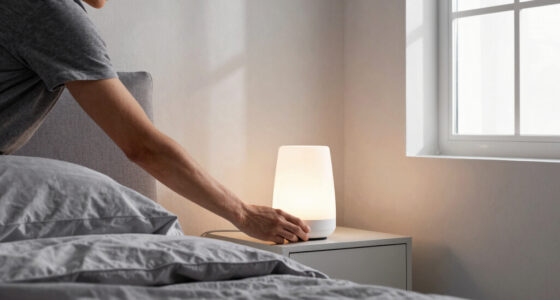
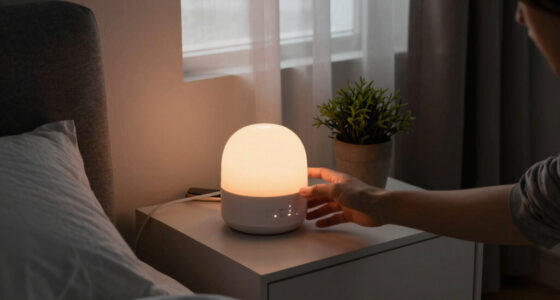
Sunrise alarm clocks use light instead of sound to bring you out of sleep. They gradually brighten your room, mimicking the sunrise, often over 20-30 minutes. This slow increase in light signals your body that it’s time to wake, nudging your circadian rhythm naturally. The significance of this lies in how our bodies are wired to respond to light; it’s a primary cue for regulating sleep-wake cycles. When your body perceives light gradually, it interprets this as a natural signal that daytime is beginning, which helps reduce the abruptness associated with traditional alarms.
This gentle transition matters because it aligns with your biological clock, promoting a smoother awakening process. Unlike sudden sounds that can cause a spike in stress hormones like cortisol, light-based wake-up methods gently stimulate your brain’s alertness centers without a shock. The tradeoff is that it requires a dark or dim environment for maximum effectiveness, and the initial cost can be higher. But this investment can pay off by making mornings less stressful and more consistent with your natural rhythms.
For example, a friend switched to a sunrise clock and noticed she didn’t wake up feeling as tired or irritable. Her mornings became easier, and she felt more alert even before her coffee. This is because her body was waking up in a way that was more attuned to its natural processes, leading to better overall sleep quality and mood.
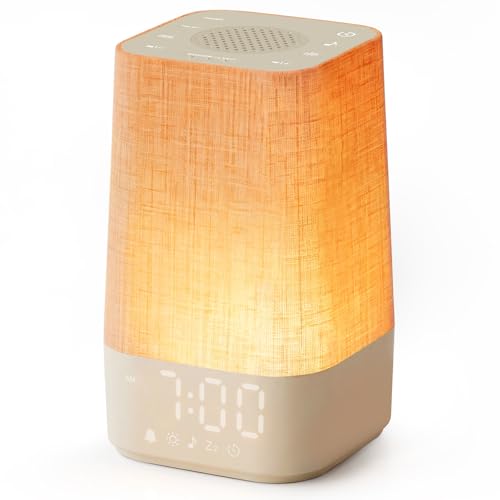
Sunrise Alarm Clock with Sound Machine, Gentle Wake Up Light for Bedroom
- Sunrise Simulation Duration: 10–60 minute customizable sunrise
- Natural Wake-Up Design: Gradual light and gentle sounds
- Adjustable Brightness and Volume: 13 brightness levels, 32 volume levels
As an affiliate, we earn on qualifying purchases.
As an affiliate, we earn on qualifying purchases.
What actually changes in your sleep and wake experience
Switching from a regular alarm to a sunrise clock shifts your wake-up from a sudden jolt to a gentle ascent. But why does this matter? The implications go beyond mere comfort; they influence your overall health and daily functioning. When you wake abruptly, your body experiences a spike in stress hormones, which can leave you feeling disoriented and drained. Over time, this can contribute to increased cortisol levels, impacting your immune function and increasing stress. Conversely, a gradual light increase gently signals your brain to transition from sleep to wakefulness, reducing this hormonal spike.
This smoother process fosters a more positive mood upon waking, as your brain is less shocked and more prepared for the day. It also helps regulate your circadian rhythm, which controls sleep quality and daytime alertness. The tradeoff is that some people may need a backup alarm or find that the light alone isn’t sufficient if they are heavy sleepers or in very dark rooms. However, the benefits include less morning stress, improved mood, and potentially better sleep patterns over time. Essentially, it’s about creating a wake-up environment that respects your body’s natural timing, leading to longer-term health benefits.
For example, some users report feeling more energized during the day after starting their mornings with light, rather than noise. This shift can influence everything from mood to productivity, highlighting the importance of how you wake up in setting the tone for the entire day.

JALL Full-Screen Wake Up Light Sunrise Alarm Clocks for Bedrooms, White Noise Machine for Heavy Sleepers, 25 Natural Sounds, Dual Alarms, FM Radio, 17 Dimmable Colors, Bluetooth Speaker
- Full-Screen Sunrise Simulation: Gradually brightens over 10-60 minutes
- Dual Alarms and Snooze: Set separate routines with 5-20 min snooze
- Bluetooth Auto-Sync: Automatically syncs with phone for accuracy
As an affiliate, we earn on qualifying purchases.
As an affiliate, we earn on qualifying purchases.
Comparison of sunrise alarm clocks vs. regular alarms — what’s really different?
| Feature | Regular Alarm | Sunrise Alarm Clock |
|---|---|---|
| Wake-up method | Sound (beeps, radio, buzzer) | Gradual light increase + optional sounds |
| Wake-up experience | Sudden, sometimes startling | Gentle, natural transition |
| Impact on mood | Can cause stress or irritation | May boost mood and reduce anxiety |
| Sleep quality influence | Neutral or negative, depending on wake-up style | Potentially improves sleep by aligning with circadian rhythm |
| Additional features | Usually just sound alarms | Light intensity, color control, sounds, sunset mode |
| Cost range | Usually under $50 | $30–$200+ depending on features |
The key difference lies in the biological impact of the wake-up method. Light-based alarms tap into your natural circadian cues, promoting a less stressful and more restorative awakening. Traditional alarms, while effective at waking you, often do so abruptly, which can trigger a stress response. This stress response can interfere with the quality of your sleep if you wake up feeling irritated or anxious regularly. The tradeoff with sunrise alarms is often cost and the need for a darker environment, but the long-term benefits for mood and sleep health can outweigh these concerns.

Odokee Sunrise Alarm Clock White Noise Machine: Natural Wake Up Light
- Gentle Sunrise Wake Up: Customizable 5-60 minute sunrise simulation
- Calming Sleep Sounds: 25 soothing sounds including nature and noise
- Sleep Timer Function: Set timer for restful sleep
As an affiliate, we earn on qualifying purchases.
As an affiliate, we earn on qualifying purchases.
Recent tech innovations making sunrise alarms better
In recent years, sunrise alarms have seen some exciting upgrades. LED technology now allows for adjustable light temperature and brightness, making the sunrise more realistic and customizable, which can influence how natural and soothing the wake-up feels. Some models mimic sunset to help you wind down, creating a full day-night cycle that can reinforce your circadian rhythm and improve sleep quality. This bi-directional approach provides a more holistic sleep environment, aligning your body’s internal clock with external cues.
Smart integrations are also on the rise. You can connect your alarm to apps or voice assistants like Alexa or Google Home, enabling remote control and automation. Some devices even track your sleep patterns, offering insights into your rest and helping you fine-tune your wake-up routine for better health. For example, waking up to a sunrise that shifts from warm orange to bright white, or syncing your alarm with your smart blinds to open automatically, can make your mornings more personalized and effective. These innovations demonstrate how technology is moving towards creating a more natural and health-conscious wake-up experience.

Hatch Restore 3 Sunrise Alarm Clock & Sound Machine, Smart Light (Putty)
- Unwind Nightly: Create a calming bedtime environment
As an affiliate, we earn on qualifying purchases.
As an affiliate, we earn on qualifying purchases.
What you should look for in a sunrise alarm clock
If you decide a sunrise alarm is right for you, here are the features that make a difference:
- Adjustable brightness and color temperature: For a sunrise that matches your preferences and enhances the natural feel of waking.
- Sound options: Gentle nature sounds or your favorite playlist to complement the light and provide an additional cue.
- Ease of use: Simple controls and clear interface to avoid frustration and ensure reliable operation.
- Smart features: App control, smart home compatibility, sleep tracking, and automation options for a personalized experience.
- Backup alarm: A traditional sound alarm as a fail-safe in case of technical issues or if the light isn’t enough.
For example, choosing a device that lets you customize from a soft orange glow to a bright white light, with options to add soothing sounds, can make all the difference in how natural and calming your wake-up feels. Prioritizing these features ensures your sunrise alarm will support a gentle, health-promoting start to each day.
Should you switch? Pros and cons at a glance
Here’s a quick rundown to help you decide:
| Pros of Sunrise Alarm | Cons of Sunrise Alarm |
|---|---|
| Gentle, natural wake-up | Higher cost than traditional alarms |
| Better mood and reduced stress | May require a dark room for optimal effect |
| Aligns with circadian rhythms | Some heavy sleepers may need a sound backup |
| Extra features like sunset mode and smart control | Setup and customization can take time |
Ultimately, choosing a sunrise alarm involves weighing the benefits of a more natural, less stressful wake-up against the initial investment and setup effort. For many, the improved mood, better sleep quality, and alignment with biological rhythms justify the cost, especially if mornings are a source of daily stress or fatigue. Understanding these tradeoffs helps you make an informed decision tailored to your lifestyle and sleep needs.
Frequently Asked Questions
Do sunrise alarm clocks really help me wake up feeling more refreshed?
Many users find that waking up with gradually increasing light reduces grogginess and stress. This natural transition cues your body to wake smoothly, often leading to a more alert and positive start to the day.
Are sunrise alarms suitable for heavy sleepers?
They can be effective, especially if combined with sound options. However, some very deep sleepers might still need a traditional alarm as a backup, since light alone may not always wake everyone.
Can sunrise alarms replace regular alarms entirely?
For many, yes—if they wake easily with light. But it’s wise to keep a backup sound alarm, especially if you’re concerned about waking up on time or in case of power outages.
Do sunrise alarms work in rooms with no natural light?
Yes, but their effectiveness can diminish in very dark rooms. Look for models with adjustable brightness and color temperature to compensate for the lack of natural light.
Are sunrise alarms good for seasonal affective disorder (SAD)?
They can help by providing light therapy during darker months, supporting your mood and energy levels when natural sunlight is limited.
Conclusion
Switching to a sunrise alarm can transform mornings from stressful jolts to gentle awakenings. It’s a simple change that taps into your body’s natural rhythms, making waking up feel less like a chore and more like a fresh start. Imagine your bedroom filling with warm light, inviting you into a brighter, calmer day.
Ultimately, if you’re tired of feeling groggy and stressed each morning, a sunrise alarm might just be the change you need. It’s about waking up feeling refreshed, ready to face the day—naturally.
Back to school Picks
back to school
As an affiliate, we earn on qualifying purchases.