TL;DR
Open a free Amazon Business account
Business pricing, bulk buying and tax-exempt orders.
Create a free accountAs an affiliate, we earn on qualifying purchases.
Heavy-sleeping teens need routines that respect their sleep needs. Combining gradual alarms, morning light, and consistency helps them wake more naturally and alertly, reducing grogginess.
If your teen hits snooze endlessly or drags through mornings, it’s not just stubbornness — their sleep needs are different. Heavy sleepers often require more sleep and struggle to wake up, especially when their internal clock shifts during puberty. But there are ways to make mornings smoother without shouting or drastic measures.
In this guide, you’ll learn practical strategies that respect their sleep needs, from gentle alarms to light exposure, designed specifically for teens who sleep deeply. These tips help them wake feeling ready, not groggy, and set a tone for more energetic days ahead.
Consistency in sleep and wake times trains your teen’s internal clock, making mornings easier.
Light exposure in the morning helps reset circadian rhythms, reducing grogginess.
Gradual alarm volume and wake-up light make mornings gentler for heavy sleepers.
Pre-bed routines that limit screens and promote relaxation improve sleep quality.
Adjusting bedtime gradually supports better waking habits without causing stress.
Setting Up a Wake-Up Routine for Heavy-Sleeping Teens
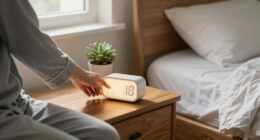
It is biology, not stubbornness. Puberty shifts the internal clock later, while some teens also need unusually long sleep. A successful routine combines adequate rest, predictable timing, gradual alarms, morning light and movement—helping teens wake alert instead of startled and groggy.
Start with sleep need—not alarm volume.
A teen sleeping eight hours may still be under-rested. Deep sleep, a later adolescent chronotype and early school schedules can combine into a genuinely difficult wake-up.
Later body clock
Puberty naturally shifts sleep and wake timing later. An early alarm may arrive while the brain still expects sleep.
Enough total sleep
Some heavy-sleeping teens need 9–11 hours. No alarm strategy can fully compensate for chronic sleep debt.
Cool, dark, quiet
A bedroom near 65°F / 18°C, with low noise and minimal light, supports more restorative sleep.
Anchor wake time
Stable bed and wake times train the internal clock. Keep weekend shifts modest whenever practical.
Quiet final hour
Replace bright screens with reading, stretching, calm music or breathing to support natural sleep onset.
Move the body
Regular activity improves sleep quality. Even a brief morning walk can sharpen alertness and reinforce timing.
A five-step routine the body can learn.
Repeat the same sequence long enough for each cue to predict the next. Adjust bedtime in small increments rather than forcing a sudden major shift.
Power down
Dim lights and pause screens 60 minutes before bed.
Wind down
Read, stretch or listen to quiet music.
Sleep fully
Protect the hours the individual teen needs.
Wake gradually
Use sunrise light, vibration or rising sound.
Activate
Open blinds, hydrate and move for 5–10 minutes.
Sudden noise versus a layered wake-up.
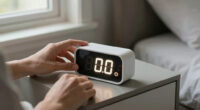
Technology works best as part of a stable schedule. Smart alarms may estimate lighter sleep, while wake-up lights provide a gradual environmental cue.
| Feature | Traditional alarm | Smart light + vibration |
|---|---|---|
| Wake phase | ✗ Any sleep stage | ✓ May target a lighter phase |
| Sound profile | ✗ Often loud and sudden | ✓ Gradual sound or vibration |
| Light cue | ✗ Usually absent | ✓ Simulated sunrise |
| Setup | ✓ Simple and inexpensive | ~ Requires setup and investment |
| Morning experience | ~ Effective but abrupt | ✓ Smoother transition |
Prioritize the highest-impact levers.
The chart shows a practical emphasis hierarchy—not clinical effect sizes. Begin with enough sleep and consistent timing, then layer in light, alarm design and movement.
Routine priority
Calculate backward
Set bedtime from the required wake time and the teen’s actual sleep need—not a generic target.
Shift gradually
Move bedtime and wake time in small steps to reduce stress and improve adherence.
Automate the cues
Schedule dim evening light, a sunrise lamp and one consistent alarm sequence.
Make light immediate
Open blinds or use an appropriate light device soon after waking, ideally for 20–30 minutes.
Add a physical cue
Hydrate, wash with cool water, stretch or walk for 5–10 minutes to reinforce wakefulness.
Expect progress over weeks, not mornings.
Track bedtime, estimated sleep, wake difficulty and daytime alertness. The goal is a sustainable pattern—not perfect compliance on day one.
Consistency creates the signal.
A new schedule commonly needs a few weeks of regular practice before mornings feel significantly easier. Review the pattern weekly and change one variable at a time.
Still impossible to wake?
Consult a healthcare professional or sleep specialist if adequate sleep and a consistent routine do not help, or if there is severe daytime sleepiness, loud snoring or disrupted breathing.
Why Heavy Sleepers Need More Than Just an Alarm
Heavy sleepers often sleep 9-11 hours per night — more than their peers. This isn’t laziness or lack of discipline; it’s biology. Their brains need more downtime to reach full rest, especially during adolescence when sleep patterns shift.
For example, a teen who sleeps 8 hours might still wake feeling tired, while one sleeping 10 hours feels energized. Understanding this helps set realistic expectations and avoids frustration when mornings become a battle.
Recognizing their need for more sleep and understanding that their sleep cycles are different means you can tailor your approach. Instead of expecting them to wake easily with a standard alarm, knowing they need a longer and more consistent sleep period helps you design routines that support their natural rhythms. This awareness prevents the misconception that they are simply lazy or unmotivated, emphasizing the importance of respecting their biological sleep requirements for overall health and daytime functioning.

JALL Full-Screen Wake Up Light Sunrise Alarm Clocks for Bedrooms, White Noise Machine for Heavy Sleepers, 25 Natural Sounds, Dual Alarms, FM Radio, 17 Dimmable Colors, Bluetooth Speaker
- Full-Screen Sunrise Simulation: Gradually brightens over 10-60 minutes
- Dual Alarms and Snooze: Set separate routines with 5-20 min snooze
- Bluetooth Auto-Sync: Automatically syncs with phone for accuracy
As an affiliate, we earn on qualifying purchases.
As an affiliate, we earn on qualifying purchases.
How to Make Waking Up Easier with a Consistent Routine
Consistency is your best friend. Going to bed and waking up at the same time every day trains their internal clock, making mornings less brutal over time. For example, setting a 10:00 PM bedtime and a 6:30 AM wake-up creates predictability.
Here’s a simple step-by-step for a routine:
- Set a fixed bedtime, ideally 8-9 hours before the desired wake-up time.
- Limit screen time an hour before bed — screens emit blue light that tricks the brain into thinking it’s daytime.
- Create a relaxing pre-sleep routine: reading, stretching, or listening to calming music.
- Use a consistent alarm sound, preferably one that’s gentle but firm.
- Encourage morning habits like opening blinds or splashing cool water on the face.
This regularity not only helps their body anticipate sleep and wake times but also reinforces their circadian rhythm, which is crucial for achieving restorative sleep. When their internal clock is aligned with their schedule, they experience fewer awakenings during deep sleep and wake more naturally, reducing the feeling of grogginess and making mornings less stressful. The tradeoff is that maintaining strict routines requires discipline, but the payoff is a more predictable and less stressful morning wake-up, which can have positive ripple effects on mood and daytime alertness.
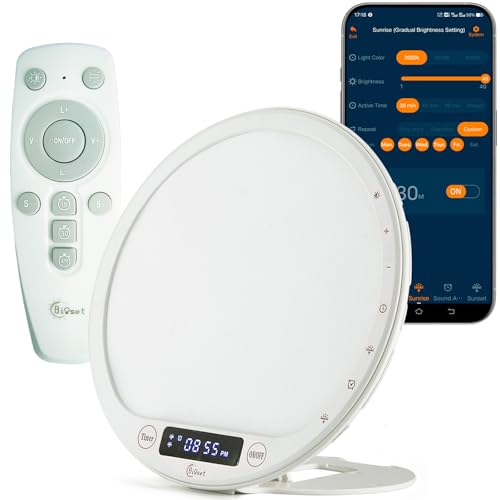
Bioset 10000 Lux Light Therapy Alarm Clock, Sunrise Wake-Up Light with APP & Remote, Built-in Lithium Battery, Portable Travel, Full Spectrum LED (CRI>95), UV-Free for Home Office
- High-Intensity Light Therapy: 10000 Lux UV-Free LED light
- Natural Sunrise Simulation: Gradual brightening wake-up light
- Adjustable Light Intensity: Customize brightness for comfort
As an affiliate, we earn on qualifying purchases.
As an affiliate, we earn on qualifying purchases.
Using Light Exposure to Wake Up Naturally
Light is a powerful cue for waking. For heavy sleepers, exposure to bright light in the morning can help reset their internal clock. Think of it as telling their brain, ‘It’s time to wake up.’
For example, a teen might open their blinds as soon as they wake or use a light therapy lamp designed to mimic sunlight. Bright light exposure for just 20-30 minutes can significantly reduce morning grogginess.
Research shows that teens who use light therapy devices wake more easily and feel more alert during the day. It’s especially effective for those who struggle with early mornings or have delayed sleep phase syndrome. The implication is that light therapy can serve as a non-invasive, drug-free method to shift their circadian rhythm gradually, leading to more consistent and refreshed waking. However, it’s important to understand that the timing and intensity of light exposure matter: too much or too late in the day can disrupt sleep patterns, so using this method thoughtfully maximizes benefits while minimizing potential downsides.
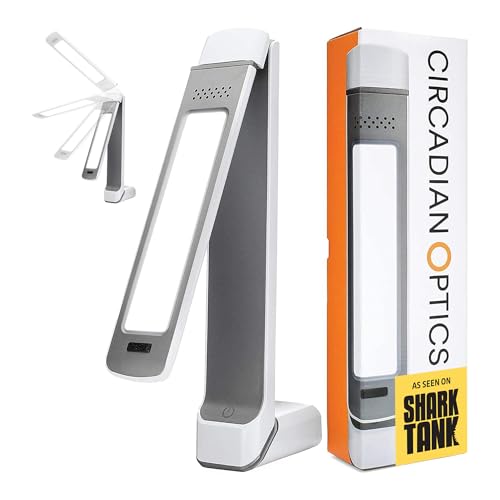
Circadian Optics Lumos 10,000 Lux Light Therapy Lamp | Seen On Shark Tank
- Impressive Brightness: 10,000 LUX light mimics noon sun
- Adjustable Light Panel: 270-degree rotating for customizable angles
- Stable, Flexible Design: Weighted base for easy angling and stability
As an affiliate, we earn on qualifying purchases.
As an affiliate, we earn on qualifying purchases.
Gentle Alarms and Smart Tech That Actually Work
Traditional alarms can startle heavy sleepers awake, often causing them to feel disoriented or groggy. Instead, try alarms that wake them during lighter sleep phases or use technology to make mornings gentler.
For instance, smart alarms that monitor sleep cycles can vibrate or gradually increase volume during the light sleep phase. Pairing this with a wake-up light that simulates sunrise helps transition from sleep softly.
Here’s a quick comparison:
| Feature | Traditional Alarm | Smart Light & Vibration Alarm |
|---|---|---|
| Wake-up phase | Any sleep stage | Light sleep phase |
| Sound level | Loud and sudden | Gradual or vibration |
| Ease of waking | Often abrupt | Smoother, less stressful |
Using these tools allows your teen to wake more gradually, reducing the shock and stress that often accompanies traditional alarms. This approach respects their sleep cycles, leading to less morning grogginess and a more positive start to the day. The tradeoff involves investing in some technology, but the long-term benefit is a more peaceful, less stressful morning routine that aligns better with their natural sleep patterns.

ANJANK Extra Loud Alarm Clock with Wireless Bed Shaker, Vibrating Dual Alarm with Light Wake Up for Heavy Sleepers & Hearing Impaired, 9-Color Night Light, 8 Sounds, 0-100% Dimmer, USB Charger
- Power Source: Requires AC power, no battery backup
- Alarm Features: Loud sound, vibrating bed shaker, light wake-up
- Night Light: 9-color adjustable night light
As an affiliate, we earn on qualifying purchases.
As an affiliate, we earn on qualifying purchases.
Pre-Bedtime Habits That Make Mornings Less Painful
What you do before bed sets the stage for how easy or hard it is to wake up. Avoid caffeine and screens, and create a calming environment. For example, a teen might read a paperback or do gentle yoga as their wind-down ritual.
Limiting screen time an hour before bed reduces blue light exposure, which can delay melatonin production. Instead, they can listen to soft music or practice deep breathing.
Additionally, keeping the bedroom cool (around 65°F) and dark helps improve sleep quality, making waking up less of a fight. These habits matter because they directly influence sleep quality and duration. A well-rested teen is less likely to experience fragmented sleep, which can cause mornings to feel more difficult. The tradeoff is that establishing these habits requires consistency and discipline, but the payoff is a more restorative sleep that makes waking up easier and mornings more manageable.
How Morning Light and Physical Activity Boost Wakefulness
Morning light and movement are your secret weapons. Sunlight naturally signals the body to stop producing sleep hormones and start waking up. A quick walk outside or opening blinds can do wonders.
Physical activity during the day, like biking or sports, also improves sleep quality. Well-rested teens wake up more easily and feel more alert.
For example, encouraging a teen to take a 10-minute walk after waking or during lunch can make mornings smoother, especially if they’re heavy sleepers. The reason this works is that light and activity help reinforce their circadian rhythm, making sleep more consolidated and waking more natural. The tradeoff is that incorporating physical activity into busy schedules can be challenging, but even small efforts like morning stretches or brief walks can significantly enhance alertness and sleep quality.
How Long It Takes to Adjust and What to Expect
Most teens need about 2-3 weeks of consistent effort to see real changes in their wake-up routine. It’s like building a habit: patience is key.
If they stick to the same bedtime, use light exposure, and try gentle alarms, mornings will gradually become easier. Expect some resistance at first — that’s normal.
During this adjustment period, their body is gradually shifting its internal clock, which can sometimes cause temporary sleep disruptions or feelings of tiredness. Recognizing this as part of the process helps set realistic expectations. For example, a parent might notice their teen waking up more alert after three weeks of sticking to routines and light therapy, affirming that persistence pays off. The tradeoff is that initial discomfort is temporary, and the long-term benefits include more consistent, restful sleep and easier mornings.
Safety Tips for Using Alarms and Light Therapy
Most alarms and light therapy devices are safe when used properly. Keep the brightness level moderate to avoid overstimulating or disturbing sleep quality.
For example, avoid overly bright lights that can cause stress or cause sleep disruptions. If your teen has sensitivity or underlying health issues, consult a healthcare professional before starting light therapy.
Remember, alarms that are too loud or sudden can wake them abruptly and cause anxiety. Opt for gentle sounds or vibrations instead. Proper use ensures safety and effectiveness, preventing potential sleep disturbances or discomfort. It’s also important to monitor how your teen responds to these devices and adjust settings accordingly. Over time, safe and appropriate use can enhance their waking experience without compromising overall sleep quality.
Should Heavy Sleepers Try Going to Bed Earlier?
Yes, aligning bedtime with sleep needs supports waking up easier. Heavy sleepers often benefit from going to bed at least 30-60 minutes earlier than their usual time.
For example, if a teen needs 10 hours of sleep and wakes at 6:30 AM, their ideal bedtime might be around 8:30 PM. This ensures they get enough sleep and wake up refreshed. The benefit of going to bed earlier is that it increases the likelihood of completing full sleep cycles, especially the lighter stages that facilitate waking. The tradeoff is that earlier bedtimes may conflict with social or academic activities, so gradual adjustments help balance sleep health with daily responsibilities. Consistency in sleep timing reinforces their circadian rhythm, making mornings easier and more predictable.
What If My Teen Still Struggles to Wake Up?
If routines don’t help after several weeks, consider consulting a sleep specialist. Persistent difficulty waking might signal underlying issues like sleep disorders.
Conditions such as delayed sleep phase syndrome, where the internal clock is shifted later, or sleep apnea, which causes fragmented sleep, can interfere with waking naturally. A sleep specialist can perform assessments like sleep studies to diagnose these issues. Addressing underlying problems early is crucial because untreated sleep disorders can impact mental health, academic performance, and overall well-being. The tradeoff of seeking professional help is the potential for targeted interventions that improve sleep quality and daytime alertness, leading to healthier habits and better quality of life.
Frequently Asked Questions
How can I wake up more easily if I’m a heavy sleeper?
Using wake-up lights that simulate sunrise, gradual alarms, and sticking to a consistent sleep schedule can make a big difference. These tools help your brain wake during lighter sleep phases, reducing grogginess.
What are the best strategies to wake up feeling alert?
Expose yourself to bright light as soon as you wake, take a quick walk outside, and eat a nutritious breakfast. These habits boost alertness and help you start the day energized.
How long does it typically take to adjust to a new wake-up routine?
Most teens notice improvements after about 2-3 weeks of consistent effort. Patience and sticking to the routine are key.
Are there any risks associated with using alarms or light therapy?
When used correctly, they are generally safe. Avoid overly bright lights or very loud alarms to prevent stress or sleep disruption. Consult a professional if you have health concerns.
Should heavy sleepers try to go to bed earlier?
Yes, shifting bedtime earlier by 15-minute increments helps align sleep with your needs, making waking up less of a challenge.
Conclusion
Helping heavy-sleeping teens wake up more easily isn’t about fighting their biology; it’s about working with it. Using light, consistency, and gentle alarms, you can create mornings that don’t start with dread.
Imagine a future where waking up feels natural, not like a battle. That’s the goal — mornings that set a positive tone for the whole day.
Grilling season Picks
grills
As an affiliate, we earn on qualifying purchases.