
TL;DR
Listen free for 30 days with Audible
Thousands of audiobooks and originals — cancel anytime.
Start your free trialAs an affiliate, we earn on qualifying purchases.
Cheap sunrise alarms can be effective if they reach at least 200 lux and offer a smooth sunrise cycle. However, lower brightness, fewer features, and build quality issues are common. Investing a little more usually means a more natural wake-up experience.
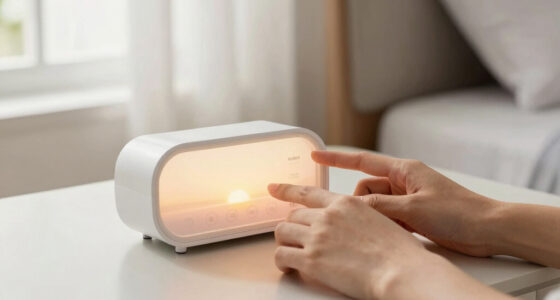
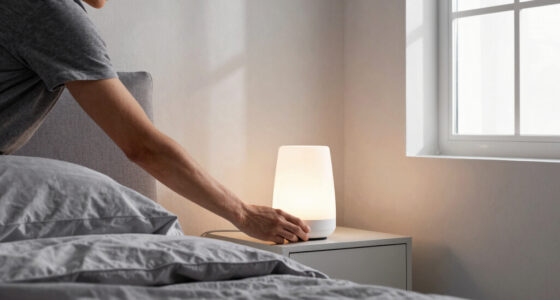
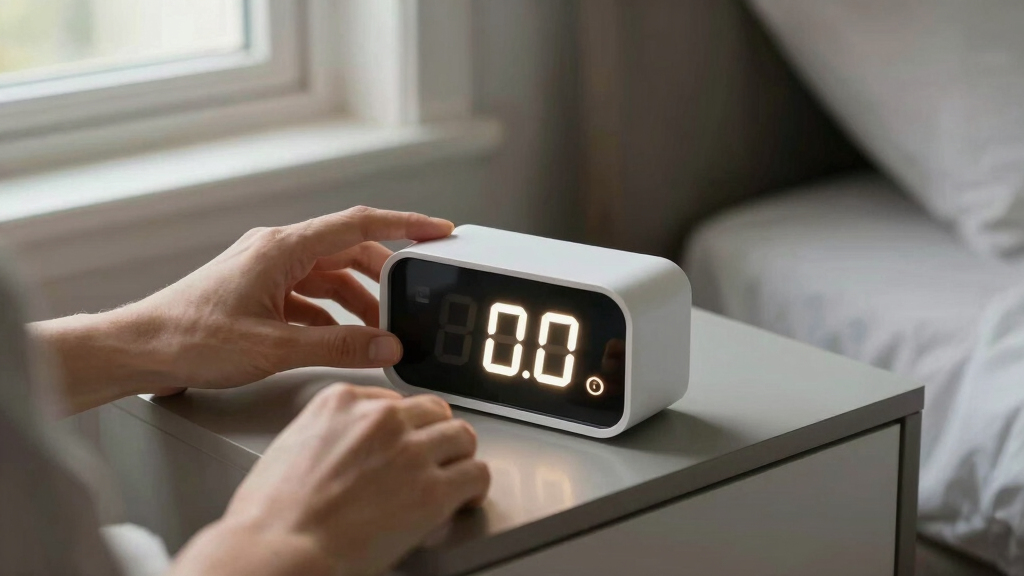
Imagine waking up gradually, as if the sun itself is greeting you. Sunrise alarm clocks promise a gentle, natural way to start your day, but not all are created equal. When shopping on a budget, it’s tempting to pick the cheapest option, but will it really do the job? Many affordable models cut corners that matter—like brightness, smoothness, and reliability. This guide will help you understand what budget sunrise alarms often skip and how to get the most out of your morning wake-up routine without breaking the bank.
Most budget sunrise alarms struggle to reach the recommended 200 lux brightness threshold, which can limit their effectiveness.
Features like smooth sunrise cycles, sunset timers, and multiple sound options are often missing in low-cost models.
Check the lumen output and cycle length before buying—these are key to a successful wake-up.
Investing a little more usually guarantees a more natural, reliable sunrise experience.
A brighter, longer, and smoother sunrise cycle makes a noticeable difference in how gently you wake up.
Are Cheap Sunrise Alarms Any Good?
They can be—but only when the fundamentals survive the price cut. Brightness, a gradual cycle, and dependable operation matter far more than novelty sounds, radio presets, or app control.
A budget alarm is worthwhile if it reaches 200 lux and brightens smoothly for at least 20 minutes.
Below that threshold, the “sunrise” may feel more like a dim night-light—and the sound alarm still does most of the waking.
Three essentials make dawn feel real
A sunrise alarm works by increasing light before your set wake time. The closer that transition feels to natural dawn, the more likely it is to support a calmer rise instead of simply adding another glowing gadget to the bedside.
Enough brightness
Light must be strong enough at pillow level to be noticeable through closed eyelids and ambient room light. A weak lamp may have little effect beyond illumination.
Aim for at least 200 luxA gradual ramp
A smooth increase avoids the jolt of sudden brightness. Cheap models may jump through a handful of visible steps, making the simulation feel mechanical.
Choose a 20–30 minute cycleReliable operation
Controls, memory, buttons, and the backup sound must work every morning. Fragile switches or inconsistent scheduling erase the benefit of a gentler routine.
Prioritize verified reliabilityThe number budget listings often hide
Lumens describe total light output; lux describes how much light reaches a surface. For waking performance, look for a lux figure measured at a stated distance—not vague claims such as “high brightness.”
Typical maximum brightness
Illustrative comparison based on the common ranges described for budget and mid-range models.
Budget models skip more than polish
Some missing extras are harmless. Others directly affect how natural, adaptable, and dependable the wake-up experience feels.
Smooth light transitions
Low-cost LEDs may brighten in obvious stages or use a short cycle that feels abrupt instead of dawn-like.
Impact: more jarring wake-upSunset routines
Gradual dimming can support a consistent wind-down routine, but it is frequently absent or minimally adjustable.
Impact: less sleep-cycle supportSound choice
One or two tinny tones provide little personalization and may turn a gentle light wake-up into a harsh audio alarm.
Impact: weaker personalizationDurable controls
Thin plastics, stiff buttons, and fragile dials can make daily setup frustrating or shorten the product’s useful life.
Impact: reliability riskFine adjustment
Limited brightness levels and fixed cycle lengths make it harder to tune the alarm for bedroom conditions.
Impact: one-size-fits-fewApp or smart control
Convenient scheduling and routines remain more common in mid-range products, though they are not essential.
Impact: convenience onlyWhere the extra money goes
Mid-range alarms tend to improve the core light experience first, then add convenience. A strong budget model can still win when it gets brightness, timing, and reliability right.
| Feature | Budget models / $20–$50 | Mid-range models / $50–$100 |
|---|---|---|
| Brightness | ✗Often below 100 lux; may be too weak for effective dawn simulation. | ✓Commonly 200–300 lux for a more convincing light cue. |
| Sunrise cycle | ~Short, fixed, or visibly stepped transitions are common. | ✓Smoother cycles, often adjustable up to 30 minutes. |
| Sound options | ~Usually one or two basic tones with modest speaker quality. | ✓More sounds, nature options, and better audio quality. |
| Build quality | ✗Lighter plastics and controls that may wear more quickly. | ✓More durable materials and consistent daily operation. |
| Extra features | ✗Few presets; sunset, app control, or radio may be absent. | ✓Sunset mode, app control, presets, radio, and finer adjustment. |
Follow the chain before buying
A low price is not automatically poor value. Verify each link in the wake-up chain and reject models that hide the specifications that matter.
Find the lux rating
Look for 200 lux or more at a clearly stated distance.
Confirm cycle length
Choose at least 20 minutes with a genuinely gradual ramp.
Check adjustment
Brightness, sound, and alarm time should be easy to change.
Read reliability reviews
Search reviews for brightness, buttons, failures, and alarm consistency.
Save wisely—or spend a little more
Your bedroom and sleep style matter. A capable budget light can work in a very dark room, while heavy sleepers or people seeking a highly natural routine may benefit more from the stronger performance of a mid-range model.
Stick to budget if…
You mainly want gradual light and can verify the model’s core specifications.
- Your bedroom is consistently dark.
- The alarm is rated at 200 lux or more.
- The sunrise lasts at least 20 minutes.
- Reviews confirm reliable daily operation.
Spend more if…
A natural, customizable wake-up is a priority rather than an occasional convenience.
- You are a heavy sleeper or need stronger light.
- You want smoother, longer sunrise transitions.
- Sunset routines and multiple sounds matter.
- You value stronger controls and durability.
Buy the dawn, not the feature list: brightness, cycle smoothness, and reliability determine whether a cheap sunrise alarm is genuinely good.
What Makes a Sunrise Alarm Effective (and What Cheap Models Usually Miss)
Sunrise alarms work by gradually increasing light to mimic a natural sunrise. For this to wake you gently, the light needs to reach at least 200 lux, roughly the brightness of a brightly lit room. Many budget models fall short here, offering less than 100 lux, which can make the sunrise effect barely noticeable. Think of it like trying to wake up with a dim candle instead of a blazing sunrise.
Why does this matter? The effectiveness of a sunrise alarm hinges on how convincingly it simulates dawn. Insufficient brightness can lead to a sluggish wake-up, leaving you groggy or feeling like you’re not fully roused. Additionally, when the light isn’t bright enough, your body’s natural response—melatonin suppression—may not be triggered effectively, delaying your alertness. This means you might wake up feeling more tired or disoriented, defeating the purpose of a gentle sunrise. Cheaper models often compromise on the duration or consistency of the sunrise cycle, which can make the transition abrupt or unconvincing, reducing their ability to help you wake up naturally. The tradeoff is clear: lower brightness and shorter cycles can cause mornings to feel rushed or jarring, rather than calm and refreshing. Choosing a model that neglects these factors risks mornings that start off stressful or unproductive, undermining the core benefit of a sunrise alarm—the gentle, circadian-friendly awakening that sets a positive tone for the day.
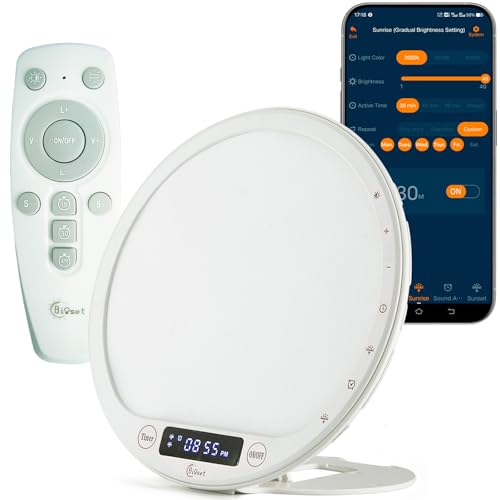
Bioset 10000 Lux Light Therapy Alarm Clock, Sunrise Wake-Up Light with APP & Remote, Built-in Lithium Battery, Portable Travel, Full Spectrum LED (CRI>95), UV-Free for Home Office
- High-Intensity Light Therapy: 10000 Lux UV-Free LED light
- Natural Sunrise Simulation: Gradual brightening wake-up light
- Adjustable Light Intensity: Customize brightness for comfort
As an affiliate, we earn on qualifying purchases.
As an affiliate, we earn on qualifying purchases.
What Features Do Budget Sunrise Alarms Usually Leave Out?
If you’re hoping for a sunrise alarm with customizable sounds, sunset timers, or app controls, you might find these missing in cheaper models. But beyond convenience, these omitted features have a significant impact on how well your sleep cycle is supported. Sunset timers, for example, gradually dimming the light and playing calming sounds, help your body wind down naturally, making it easier to fall asleep and improve sleep quality. Without this feature, you might experience more abrupt transitions into sleep, which can leave you feeling less rested or more restless. Multiple sound options and high-quality speakers are also important—they allow you to customize your wake-up experience with soothing nature sounds or your preferred alarm tone, which can significantly influence how gently you wake up. The absence of these features often means your wake-up routine becomes less personalized and less effective in promoting a restful sleep cycle.
Build quality is another critical aspect—cheaper plastics and fragile controls can break or wear out quickly, leading to frustration and unreliable operation. If your alarm relies on specific features like app control or multiple alarm sounds to tailor your wake-up routine, their absence can force you to settle for less effective or more stressful mornings. For instance, an alarm that only offers a single, weak beep may fail to rouse you adequately, especially if you’re a heavy sleeper. These missing features aren’t just minor inconveniences—they can fundamentally undermine the promise of a sunrise alarm: a dependable, calming, and customizable wake-up process that supports your sleep health. When these elements are absent, you might find yourself compensating with additional devices or routines, which complicates what should be a simple, soothing start to your day.

JALL Sunrise Alarm Clock White Noise Machine with 25 Nature Sleep Sounds, Fully Dimmable Clock for Bedrooms, Heavy Sleepers, 17 Light Modes, Bluetooth Speaker
- 25 Sleep Sounds: White noise and nature tracks with volume control
- Fully Dimmable Display: Adjust or turn off LED display for darkness
- Sunrise Simulation: Gradual brightening to wake naturally
As an affiliate, we earn on qualifying purchases.
As an affiliate, we earn on qualifying purchases.
Comparison Table: Budget Sunrise Alarms vs. Mid-Range Models
| Feature | Budget Models ($20–$50) | Mid-Range Models ($50–$100) |
|---|---|---|
| Brightness | Usually less than 100 lux, often insufficient for effective dawn simulation, leading to less convincing wake-ups | 200–300 lux, providing a more natural and effective sunrise experience, aligning better with circadian cues |
| Sunrise Cycle | Short or uneven, sometimes abrupt, which can startle or fail to simulate dawn properly | Smoother, longer cycles (up to 30 minutes) that gradually mimic natural sunrise, promoting a gentle awakening |
| Sound Options | Limited, often one or two basic sounds that may be tinny or unrelaxing | Multiple sounds, better quality, and options for nature sounds or customizable alarms |
| Build Quality | Cheaper plastics, less durable, prone to breaking or malfunctioning with frequent use | Higher quality materials, more reliable, designed for longevity and consistent performance |
| Extra Features | Few or none, lacking sunset timers, app control, or adjustable brightness levels | Sunset timer, app control, customizable brightness, and sometimes additional features like FM radio |

Odokee Sunrise Alarm Clock White Noise Machine: Natural Wake Up Light
- Gentle Sunrise Wake Up: Customizable 5-60 minute sunrise simulation
- Calming Sleep Sounds: 25 soothing sounds including nature and noise
- Sleep Timer Function: Set timer for restful sleep
As an affiliate, we earn on qualifying purchases.
As an affiliate, we earn on qualifying purchases.
How to Pick a Budget Sunrise Alarm That Won’t Disappoint
- Check the lumen output—aim for at least 200 lux, because anything less may not reliably simulate dawn, risking a less effective wake-up or grogginess.
- Ensure the sunrise cycle lasts at least 20 minutes for a natural feel; shorter cycles can be jarring or insufficient for circadian alignment.
- Look for adjustable brightness and multiple alarm sounds, which allow you to tailor the wake-up experience to your preferences and sleep needs.
- Read reviews specifically mentioning brightness and reliability, as these are critical indicators of whether the alarm will perform as promised.
- Consider the build quality—avoid overly cheap plastics or fragile controls, as these can lead to malfunction or breakage over time.
Choosing a budget sunrise alarm involves understanding the tradeoffs between cost and core features. While some inexpensive models do deliver enough brightness and smooth cycles, many compromise on these critical aspects, which can diminish the effectiveness of your wake-up routine. It’s worth investing time in researching and reading reviews to find a model that offers a good balance—enough brightness, a long enough cycle, and reliable operation. Remember, the goal is to wake up feeling refreshed and alert, not groggy or startled. Prioritize the features that directly impact the quality of your morning wake-up, as this will make a noticeable difference in your daily routine.

Philips SmartSleep Wake-up Light, Colored Sunrise and Sunset Simulation, 5 Natural Sounds, FM Radio & Reading Lamp, Tap Snooze, HF3520/60
- Clinically Recommended: Supports healthy sleep and wake routines
- Personalized Settings: Custom sunrise, sunset, and wake-up sounds
- Smart Features: FM radio, tap snooze, auto-dimming display
As an affiliate, we earn on qualifying purchases.
As an affiliate, we earn on qualifying purchases.
Should You Spend More or Stick to a Budget?
If waking naturally is a priority, investing a bit more can significantly enhance your experience. Mid-range models typically offer brighter, longer, and smoother sunrise cycles, which more closely resemble the natural dawn and support your circadian rhythm better. However, if your bedroom is very dark or you’re a heavy sleeper, a budget alarm that reaches at least 200 lux can still provide a noticeable improvement over traditional alarms. But it’s crucial to recognize that cheaper models often sacrifice durability and consistency—meaning you might encounter issues like dimming lights or cycle failures over time. These shortcomings can lead to mornings that start off disjointed or unrefreshing, which defeats the purpose of a sunrise alarm. Investing more upfront often means better build quality, more reliable performance, and features that truly support waking naturally. This can translate into waking up more energized, less groggy, and with a better mood, especially important for those with sensitive sleep cycles or health considerations. Ultimately, the decision depends on your priorities—if a natural, stress-free awakening matters, a slightly higher investment can pay dividends in your overall sleep health and daily energy levels.
Frequently Asked Questions
Do cheap sunrise alarms really work?
They can work if they produce at least 200 lux and have a gradual, long enough sunrise cycle. However, many budget models fall short on brightness and smoothness, making them less effective for a natural wake-up.
What should I look for in a budget sunrise alarm?
Prioritize brightness (at least 200 lux), a long, smooth sunrise cycle (20+ minutes), adjustable brightness, and multiple sound options. Reading reviews helps ensure the model performs as promised.
Are there affordable models that are actually good?
Yes, some brands deliver surprisingly effective alarms within the $30–$50 range. Look for those with high user ratings focusing on brightness and cycle quality.
Can I make a regular lamp work as a sunrise alarm?
Not ideally. Most lamps lack the gradual dimming feature needed to simulate sunrise effectively. You might need a dedicated sunrise alarm for true natural waking.
Is a sunrise alarm worth the extra cost over a traditional alarm clock?
Many find sunrise alarms gentler and more effective at waking them naturally, especially if they’re sensitive to abrupt sounds or light. It’s an investment in better mornings, not just another gadget.
Conclusion
If you want a truly natural wake-up, don’t settle for the cheapest models that barely light up your room. Focus on brightness, cycle smoothness, and reliable features—these make all the difference. A better sunrise alarm can turn mornings from groggy struggles into a gentle, uplifting start.
Remember, waking up gently isn’t just about light—it’s about how you feel for the rest of your day. Sometimes, investing a little more in your mornings pays off in mood, energy, and overall well-being.
Back to school Picks
back to school
As an affiliate, we earn on qualifying purchases.