
TL;DR

Get wellness gear delivered free with Prime
- Fast, free delivery on millions of items
- Prime Video, Amazon Music and more included
- Member-only deals all year
Sound machines for shared kids’ rooms mask disruptive noises and promote better sleep. Choosing the right device involves considering sound type, volume, safety, and features like timers and connectivity.
Picture a room where two children sleep peacefully, despite outside traffic or household chatter. That’s the magic of a well-chosen sound machine. If you’ve ever struggled with bedtime noise or wake-ups, you’re not alone. Many parents find that calming sounds turn noisy nights into restful ones.
In this guide, you’ll learn what makes a sound machine suitable for shared kids’ rooms, how recent tech advances improve their effectiveness, and practical tips for choosing and using these devices. Whether you’re dealing with a toddler and a preschooler or twins sharing a small space, this info helps create a peaceful sleep zone.
Choose sound machines with adjustable volume below 50 decibels to protect hearing and effectively mask noise.
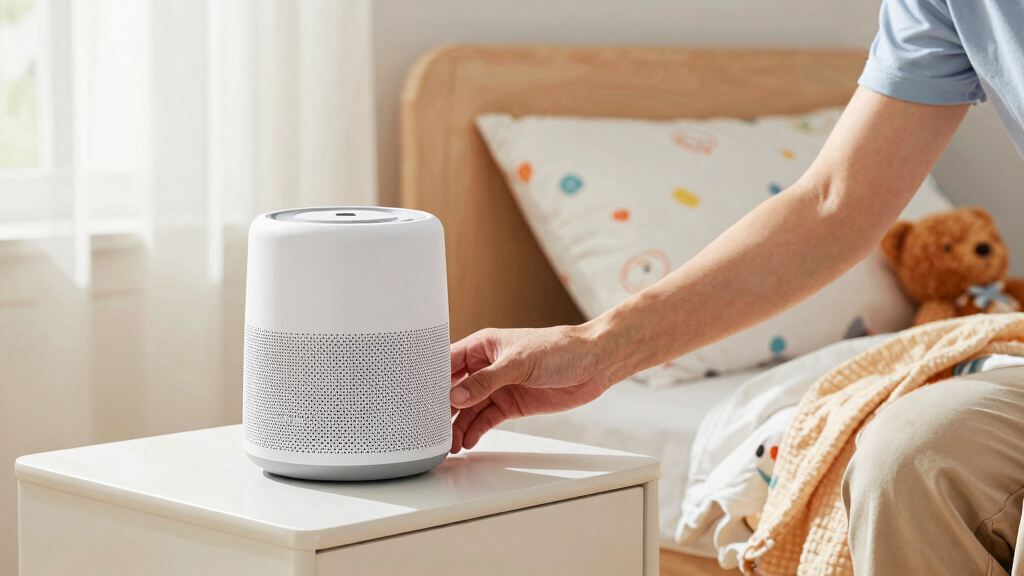
Position devices 3-6 feet from children’s beds, aiming speakers towards their sleeping areas for best results.
Use timers to turn off sounds after children fall asleep, preventing overexposure and encouraging independent sleep.
Smart models with app control and customizable soundscapes offer more flexibility for busy parents.
Prioritize safety—child-safe materials, simple operation, and low noise levels make sound machines a reliable sleep aid.
What exactly are sound machines, and why do they work in shared rooms?
Sound machines are devices that produce soothing sounds—like white noise, nature sounds, or gentle melodies—to help children relax and fall asleep. They work by masking disruptive noises, creating a consistent auditory backdrop. Imagine a busy street outside your house; a sound machine can turn that chaos into a gentle hum, so your kids aren’t jolted awake.
For shared rooms, they’re especially useful because they offer a uniform sound environment, helping children tune out each other’s movements or external disturbances. Think of a busy café where everyone has their own quiet space—sound machines create that calm zone for your kids.
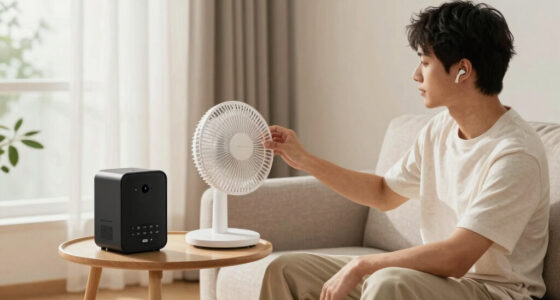
white noise machine for kids shared room
As an affiliate, we earn on qualifying purchases.
As an affiliate, we earn on qualifying purchases.
How to pick the perfect sound machine for two kids sharing a room
- Determine the sound types—white noise, nature sounds, or lullabies—that your children respond to best. For example, one child might find rain calming, while the other prefers soft melodies.
- Choose a device with adjustable volume—ideally below 50 decibels—to protect hearing while masking disruptive sounds effectively.
- Look for a timer feature to turn off the sound after your child falls asleep, saving battery and preventing constant noise exposure.
- Consider size and design—compact models or those blending into nursery decor work well without clutter.
- Check connectivity options—Bluetooth or app control for easy customization and streaming personalized sounds.
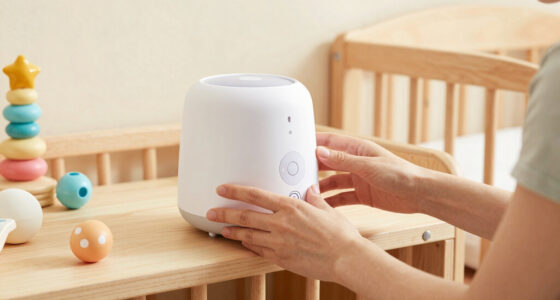
kids sound machine with timer and app control
As an affiliate, we earn on qualifying purchases.
As an affiliate, we earn on qualifying purchases.
Compare top features of sound machines for shared kids’ rooms
| Feature | Basic Model | Smart Model |
|---|---|---|
| Sound Options | White noise, nature sounds | Customizable via app, multiple soundscapes |
| Volume Control | Manual, limited ranges | App-controlled, precise adjustments |
| Timer | Yes, simple countdown | Yes, with sleep analytics |
| Connectivity | None or Bluetooth | Wi-Fi, app control, voice activation |
| Design | Child-proof, colorful or minimal | Modern, themed, sleek |
child-safe sound machine for nursery
As an affiliate, we earn on qualifying purchases.
As an affiliate, we earn on qualifying purchases.
Safety tips for using sound machines in shared kids’ rooms
Always keep the volume below 50 decibels—roughly as loud as a whisper or quiet library. Place the device at a safe distance from your children’s ears, ideally on a shelf or dresser, not directly beside the bed.
Use timers to turn off sounds after your child falls asleep, preventing overexposure. Opt for models made with non-toxic, child-safe materials. Regularly check the device for damage or wear, and ensure cords are out of reach.
For example, a parent setting a sound machine on a high shelf, with a 30-minute timer, keeps the environment safe and peaceful without risking hearing damage.
nature sounds sleep machine for children
As an affiliate, we earn on qualifying purchases.
As an affiliate, we earn on qualifying purchases.
Recent models now connect to your smartphone or smart home system, letting you control sounds remotely. Some offer ultra-rich sound quality with 3D audio, creating a more immersive experience. Rechargeable batteries with longer life and USB power make them easier to keep running.
Designs are more playful—think animals or characters—so they fit seamlessly into nursery decor. Features like nightlights, sleep tracking, and voice control add extra layers of convenience for busy parents.
Imagine adjusting your child’s sleep environment from your bed or while at work—tech helps make bedtime smoother and more customizable.
How to use sound machines effectively in shared rooms
Position the device about 3-6 feet away from the children’s beds, aiming the speaker towards their sleeping area. Use the timer to turn off the sound after they’re asleep, avoiding constant noise exposure. Incorporate the sound machine into your bedtime routine—turn it on as part of reading or cuddling time.
For example, start the night with a calming rain sound as you tuck in your kids. Once they’re drowsy, set the timer to fade out the noise, helping them learn to fall asleep with less help over time.
Consistency is key—using the same sounds and routine helps children associate the noise with bedtime, making sleep more predictable.
What to remember before buying a sound machine for shared kids’ rooms
Prioritize safety—volume control, child-safe materials, and quiet operation. Think about your kids’ preferences—do they like nature sounds or lullabies? Consider the room layout—do you need a compact device or one with extra features like nightlights?
Finally, check reviews and user feedback for real-world reliability and ease of use. A well-chosen sound machine can transform chaotic nights into peaceful, restorative sleep for everyone.
Frequently Asked Questions
Are sound machines safe for young children?
Yes, when used at appropriate volume levels and with child-safe designs. Keep the volume below 50 decibels and place devices out of direct reach to prevent accidents or overexposure.
What type of sound is best for shared rooms?
White noise or nature sounds are popular because they effectively mask other noises without being overly stimulating. Choose what your child finds most calming.
How loud should a sound machine be?
Typically below 50 decibels—about the volume of a gentle whisper or quiet library—to avoid risking hearing damage while providing effective sound masking.
Can sound machines help with night waking?
Many parents report that consistent use of sound machines helps soothe children back to sleep after waking, especially in noisy environments or during sleep regressions.
Are there risks with using sound machines?
Overexposure to loud sounds can harm hearing. Always set the volume correctly, position devices safely, and use timers to limit continuous exposure.
Conclusion
In a shared room, a well-selected sound machine can be your secret weapon for peaceful nights. It’s about creating a consistent, soothing environment where external noise no longer disrupts sleep. As you choose and use your device, remember: safety, simplicity, and your child’s preferences matter most.
Imagine your little ones drifting into dreamland, undisturbed by the world outside—peaceful, restful, and ready for a new day. That’s the power of a good sound machine. Make it part of your bedtime routine, and watch the magic happen.
Halloween Picks
halloween
As an affiliate, we earn on qualifying purchases.