
TL;DR

Get wellness gear delivered free with Prime
- Fast, free delivery on millions of items
- Prime Video, Amazon Music and more included
- Member-only deals all year
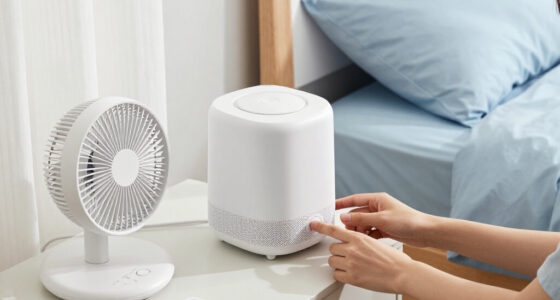
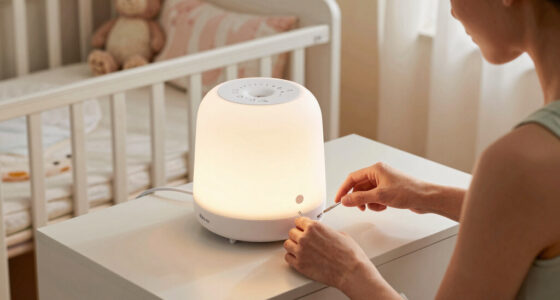
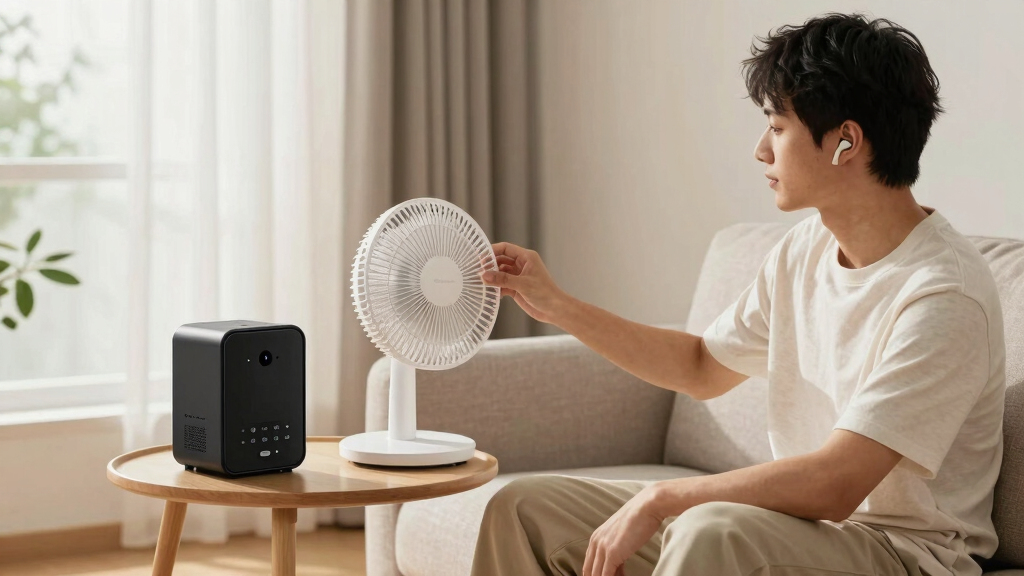
Layering a fan, white noise machine, and earplugs can significantly boost sleep quality by masking external noise. Properly combining these sources allows for a tailored, soothing environment, especially useful in noisy settings or for sensitive sleepers.
Ever notice how some nights, a single fan just isn’t enough? Or how your neighbor’s snoring still manages to sneak through even the loudest white noise machine? Combining multiple sound sources—like a fan, a dedicated machine, and earplugs—can turn your sleep environment into a fortress against disturbances.
This guide walks you through how layering sounds works, why it makes a difference, and how to set it up for your best sleep or focus. Whether you live in a bustling city or a noisy household, you’ll find practical tips to craft your perfect soundscape.
Layering a fan, white noise machine, and earplugs creates a richer, more effective noise-masking environment than any single source.
Adjust volume and sound harmony carefully—overly loud sounds or clashing tones can disturb sleep rather than help.
Use comfortable, breathable earplugs and take breaks to protect your ear health during long-term use.
Modern technology, including apps and noise-canceling earplugs, makes customizing layered sounds easier and more effective.
Experiment with your setup—everyone’s perfect environment is different, so tweak until it feels just right.
Why Layering Sounds Works Better Than One Alone
Layering sounds means stacking different noises—like a fan’s gentle hum, a white noise machine’s ocean waves, and the silence-enhancing power of earplugs. This approach creates a richer, more consistent sound environment that’s harder for disruptive noises to cut through.
Imagine trying to sleep in a room where only a fan is running. If a car screeches outside or someone’s snoring nearby, it can still disturb you. But add a white noise machine and earplugs, and those sounds are almost swallowed up. The layers work together to mask a wider range of disruptive noises, making your sleep more peaceful.
According to an anonymous researcher, layered sounds can improve sleep quality by up to 40% over single sources because they mimic the complexity of natural environments—think of how a forest has many overlapping sounds that soothe us. This complexity is important because our brains are wired to process a variety of sounds in natural settings, which helps us relax and transition into sleep more easily. The tradeoff, however, is that overly complex or loud layering can sometimes become overwhelming or distracting if not balanced properly. Finding the right mix ensures that the layers serve as a calming backdrop rather than a source of stimulation or annoyance.
As an affiliate, we earn on qualifying purchases.
How to Set Up Your Perfect Sound Layering System in 3 Easy Steps
- Choose Your Sounds: Pick a fan that produces a steady, soft hum—something with gentle airflow. Select a white noise machine with customizable sounds like rain or ocean waves. Make sure your earplugs are comfortable and suitable for long wear. Consider the environment: a gentle, consistent sound is less likely to cause arousal or disrupt sleep cycles compared to abrupt or highly variable noises.
- Adjust Volume Levels: Set the fan to a gentle hum—around 50-60 decibels. The white noise machine should be loud enough to mask external sounds but not so loud it’s uncomfortable—aim for about 70 decibels. Keep earplugs snug but comfortable, so they don’t cause discomfort or ear fatigue. Remember, higher volumes can lead to hearing fatigue or damage over time, so moderation is key.
- Test and Tweak: Lie down and listen. Adjust each source until you find the perfect balance—sounds should blend seamlessly, not clash or overpower. Make sure external noises are effectively masked but that the overall environment feels calming, not overwhelming. This process might involve trial and error, but fine-tuning ensures your environment is both effective and sustainable for long-term use.
For example, I once set my fan to a gentle breeze sound, a rain setting on my white noise machine, and snug earplugs. It created a cocoon of calm, even in a noisy apartment complex.
As an affiliate, we earn on qualifying purchases.
Comparing Sound Sources: Which Works Best Together?
| Feature | Fan | White Noise Machine | Earplugs |
|---|---|---|---|
| Primary Role | Creates consistent airflow and soft hum | Provides customizable ambient sounds | Reduces external noise penetration |
| Best For | Masking sudden loud noises like traffic or snoring | Adding variety and smoothness to soundscape | Blocking out residual external sounds or loud disturbances |
| Limitations | Can be monotonous if too loud | Requires power or batteries; some may find certain sounds distracting | Comfort varies; long use can cause ear fatigue or wax buildup |
| Synergy | Enhances the masking effect of other sounds | Complements fan noise by adding depth | Amplifies masking effect, especially in noisy environments |
This setup creates a layered environment where each element supports the others. For example, the fan’s airflow keeps the room fresh, the machine’s calming sounds fill in the gaps, and earplugs block out what slips through. Understanding how these elements work together helps you optimize your sleep environment by choosing the right combination and adjusting their roles based on your specific noise challenges and comfort preferences. For instance, if you’re in a very noisy area, prioritizing earplugs might be necessary, while in quieter settings, a gentle fan and sound machine might suffice. Balancing these sources involves understanding their tradeoffs—such as earplug comfort versus noise reduction effectiveness—so you can tailor your setup for both safety and effectiveness.
As an affiliate, we earn on qualifying purchases.
Safety and Comfort Tips for Layered Sound Sleep
Layering sounds is generally safe, but a few precautions help keep your ears healthy and your sleep peaceful. Use moderate volumes—over 70 decibels can risk hearing damage over time. If you’re using earplugs nightly, give your ears regular breaks to prevent wax buildup or irritation. Overuse or improper use of earplugs can cause discomfort or even damage if not managed properly, so understanding their implications and monitoring your comfort is essential.
Choose earplugs made from soft, breathable materials—silicone or foam for all-night comfort. Clean your earplugs regularly and replace them when worn out. Pay attention to your comfort: if your ears feel sore or your sleep quality drops, tweak your setup. A balanced approach ensures you protect your hearing while maintaining a restful environment.
For example, I once kept my earplugs in too long, and my ears felt blocked and itchy. A simple switch to reusable, breathable plugs and taking breaks improved my experience. Recognize signs of discomfort early and adjust your routine accordingly—this is key to long-term safety and comfort.
As an affiliate, we earn on qualifying purchases.
Why Modern Tech Makes Layered Sound Better Than Ever
Today’s tech makes layering sounds simpler and more personalized. Smart sound apps can sync your fan, machine, and earplugs, creating a seamless experience. Some devices even learn your preferences and automatically adjust volumes and sounds for optimal comfort. This integration reduces the trial-and-error involved in setting up your environment, saving time and enhancing effectiveness.
For example, a recent app can detect ambient noise and increase white noise or fan volume accordingly, ensuring your environment stays peaceful without manual adjustments. Plus, newer earplugs with noise-canceling features reduce external sounds more effectively, making layered setups even better. These advancements mean that you can customize your sleep environment with minimal effort, but it’s important to understand that technology isn’t foolproof—sometimes, over-reliance on automation can lead to neglecting manual adjustments that might be necessary for your comfort.
Research from an anonymous source highlights that these innovations can boost sleep quality by reducing the effort needed to fine-tune your environment, making it more accessible for everyone. However, users should also be aware of potential costs and compatibility issues with different devices, which could influence their overall experience and effectiveness.
Frequently Asked Questions
Can layering sounds really improve my sleep quality?
Yes. Many people find that combining multiple sound sources creates a more consistent and effective noise barrier, helping them fall asleep faster and stay asleep longer. It’s especially helpful in noisy environments or for sensitive sleepers.How loud should I set each sound source for safe, effective layering?
Keep your fan around 50-60 decibels, your white noise machine at about 70 decibels, and earplugs snug but comfortable. Avoid volumes above 70 decibels for prolonged periods to protect your hearing.Are there any risks to layering sounds with earplugs?
Prolonged or improper use of earplugs can cause earwax buildup, discomfort, or irritation. Regularly clean or replace your earplugs and give your ears breaks to stay healthy.Can I customize my sound setup with apps or devices?
Absolutely. Many modern apps and smart devices allow you to synchronize sounds, adjust volumes automatically, and create personalized environments tailored to your preferences.What are some common mistakes to avoid when layering sounds?
Avoid setting sounds too loud, which can be uncomfortable or damaging. Don’t ignore your comfort—if your ears or sleep quality suffer, tweak your setup. And always prioritize safety with earplug hygiene and volume control.Conclusion
Mixing a fan, a sound machine, and earplugs isn’t just about drowning out noise—it’s about crafting a sanctuary of calm tailored to you. A little experimentation goes a long way toward better sleep, sharper focus, or deeper relaxation.
Imagine your ideal sleep cocoon—quiet, soothing, and perfectly balanced. That’s what layering sounds can deliver. So, find your perfect blend, and let your nightly environment work for you, not against you.
Halloween Picks
halloween
As an affiliate, we earn on qualifying purchases.