
TL;DR
Listen free for 30 days with Audible
Thousands of audiobooks and originals — cancel anytime.
Start your free trialAs an affiliate, we earn on qualifying purchases.
White noise can help mask a partner’s early alarm by raising the background sound level, reducing the contrast that triggers waking. However, it’s not foolproof — volume, placement, and additional tools matter. Combining white noise with quieter alarms or vibration devices offers a more reliable sleep solution.
Imagine sleeping soundly until your partner’s 5 a.m. alarm shatters your rest. It’s a common dilemma among couples — one wants to wake early, the other needs sleep. White noise offers a practical fix, but it’s not magic. Understanding how it works, and what it can and can’t do, can help you craft a more peaceful sleep environment.
This guide explores how sound masking can reduce the startling contrast between silence and an alarm. Plus, you’ll learn about complementary tools like vibration alarms and earplugs. The goal? Keep you snoozing while your partner starts their day.
White noise raises the ambient sound level, making sudden alarms less startling but doesn’t guarantee they won’t wake you.
Optimal setup involves placing a machine close to your head at 40–60 dB, playing all night for consistent masking.
Combine white noise with vibrating alarms or earplugs for more reliable waking without disturbing your partner.
Louder isn’t better — volume control is essential to avoid hearing fatigue or sleep disruption.
Use white noise as part of a broader sleep strategy, not a sole solution — expectations should be realistic.
Using White Noise to Sleep Through a Partner’s Early Alarm
White noise raises the room’s auditory “floor,” reducing the contrast that makes a 5 a.m. alarm feel so startling. It can soften the interruption—but the most reliable solution combines careful masking with a quieter, vibration-based, or light-based alarm.
Raise the floor. Shrink the surprise.
Sleep arousals are often triggered by sudden changes in sound, not loudness alone. A stable background makes an alarm less distinct, but it does not physically block the signal.
The bedside sound gap
Illustrative levels show why masking helps—and why an alarm may still break through.
Masking in one line
The useful effect comes from reducing the alarm’s relative jump above baseline.
What it does: makes sudden sound changes less prominent.
What varies: results depend on sensitivity, alarm distance, tone and volume.
What it cannot do: guarantee that a loud bedside alarm becomes inaudible.
A five-part system that actually works
Treat white noise as one layer in a shared-bedroom system. Device, volume, placement, consistency and the alarm itself all influence the outcome.
Use stable sound
Pick a dedicated machine, fan-based device or high-quality non-looping track without notifications.
Start low
Increase only until the alarm feels less sharp. Aim roughly within the 40–60 dBA range.
Place it near you
Put the machine between your head and the alarm—not in the middle of the bedroom.
Run it all night
Consistency supports habituation and avoids a sudden sound change just before alarm time.
Fix the source
Move the alarm to your partner’s side and add vibration, light or a gentler gradual tone.
The volume sweet spot
Enough to soften contrast, never so loud that it creates discomfort, hearing fatigue or a new sleep disturbance.
Useful, imperfect—and highly personal
A 2020 systematic review reported low-quality, contradictory evidence for continuous noise as a sleep aid. Some sleepers benefit; others notice no effect or find it disruptive.
White noise
Equal energy across frequencies; bright and hiss-like. Often effective for broad environmental masking.
Pink noise
More low-frequency emphasis; softer and rain-like. Small, specific studies have explored links to deep sleep.
Brown noise
Deeper and bass-heavy. Some listeners prefer its softer top end, though sleep evidence remains limited.
Solve the alarm at its source
The strongest setup reduces the audible alarm first, then uses white noise to mask what remains. Match the wake-up tool to the alarm-setter’s needs.
| Tool | How it works | Best for | Partner disturbance | Pairing note |
|---|---|---|---|---|
| Vibrating smartwatchWrist-based haptic alert | Wakes the wearer through vibration without filling the room with sound. | ✓Gentle, private wake-ups | ✓Low | Often the cleanest first-line replacement for an audible alarm. |
| Under-pillow shakerBed or pillow vibration | Produces a stronger physical alert for sleepers who miss wrist vibration. | ✓Heavy sleepers | ~Low to moderate | Test positioning so vibration does not travel across the mattress. |
| Sunrise clockGradual light exposure | Brightens the room slowly to support a gentler wake-up before sound is needed. | ✓Light-responsive sleepers | ~Varies | A sleep mask can protect the partner who wants to remain asleep. |
| Foam earplugsDirect sound reduction | Reduces sound reaching the sleeping partner’s ear; typical NRR is around 28–33 dB. | ✓Sound-sensitive sleepers | ✓Very low | Fit matters; side sleepers may prefer low-profile or custom options. |
| Gentle alarm toneGradual audible cue | Starts quieter and builds, avoiding an immediate jarring peak. | ~Couples needing sound backup | ~Moderate | Keep it on the alarm-setter’s side and use the lowest reliable volume. |
High-reliability combination: white noise near the sleeping partner + vibration alarm on the early riser + a low-volume gradual sound as backup.
From jarring alarm to calmer morning
Each layer addresses a different part of the problem: room sound, alarm delivery, individual sensitivity and safety.
What to avoid
Volume discipline and realistic expectations keep a helpful masking tool from becoming another sleep problem.
Turning it up endlessly
If the alarm still wakes you, change the alarm method or location. Do not keep increasing continuous sound beyond a comfortable level.
Masking safety signals
Confirm you can still detect smoke alarms, emergency alerts, baby monitors or a child calling. Safety sounds take priority.
Relying on one layer
Masking alone cannot guarantee uninterrupted sleep. Combine it with a quieter alarm, vibration, light or properly fitted earplugs.
Place steady noise close to the partner who wants to stay asleep, keep it around a comfortable 40–60 dBA, run it consistently, and move the wake-up burden to a vibration or light-based device on the early riser’s side. Test the setup gradually—and preserve awareness of critical safety sounds.
What is white noise and how does it help you sleep through an alarm?
White noise is a steady, hissing sound that contains all frequencies at equal intensity. It’s like the static you hear on an untuned radio. When used in sleep, white noise raises the ‘background noise level,’ making sudden sounds like alarms less noticeable. It doesn’t block the alarm — it masks the difference between quiet and loud.
Think of it as turning up the volume on the room’s ambient sound so the alarm doesn’t stand out as much. According to studies, this can help reduce the number of times you wake up during the night due to sudden noises. But, it’s a balancing act — too loud and it disrupts your sleep; too quiet and it’s ineffective.
Why does this matter? Because the effectiveness of white noise hinges on its ability to elevate the baseline sound environment. If it’s too faint, the stark contrast between silence and the alarm remains, making it easier to wake. If it’s too loud, it can itself become a sleep disruptor or cause hearing fatigue. The goal is to find a sweet spot where the noise is just enough to create a stable auditory environment without overwhelming your senses.
As an affiliate, we earn on qualifying purchases.
How to set up white noise so it actually works for your partner’s early alarm
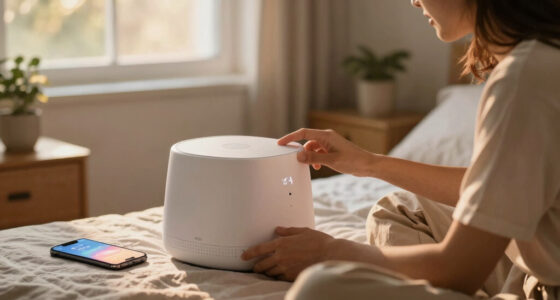
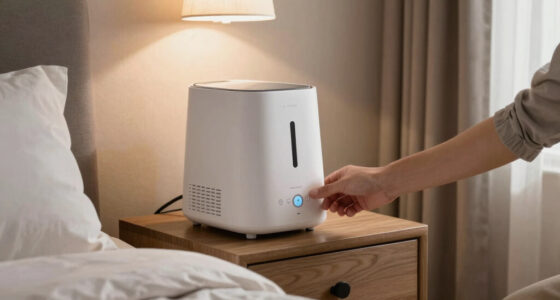
- Choose the right device. Use a dedicated sleep machine or a high-quality app. Fan-based machines produce natural, non-looping sounds that many find soothing. The choice of device impacts how seamlessly the noise blends into your sleep environment, thus influencing its masking effectiveness.
- Volume matters. Keep it in the 40-60 dBA range. This level is generally effective at masking disruptive sounds without causing discomfort or hearing fatigue. Too low, and the alarm remains distinguishable; too high, and it can disturb your sleep cycle or cause long-term hearing issues. Regularly adjusting volume based on your environment and sensitivity ensures optimal masking without adverse effects.
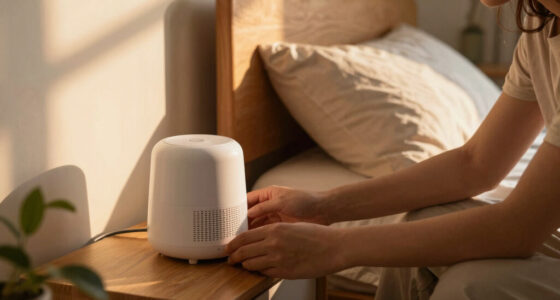
- Placement placement placement. Position the machine between you and the alarm clock, close to your head. Proper placement maximizes the sound’s reach to your ears while minimizing the impact on the rest of the room. Placing it too far away or in a different part of the room lessens its masking potential, making it easier for the alarm to wake you.
- Consistency is key. Play white noise all night, not just when you anticipate the alarm. This consistency helps your brain associate the sound with sleep, leading to habituation. Over time, this association enhances the masking effect, making it easier to sleep through the alarm—though it requires patience and regular use.
- Complement with other tools. Use earplugs or vibration alarms for extra protection. Combining methods addresses different sensory pathways, increasing your chances of staying asleep. For example, if the white noise isn’t enough due to unexpected loudness, earplugs can provide an additional barrier, and vibration alarms can wake you without relying solely on sound.
Why does this matter? Because the setup influences the overall success of masking. Proper device choice, volume, placement, and supplementary tools work together to create a reliable sleep environment that minimizes wake-ups caused by early alarms.
As an affiliate, we earn on qualifying purchases.
Can white noise truly block your partner’s alarm — and what are the limits?
White noise can significantly reduce the startling impact of a loud alarm, but it doesn’t make it inaudible. Typical alarms hit 60–80 dB at the bedside, while white noise machines usually operate around 40–60 dB. This means the alarm can still wake you if it’s particularly loud or close.
Understanding the limits of white noise is important because it influences how you design your sleep environment. For example, if you rely solely on white noise, you might find that very loud or close alarms still wake you, especially if you’re a light sleeper. The noise environment’s dynamic nature—such as sudden changes or unexpected sounds—can also override masking efforts. This underscores why white noise should be part of a broader strategy rather than the sole method.
Research from sleep studies indicates that while steady background sounds create a more stable auditory environment, they cannot compensate for extremely loud or abrupt sounds. Therefore, combining white noise with other tools—like vibration alarms or earplugs—can provide a more comprehensive solution, especially in environments where safety or reliability is critical.
Why does this matter? Because recognizing the limits prevents over-reliance on white noise alone, helping you choose supplementary alarms or environmental modifications that increase your chances of waking up on time without disturbing your partner.
vibration alarm clock for light sleepers
As an affiliate, we earn on qualifying purchases.
As an affiliate, we earn on qualifying purchases.
Smart ways to pair white noise with quieter alarms and gadgets
| Tool | How it works | Best for |
|---|---|---|
| Vibration alarms | Silent haptic alerts on smartwatches or under-pillow shakers | Heavy sleepers, noise-sensitive environments |
| Sunrise clocks | Gradually brightens room, waking you gently | Light sleepers, those who dislike sound alarms |
| Silent alarms (smartwatches) | Vibration-only alerts, no sound | People needing gentle wake-ups without disturbing others |
| Earplugs | Reduce external noise directly at your ear | Sound-sensitive sleepers |
Pairing white noise with these tools enhances your chances of waking up reliably without relying solely on sound masking. For instance, a vibrating alarm on your wrist can wake you even if the white noise isn’t enough to do so. Each tool addresses different aspects of sleep disturbance and wake-up needs, and combining them allows for a more personalized and effective approach.
Experiment with different combinations to find what works best. Every sleep setup is unique, and a little trial and error can lead to more restful mornings and fewer wake-ups caused by unexpected sounds or alarms.
As an affiliate, we earn on qualifying purchases.
What to avoid when using white noise to sleep through an alarm
Using white noise isn’t a free pass to drown out all sounds. Avoid playing it so loud that it risks hearing damage or causes discomfort. Keeping it within safe volume limits is essential, but equally important is ensuring it doesn’t mask critical safety sounds like smoke alarms or emergency signals. If you rely solely on white noise, you risk missing these alerts, which can have serious safety implications.
Additionally, don’t depend exclusively on white noise. If your partner’s alarm is exceptionally loud or close, it can still wake you despite the masking effect. This can lead to frustration and a false sense of security. Habituation is another concern—over time, you might become less responsive to the white noise or find it harder to fall asleep without it, which can interfere with sleep quality or adaptability in different environments.
Finally, choose devices that produce continuous, non-looping sounds. Artificial sounds that repeat perceptibly can become annoying or predictable, diminishing their masking effectiveness and potentially causing awakenings or irritability during the night.
Why does this matter? Because responsible use of white noise involves understanding its limitations and potential risks, ensuring it supports healthy sleep habits without creating new problems or safety hazards.
Will I depend on white noise — and how to avoid sleep reliance issues?
Regular use of white noise can create a sleep association, making it harder to sleep without it later. This isn’t necessarily bad — for many, it helps fall asleep faster and stay asleep longer. However, dependence can become a concern if you find yourself unable to sleep in unfamiliar environments, like hotels or when traveling, where white noise isn’t available.
To prevent over-reliance, consider gradually reducing the volume or frequency of white noise use over time. Practice falling asleep without it occasionally, and explore alternative wake-up methods such as vibration alarms or sunrise clocks. These strategies help maintain your sleep environment’s flexibility, so you’re not overly dependent on a single sensory cue. This approach also encourages your brain to adapt to different sleep settings, reducing potential sleep anxiety or difficulty when white noise isn’t accessible.
Remember: the goal is to support healthy sleep habits and flexibility, not to create a crutch that’s hard to live without. Balancing the benefits of white noise with occasional independence ensures you maintain resilience and adaptability in your sleep routines.
Frequently Asked Questions
Will white noise completely block my partner’s alarm?
White noise can significantly reduce the startling impact of an alarm, but it usually won’t make it inaudible. The effectiveness depends on volume, placement, and the alarm’s loudness. Combining white noise with other tools enhances your chances of sleeping through it.How loud should I set my white noise machine, and is it safe?
Most sleep experts recommend keeping white noise between 40–60 dB. This level masks background sounds without risking hearing damage. Avoid turning it up too loud, especially if you’re sensitive to noise or have hearing concerns.Are pink or brown noise better options than white noise?
Pink and brown noise emphasize lower frequencies, which some find more soothing and effective for deep sleep. A 2017 Northwestern study found pink noise pulses improved slow-wave sleep and memory in older adults. Try different sounds to see what suits your sleep best.Can I sleep through a smoke detector or baby monitor sound with white noise?
White noise can help mask many sounds, but critical alerts like smoke detectors should always be heard. Keep the volume low enough to avoid masking important safety sounds, and consider dedicated alarms or vibration devices for emergencies.Will I become dependent on white noise to sleep?
Regular use may create a sleep association, but it’s manageable. Try reducing volume or using it only part of the night to prevent dependency. Balancing sound masking with flexible routines helps maintain healthy sleep habits.Conclusion
White noise offers a practical way to stay asleep while your partner starts their day early. But it’s not magic — the key is knowing how to set it up properly and combining it with other tools. With a bit of experimenting, you can craft a sleep environment that keeps everyone happy and well-rested.
So, next time that early alarm rings, remember: a steady hiss, a vibration, and a little planning can keep your sleep peaceful — even when mornings are loud.
Labor Day sales Picks
labor day deals
As an affiliate, we earn on qualifying purchases.