
TL;DR

Get wellness gear delivered free with Prime
- Fast, free delivery on millions of items
- Prime Video, Amazon Music and more included
- Member-only deals all year
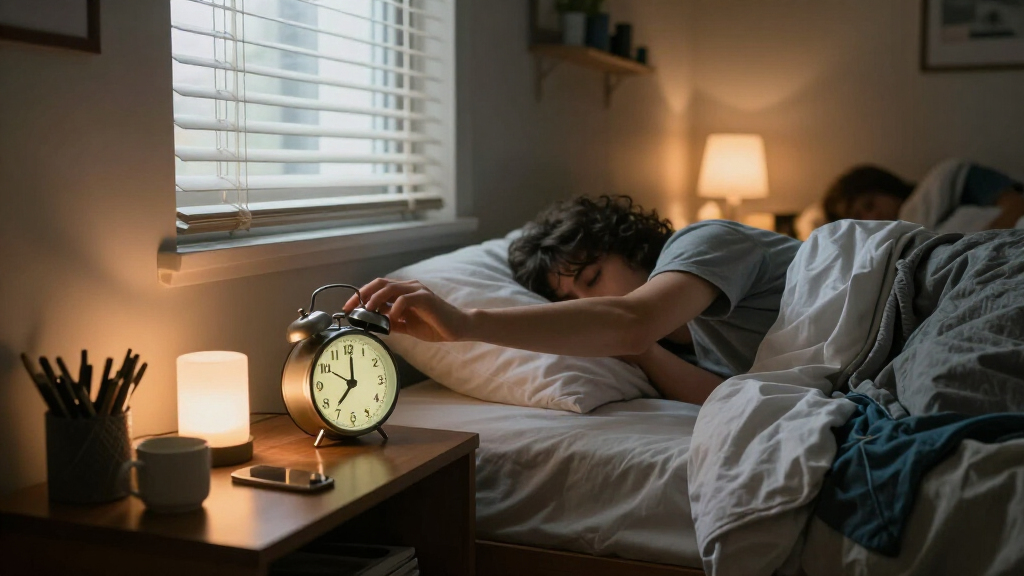
A loud alarm isn’t just personal; in shared apartments, it travels through walls and floors. Good etiquette involves using the lowest effective volume, choosing alternative wake-up methods, and communicating clearly with roommates to avoid disruptions.
Ever wake up to a blaring alarm that feels like it’s echoing through the entire apartment? You’re not alone. In shared living spaces, a loud alarm can be a major source of tension. But waking reliably doesn’t have to mean disrupting everyone else’s sleep.
This guide covers how to keep your mornings smooth, respectful, and peaceful. You’ll learn practical tips and strategies to manage alarm volume, placement, and alternative wake-up methods—all without turning your home into a noisy battleground.
Communicate clearly and early about alarm volume and wake-up needs.
Use alternative methods like vibration or light to wake reliably without disturbing others.
Place alarms away from shared walls and soft furnishings to reduce noise transmission.
Respect quiet hours and local noise rules, especially on weekends.
Address recurring issues with a constructive conversation, not blame or silence.
Shared living field guide · sleep etiquette
Loud Alarm Clock Etiquette in Shared Apartments
A reliable wake-up should not become an apartment-wide alert. The considerate formula is simple: use the lowest effective volume, respond immediately, place the device carefully, and combine sound with private signals such as light or vibration.
Repeated disturbances can reduce mood, concentration, reaction time, and daytime performance.
Repeated snoozing often creates more disruption than a single moderate alarm.
A new tone, vibration, light, or a combined setup may work better than louder sound.
Seven ways to wake without blasting the apartment
Private signals reduce dependence on loud sound. For heavy sleepers, combining two or three gentle methods is usually more considerate than creating a chain of noisy alarms.
Wearable alert
A smartwatch or fitness tracker delivers a close, quiet signal directly to the sleeper.
Bed shaker
An under-mattress or purpose-built bed-shaker alarm can provide strong tactile feedback without filling the room with sound.
Sunrise lamp
Increasing brightness simulates dawn and supports a gentler transition from sleep.
Programmed lights
Schedule bedroom lights to switch on or brighten at wake-up time as a silent visual cue.
Moderate phone alarm
Keep the phone close enough to hear at a lower level, on a stable surface away from shared walls.
Gradual volume
Start softly and increase only if needed. Change the tone if familiarity has made the current alarm ineffective.
Light + vibration + moderate sound
Layering different signals improves reliability without forcing one extremely loud alarm to do all the work. A sunrise lamp paired with wrist vibration is a strong shared-living setup.
One distant backup
Place a single moderate backup away from the bed so you must stand up—without putting it against a shared wall.
The quiet reliability stack: gradual light prepares the body, vibration gets attention, and moderate sound acts as backup. Many alarms a few minutes apart merely transfer the waking problem to everyone else.
Choose the signal with the smallest room impact
Effectiveness depends on the sleeper, but disruption depends heavily on whether the signal travels through air, walls, floors, or furniture.
| Feature | Traditional loud alarm | Vibration alarm | Sunrise lamp | Combined gentle setup |
|---|---|---|---|---|
| Sound level | ✗High and attention-demanding | ✓Silent or very quiet | ✓Silent visual signal | ✓Moderate sound only if needed |
| Heavy-sleeper reliability | ✓Often reliable initially | ~Best when worn or positioned close | ~Gentle and gradual | ✓Multiple distinct cues |
| Roommate impact | ✗Likely to disturb others | ✓Minimal disturbance | ✓Peaceful outside the room | ✓Low when configured carefully |
| Best suited to | Occasional backup use | Shift workers and shared rooms | Light-sensitive sleepers | Heavy sleepers in shared homes |
Relative disruption potential
Qualitative comparison based on how readily each signal reaches other rooms; actual impact varies with building construction, placement, volume, and roommate sensitivity.
Placement can matter as much as volume
Sound travels through air, but vibration also moves through walls, floors, vents, and furniture. A poorly positioned device can turn a moderate alarm into a structural noise source.
A quieter placement sequence
Close, stable, uncovered
Use a padded bedside surface away from shared structures. Keep controls easy to reach so the alarm stops within seconds.
Walls, resonant furniture, bedding
Do not press the device against a shared wall or place it where a table, shelf, or floor can amplify vibration.
Bedding can muffle the speaker, make the alarm less reliable, and trap heat. Use an uncovered surface or a purpose-built wearable or bed-shaker device.
How one alarm becomes a household problem
A loud or familiar tone demands attention.
A hard or hollow surface adds resonance.
Walls, floors, doors, and vents spread noise.
Intermittent sound pulls attention repeatedly.
Mood, focus, and reaction time may decline.
Talk about the pattern, not the person
A rare mistake usually calls for patience. A daily alarm that rings for long periods calls for a specific, collaborative conversation.
A useful conversation script
“Your alarm woke me three times last week. Could we try a quieter setup that still wakes you reliably?”
Lead with observable facts. Mention when the alarm rang, how long it continued, and the practical impact. Avoid labels such as “selfish” or “inconsiderate.”
Share both needs. One person needs to wake on time; the other needs uninterrupted sleep. Treat those as two design requirements, not competing moral claims.
Agree on an experiment. Try different placement, a new tone, wrist vibration, light, or one carefully positioned backup for several mornings.
Quiet hours still matter
Check the lease, house agreement, and local noise rules. An occasional short alarm is usually different from prolonged or repeated noise.
Be especially considerate of weekends, late shifts, early classes, hearing needs, medication effects, and changing remote-work schedules.
Turn off unattended recurring alarms before vacations, overnight stays, or early departures.
How long should an alarm ring?
Only long enough for you to wake and turn it off—ideally seconds, not repeated cycles.
Is using snooze rude?
Occasional snoozing is understandable. Repeated loud snoozes are disruptive; aim for one effective wake-up.
What if I am a very heavy sleeper?
Combine moderate sound, vibration, and light. If serious waking difficulty persists despite sufficient rest, consider professional guidance.
Can roommates request a quieter alarm?
Yes. The practical goal is a compromise that preserves both reliable waking and reasonable quiet.
How to Talk About Alarm Volume Without Starting a Fight
Clear, respectful communication can prevent many conflicts. Start by sharing your needs honestly—say, “I need my alarm at a certain volume to wake up, but I’ll try to keep it as quiet as possible.”
Set a time for a quick chat about schedules and sensitivities. For example, if your roommate works late shifts or has early classes, acknowledge that openly. Mutual understanding helps everyone feel respected.
Example: When you discuss, focus on the impact—”Your alarm woke me three times last week, and I’d appreciate if we could find a quieter solution.”
As an affiliate, we earn on qualifying purchases.
7 Ways to Wake Up Without Blasting Your Roommate’s Ears
- Vibration alarms: Use a bed-shaker pad or a smartwatch with a vibrating alert. These wake you quietly but effectively.
- Sunrise lamps: Gradually brighten your room to simulate dawn, easing you awake naturally.
- Smart lights: Set them to turn on at your wake-up time, providing a gentle visual cue.
- Placement matters: Keep your alarm device away from shared walls, on a padded bedside table, or on a soft surface to reduce sound travel.
- Multiple signals: Combine light, vibration, and a moderate sound for a gentle yet reliable wake-up.
As an affiliate, we earn on qualifying purchases.
Compare Common Alarm Types for Shared Living
| Feature | Traditional Loud Alarm | Vibration Alarm | Sunrise Lamp |
|---|---|---|---|
| Sound Level | High, potentially disruptive | Silent or very quiet | Silent, visual only |
| Effectiveness | Very reliable for heavy sleepers | Effective if worn or placed close | Gradual wake-up, gentle |
| Room Impact | Likely to disturb others | Minimal disturbance | None, peaceful mornings |
bedroom alarm clock with adjustable volume
As an affiliate, we earn on qualifying purchases.
As an affiliate, we earn on qualifying purchases.
Why Placement of Your Alarm Matters More Than Volume
Placing your alarm device carefully can significantly cut down noise pollution. Keep your alarm away from shared walls, under a pillow, or on furniture that amplifies vibrations. Positioning it close to your body allows you to use a lower volume to wake up reliably.
Why does placement matter? Because sound and vibrations travel through surfaces—walls, floors, and furniture. An alarm placed directly against a shared wall or under a soft pillow can amplify the noise, making it disruptive even at lower volumes. Conversely, strategic placement near your body or on a padded surface reduces transmission, allowing you to wake with less noise. This not only respects your roommates’ sleep but also encourages you to be more mindful of your own wake-up habits. The tradeoff is that you might need to experiment with placement to find what reliably wakes you without disturbing others.
silent alarm clock for shared apartments
As an affiliate, we earn on qualifying purchases.
As an affiliate, we earn on qualifying purchases.
What Quiet Hours and House Rules Say About Alarm Noise
Many apartments have quiet hours—usually from 10 pm to 7 am. Even if your lease doesn’t specify, local noise ordinances may limit loud sounds at night. An occasional alarm is fine, but long, loud, or repeated rings can violate these rules.
For instance, if your alarm rings for 10 minutes every morning at 6 am, it can wake your roommate and break local noise policies. Respectful practice means setting alarms that wake you quickly and turn off promptly.
Understanding why these rules exist is key. They are in place to ensure everyone can rest without being disturbed by loud or prolonged noises, which can affect health and well-being. The tradeoff involves balancing your need to wake up reliably with respecting shared norms—using shorter, less disruptive alarms or setting them to vibrate or light first can help you comply while still waking on time.
How to Handle Different Wake-Up Needs Respectfully
Heavy sleepers, shift workers, or those with hearing issues need special consideration. For example, a roommate who works night shifts might need a vibrating alarm or a bright sunrise lamp. Meanwhile, someone with hearing loss benefits from visual cues or bed-shakers.
It’s fair to discuss these needs openly. For instance, a shift worker can set a vibrating alarm on their wrist, so it doesn’t disturb anyone else, while a heavy sleeper might need a backup device placed far away from shared walls. Recognizing and accommodating these differences helps prevent conflicts and ensures everyone can wake up effectively without imposing on others. The tradeoff is that such accommodations may require additional investment or adjustments, but they foster a more inclusive and respectful living environment.
Quick Tips for a Peaceful Morning Routine
- Set your alarm at the lowest volume that still wakes you.
- Use a combination of light, vibration, and moderate sound.
- Place your alarm device away from shared walls or furniture that amplifies sound.
- Communicate your wake-up needs clearly to roommates.
- Designate quiet hours and respect them.
When Repeated Alarm Failures Require a Conversation
If your alarm consistently fails to wake you, or if your roommate often has to wake you, it’s time for a chat. Focus on observable facts—”Your alarm rang for 20 minutes and woke me three times”—rather than blame. Collaborate on a better plan, like trying a different alarm type or adjusting placement.
For example, if you’re a deep sleeper, you might need a vibrating alarm or a backup device. Open dialogue helps prevent frustration and keeps shared living peaceful. The key is understanding that different sleep needs and alarm effectiveness may require adjustments, and addressing these collaboratively ensures everyone’s needs are met without resentment.
Frequently Asked Questions
How long should I let my alarm ring before turning it off?
Only long enough to wake you up and turn it off—usually seconds. Letting it ring through multiple cycles can disturb your roommates unnecessarily.
Is using the snooze button rude in a shared apartment?
Occasional snoozing is understandable. But repeatedly hitting snooze with loud alarms can be disruptive. Try to set your alarm to wake you once, then get up promptly.
What if I’m a very heavy sleeper?
Combine moderate sound, vibration, and light-based alarms. Position your device strategically, and consider seeking professional advice if sleep difficulties persist despite enough rest.
Can my roommates ask me to stop using alarms?
Yes, they can request less disruptive alarm behavior. The goal is to find a compromise that keeps you waking reliably without disturbing others.
Where should I place my alarm for the least disturbance?
Keep it away from shared walls, under soft padding, and close enough to wake you at a moderate volume. Proper placement reduces noise travel and vibration.
Conclusion
Good alarm etiquette in shared apartments is about balance. Keep wake-up methods effective but gentle. Respect your roommates’ sleep, and everyone wakes up happier.
Remember, a peaceful morning starts with a simple conversation—and thoughtful placement. Your quiet, considerate routine might just set the tone for a more harmonious home.
Evergreen bestsellers Picks
bestsellers
As an affiliate, we earn on qualifying purchases.