
TL;DR

Get wellness gear delivered free with Prime
- Fast, free delivery on millions of items
- Prime Video, Amazon Music and more included
- Member-only deals all year
Deep sleepers often struggle with standard alarms because their brain resists external stimuli during deep sleep. Combining multiple alarm types—sound, vibration, and light—raises your chances of waking up. Smart devices and strategic routines further boost reliability.
Waking up can feel like trying to rouse a bear from hibernation—especially if you’re a very deep sleeper. Standard alarms often fade into the background, leaving you snoozing through your morning. If mornings are a constant battle, it’s time to rethink your wake-up game.
This guide reveals proven multi-alarm strategies that increase your chances of waking up on time. From sound and vibration to light and environment tweaks, you’ll learn how to craft a wake-up system that works for you—no matter how deep your sleep.
Multi-Alarm Strategies for Very Deep Sleepers
When one alarm becomes background noise, build a layered signal. Sound, vibration, light, smart timing, and intentional placement can work together to break through deep-sleep resistance—without turning every morning into an emergency.
The deep-sleep barrier
Slow-wave sleep supports tissue repair, memory consolidation, and energy restoration. During this stage, the brain raises its arousal threshold and dampens responsiveness to outside stimuli. A familiar alarm can feel like a whisper in a storm.
Higher threshold
The sleeping brain actively filters external input to protect restorative processes. A single, gentle cue may never cross that threshold.
Deepest early on
Deep sleep typically concentrates in the first third of the night. Irregular schedules can place an alarm closer to a hard-to-exit stage.
Sleep inertia
Grogginess can continue for several minutes after awakening, weakening judgment and making an automatic return to bed more likely.
Three alarms that work better together
Each alarm targets a different pathway. Layer them in a progressive sequence: prepare the body with light, add sound, then use tactile stimulation as the final backstop.
Progressive sound
A rising-volume alarm increases salience without beginning with a startling jolt. Place it across the room so silencing it requires movement.
Direct vibration
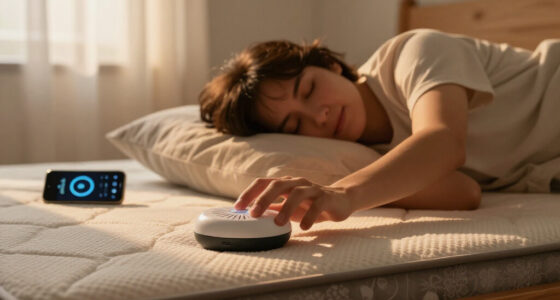
A wrist wearable, bed shaker, or under-pillow device bypasses reliance on hearing and applies a physical cue directly to the body.
Sunrise light
Gradually brightening light mimics dawn and supports circadian wake signals, preparing the body before louder alarms begin.
Choose your alarm mix
The best combination depends on what you already sleep through, how gently you prefer to wake, and whether noise could disturb another person.
| Alarm setup | Deep-sleep effectiveness | Best for | Tradeoff | Verdict |
|---|---|---|---|---|
| Loud sound | Heavy sleepers needing a quick jolt | Can increase stress or disturb others | ✓ Strong backup | |
| Vibration | Sound-resistant or hard-of-hearing sleepers | Placement and intensity matter | ~ Best paired | |
| Sunrise light | People who prefer gradual waking | Less effective as a solo cue for some | ✓ Gentle lead-in | |
| Combined system | Very deep sleepers needing redundancy | Requires testing and calibration | ✓ Best overall |
Your wake-up command center
Build progressively, then adjust the minimum amount needed for consistent results. Reliability comes from distinct cues and deliberate placement—not simply maximum volume.
Choose the stack
Pick one progressive sound alarm, one vibration device, and one bright light source.
Create movement
Put sound across the room, vibration on the body or bed, and light near the bed or window.
Stagger the cues
Schedule stages three to five minutes apart so intensity builds instead of arriving all at once.
Test and tweak
Run the system for several mornings, then adjust volume, vibration, brightness, and timing.
Wake during a lighter sleep stage
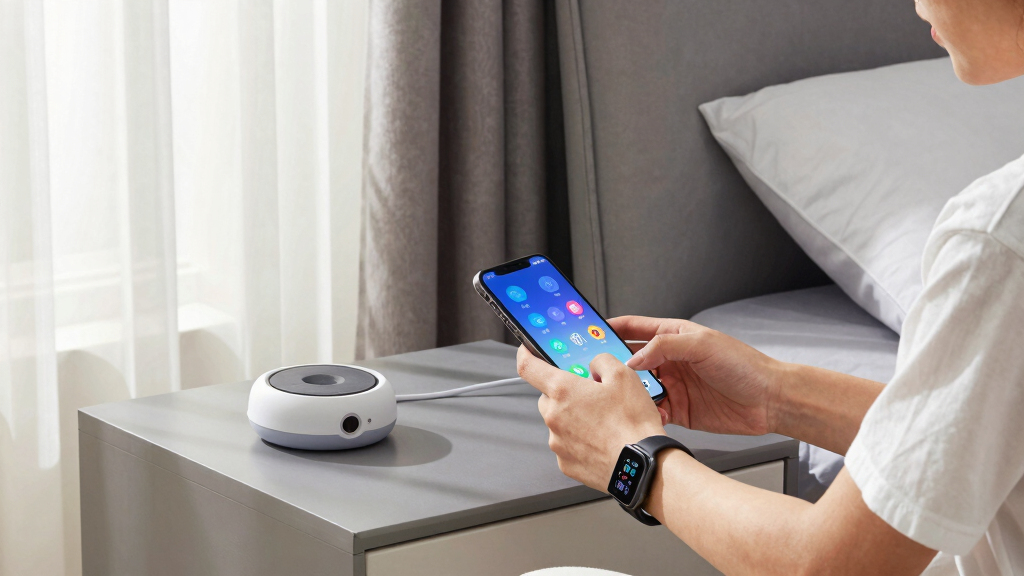
Sleep-stage alarms use movement, heart-rate, or related sensor data to estimate when sleep is lighter. Within a defined wake window, the device can shift the alarm away from a deep-sleep moment.
This can reduce the disorientation associated with abruptly leaving slow-wave sleep. The tradeoff: consumer devices estimate sleep stages and require consistent wear, calibration, and a firm latest-wake deadline.
Make the room join the system
Small environmental changes turn isolated alarms into a coordinated wake routine. Repetition teaches the brain that these cues mean the day has started.
Force upright movement
Keep the main sound alarm far enough away that you must stand and walk to switch it off.
Flood the room with light
Pair a sunrise lamp with timed curtains or immediate exposure to bright morning light.
Remove the snooze loop
Require a simple action away from bed, then move directly into a prepared first task.
Stabilize sleep timing
Keep bedtime and wake time consistent so the body learns when to reduce sleep depth naturally.
From sleeping brain to reliable morning
A reliable system should wake you—not punish you.
Excessive volume can cause stress, disturb others, and potentially affect hearing. Use the lowest effective intensity, favor progressive cues, and investigate persistent difficulty waking, extreme daytime sleepiness, or suspected sleep disorders with a qualified healthcare professional.
Why Deep Sleep Makes Waking Up So Hard (And How Multi-Alarm Strategies Help)
Deep sleep, or slow-wave sleep, is the sleep stage where your body does its heavy lifting—repairing tissues, consolidating memories, and restoring energy. But it also makes you less responsive to external cues. That’s why your standard alarm often feels like a whisper in a storm.
Multi-alarm strategies work by delivering different types of stimuli simultaneously or in quick succession, breaking through that resistance. Think of it as shaking a snow globe with multiple hands—more chances for the snow to fall and wake you up.
For example, setting a loud alarm, a vibrating wristband, and a sunrise light can create a layered wake-up call that’s harder for your brain to ignore.
Understanding why deep sleep creates this resistance is crucial. During deep sleep, your brain’s arousal thresholds are heightened; it filters out external stimuli to preserve restorative processes. Therefore, a single, gentle alarm often isn’t enough to surpass this threshold. Multi-sensory alarms help by engaging multiple pathways—auditory, tactile, and visual—overcoming this natural resistance. This layered approach essentially ‘jams’ your brain awake, increasing the likelihood of a successful morning wake-up.
As an affiliate, we earn on qualifying purchases.
3 Types of Alarms That Beat Deep Sleep (And Why They Work Better Together)
Deep sleepers often need more than just a loud sound. Combining different alarm types taps into various sensory pathways, making it harder for your brain to stay asleep.
Here are three effective alarm types:
- Loud or Progressive Volume Alarms: Gradually increase volume to gently wake you, reducing shock and stress. This method minimizes sudden awakenings that can cause panic or disorientation, making the transition from sleep smoother.
- Vibrating Alarms: Worn on your wrist or placed under your pillow, vibrations stimulate your skin directly. This tactile input is especially effective if you’re a heavy sleeper or resistant to sound-based alarms, as it bypasses auditory processing and directly triggers arousal mechanisms.
- Light-Based Alarms: Simulate sunrise with bright LEDs or natural light, signaling your body it’s time to wake up. Light has a powerful influence on circadian rhythms and can gradually prepare your body for wakefulness, reducing grogginess.
Using these together creates a layered effect, increasing the likelihood you’ll rouse from deep sleep. For instance, a device that starts with soft light, then ramps up volume and vibrates if needed, mimics natural waking cues and caters to multiple sensory channels—maximizing your chances of waking up reliably.
However, there are tradeoffs. Overly aggressive alarms can cause stress or disrupt sleep cycles if not carefully calibrated. The key is finding a balance that reliably awakens you without causing undue disturbance, which may require some experimentation and adjustments over time.
vibration and light alarm for deep sleepers
As an affiliate, we earn on qualifying purchases.
As an affiliate, we earn on qualifying purchases.
Compare Common Multi-Alarm Setups: Which One Is Best for You?
| Alarm Type | Effectiveness for Deep Sleep | Best For |
|---|---|---|
| Loud alarms | High, but can cause stress | Heavy sleepers needing a quick jolt |
| Vibration alarms | Moderate, good for sensitive hearing | Hard-of-hearing or very deep sleepers |
| Light alarms | High, mimics natural cues | Those who prefer gentle waking |
| Combined systems | Very high | Deep sleepers who need extra help |
Choosing the right combo depends on your sleep habits and personal preferences. For example, if you’re a heavy sleeper who tends to sleep through loud noises, pairing a vibrating pillow with a sunrise alarm can significantly improve your chances of waking. Conversely, if you’re sensitive to noise but respond well to visual cues, a combination of light and vibration might be more effective. Recognizing the tradeoffs—such as potential sleep disruption or alarm fatigue—is essential for customizing your wake-up routine to be both effective and sustainable.
Experimenting with different combinations helps identify what truly triggers your wakefulness without causing unnecessary stress or sleep fragmentation. The goal is a reliable system that gently yet effectively rouses you, setting a positive tone for the day ahead.
smart wake-up light with sound and vibration
As an affiliate, we earn on qualifying purchases.
As an affiliate, we earn on qualifying purchases.
How to Set Up Your Multi-Alarm System in 4 Simple Steps
- Choose your alarms: Pick a loud alarm, vibrating device, and light source.
- Place alarms strategically: Put the loud alarm across the room to force movement, the vibration device on your wrist for tactile stimulation, and the light near your window or ceiling to simulate sunrise.
- Set staggered times: Schedule alarms 3-5 minutes apart to build a progressive wake-up sequence, increasing the chances of breaking through deep sleep resistance.
- Test and tweak: Try your setup for a few mornings. Adjust volume, vibration strength, or light brightness until you wake reliably without causing unnecessary stress or sleep disruption.
This step-by-step process transforms your sleep environment into a tailored wake-up command center, aligning with your deep sleep patterns and maximizing your chances of waking up on time.
As an affiliate, we earn on qualifying purchases.
Smart Tech: Using Sleep-Stage Monitoring to Wake You at the Right Moment
Smart alarms that track your sleep stages can significantly enhance waking reliability by targeting lighter sleep phases. These devices use sensors to monitor your movements, heart rate, or brain activity, identifying when your body is in REM or light non-REM sleep. Waking during these stages reduces sleep inertia—the grogginess and disorientation that often follow abrupt awakenings from deep sleep.
For instance, a wearable might detect that you’re in a deep sleep cycle at 4:30 am and delay the alarm until 4:45 am when your sleep is lighter. This timing makes waking easier and less stressful, especially for those who struggle with grogginess or sleep inertia. The tradeoff is that these devices require consistent use and proper calibration to accurately detect sleep stages, but when used correctly, they can make mornings smoother and more predictable.
According to research, waking during lighter sleep stages can reduce sleep inertia by up to 50%, leading to increased alertness and better mood upon waking. This targeted approach is especially beneficial for deep sleepers who find it difficult to wake naturally or with traditional alarms.
Environmental Hacks to Make Your Wake-Up Routine More Effective
Sometimes, the environment around you can tip the scales in favor of waking up. Bright light, strategic placement of alarms, and consistent routines reinforce your wake-up signals, making your efforts more effective over time. Natural light is a powerful cue; sleeping with blackout curtains and then opening them at alarm time floods your room with sunlight, signaling your brain that it’s time to wake. This leverages your circadian rhythm to facilitate an easier transition from sleep to wakefulness.
Placing your alarm across the room ensures you must get out of bed to turn it off, which increases physical activity—a key factor in overcoming sleep inertia. Additionally, maintaining a consistent sleep schedule trains your biological clock, making your body more responsive to your alarms over time. These environmental cues, when combined with multi-sensory alarms, create a robust wake-up routine that adapts to your sleep needs and reduces morning resistance.
While these hacks are simple, they tap into your body’s natural rhythms and behavioral patterns, making waking less of a chore and more of a physiological cue.
Key Takeaways for Waking Up When You’re a Deep Sleeper
- Use multiple alarm types: Combine sound, vibration, and light for best results. This multi-pronged approach engages different sensory pathways, increasing the likelihood of overcoming sleep resistance.
- Place alarms strategically: Position alarms across the room, on your body, and near your window to promote movement and sensory stimulation, which are critical for breaking through deep sleep barriers.
- Adjust timing and volume: Stagger alarms every few minutes and gradually increase volume to build a progressive wake-up sequence that aligns with your sleep cycles.
- Leverage technology: Sleep-stage monitoring devices can target lighter sleep phases, making waking less abrupt and more natural.
- Optimize your environment: Brighten your room with natural light and stick to consistent routines to reinforce your wake-up signals and train your internal clock.
Implementing these strategies creates a comprehensive, personalized wake-up system that addresses the unique challenges of deep sleep, helping you start your day more reliably and with less stress.
Frequently Asked Questions
What is the most effective type of alarm for very deep sleepers?
A combination of multi-sensory alarms—such as sound, vibration, and light—works best because it engages multiple senses, increasing the chance of waking even the deepest sleepers.Can sleep tracking devices really help me wake up more easily?
Yes, devices that monitor your sleep stages can time your alarm to go off during lighter sleep phases, making waking less jarring and more reliable. They help you wake up when your brain is most receptive.How many alarms should I set to wake up reliably?
Typically, setting 2-3 alarms spaced 3-5 minutes apart provides the best chance of waking deep sleepers. Adjust based on your sleep patterns and response.Are natural light alarms better than loud alarms?
Many find sunrise simulators more effective because they mimic natural cues, gradually awakening your body without startling you, especially for those who respond well to gentle cues.What’s the biggest mistake deep sleepers make with alarms?
Relying on a single alarm—especially just sound—often isn’t enough. Combining multiple stimuli and strategic placement is key to waking reliably.Conclusion
If you’re a very deep sleeper, waking up requires more than just hope. By layering alarms—sound, vibration, and light—you turn your wake-up into a multi-sensory event your brain can’t ignore. Think of it as turning your bedroom into a wake-up command center.
Remember, consistency and environment matter just as much as the alarms themselves. With a little setup and some trial and error, mornings can become smoother and less stressful. Wake up ready to face the day—your perfect alarm system is within reach.
Fall Picks
fall essentials
As an affiliate, we earn on qualifying purchases.