
TL;DR

Get wellness gear delivered free — and shop member deals
- Fast, free delivery on millions of items
- Access to Prime Big Deal Days deals on October 6–7
- Prime Video, Amazon Music and more included
Seasonal changes affect sleep due to shifts in daylight, temperature, and mood. Making simple adjustments—like managing light and temperature—helps maintain healthy sleep habits all year long.
Ever notice how your sleep feels different in winter versus summer? Maybe you sleep longer in the darker months or find it harder to wake early in winter mornings. These shifts aren’t just in your head—they’re driven by natural changes in light, temperature, and activity patterns.
Understanding how seasons influence your sleep can help you adapt routines smoothly. You don’t need drastic changes—small tweaks can keep your circadian rhythm steady, helping you feel rested and balanced all year.
Light exposure is the strongest cue for your circadian rhythm—manage it seasonally with outdoor walks or bright indoor lights.
Sleep needs stay consistent year-round; perceived changes often result from environmental and mood factors.
Gradual adjustments before clock changes help prevent sleep disruption and grogginess.
Maintaining a cool, comfortable bedroom supports natural temperature drops that aid sleep.
Consistency in wake time and routines anchors your sleep, even amid seasonal shifts.
Seasonal Sleep Shifts: Adjusting Routines Through the Year
Daylight, temperature, activity, and mood change with the calendar. Your sleep routine can change too—without losing the stable rhythm that helps you feel alert by day and ready for rest at night.
The general nightly range remains stable throughout the year.
Shift routines gradually each day before a time change.
About 18°C supports the body’s natural cooling process.
Outdoor daylight can be far brighter than ordinary indoor light.
Six seasonal forces
Sleep need rarely transforms with the weather, but the signals surrounding sleep do. Small shifts in those signals can change when you feel alert, when you become sleepy, and how easily you stay asleep.
Daylight
Morning light advances alertness. Bright evening light can delay melatonin and push sleep later.
Temperature
Summer heat can fragment sleep, while excessive winter heating can make rooms warm and dry.
Clock changes
Spring removes an hour for many sleepers; autumn may trigger unusually early waking.
Activity
Lower winter activity and longer summer evenings can alter sleep pressure and timing.
Mood
Shorter days may lower energy and mood, creating a cycle of fatigue, withdrawal, and oversleeping.
Consistency
A stable wake time keeps the body clock oriented when seasonal cues become less predictable.
Why a morning walk has outsized impact
Relative illustration of the daylight advantage: even cloudy outdoor conditions can provide a much stronger timing signal than ordinary room lighting.
Seasonal feelings are not always seasonal requirements
Someone might sleep 8.5 hours in December and 7.5 hours in July. That difference may reflect light exposure, heat, mood, travel, or social activity—not a one-hour change in biological sleep need.
Most adults still need a consistent nightly range.
Use daytime alertness and functioning—not season alone—to judge whether your sleep is sufficient.
Illustrative seasonal pattern
Reported duration can move while underlying sleep need remains comparatively stable.
| Seasonal signal | Likely effect | Best response | Common mistake |
|---|---|---|---|
| Dark winter mornings | ~Later waking and sluggishness | ✓Seek bright light soon after waking | ✗Staying in bed much longer |
| Late summer sunsets | ~Delayed evening sleepiness | ✓Dim lights before bedtime | ✗Bright screens late at night |
| Hot nights | ~More waking and lighter sleep | ✓Ventilation and breathable bedding | ✗Heavy, heat-trapping layers |
| Spring clock change | ~Short-term sleep loss | ✓Advance routines gradually | ✗Waiting until the final night |
| Weekend lie-in | ~Monday “social jet lag” | ✓Protect a regular wake time | ✗Shifting by several hours |
Move the routine before the clock moves
Prepare over several days. Shift sleep, meals, activity, and light cues together so the body receives one coherent message instead of several competing ones.
Start several days early
Do not leave the full one-hour adjustment to a single night.
Shift by 15–30 minutes
Move bedtime, wake time, meals, and exercise in the needed direction.
Time the light
Use morning light to support an earlier schedule and dim evenings to protect sleepiness.
Hold the wake time
Avoid excessive sleeping-in after the change, even if bedtime varies slightly.
Usually creates the sharper disruption because an hour is effectively removed from the night. Expect brief grogginess, protect sleep opportunity, and be cautious with tasks requiring high alertness.
Change the environment, preserve the anchor
The best seasonal routine is flexible around comfort and light exposure, but dependable around wake time, meals, movement, and the final wind-down period.
Build a brighter day
Counter short days with deliberate morning light, activity, and social connection.
- Go outdoors soon after waking whenever possible.
- Use bright indoor lighting during the morning and daytime.
- Keep the same wake time on weekdays and weekends.
- Stay physically active and socially connected.
- Dim lights during the final one to two hours before bed.
- Layer bedding so warmth can be adjusted easily.
Build a cooler night
Manage early sun, long evenings, heat, travel, and later social schedules.
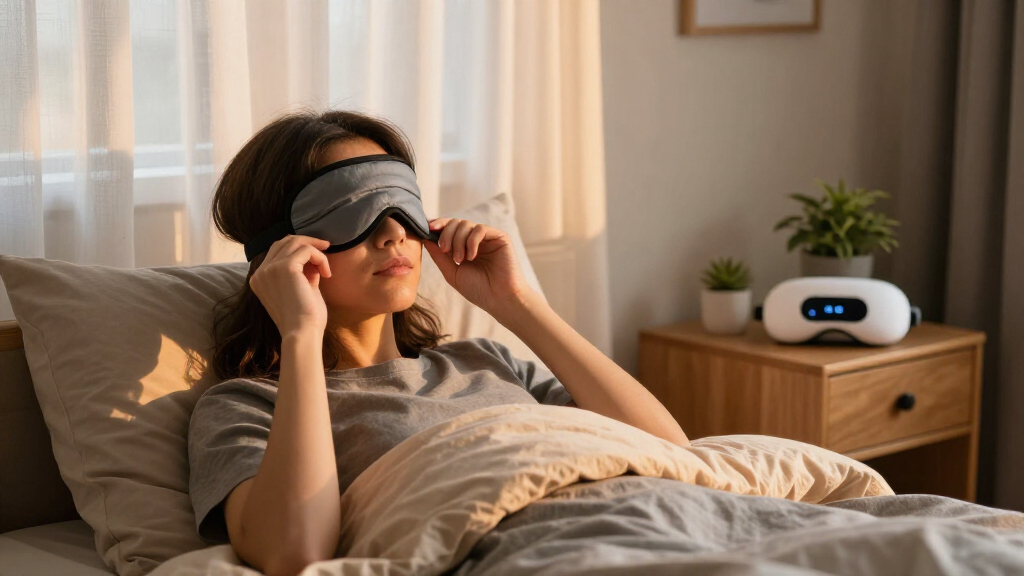
- Use blackout curtains or an eye mask for early sunrise.
- Ventilate the room and choose breathable bedding.
- Keep morning light exposure in the daily routine.
- Reduce bright evening light as bedtime approaches.
- Maintain wake time despite events and travel.
- Plan for late nights instead of letting them accumulate.
Some body clocks need extra support
Latitude, age, work patterns, caregiving, and health conditions change how strongly seasonal cues affect sleep. The routine should fit the person, not the other way around.
Teenagers
Naturally later body clocks can make dark winter mornings especially difficult.
Shift workers
Work schedules already conflict with natural light-dark cues, increasing the need for deliberate light timing.
Older adults
Earlier waking and fragmented sleep may become more noticeable as seasonal light changes.
Parents
Children’s schedules, early waking, and changing daylight can reduce flexibility and sleep opportunity.
High-latitude residents
Extreme seasonal daylight variation creates stronger timing challenges across the year.
Higher-risk sleepers
Insomnia, depression, bipolar disorder, and circadian disorders warrant individualized professional guidance.
Adjust gently. Anchor consistently.
You do not need an identical routine in every season. Preserve the signals that organize the body clock, then adapt comfort, light, and bedtime around them.
How Light Controls Your Sleep: Keep Your Body Clock on Track Year-Round
Light is the strongest cue for your internal clock. Morning sunlight signals your body to wake up earlier and boosts alertness, while evening light—especially from screens—can delay melatonin production, making it harder to fall asleep.
In winter, limited sunlight can cause you to wake later and feel sluggish. Summer’s early dawn might wake you before your alarm, while long, late sunsets can push your bedtime later. Outdoor daylight is often 10 times brighter than indoor lighting, making it a powerful tool for managing your sleep timing.
For example, a person living at 40° latitude might notice they’re waking later in winter because of fewer morning light hours. Using outdoor walks or bright indoor lights in the morning can help reset their clock.
light therapy lamp for seasonal affective disorder
As an affiliate, we earn on qualifying purchases.
As an affiliate, we earn on qualifying purchases.
Does Your Sleep Need Change with the Seasons? Here’s What the Data Says
Many people feel they sleep more in winter or less in summer. But the truth is, adults generally need about **7 to 9 hours** of sleep throughout the year. Feeling sleepier in winter often comes from less sunlight, lower activity, or mood changes, not a real increase in sleep need.
For instance, a person might sleep 8.5 hours in December but only 7.5 hours in July. Their body’s requirement stays the same, but environmental and psychological factors influence perceived sleep needs.
It’s helpful to listen to your body’s cues—if you feel more tired in winter, consider lighter evening routines or more outdoor light during the day.
As an affiliate, we earn on qualifying purchases.
Clock Changes and Your Sleep: How to Minimize Disruption
Springing forward or falling back on daylight saving time instantly shifts your schedule. Moving clocks forward by an hour in spring often causes short-term sleep loss and grogginess. Fall’s change is usually easier but can still disturb your routine.
To stay steady, shift your sleep and routines gradually—15 to 30 minutes each day for several days before the change. For example, go to bed and wake up slightly earlier each night in spring to prepare for the time shift.
Use morning light to help your body adapt faster, and avoid sleeping in excessively after the change to prevent confusing your internal clock.
As an affiliate, we earn on qualifying purchases.
Why Temperature Matters: Keep Your Sleep Cozy and Cool
Your core temperature drops naturally before you fall asleep, so a cool bedroom supports this process. High summer temperatures can make it hard to stay asleep, while winter heating can dry out the air.
For example, a bedroom kept at around **65°F (18°C)** with good ventilation helps most people sleep better. Use breathable bedding, a fan, or blackout curtains to regulate the room’s climate.
In winter, layering your bedding and wearing comfortable, season-appropriate pajamas can prevent waking from overheating. In summer, a cooling mattress pad or a window fan can make a big difference.
As an affiliate, we earn on qualifying purchases.
Stick to a Routine: Why Consistency Beats Rigid Schedules
Keeping your wake time consistent is one of the best ways to anchor your circadian rhythm. Even if your bedtime varies slightly, waking up at the same time helps your body stay synchronized.
For example, waking at 6:30 am every day—even on weekends—sets a stable rhythm. Large weekend sleep-ins or sudden schedule changes can send your internal clock into confusion, causing grogginess and sleep difficulty during the week.
Focus on maintaining a regular wake time, meal schedule, and exercise routine, adjusting your bedtime slightly as needed for seasonal shifts.
Mood and Sleep: How Seasonal Changes Impact Your Feelings
Shorter days in winter can lead to lower mood, decreased energy, and even mild depression. These mood shifts can make sleep problems worse, creating a cycle of fatigue and low spirits.
For example, someone might oversleep or feel unmotivated to be active, which then worsens their mood. Seasonal affective disorder (SAD) is a real condition that involves persistent low mood, loss of interest, and sleep disturbances.
Getting outside in natural light, staying socially connected, and maintaining a routine can help stabilize mood and support healthy sleep during darker months.
Special Challenges for Different Groups: Who Needs Extra Care?
Some groups face unique seasonal sleep challenges. Teenagers often have later body clocks, making winter mornings especially tough. Shift workers struggle with conflicting light cues year-round. Older adults may wake earlier and experience fragmented sleep, especially in winter.
For example, a teenager might find it hard to wake in winter because of later sunsets. An older person might wake up too early during the dark, cold months.
Being mindful of these differences means customizing routines—like using bright lights, adjusting sleep times, or managing bedroom temperature—to support better sleep for everyone.
Practical Tips for Autumn and Winter: Stay Rested When Days Are Short
In autumn and winter, the goal is to maximize natural light exposure and maintain a steady routine. Start your day with outdoor activity or bright indoor lights soon after waking. Keep a consistent wake time, even on weekends, to anchor your circadian rhythm.
Stay active and social, which boosts mood and sleep quality. Use bright lighting during the day and dim lights in the evening to signal your body it’s time to wind down. Avoid staying in bed longer just because mornings are darker—this can throw off your schedule.
If you experience persistent low mood or fatigue, discuss light therapy options with a healthcare professional.
Spring and Summer Sleep Tips: Keep Your Routine Cool and Calm
As days get longer and warmer, focus on keeping your bedroom cool, dark, and well-ventilated. Use blackout curtains or an eye mask if early sun wakes you. Maintain a regular sleep schedule, even with social events or travel.
Get outdoor morning light to help your body adjust, but limit bright light exposure in the evening. Planning ahead for disruptions—like festivals or daylight hours—helps keep your sleep stable.
Sticking to these habits can prevent late-night delays caused by extended evenings or social outings.
Handling Clock Changes Without Losing Your Sleep Edge
Preparing for the clock change several days in advance minimizes sleep disruption. Shift your bedtime and wake time gradually—about 15 minutes earlier or later each day. Align meal and activity times with your new schedule to help your body adapt.
Use morning light to reset your internal clock after springing forward. Avoid sleeping in excessively after the change—this can delay your adjustment and cause grogginess.
Being cautious during the first few days, especially if you drive or work in safety-sensitive roles, ensures safety and reduces fatigue.
Frequently Asked Questions
Do people naturally need more sleep in winter?
Some feel sleepier or sleep slightly longer in winter due to less daylight and lower activity, but research shows adults generally need about the same **7 to 9 hours** year-round. Environmental and mood factors often explain perceived differences more than actual sleep needs.
Why am I exhausted after the clocks change?
The clock change shifts your schedule instantly, but your internal clock takes days or even weeks to fully adjust. During spring, you may experience sleep loss or grogginess if you don’t gradually shift your bedtime and routines beforehand.
How long does it take to adapt to seasonal changes?
Most people adapt within a few days to a week, but some—like children, older adults, or shift workers—may need longer. Consistent routines and light management can speed up this process.
Should I change my bedtime with the sunset?
Not necessarily. Modern schedules rarely align perfectly with sunset times. It’s better to keep a consistent bedtime and manage morning and evening light to support your rhythm.
Can a sunrise alarm replace outdoor light?
Sunrise alarms can make waking easier, especially in winter, but they usually don’t match the intensity of natural outdoor daylight. They’re best used as a supplement, not a replacement.
Conclusion
Seasons will always bring subtle shifts in your sleep patterns. By tuning into how light, temperature, and mood change, you can make small, mindful adjustments that keep your sleep steady and restorative.
Think of your sleep routine as a gentle sail—responsive to the wind of the seasons, but always guided by your steady hand. With simple steps, you can stay rested and balanced, no matter the time of year.
Evergreen bestsellers Picks
bestsellers
As an affiliate, we earn on qualifying purchases.