
TL;DR
Waking before your alarm is common: a steady schedule can make your body anticipate morning, while stress, sleep timing, light, noise, temperature, caffeine, alcohol, or health changes can also interrupt sleep. An occasional early wake-up does not prove you have had enough sleep or point to a specific condition; pay attention to how often it happens, whether you can fall back asleep, and how you feel during the day. A regular wake time, a calm and comfortable bedroom, and a brief sleep diary can help you spot patterns.
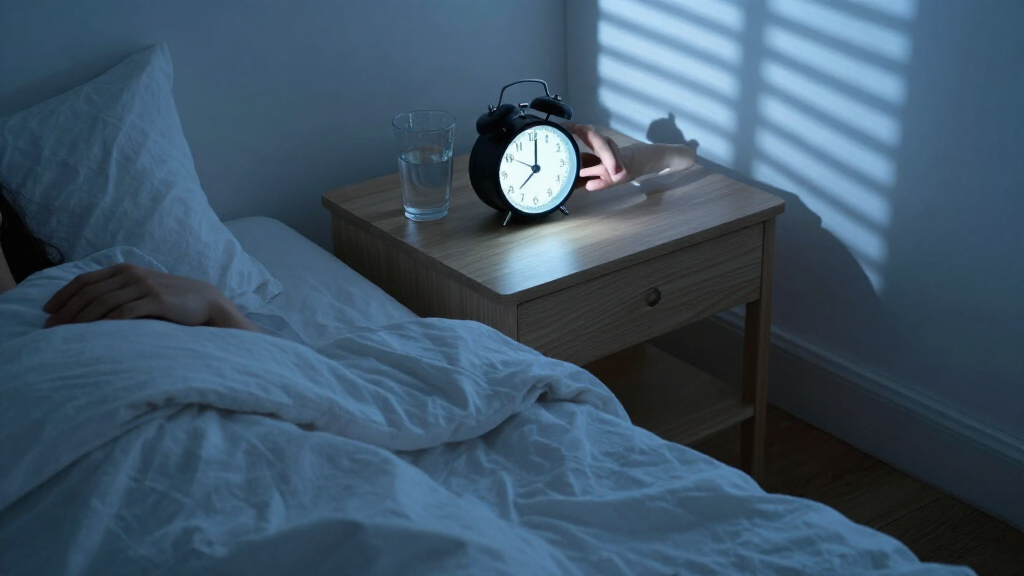
Your eyes open at 5:42. The alarm is set for 6:00, and the room is still blue with dawn. You might wonder if your body has learned the schedule—or if you have somehow had enough sleep.

Get wellness gear delivered free with Prime
- Fast, free delivery on millions of items
- Prime Video, Amazon Music and more included
- Member-only deals all year
Waking before your alarm is common, especially when your wake time stays steady. It can also happen after a stressful evening or because of a sound, a warm room, or a bedtime that does not suit you. One early morning alone rarely tells the whole story.
This guide explains why it happens, how to tell a familiar pattern from one that is wearing you down, and what you can try without turning bedtime into another task to worry about. The useful clues are simple: how often you wake, whether you can drift off again, and how rested you feel once the day gets going.
A steady wake time can help your body anticipate morning, but waking early does not prove you have met your sleep needs.
Stress, bedtime changes, dawn light, noise, room temperature, caffeine, alcohol, and health changes can all be useful patterns to track.
There is no universal number of minutes before an alarm that makes early waking a problem; frequency, ability to return to sleep, and daytime energy matter.
Try a consistent schedule, a dark and comfortable room, and a short sleep diary before making the wake-up itself another source of pressure.
Seek professional advice when early waking persists and disrupts daily life, especially with gasping, loud snoring, major mood changes, or severe sleepiness.
Waking Before Your Alarm What Your Sleep May Be Telling You
An early wake-up can reflect a familiar routine, stress, or something in your surroundings. The pattern—and how you feel during the day—matters more than one morning.
Why you may wake early
Several systems and everyday cues can interact near morning.
Your body anticipates morning
A steady wake time can make morning feel predictable. Waking early does not prove you have had enough sleep.
A lighter final stretch
Worry or anticipation can increase alertness near morning and make sleep easier to interrupt.
Small cues can add up
Dawn light, traffic, pets, or a warm room may disturb sleep, sometimes alongside schedule changes.
Notice what changes
Caffeine, alcohol, discomfort, medication, or health changes may play a role. Early waking alone does not identify a disorder.
Look for a repeating pattern
There is no universal number of minutes before an alarm that makes waking early a problem.
Notice whether it is occasional or keeps happening.
Notice whether you can fall back asleep and how rested you feel during the day.
A brief sleep diary can connect wake-ups with bedtime, stress, substances, symptoms, or tiredness.
Keep a regular wake time and make the bedroom dark, quiet, and comfortably cool.
Separate a rhythm from a warning sign
The wake-up itself is only one clue; its effect on rest and daily life helps put it in context.
- It happens occasionally or near your usual wake time.
- You can return to sleep, or feel rested through the day.
- Early waking persists and disrupts daily life.
- It comes with loud snoring, gasping, major mood changes, or severe daytime sleepiness.
A note on cortisol
Cortisol follows a daily rhythm and can rise toward morning, but that does not make it a proven universal alarm clock.
Why your body can wake before a familiar alarm
Waking before your alarm can happen because your body clock has learned your usual morning schedule. The circadian rhythm helps shape when you feel alert and when you feel sleepy, so a regular wake time can make morning feel predictable before the alarm sounds. This is a gradual pattern, not a tiny clock inside you ringing at an exact minute.
Sleep also depends on sleep pressure, which builds while you are awake, and on brain systems that affect alertness. Think of these as the hands on a mixing board: the body clock sets the broad track, while sleep pressure and alertness turn the volume up or down. Research describes these systems as interacting, which helps explain why a familiar wake time may coincide with lighter sleep.
For example, if you get up at 6:30 on weekdays for several weeks, you may begin to stir close to that time even when the alarm is quiet. That does not prove you have slept enough. Your total sleep and daytime energy still count.
Waking before your alarm is common, but the exact timing varies. A person who wakes ten minutes early and feels bright all day may have a different experience from someone who wakes an hour early and drags through the morning. Look at the pattern across days, not one timestamp.
Products Worth Considering

Greenworks 48V 17-Inch Cordless Push Lawn Mower with Two 4.0Ah Batteries

Metabo HPT NT1850DG 18V Cordless 18-Gauge Brad Nailer Kit

WORX Landroid Vision Cloud WO7145 Robot Lawn Mower for Up to 1/2 Acre
As an affiliate, we earn on qualifying purchases.
Stress, sleep timing, and the room can all play a part
Waking before your alarm can follow lighter sleep from stress, a mismatched schedule, or something in your surroundings. The wake-up may seem to come from nowhere, but a thought, a strip of dawn light, traffic, a pet, or a too-warm room can nudge you awake. Several small factors can overlap on the same morning.
Anticipation can make you more alert near morning. If you have a presentation at 8:00, your mind may keep the day close at hand even while you sleep. This resembles a smoke detector set to high sensitivity: it can react to a small cue, not only a major event.
Your schedule can matter too. Going to bed much earlier than usual, changing bedtimes from night to night, or simply not leaving enough time for sleep can shift how rested you feel. Dawn light through thin curtains or a radiator warming the bedroom can interrupt the last stretch of sleep; a noisy street may do the same even if you do not remember hearing it.
Consider a night-shift worker whose sleep ends in the morning as neighbors start mowing lawns. The wake-up may reflect daylight and sound colliding with their rest period, not a lack of effort. What’s around you and when you sleep both shape the experience, and a small room adjustment may be more useful than blaming yourself.
Alcohol, caffeine, and health changes may interrupt sleep
Waking before your alarm can also follow substances, discomfort, medication changes, or other health changes. Alcohol may make you feel drowsy at first but can fragment sleep later in the night, while caffeine can linger for hours after your last cup. Neither factor explains every early wake-up, but both can be worth noticing.
Imagine having a strong coffee after dinner and waking at 4:50 with your mind already busy. That timing alone cannot prove caffeine caused it, yet noting the coffee and the wake-up in a sleep diary can reveal whether the pattern repeats. A late drink, pain, reflux, needing to urinate, or a new medication may also affect sleep for some people.
Sleep conditions such as insomnia, sleep apnea, or restless legs syndrome can disrupt rest. Early waking by itself does not identify a specific disorder. Loud snoring or gasping, for instance, is a different clue to mention to a healthcare professional; waking early alone is not enough to diagnose a cause.
If you use medication, do not change it on the basis of a few restless mornings; ask the prescribing professional about persistent sleep changes. For pre-existing health concerns, professional guidance can help you weigh what is relevant. The aim is to notice connections and get appropriate support, not to turn a normal variation into a diagnosis.
A morning cortisol rise is not a universal alarm clock
Waking before your alarm is not automatically caused by a precise cortisol alarm. Cortisol follows a daily rhythm and can rise toward morning, but that fact does not show that it is the reason for every early wake-up. It is tempting to give a complicated night a single neat explanation; sleep rarely works that neatly.
Think of morning alertness as a few instruments playing together, not one hormone pressing a button at a set time. A regular schedule, light through the curtains, sleep pressure, stress, and sounds from the street may all contribute. The mix can differ from Monday to Tuesday, even when your alarm stays at 6:30.
For example, one person might wake early before a job interview after a restless night, then sleep until the alarm on a quiet weekend. Another might wake around dawn every day because the bedroom faces an east-facing window. Neither pattern can be pinned on cortisol based on timing alone.
A hormone’s daily rhythm is not proof of a single cause. If you see confident claims online that your body releases a precise “cortisol alarm” before your alarm clock, treat them cautiously. The practical question stays the same: does early waking happen often, reduce your rest, or leave you struggling during the day?
Use these four steps to respond without adding pressure
Waking before your alarm is easier to understand when you respond calmly and look for a repeatable pattern. Start with low-effort changes: keep a steady wake time, make the room comfortable, and notice what happened on the nights before early mornings. You do not need to turn one wake-up into a full investigation.
- Keep wake time steady. Choose a time you can follow most days, including weekends when practical. If you get up at 6:30 for work and sleep until 10:00 on days off, the swing may make mornings feel less predictable.
- Give sleep a fair window. Look at when you go to bed as well as when you wake. If you go to bed much earlier than usual and wake early, test a more consistent bedtime rather than assuming the alarm must change.
- Soften the room’s cues. Try darker curtains, a quieter setting, or a comfortably cool room. If your dog starts scratching at the door before dawn, moving its bed or asking someone to handle the morning routine may help.
- Notice patterns without clock-watching. Jot down bedtime, wake time, caffeine or alcohol, disturbances, and daytime energy. If you wake and feel frustrated, repeated clock checks can make you more alert; try a quiet, relaxing activity instead of forcing sleep.
These steps are habits to experiment with, not a promise that every early morning will disappear. If you feel sleepy and can return to sleep, let yourself rest. If you remain awake and tense, a gentle reset may feel kinder than lying there watching the minutes pass.
Judge the pattern by your sleep and your day
Waking before your alarm is more useful to judge by its pattern and its effect than by a fixed number of minutes. There is no single cutoff that separates harmless early waking from a concern. Ask how often it happens, whether you can fall asleep again, whether you get enough total sleep for your needs, and how you feel during the day.
An occasional early wake-up can happen without signaling a problem. Say you wake twenty minutes early on a Tuesday, feel rested, and stay alert at work. That is different from waking at 4:30 most mornings for several weeks, struggling to return to sleep, and feeling too tired to drive comfortably.
Age, work hours, family routines, and hearing needs can shape what a useful wake-up plan looks like. A child may wake before an adult alarm because the household is already stirring; a hard-of-hearing sleeper may rely on a light or vibrating alert and still wake naturally beforehand. Shift workers may need a dark, quiet rest space during daylight.
Daytime function is an important clue, alongside the frequency of waking and your total rest. Consider professional advice if the pattern persists and affects daily life, or if it comes with loud snoring, gasping, significant mood changes, or severe daytime sleepiness. Chronic insomnia has established treatment options, including cognitive behavioral therapy for insomnia (CBT-I); a healthcare professional can help you decide what support fits your situation.
Frequently Asked Questions
Is waking before my alarm normal?
Yes, it can be. A regular schedule may make your wake time feel familiar, and an occasional early wake-up can happen without signaling a problem. Pay attention to whether it keeps reducing your sleep or affects how you feel during the day.
Does waking before my alarm mean I have had enough sleep?
No. An early wake-up does not prove that you have met your sleep needs. Consider your total sleep and whether you feel alert and steady through the day; one bright morning is only one clue.
Why do I wake at the same time every morning?
A steady body clock or repeated routine may make waking happen at a similar time. A recurring cue, such as dawn light, traffic, a heating system, or a pet, can also play a part. A brief diary can help you notice what repeats.
Is cortisol waking me up before my alarm?
Cortisol follows a daily rhythm and can rise toward morning, but that does not make it the universal cause of early waking. Stress, schedule, sleep pressure, and the bedroom environment may also matter, so timing alone cannot identify the cause.
Should I go back to sleep or get up?
If you still feel sleepy and can drift off again, returning to sleep may help you get more rest. If you are wide awake and becoming frustrated, try not to keep checking the clock; a quiet, relaxing approach may feel better than forcing sleep.
When should I ask a healthcare professional about early waking?
Consider asking if early waking continues and affects daily life, or if it comes with severe daytime sleepiness, major mood changes, loud snoring, or gasping. A professional can help you sort through persistent symptoms and decide what support suits your circumstances.
Conclusion
Remember the pattern, not the minute hand. If you wake before the alarm now and then and feel rested, you may simply be responding to a familiar schedule or a passing cue. If it keeps cutting short your sleep or leaves you struggling, track a few nights and consider asking a healthcare professional for guidance.
Tonight, give your room a little less light, your evening a little less clock-watching, and yourself permission to treat sleep as a rhythm—not a test you have to pass before dawn.