
TL;DR

Get wellness gear delivered free with Prime
- Fast, free delivery on millions of items
- Prime Video, Amazon Music and more included
- Member-only deals all year
Layered light-blocking fixes—like blackout curtains, window films, and sealing gaps—work together to block up to 99% of streetlight glare. Combining these approaches offers the best chance to sleep peacefully despite external light pollution.
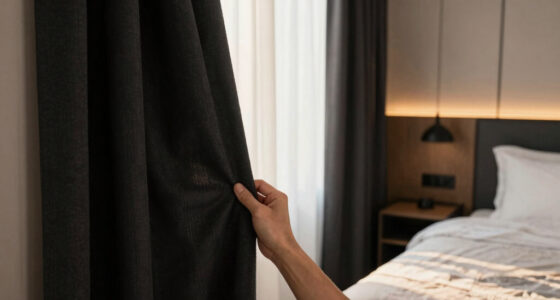
If a streetlight outside your window keeps you awake, you’re not alone. Bright outdoor lights spilling into bedrooms can disrupt your sleep and throw off your circadian rhythm. But instead of just one flimsy curtain or a flimsy blind, layering different light-blocking strategies can create a fortress of darkness. Think of it as building a protective barrier—each layer adds more defense against that relentless glow.
In this guide, you’ll learn how to combine physical barriers, window treatments, and sealing techniques to maximize darkness. Whether you’re dealing with a stubborn streetlight or a busy highway, these practical fixes will help you reclaim your sleep space.
Layer multiple light-blocking methods—curtains, window films, sealing—to maximize darkness.
Sealing gaps around your window frames prevents sneaky light leaks that compromise sleep.
Invest in durable, blackout fabrics for a reliable barrier, and consider external barriers for stubborn sources.
Regular maintenance of your window treatments keeps your sleep environment consistently dark.
High-tech solutions like smart windows can help, but layered physical fixes often deliver the best bang for your buck.
Streetlight Outside Your Window? Layered Light-Blocking Fixes
Build a Fortress of Darkness, One Layer at a Time
TL;DR: Layered fixes such as blackout curtains, window films, tight seals, and exterior screens can work together to block up to 99% of streetlight glare. The best setup covers the glass, the frame, the curtain edges, and the light source before it reaches your room.
Up to 99%
When blackout fabric, window film, and sealed edges are installed as a combined system.
Edges
Streetlight glow often sneaks around curtain sides, frame gaps, and thin blind slats.
One curtain blocks light. A layered setup blocks escape routes.
Why Layering Works
A single treatment rarely stops every path. Streetlight can pass through glass, spill around curtain edges, bounce off nearby walls, or slip through tiny frame cracks. Each layer closes a different route.
Block the Glass
Window film or blackout shades reduce light transmission before it spreads through the room.
Cover the Frame
Wide, heavy curtains create the primary visual barrier and hide glow around the window area.
Seal the Edges
Weatherstripping, draft stoppers, and sealant close the tiny leaks that make a room feel bright.
Step-by-Step Darkness Plan
Move from the biggest visible surface to the smallest hidden leak. The sequence matters because each later fix strengthens the earlier one.
Hang Heavy Curtains
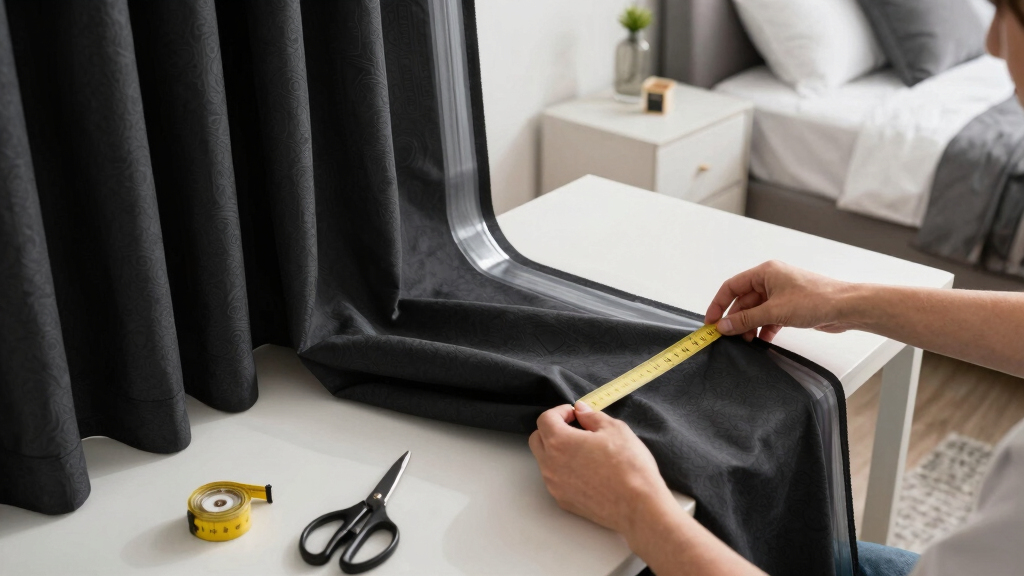
Use thick blackout fabric mounted close to the frame and extending beyond the glass.
Add Film or Shade
Apply blackout film or install a tight roller shade directly inside the window opening.
Seal Cracks
Use weatherstripping, foam tape, draft stoppers, or clear sealant around the frame.
Cut Spill Outside
Use shrubs, screens, or fencing when a streetlight hits the window at a stubborn angle.
Maintain the Setup
Clean films, wash curtains, and replace worn seals before small leaks return.
Compare the Fixes
The strongest results usually come from combining low-cost physical fixes with one durable primary barrier.
| Solution | Best Use | Pros | Tradeoff | DIY Fit |
|---|---|---|---|---|
| Blackout Curtains | Primary room barrier | ✓ Effective, decorative, easy to swap | ~ Can trap heat and leak at edges | ✓ Strong |
| Window Films | Glass-level blocking | ✓ Reduces light, UV, and heat | ~ Needs careful installation | ~ Moderate |
| Sealing Gaps | Frame leaks | ✓ Cheap and boosts every other layer | ~ Requires inspection and upkeep | ✓ Strong |
| Exterior Barriers | Stopping light before the window | ✓ Reduces direct glare at source | ✗ Outdoor work and weather exposure | ~ Varies |
| Smart Windows | Dynamic light control | ✓ Adjustable and automation-ready | ✗ Expensive and often professional | ✗ Low |
What Blocks the Glow?
Use the chart as a practical hierarchy: start with curtains, then add glass treatment and edge sealing for the jump from “dimmer” to genuinely dark.
Smart tech helps, but it is not mandatory.
Electrochromic windows and automated blinds can respond to light levels, but physical layering usually delivers the best cost-to-darkness ratio.
Small leaks can feel surprisingly bright.
A narrow crack around the frame can act like a flashlight line. Sealing it often makes the whole setup feel dramatically calmer.
Real-World Setup
Sarah’s bedroom faced a busy street with a lamp shining directly toward the glass. Her layered fix combined blackout curtains, reflective film, and weatherstripping.
From Glare to Sleep-Friendly Darkness
Traceability Chain
Every practical fix maps to a specific light path. Treat the window as a system, then close the weakest links one by one.
Fast Answers
Use these checks when choosing between budget DIY improvements and more involved upgrades.
What is the most effective fix?
Combine blackout curtains, window film or shades, and sealed window gaps. This layered approach can reduce intrusion by up to 99%.
What is the cheapest starting point?
Begin with thick blackout curtains and weatherstripping. Both are affordable, renter-friendly in many spaces, and easy to maintain.
Do smart windows eliminate all light?
They can greatly reduce light, but performance depends on product quality, installation, and whether edge leaks are also controlled.
How often should I maintain it?
Inspect seals seasonally, clean films and curtains, and replace worn components before tiny leaks compromise the whole room.
Why layering light-blocking methods works best
When it comes to blocking outside light, a single solution rarely cuts it. Streetlights can spill through tiny gaps, bounce off nearby surfaces, or seep around the edges of curtains. Combining multiple strategies creates a stronger, more reliable shield. For example, pairing thick blackout curtains with window films and sealing gaps around the frame can block up to 99% of external light.
Imagine trying to keep a flood of water out with a single tiny dam—it’s possible, but much easier with a dam, sandbags, and a sturdy wall. Your sleep environment benefits just as much from layered defenses. Each additional barrier not only enhances overall darkness but also compensates for potential weaknesses in individual methods, ensuring that no small light leak can ruin your sleep. However, be aware that adding multiple layers may involve tradeoffs like increased cost, installation complexity, or reduced natural light during the day. Balancing these factors depends on your priorities—whether maximum darkness or convenience is more important to you.
As an affiliate, we earn on qualifying purchases.
How to layer light-blocking fixes step-by-step
- Start with heavy blackout curtains. Choose fabrics that are thick and opaque, designed to block most light. Hang them close to the window frame for maximum coverage. This initial layer is crucial because it provides the primary barrier, but it may not block all light, especially around the edges.
- Add window films or blackout shades. Films can be applied directly to the glass, creating a dark, reflective surface that reduces light transmission, heat, and UV rays. Blackout shades, rolled inside the window frame, add a second layer of protection, particularly effective if curtains have gaps or are thin. Combining these two ensures that even if one layer is compromised, the other continues to block light, making it difficult for streetlight glow to penetrate.
- Seal gaps and cracks around the window frame. Use weatherstripping, draft stoppers, or sealant to close off any tiny leaks where light might seep in. Proper sealing prevents sneaky light leaks that can significantly diminish the darkness achieved by curtains and films. This step is often overlooked but is essential because even small gaps can let in enough light to disturb sleep. The tradeoff here is that sealing may require maintenance over time, especially if the window frame shifts or deteriorates.
- Consider exterior barriers if needed. Shrubs, fences, or outdoor screens can reduce light spill from streetlights or passing cars before it even reaches your window. While they might require some effort and investment, outdoor barriers can be particularly effective for stubborn sources of external light pollution, and they reduce the need for internal solutions.
- Maintain your setup regularly. Clean curtains and replace worn seals to keep your fortress of darkness intact. Regular upkeep ensures that all layers function optimally, preventing small damages from becoming weak points that compromise your sleep environment.
This step-by-step approach ensures you cover all potential light leaks. Each layer adds more darkness, making your room truly sleep-friendly. Remember, the effectiveness of layering depends on how well each component works together, so consider the specific conditions of your space when implementing these steps.
As an affiliate, we earn on qualifying purchases.
Comparing common light-blocking solutions
| Solution | Pros | Cons |
|---|---|---|
| Blackout Curtains | Easy to install, effective, aesthetic options available | May need thick fabric to block light completely, can trap heat |
| Window Films | Applied directly to glass, reduces light, heat, and UV | Installation requires precision, can be costly |
| Sealing Gaps | Inexpensive, simple fix, enhances all other measures | Requires careful inspection and maintenance |
| Exterior Barriers | Reduces outdoor light spill before it hits window | May require outdoor work, weather-dependent |
For best results, combine several options. For example, thick blackout curtains paired with window films and weatherstripping seal gaps tightly. This layered approach maximizes darkness and sleep quality.
As an affiliate, we earn on qualifying purchases.
Smart tech options to control external light
Smart window solutions like electrochromic windows can switch from transparent to opaque at the flick of a switch or automatically based on outside light levels. These high-tech options offer dynamic control and can eliminate nearly all external light when activated.
However, they tend to be more expensive and require professional installation. For most, a combination of physical barriers remains the most practical and cost-effective approach.
As an affiliate, we earn on qualifying purchases.
Fixing common gaps and leaks around your windows
Small gaps around your window frame can let in a flood of streetlight. Use weatherstripping or draft stoppers to close these tiny cracks. For larger gaps, a clear sealant can seal off light leaks for good.
Imagine trying to sleep with a tiny crack in your door letting in a flashlight—covering it with foam or sealing it shuts the light source. That’s what proper sealing does for your windows.
Real-world example: How one person blocked a blinding streetlight
Sarah’s bedroom faced a busy street with a streetlamp that shone like a spotlight every night. She combined thick blackout curtains with a reflective window film. Then, she added weatherstripping around the window frame. The result? A 95% reduction in external light. She now sleeps peacefully, undisturbed by that stubborn glow.
This layered fix cost less than a new mattress and proved that small investments in multiple solutions can deliver big sleep gains.
Frequently Asked Questions
What is the most effective way to block streetlight glare from my bedroom window?
The most effective approach combines blackout curtains, window films, and sealing gaps around the window frame. This layered method cuts down external light by up to 99% and keeps your sleep environment dark and peaceful.
Are there affordable DIY solutions for light blocking?
Absolutely. Using thick blackout curtains, applying DIY window films, and sealing gaps with weatherstripping or draft stoppers are budget-friendly options that significantly improve darkness without professional help.
Can smart window technology completely eliminate external light?
Smart tinting or electrochromic windows can reduce external light dramatically, but complete elimination depends on the system’s quality and installation. For most, layered physical solutions remain the most practical choice.
How do I prevent light leaks around window frames?
Use weatherstripping, draft stoppers, or sealant to close gaps. Regular inspection and maintenance ensure these leaks stay sealed, keeping outside light where it belongs—outside.
Are there health benefits to blocking streetlight light pollution?
Yes. Reducing external light pollution helps improve sleep quality, which supports better mood, alertness, and overall health. Less light at night helps your circadian rhythm stay on track.
Conclusion
Blocking streetlight intrusion isn’t about one magic fix. It’s about stacking layers—each one strengthening your darkness barrier. Combine thick curtains, sealed gaps, and possibly external barriers, and you’ll reclaim your sleep space. Your future self will thank you for the peaceful, undisturbed nights.
Think of your bedroom as a sanctuary, not a battlefield against outside glow. With a little effort and layering, you can turn that outdoor glare into a distant memory.
Columbus Day / Indigenous Peoples' Day Picks
long weekend sales
As an affiliate, we earn on qualifying purchases.