
TL;DR

Get wellness gear delivered free — and shop member deals
- Fast, free delivery on millions of items
- Access to Prime Big Deal Days deals on October 6–7
- Prime Video, Amazon Music and more included
Silk sleep masks are ultra-soft, hypoallergenic, and luxurious but need gentle care. Cotton masks are breathable, durable, and easier to wash, making them practical for everyday use. Your choice hinges on comfort, skin needs, and how much effort you’re willing to put into maintenance.
Ever wonder if your sleep mask is more than just a pretty face? The material you choose can impact how well you sleep, how comfortable you feel, and how easy it is to care for your mask. Silk and cotton are the two most common options, each with their own perks and quirks.
In this guide, you’ll learn what makes these fabrics special, how they perform in real sleep scenarios, and which one might fit your lifestyle better. Whether you’re a hot sleeper, have sensitive skin, or just want something that lasts, this article helps you decide with confidence.
Silk feels like a soft, luxurious second skin, ideal for sensitive or delicate skin types.
Cotton offers breathability and durability, perfect for hot sleepers or those who need frequent washing.
Proper care extends the life of silk masks—hand wash, air dry, and store carefully.
Both materials can block light effectively if designed well, but fit and thickness matter more than fabric alone.
Eco-friendly options like organic cotton and sustainable silk are increasingly available for conscious consumers.
What’s the Difference Between Silk and Cotton for Sleep Masks?
Silk sleep masks are made from natural silk fibers, often mulberry silk, renowned for their smooth, buttery feel against the skin. Cotton masks, made from woven cotton threads, offer a more textured, breathable experience. Both can block light effectively, but how they feel and care for varies dramatically.
Imagine slipping into a cloud—silk feels like that. Cotton, meanwhile, is like wrapping your face in a soft, cool towel. The choice boils down to your skin type, comfort preference, and how much effort you want to put into cleaning.
As an affiliate, we earn on qualifying purchases.
Which Is More Comfortable? Silk or Cotton?
Silk sleep masks are often praised for their luxurious, silky touch—perfect for sensitive skin or those who love a plush feel. They glide smoothly over your skin, reducing irritation and friction, which is great if you wake up with redness or rashes.
Cotton masks, on the other hand, excel in breathability. If you tend to sleep hot or sweat during the night, the open weave of cotton helps keep you cooler and more comfortable.
Let’s say you’re a hot sleeper who tosses and turns—cotton might be your best bet. If you’re sensitive or want a gentle, pampering experience, silk could transform your sleep routine.
As an affiliate, we earn on qualifying purchases.
How Well Do They Block Light and Improve Sleep?
Both silk and cotton masks can block out light effectively, but fabric thickness and design matter. A thicker silk mask with a padded lining can block light as well as a dense cotton one. Conversely, a thin silk mask might let some light seep through if not carefully designed.
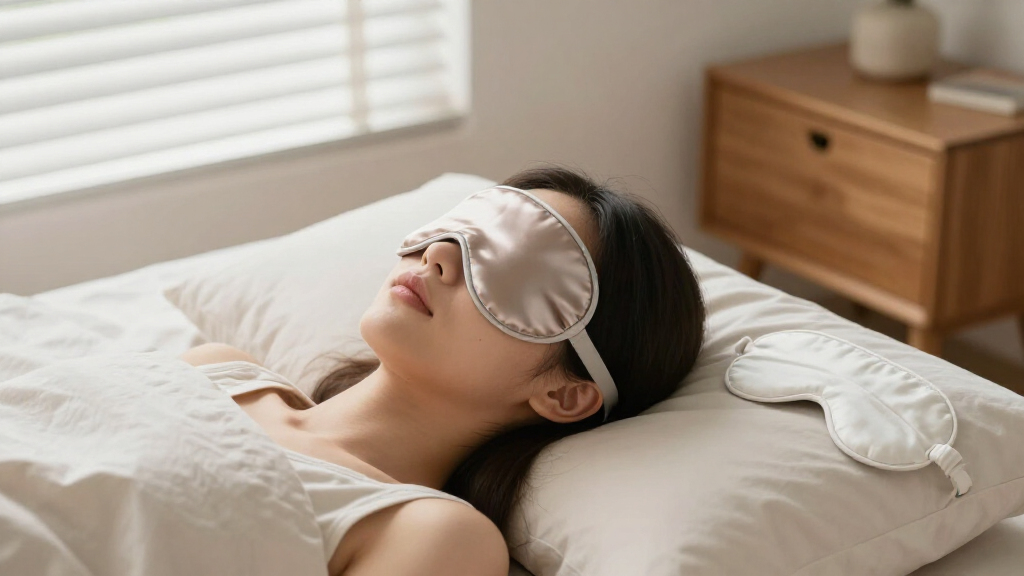
Picture a silky mask with a sleek, contoured shape fitting snugly around your face—less pressure, better fit. Cotton masks often come with adjustable straps and a more structured shape, helping them seal out light efficiently.
In sleep environments with bright streetlights or early dawn, choosing a mask that fits well is key—regardless of material.
As an affiliate, we earn on qualifying purchases.
Caring for Your Sleep Mask: Silk vs. Cotton
Silk masks are delicate. Hand washing with a gentle silk-specific detergent and air drying prolongs their life. Hot water or aggressive machine cycles can damage the fibers, making them look dull or fragile over time. Proper care is crucial because silk fibers are sensitive to agitation and temperature fluctuations, which can lead to pilling, fraying, or loss of sheen—detracting from their luxurious feel and appearance.
In contrast, cotton masks are tough. Toss them in the washing machine with your regular detergent, and they’ll come out looking fresh. They withstand higher temperatures and more frequent washes without worry. This durability makes cotton ideal for those who need a low-maintenance option, especially if you wash your sleep accessories often or travel frequently.
If you travel often or need a mask that’s easy to maintain, cotton offers convenience. Silk lovers will need to dedicate a little extra time to care, but many find the luxurious feel worth it.
As an affiliate, we earn on qualifying purchases.
Durability and How Long They Last
Silk masks can last several years if cared for properly, but they’re more prone to wear and tear—especially if mishandled. Gentle handling and proper storage keep them in shape, but rough washing or exposure to sunlight can weaken the fibers. Over time, silk may lose its sheen and softness, which can diminish the overall luxurious experience and effectiveness in light blocking.
Cotton masks are more resilient day-to-day. They withstand repeated washing and can be replaced more easily. If you’re on a budget or want a mask that lasts through frequent use, cotton is a practical choice. While they may not feel as luxurious, their durability makes them a reliable staple in your sleep routine.
Imagine a cotton mask that’s been through hundreds of washes—still holding its shape and comfort. Silk, with a little TLC, can maintain its softness and elegance for years, but it requires attentive care to reach that lifespan.
Price, Accessibility, and Eco-Friendly Options
Silk masks tend to be pricier, reflecting the cost of silk production and the premium feel. Organic and sustainably produced silk options are growing in popularity, appealing to eco-conscious buyers. However, the higher price point can be a barrier for some, and the delicate nature of silk means it often requires more careful handling and maintenance, which adds to the overall cost.
Cotton masks are more budget-friendly and widely available at all price points—from basic to luxury. Organic cotton and sustainably farmed options are also on the rise, offering a greener choice for eco-aware consumers. Their durability and ease of care make them a practical investment for those seeking long-term use without high costs.
Suppose you want a mask that’s both affordable and eco-friendly—you’ll find good options in organic cotton. If luxury and skin sensitivity are your priorities, investing in a silk mask might make sense, especially if you value the feel and are willing to handle the extra care.
Latest Trends: What’s New in Silk and Cotton Sleep Masks?
Recent trends include blending silk and cotton for the best of both worlds—softness and breathability. Some brands incorporate antimicrobial treatments in cotton masks to reduce bacteria and odors, especially useful for hot sleepers. These innovations can enhance comfort and hygiene, making sleep masks more versatile.
Eco-friendly silk options, such as peace silk (harvested without harming silkworms), are gaining attention, aligning with sustainability goals. Customization is also on the rise—variety in colors, patterns, and adjustable straps helps find the perfect fit, catering to individual style and comfort preferences. These developments mean that consumers now have more options to tailor their sleep experience both functionally and aesthetically.
If you’re tired of plain, generic masks, today’s options offer style, comfort, and sustainability all in one package.
Frequently Asked Questions
Which material is better for sensitive skin?
Silk sleep masks are naturally hypoallergenic and gentle, making them a top choice for sensitive skin. They reduce friction and irritation, helping you wake up feeling refreshed.
Are silk sleep masks worth the higher price?
If you value a luxurious, gentle touch and have skin sensitivities, silk masks can be a worthwhile investment. They last long when cared for properly and elevate your sleep experience.
How do I wash and care for silk versus cotton sleep masks?
Silk masks should be hand washed with a gentle silk detergent and air dried. Cotton masks are machine washable, withstand higher temperatures, and require less delicate handling, making them easier to maintain.
Which material is more breathable for hot sleepers?
Cotton is more breathable thanks to its open weave, making it ideal for hot sleepers or those who tend to sweat during the night.
Can silk or cotton masks improve sleep quality?
Yes, both can enhance sleep by blocking light and reducing distractions. Comfort and fit are key—choose the material that feels best and suits your sleeping environment.
Conclusion
Choosing the right sleep mask material depends on your skin, comfort preferences, and how much effort you want to put into care. Silk offers a silky, gentle experience for skin-sensitive sleepers willing to handle delicate maintenance. Cotton is rugged, breathable, and easy to clean, making it a practical choice for everyday comfort.
Remember, your sleep environment is personal—pick what feels best for you. After all, a good night’s rest starts with a mask that fits your lifestyle and keeps you cozy through the night.
Fall Picks
fall essentials
As an affiliate, we earn on qualifying purchases.