
TL;DR

Get wellness gear delivered free — and shop member deals
- Fast, free delivery on millions of items
- Access to Prime Big Deal Days deals on October 6–7
- Prime Video, Amazon Music and more included
The best night lights are warm, dim, and placed low to reduce circadian disruption. They help you navigate at night without interfering with melatonin production, supporting healthier sleep patterns.
Imagine waking up in the middle of the night and fumbling for a light. The harsh white glow floods your eyes, making it harder to fall back asleep. Bright, cool lights at night are more than just annoying—they can subtly sabotage your sleep health.
This guide shows you how to choose night lights that are warm, dim, and low. These simple tweaks can make your nights safer and your mornings more refreshed, all while respecting your body’s natural rhythm.
Choose night lights in the 1800–2200 K range—amber or red—to minimize blue light exposure.
Keep brightness below 10 lux during sleep to avoid melatonin suppression.
Place lights low to the floor and away from your eyes to reduce direct retinal exposure.
Use motion sensors or timers to control night lights, avoiding constant illumination.
Prioritize safety for kids and seniors with warm, dim pathway lighting, not bright overhead lights.
Sleep-Friendly Night Lights: Warm, Dim, and Low
Bright, cool light at night quietly sabotages your sleep. The right night light — warm spectrum, minimal brightness, placed below eye level — lets you navigate safely without suppressing melatonin, so your nights stay safer and your mornings more refreshed.
“Just a few lux of blue-enriched light at night can suppress melatonin enough to impact sleep quality and metabolic health.”
Light reaches your brain’s master clock through melanopsin-containing ipRGC cells — most sensitive to blue wavelengths near 480 nm.
Three Physical Levers of Light Exposure
“Warm, dim, and low” maps directly onto the three ways light reaches your circadian system: spectrum, intensity, and geometry.
Warm
Amber-to-red light emits very little blue — the main culprit in melatonin suppression. Many “warm white” 2700 K LEDs still carry a blue spike; dedicated amber or red LEDs avoid it entirely.
1800–2200 K · Amber / RedDim
Use the dimmest light that still serves its purpose. Typical plug-in night lights produce 20–50 lux at bed height — far above the sub-10-lux target sleep researchers recommend.
< 10 Lux · As Dark As PracticalLow
Light placed low to the floor and pointed away from your eyes hits the retina far less directly. Indirect reflections off walls or floors cut circadian impact further.
Ankle Level · Shielded / IndirectMelatonin-friendly light lives at the warm end. Dedicated amber and red LEDs sit in the safe zone; cool white and blue-enriched sources belong nowhere near a bedroom after sunset.
How Bright Is Too Bright?
Melatonin suppression is dose-dependent and begins at surprisingly low levels. Even ~100 lux in the room overnight has been shown to impair insulin sensitivity and raise overnight heart rate.
Night Light Options, Rated for Sleep
Spectrum is your main tool — color temperature determines how strongly a light source signals “daytime” to your brain.
| Light Source | Color Temp | Blue Content | Melatonin Impact | Sleep Verdict |
|---|---|---|---|---|
| Red LED night light | ~1800–2000 K equiv. | ✓ Near zero | Minimal at typical brightness | ✓ Best choice |
| Deep amber LED | ~2000–2200 K | ✓ Very low | Low — candlelight warmth | ✓ Excellent |
| “Warm white” LED | ~2700 K | ~ Residual blue spike | Moderate — keep dim | ~ Acceptable if dim |
| Cool white LED / CFL | 4000 K+ | ✗ High | Strong suppression | ✗ Avoid |
| Phone / tablet screen | 6000 K+ blue-rich | ✗ Very high | Strong, direct to retina | ✗ Avoid |
From Bulb to Brain in Four Steps
Every design choice — warm, dim, low, controlled — interrupts this chain before it reaches your circadian system.
Light Source
A cool or bright night light emits photons — blue content near 480 nm is the potent fraction.
Retina & ipRGCs
Melanopsin-containing ganglion cells absorb the light — direct eye exposure is 10× more disruptive than reflected light.
Master Clock
The suprachiasmatic nucleus reads the signal as “daytime” and shifts your circadian rhythm.
Melatonin Drop
The sleep hormone is suppressed — affecting sleep onset, architecture, metabolism, and long-term health.
Light Only When You Need It
Even brief, low-level exposure can suppress melatonin. Automation delivers illumination on demand and preserves darkness the rest of the night.
Motion Sensors
A hallway path light that wakes only when you do — lighting your route to the bathroom without leaving a constant glow in the room.
Timers
Switch lights off automatically after a set period, so a light left on at bedtime never becomes an all-night exposure.
Tap Switches
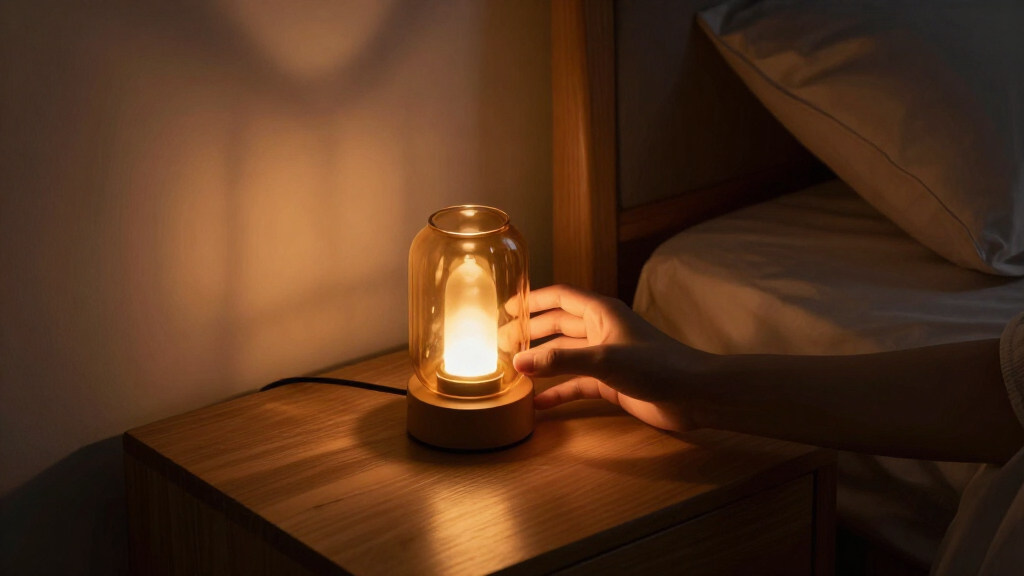
A bedside tap on a dim amber lamp gives you instant control without fumbling for switches — or reaching for a bright screen — in the dark.
From Sleep Hygiene to Public Health
Large cohort studies and controlled experiments have moved nighttime light from a comfort issue to a measurable health exposure.
One Night Is Enough
DETAILS FROM TRAINING DATA · VERIFY BEFORE PUBLICATION
Darkness as a Health Exposure
UK Biobank light-sensor analyses (2022–2024) link higher nighttime light exposure to elevated risk of type 2 diabetes, cardiovascular disease, depression, and all-cause mortality.
2022 international expert recommendations (Brown et al.) advise a melanopic EDI of ≤1 lux during sleep and ≤10 lux in the evening — effectively “as dark as practical.”
Trend-wise, circadian-mode smart bulbs, motion-activated amber LEDs, and red-light wellness products are making sleep-safe lighting mainstream.
COHORT DATA · 2022–2024 · VERIFY DATES
Your Five-Point Night Light Checklist
Simple tweaks, meaningful payoff — for kids, seniors, and every sleeper in between.
Go amber or red
Choose 1800–2200 K to minimize blue light exposure at night.
Stay under 10 lux
Keep the sleeping environment below ~10 lux to avoid melatonin suppression.
Place low, aim away
Keep lights near the floor and out of your eyes to cut direct retinal exposure.
Automate the darkness
Use motion sensors or timers so light exists only when it’s needed.
Prioritize safe pathways
For kids and seniors, warm, dim, low pathway lighting beats bright overheads — safety without the sleep cost.
Why Warm, Dim, and Low Lights Matter for Your Sleep
Light influences your sleep through special cells in your eyes called intrinsically photosensitive retinal ganglion cells (ipRGCs). These cells signal your brain’s master clock—your circadian rhythm—and control melatonin, the sleep hormone.
Research shows that even small doses of blue light—around 480 nm—can suppress melatonin and alter sleep quality. So, when choosing night lights, spectrum and brightness are your main tools to keep your sleep on track.
Understanding why this matters is crucial: melatonin isn’t just about feeling sleepy; it’s a hormone that regulates many biological processes, including immune function, metabolism, and even cancer risk. Disrupting melatonin production over time can lead to chronic health issues. Therefore, selecting lights that minimize blue spectrum exposure and keep brightness low isn’t just about comfort — it’s about safeguarding your long-term health and sleep quality.
As an affiliate, we earn on qualifying purchases.
Pick the Perfect Color Temperature: Amber to Red Wins
Night lights in the 1800–2200 K range—think candlelight warmth—are your best bet. They emit very little blue light, which is the main culprit in melatonin suppression. For example, a deep amber LED or a red bulb keeps your brain relaxed, feeling night has truly arrived.
Many so-called “warm white” LEDs (~2700 K) still produce some blue light. Dedicated amber or red LEDs avoid this problem entirely. For instance, a simple red night light can be nearly invisible to your sleep-wake cycle but still bright enough to find your way.
Switching to these warmer spectrum lights during evening hours isn’t just a minor preference; it’s a strategic choice with significant implications. By reducing blue light exposure, you allow your melatonin levels to rise naturally, promoting deeper, more restorative sleep. The tradeoff is that these lights may be less bright or less versatile in color options, but the sleep benefits outweigh these minor inconveniences. An anonymous researcher notes that this shift can reduce melatonin suppression by over 70%, highlighting the profound impact of color temperature on sleep health.
As an affiliate, we earn on qualifying purchases.
How Bright Is Too Bright? Keep It Just Right
Brightness is a key piece. Use the dimmest light that still serves its purpose—safety, comfort, or reassurance. A good rule of thumb is to keep your night light under 10 lux. That’s roughly the light level of moonlight or a faint candle flame.
For example, a typical plug-in night light often produces 20–50 lux at bed height—more than enough to disturb sleep. Instead, choose low-lumen options, or even better, use motion sensors or timers to keep the light off when not needed.
Research from an anonymous study shows that even 100 lux in the room can impair insulin sensitivity overnight, highlighting why dimming is so important. The implication here is that higher light levels don’t just interfere with sleep onset—they can also influence metabolic processes, increasing the risk of conditions like diabetes over time. Dimming your night lights isn’t merely about comfort; it’s a proactive step toward protecting your overall health by minimizing hormonal and metabolic disruption during sleep.
As an affiliate, we earn on qualifying purchases.
Placement and Direction: Keep Light Low and Out of Sight
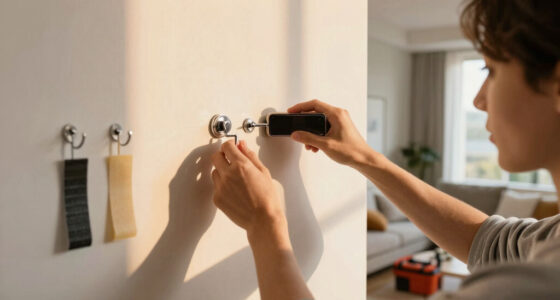
Where you put your night light matters. The goal is to keep light low to the floor and away from your eyes. Placing the light along the hallway or near the floor minimizes direct retinal exposure.
Imagine a pathway light just ahead of your feet—illuminating your steps without shining into your eyes. Using indirect light reflections off walls or floors further reduces the impact.
For example, a motion-activated path light placed at ankle level can safely guide you to the bathroom without disrupting your sleep.
Recent findings suggest that light hitting the eye directly is 10 times more disruptive than the same light cast onto a wall or bouncing off the floor. This means that even small adjustments in placement can significantly reduce circadian effects, allowing you to navigate safely while preserving your sleep quality. The tradeoff with placement is ensuring enough illumination for safety without creating a direct, intense light source that impacts your circadian system.
As an affiliate, we earn on qualifying purchases.
Control Your Night Lights: Use Timers, Sensors, and Switches
Automatic controls prevent accidental exposure to bright lights during the night. Motion sensors turn on lights only when you need them, and timers switch lights off after a set period.
For example, a hallway path light with a motion sensor can light your way without leaving a bright glow in the room. Similarly, a bedside tap switch on a dim amber light lets you control illumination without fumbling for switches in the dark.
Research suggests that even brief, low-level light exposure can suppress melatonin, so controlling when and how much light you get is key. The tradeoff here is balancing convenience with sleep health: automated controls reduce unintended exposure, but reliance on technology requires proper setup and maintenance to ensure they function correctly through the night.
Safety First: Night Lights for Kids and the Elderly
Safety needs vary. For young children or seniors, low, warm, motion-activated pathway lighting provides reassurance without the disruption of bright, constant illumination.
For instance, installing a soft red night light along the hallway helps an elderly parent find their way safely, while a toddler’s room might feature a tiny, dim amber light for nighttime feeds.
Balancing safety with sleep health means choosing lights that are warm, dim, and placed low. The tradeoff involves ensuring enough illumination to prevent accidents without creating a sleep-disrupting environment. For example, overly bright or blue-enriched lights might provide safety but at the cost of melatonin suppression, which can affect sleep quality and overall health. Therefore, selecting appropriately dim, warm, and low-positioned lights is essential for both safety and sleep integrity.
Latest Science and Trends: What’s New in Night Lights
Recent studies strengthen the link between nighttime light exposure and health risks like metabolic issues and depression. Experts now recommend keeping bedroom light levels below 10 lux and using warm spectrum lighting after sunset.
Smart bulbs with circadian-friendly modes, motion-activated amber LEDs, and pathway lights designed for safety are increasingly common. Meanwhile, the wellness trend around red light therapy emphasizes non-disruptive lighting choices for sleep.
For example, a 2022 Northwestern University study found that just one night in a room lit at 100 lux impaired insulin sensitivity. That’s a good reminder to keep your night lighting minimal. The emerging consensus is that the quality and timing of light exposure are critical: even short periods of bright or blue-enriched light can have outsized effects on health and sleep, so choosing the right products and settings is more important than ever.
Frequently Asked Questions
What color night light is best for sleep?
Red or deep amber in the 1800–2200 K range are best. They emit minimal blue light, which is the main factor in melatonin suppression. Avoid white or blue-enriched lights if you want to keep your sleep cycle intact.
Is red light really better, or is that a gimmick?
Red light is scientifically proven to have less impact on melatonin and circadian rhythms—it’s not just marketing. While wellness claims about red light therapy go beyond sleep support, for night lighting, red is a sensible choice for minimizing disruption. Its effectiveness is supported by research showing that exposure to red light causes minimal suppression of melatonin compared to blue or white lights, making it a practical option for nighttime use.
How dim should a night light be? How many lumens?
Keep your night light as dim as possible—often just a few lumens, enough to see your way. If you can read comfortably by it, it’s too bright. Aim for under 10 lux, similar to moonlight. This level of illumination minimizes the risk of melatonin suppression and supports your natural sleep cycle.
Is it bad to sleep with a light on? Does it cause weight gain, diabetes, or depression?
Even small amounts of light at night can affect sleep hormones and metabolic health. While occasional exposure isn’t harmful, consistently bright or blue-enriched light can increase risks over time, especially if it suppresses melatonin regularly. Chronic exposure to nighttime light has been linked to disturbances in glucose metabolism, mood disorders, and increased risk of obesity and depression, highlighting the importance of keeping light levels low and spectra warm during sleep hours.
Where should I put the night light — bedroom or hallway?
Better to place it along the hallway or pathway rather than directly in your bedroom. Keep the light low and directed away from your eyes to reduce circadian effects while ensuring safety. Proper placement minimizes direct retinal exposure, which research shows is more disruptive than indirect lighting, helping you navigate safely without compromising your sleep quality.
Conclusion
The best night light isn’t a bright, white fixture but a gentle, warm glow that respects your body’s natural clock. Think of it as a tiny, friendly beacon—guiding you safely through the night without telling your brain it’s time to wake up.
Remember: dim, warm, low, and controlled. That’s the formula for nights that recharge you instead of disrupting your sleep. Next time you reach for a light, ask yourself—does this support my sleep or sabotage it? Choose wisely, and your mornings will thank you.
Fall Picks
fall essentials
As an affiliate, we earn on qualifying purchases.