TL;DR
Play games included with Prime
Start a Prime free trial and play with Amazon Luna on your devices.
Start playingAs an affiliate, we earn on qualifying purchases.
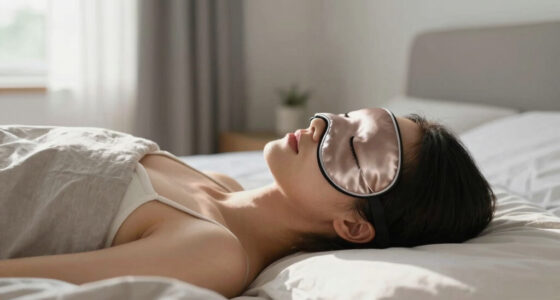
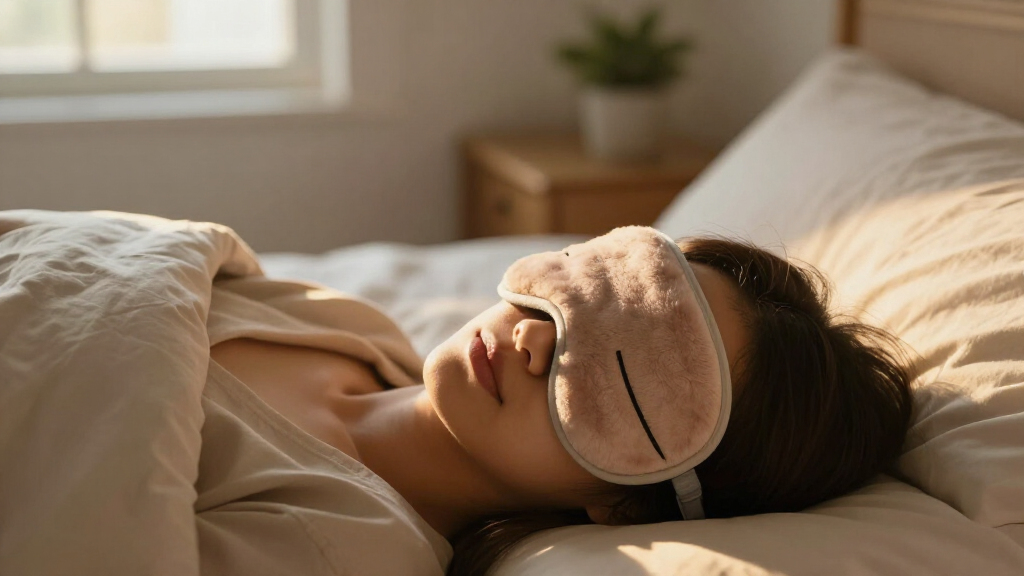
For side sleepers, the secret to a mask that stays put is a low-profile, tapered design combined with a stable strap system. Thick, bulky masks push against the pillow and shift easily, causing light leaks and frustration. Choosing a mask with a slim profile and secure fit makes all the difference.
If you’ve ever woken up with your sleep mask tangled around your neck or glaring light sneaking in at the edges, you’re not alone. Side sleeping is the most common adult position, yet it’s also the trickiest for keeping a mask in place. Light leaks and shifting masks aren’t just annoying — they can actually wake you up or disrupt your sleep cycle.
The good news? The right mask design makes all the difference. It’s not just about fabric or decoration — it’s about profile thickness, strap stability, and how well the mask conforms to your face without pushing or slipping. In this guide, you’ll learn what features really matter for side sleepers and how to pick a mask that stays put, night after night.
Choose masks with a profile less than 1 inch thick at the edges to prevent pillow pressure from shifting them.
Opt for wide, adjustable straps that sit lower on your head and resist upward movement.
Prioritize masks with flexible or molded nose bridges that seal tightly around your nose without causing discomfort.
Select breathable, lightweight fabrics like silk or perforated foam to keep cool and avoid sweating.
Look for masks with customizable eye cups and low-profile contours tailored for side sleepers.
Sleep Masks for Side Sleepers: Profiles That Don’t Shift
Waking up with your mask around your neck — or light leaking in at the edges — is a design problem, not a you problem. For side sleepers, the secret is a low-profile, tapered design paired with a stable strap system. This guide breaks down the four features that keep a mask sealed and still, night after night.
The most common adult sleep position — and the one most likely to dislodge a mask.
Masks slimmer than ~1 inch at the edges avoid the lever effect of pillow pressure.
The nose bridge is where light sneaks in first — pillow pressure makes it worse.
“Research shows that pillow contact pressure is the primary mechanical cause of sleep mask displacement in side sleepers — which is why low-profile design matters more than brand, fabric, or price.”
Even dim light during sleep is associated in research with impaired sleep quality and next-morning alertness. A mask that shifts isn’t just annoying — it can wake you or fragment your sleep cycle.
Why Profile Thickness Matters More Than You Think
When your face presses into the pillow, a bulky padded mask acts like a lever — the pillow pushes it up and off your eyes. Think of a sleek car seat versus a bulky truck seat: less bulk means less bounce, more stability, and fewer interruptions.
Tapered, Low-Profile Edges
A slim edge (under 1 inch) hugs the face without creating a bump for the pillow to push against. Thinned temples are the single biggest win for side sleepers.
Contoured “3D” Cups
Molded cups work only if shallow. Deep rims catch pillow pressure and shift — they can be worse than flat masks. Low-profile molded cups are now common at mid-range prices.
Thick, Bulky Padding
Thick rims create a larger contact surface and more leverage. Every toss and turn becomes a displacement event — constant readjustment fragments sleep cycles.
Shift Resistance by Design Feature
A relative look at how common design choices hold up against pillow pressure for side sleepers — from anchors that grip to materials that slip.
How Common Mask Materials Compare for Side Sleepers
Fabric isn’t decoration — it drives heat, grip, seal, and how the mask behaves under pillow compression. The highlighted column is the side-sleeper verdict.
| Material | Conforms & Seals | Breathability | Slip Risk | Side-Sleeper Verdict |
|---|---|---|---|---|
| Memory Foam | ✓ Excellent contour seal | ✗ Retains heat; perforated versions help | ✓ Low — matte covers grip well | ✓ Strong pick — choose slim, perforated foam |
| Mulberry Silk (19–25 momme) | ~ Soft but less structured | ✓ Cool, gentle on skin & hair | ✗ High — slides on pillowcases | ~ Works only with a grippy strap system |
| Cotton / Modal | ~ Moderate seal | ✓ Breathable middle ground | ~ Moderate | ~ Solid budget option if profile is slim |
| Weighted Mask | ✓ Gentle deep-pressure contact | ~ Varies by fill | ✗ Gravity pulls it off the pillow-side eye | ✗ Better for back sleepers |
How a Mask Gets Pushed Off — and Where Design Breaks the Chain
Displacement is a sequence. Interrupt it at any step with the right feature and the mask survives the night.
Face Meets Pillow
Side position presses the mask’s edge into the pillow surface.
Lever Effect
Thick edges become a fulcrum — pillow force pushes the mask upward.
Gaps Open
The nose bridge and temples lift; light leaks in and wakes you.
Design Breaks It
Slim profile + dual straps + molded nose baffle stop the chain cold.
The Side-Sleeper Buying Checklist
Five non-negotiables when evaluating any mask for side sleeping — in priority order.
Profile under 1 inch at the edges
Slim, tapered edges prevent pillow pressure from levering the mask off your face.
Wide, adjustable straps that sit low
Flat elastic with sliders, positioned lower on the head, resists upward movement.
Flexible or molded nose bridge
Nose wires, baffles, or silicone strips seal the #1 leak point without pressing skin.
Breathable, lightweight fabric
Silk or perforated foam keeps you cool and avoids sweat-driven slipping.
Customizable, shallow eye cups
Repositionable, low-profile contours fit your face — with enough cavity depth to protect lashes.
Snug — never tight
Adjust until the mask stays put with minimal tension. Overtightening causes headaches and marks.
Frequently Asked Questions
The questions side sleepers ask most — answered with the profile-and-strap framework above.
Q1Why does my mask always end up around my neck by morning?
Most likely the strap is too loose or the profile is too bulky. Pillow pressure and movement push it off. Tighten to a snug, low-profile fit.
Q2Flat or contoured — which shape is best for side sleepers?
Contoured with shallow, low-profile cups generally wins: closer fit, better seal, less bulk. A slim flat mask with stable straps can also work.
Q3Will a contoured mask crush my lash extensions?
Modern contoured masks with deep, soft eye cavities won’t press on lashes — look for designs built with lash care in mind.
Q4Do silk masks stay on better or worse than cotton or foam?
Silk is slipperier, so it shifts more unless the strap grips. A silk mask with a textured or silicone-lined strap can stay put beautifully.
Q5How tight should the strap be?
Snug enough to prevent shifting, never so tight it causes headaches or marks. Adjust until the mask holds with minimal tension.
Why Profile Thickness Matters More Than You Think
When you sleep on your side, your face presses into the pillow. A bulky, padded mask acts like a lever, forcing your pillow to push the mask up and out of place. Most side sleepers benefit from masks that are less than 1 inch thick at the edges.
Choosing a slim profile isn’t just about comfort — it’s about minimizing the leverage and pressure points that cause shifting. Thick masks create a larger surface area that interacts with the pillow, increasing the chances of displacement as you move or turn. This can lead to constant readjustments, disrupting sleep cycles and reducing overall sleep quality.
For example, a mask with a tapered, low-profile edge hugs your face without creating a bump, which helps it stay in place. Contoured “3D” masks work well only if their eye cups are shallow — deep rims tend to catch pillow pressure and shift. Think of it like a sleek, slim car seat versus a bulky truck seat — less bulk means less bounce and more stability, translating directly into fewer interruptions during sleep.
Recent trends show that masks with molded, low-profile eye cups are now common at mid-range prices, offering a good balance of comfort and stability. Avoid thick rims if you want your mask to stay put through tossing, turning, and pillow pressing, because thicker designs inherently create more leverage and potential for movement, especially for side sleepers who experience more facial pressure.
low profile sleep mask for side sleepers
As an affiliate, we earn on qualifying purchases.
As an affiliate, we earn on qualifying purchases.
How Strap Design Keeps Your Mask From Sliding Off
Your strap is the anchor that holds everything in place. Wide, flat elastic straps distribute pressure evenly across your head, reducing pressure points that might cause slipping. This even distribution helps maintain a consistent fit, which is crucial as any uneven tension can lead to shifting during sleep.
Adjustable sliders are essential because they allow you to customize the fit. A snug but comfortable fit ensures the mask stays in place without causing discomfort or headaches. The tradeoff is finding that perfect balance; too tight, and you risk pain or skin marks; too loose, and the mask will shift.
Some masks feature dual straps: one above and one below the ears, or a lower strap at the back of your head. These configurations act as additional anchors, preventing upward or lateral movement, especially when pillow pressure tends to push the mask away from your face. This is particularly beneficial for side sleepers, who experience more lateral facial pressure during sleep.
Material choice also matters. Satin or silk straps may slide on pillowcases, increasing the chance of shift, which can be frustrating. Matte or textured fabrics grip better and resist slipping. For example, a mask with a silicone-lined strap can stay in place longer and more securely, especially if you tend to move a lot during sleep. However, overtightening the strap can cause headaches and marks, so the goal is a well-fitting, low-profile strap that stays put with minimal tension, reducing discomfort and the need for constant readjustment.
In the end, the key is a stable, adjustable strap system that balances security with comfort — an important factor in preventing mask displacement for side sleepers.
shift resistant sleep mask with adjustable straps
As an affiliate, we earn on qualifying purchases.
As an affiliate, we earn on qualifying purchases.
Nose Bridge Features That Seal Out Light Without Causing Discomfort
The nose area is the biggest light leak point, especially when you sleep on your side and pillow pressure presses the mask inward. Masks with flexible nose wires, contoured nose baffles, or molded cutouts create a seal around your bridge, blocking out light without pressing into your skin.
Choosing a mask with a soft silicone nose strip that molds to your shape allows for a customizable fit, conforming to your nasal contours and maintaining a seal even as you move or press against your pillow. This flexibility helps prevent light leaks that can disturb your sleep or wake you prematurely. A deep, flexible nose bridge also helps avoid eyelash crushing or skin creasing, which can cause discomfort or skin irritation. Properly designed nose bridges distribute pressure evenly, reducing the chance of discomfort or pressure points that could cause you to adjust the mask frequently.
In contrast, rigid or poorly designed nose areas tend to gap open when pressure increases, letting in unwanted light and disturbing your sleep. This gap can be especially problematic for side sleepers, as pillow pressure tends to shift the mask inward, opening gaps that allow light to seep in and disturb sleep cycles.
Look for masks that specifically mention a “contoured” or “molded” nose bridge designed for side sleepers, as these are engineered to create a better seal while maintaining comfort. The optimal design balances flexibility with stability, ensuring a tight seal without discomfort or pressure points.
silk sleep mask with molded nose bridge
As an affiliate, we earn on qualifying purchases.
As an affiliate, we earn on qualifying purchases.
Frequently Asked Questions
Why does my sleep mask always end up around my neck by morning?
Most likely, the strap is too loose or the mask’s profile is too bulky for side sleeping. Pillow pressure and movement can push the mask off if it doesn’t fit snugly or has an overly thick edge. Adjust the straps for a secure, low-profile fit to prevent this.What’s the best mask shape for side sleepers — flat or contoured?
Contoured masks with shallow, low-profile eye cups generally work better because they fit closer to your face and resist shifting. Flat masks can work too if they’re slim and have a stable strap system, but contouring offers a better seal and less bulk.Will a contoured mask crush my eyelash extensions?
Most modern contoured masks with deep, soft eye cavities won’t press on your lashes. Look for masks specifically designed with lash care in mind, with enough cavity depth to avoid smushing or pulling on extensions.Do silk masks stay on better or worse than cotton or foam?
Silk masks tend to be slipperier, which can cause more shifting if the strap isn’t secure. However, silk feels gentle on skin and hair. The key is a good strap system — a silk mask with a textured or silicone-lined strap can stay in place better.How tight should the strap be?
It should be snug enough to prevent shifting but not so tight that it causes headaches or leaves marks. Adjust until the mask feels secure without pressure points. Remember, a well-designed low-profile strap often stays put without excessive tension.light blocking sleep mask for side sleepers
As an affiliate, we earn on qualifying purchases.
As an affiliate, we earn on qualifying purchases.
Conclusion
For side sleepers, the key to a mask that stays put is a slim profile combined with a stable, well-designed strap system. Don’t just focus on materials — it’s about how the mask’s shape and fit work with your pillow and movement. With a little effort, you can wake up feeling refreshed, light leaks kept at bay, and your mask still in place.
Remember: the best sleep mask isn’t just about blocking light — it’s about staying comfortable and secure all night. So, next time you shop, prioritize profile thickness and strap stability. Your sleep — and your face — will thank you.
Fall yard work Picks
leaf blowers
As an affiliate, we earn on qualifying purchases.